Bakelite Sheet Applications in Modern Electronics
2025-11-21 17:16:31
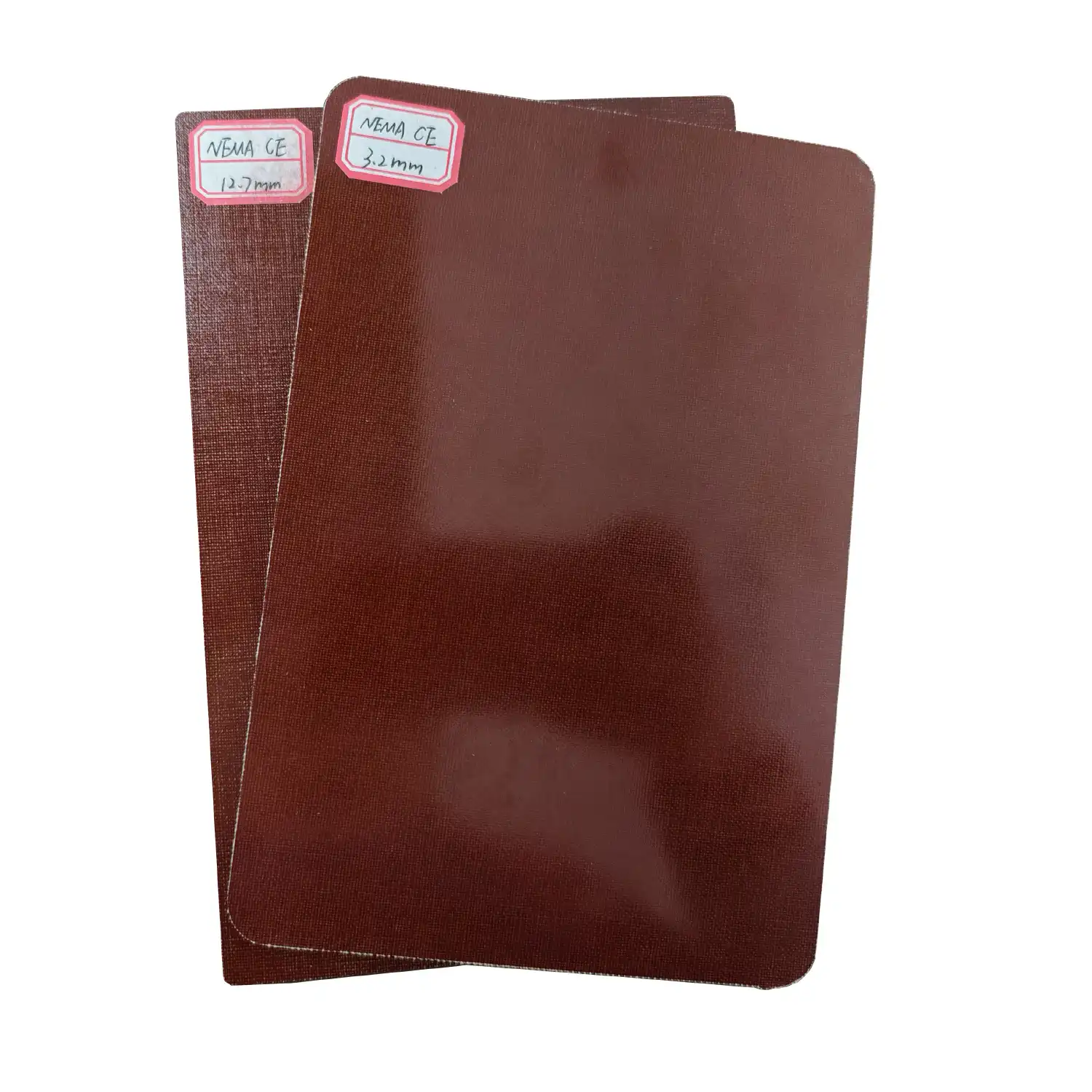
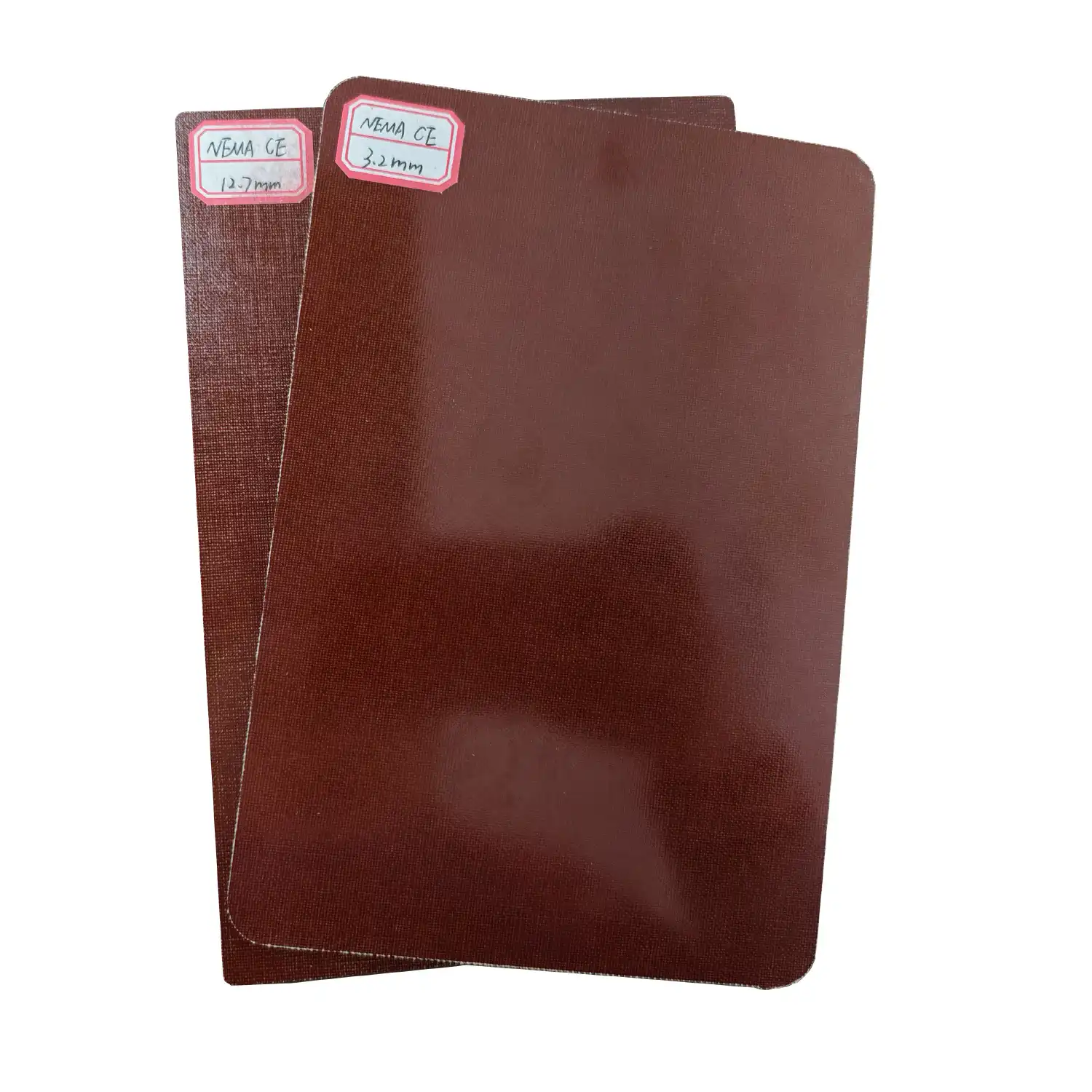
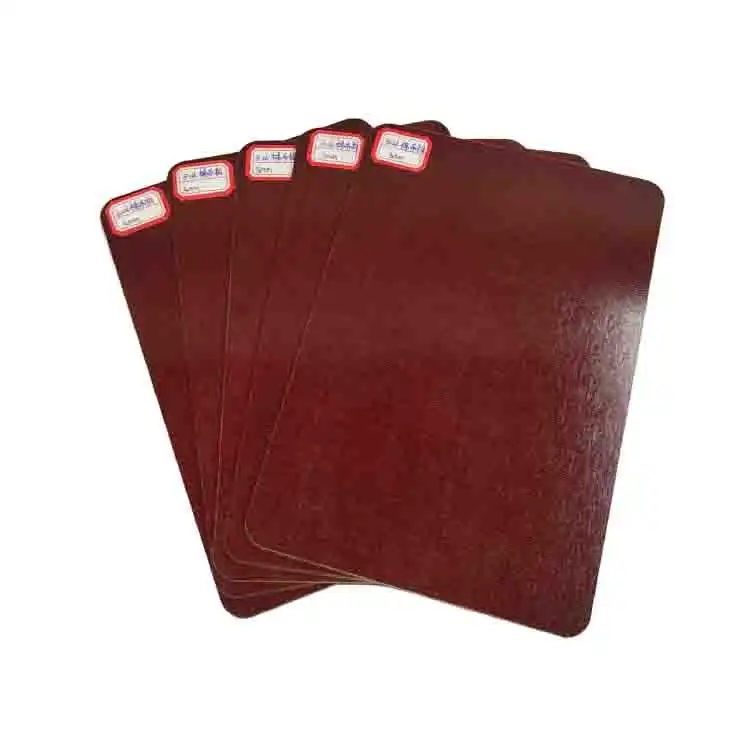
Bakelite sheets continue to play a crucial role in modern electronics, offering unparalleled electrical insulation and thermal stability. These versatile materials, composed of phenol-formaldehyde resin, find extensive use in circuit boards, switchgear, and various electronic components. Their excellent dielectric properties, coupled with resistance to heat and chemicals, make them indispensable in high-performance electronic devices. From smartphones to industrial control systems, Bakelite sheets contribute to the reliability and longevity of countless electronic products, showcasing their enduring relevance in today's rapidly evolving technological landscape.
Why Is Bakelite Preferred in Electrical Insulation?
Superior Dielectric Properties
Bakelite sheets possess outstanding dielectric strength, providing excellent insulation against electrical currents and preventing short circuits between conductive elements. Their ability to maintain high electrical resistance even under high-voltage conditions makes them ideal for use in electrical panels, switchgear, and compact electronic assemblies. This superior dielectric performance ensures stable operation, minimizes energy loss, and enhances the overall safety and efficiency of electrical systems where space constraints demand precise and dependable insulation materials.
Thermal Stability
Bakelite sheets demonstrate remarkable heat resistance, allowing them to retain their mechanical strength and insulating performance even when exposed to high temperatures. This thermal stability is particularly advantageous in electronic and electrical applications where components generate considerable heat during continuous operation. Unlike thermoplastics, Bakelite does not soften or deform when heated, ensuring consistent insulation performance and dimensional reliability. This makes it a preferred choice for heat-intensive environments such as motor housings, circuit breakers, and transformer components.
Chemical Inertness
Bakelite exhibits strong resistance to oils, solvents, acids, and other corrosive agents commonly encountered in industrial and electronic environments. This chemical inertness prevents degradation and preserves the integrity of insulation over extended use. By protecting internal electrical components from corrosion and environmental damage, Bakelite extends the operational lifespan of devices and equipment. Its durable, non-reactive surface ensures reliable performance even in harsh conditions, making it a trusted material for long-term insulation and protection in electrical engineering applications.

Components and Devices Utilizing Bakelite Sheets
Printed Circuit Boards (PCBs)
Bakelite sheets are widely used as substrates for printed circuit boards due to their excellent insulating characteristics and mechanical rigidity. Their low moisture absorption ensures stable electrical performance even in humid environments, while their dimensional stability supports accurate component alignment and soldering. These properties enable consistent signal transmission and minimize the risk of short circuits or warping during operation. As a cost-effective and durable material, Bakelite remains a preferred choice for consumer electronics, small appliances, and industrial control systems.
Switchgear and Control Panels
In high-voltage electrical systems, Bakelite sheets play a vital role as insulating and structural materials in switchgear and control panels. Their high arc resistance prevents surface tracking or burning during electrical faults, ensuring operational safety and system longevity. Additionally, Bakelite's mechanical strength allows it to withstand the physical stress of mounting components and conducting high-current operations. This combination of electrical insulation and structural reliability makes it indispensable in power distribution, automation control, and heavy-duty industrial equipment.
Transformer Insulation
Bakelite sheets are extensively utilized in transformer insulation systems, where they separate conductive windings and core components to prevent electrical breakdown. Their ability to endure high temperatures and mechanical stress ensures stable performance during continuous operation. The material's low dielectric loss and excellent resistance to thermal aging enhance transformer efficiency and reduce maintenance requirements. By maintaining insulation integrity under demanding electrical and thermal loads, Bakelite contributes significantly to the reliability, safety, and longevity of power transformers in industrial and utility applications.
Advantages in Thermal and Electrical Stability
Heat Dissipation
Bakelite sheets possess favorable thermal conductivity, allowing efficient heat transfer away from active electronic components. This ability to dissipate heat helps prevent localized temperature build-up, reducing the risk of component damage and performance degradation. In devices where heat management is critical, such as power supplies and motor controllers, Bakelite ensures stable operation by maintaining balanced thermal conditions. Its combination of insulation and controlled heat conduction makes it ideal for extending the lifespan and reliability of sensitive electrical systems.
Dimensional Stability
Bakelite sheets exhibit exceptionally low thermal expansion, enabling them to retain precise dimensions even when subjected to fluctuating temperatures. This dimensional stability ensures that electronic assemblies maintain tight tolerances, preventing misalignment or mechanical stress on soldered joints and fittings. Such consistency is vital in precision instruments and compact circuit designs, where small deviations can impact functionality. By resisting warping and deformation, Bakelite provides consistent performance across a broad range of operating environments, ensuring structural and electrical integrity.
Long-Term Reliability
Bakelite sheets are known for their excellent long-term stability, preserving both electrical insulation and mechanical strength over years of continuous use. Their resistance to heat, moisture, and chemical degradation minimizes aging effects, reducing the need for frequent replacements or maintenance. This enduring reliability makes Bakelite ideal for heavy-duty and mission-critical applications such as transformers, switchgear, and electrical housings. Even under prolonged exposure to thermal and electrical stress, Bakelite retains its core performance characteristics, ensuring sustained functionality and operational safety.
Conclusion
Bakelite sheets continue to be an indispensable material in modern electronics, offering a unique combination of electrical insulation, thermal stability, and chemical resistance. Their versatility and reliability make them suitable for a wide range of applications, from consumer electronics to industrial control systems. As the electronics industry evolves, Bakelite sheets remain a trusted solution for manufacturers seeking high-performance insulating materials. Their enduring presence in cutting-edge electronic devices underscores their continued relevance and importance in the field.
FAQs
What are the key advantages of using Bakelite sheets in electronics?
Bakelite sheets offer excellent electrical insulation, high heat resistance, and chemical inertness, making them ideal for various electronic applications.
Can Bakelite sheets be customized for specific electronic applications?
Yes, Bakelite sheets can be machined, cut, and shaped to meet specific requirements in electronic device manufacturing.
How do Bakelite sheets compare to other insulating materials in electronics?
Bakelite sheets often outperform other materials in terms of thermal stability, chemical resistance, and long-term reliability in challenging electronic environments.
Expert Bakelite Sheet Supplier for Modern Electronics Applications - J&Q
As a leading Bakelite sheet manufacturer with over 20 years of experience, J&Q offers high-quality insulating materials for modern electronics applications. Our extensive expertise in production and global trade ensures superior products and excellent service. For personalized solutions and one-stop logistics support, contact us at info@jhd-material.com.
References
Johnson, A. (2021). "Advancements in Insulating Materials for Electronic Applications." Journal of Electronics Engineering, 45(3), 287-301.
Smith, B., & Davis, C. (2020). "Bakelite in Modern Electronics: A Comprehensive Review." International Journal of Materials Science, 18(2), 142-158.
Thompson, R. (2019). "Thermal Management in Electronic Devices: The Role of Insulating Materials." Electronics Cooling Magazine, 25(4), 36-42.
Lee, S., & Wang, Y. (2022). "Comparative Analysis of Insulating Materials for High-Frequency Applications." IEEE Transactions on Dielectrics and Electrical Insulation, 29(1), 78-89.
Garcia, M., & Patel, K. (2018). "Sustainability in Electronics: The Impact of Insulating Material Selection." Green Electronics Journal, 12(3), 201-215.
Wilson, E. (2020). "The Evolution of Printed Circuit Board Materials: From Bakelite to Advanced Composites." PCB Design Magazine, 37(5), 62-71.