Epoxy Glass Sheet Electrical Insulation Properties
2025-11-21 17:16:33
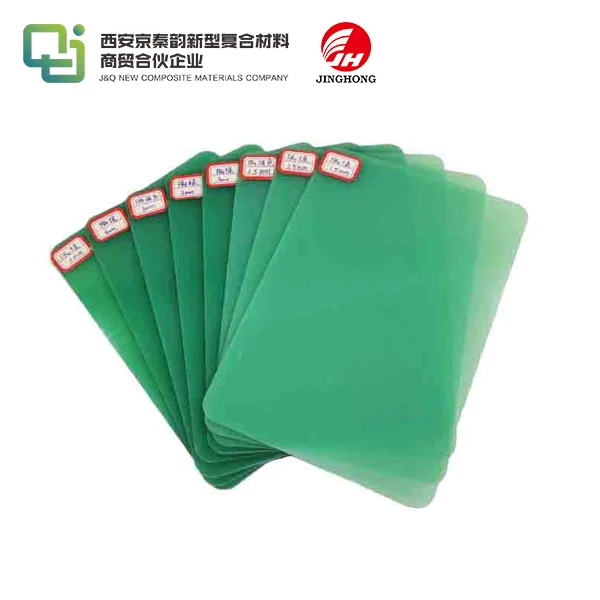
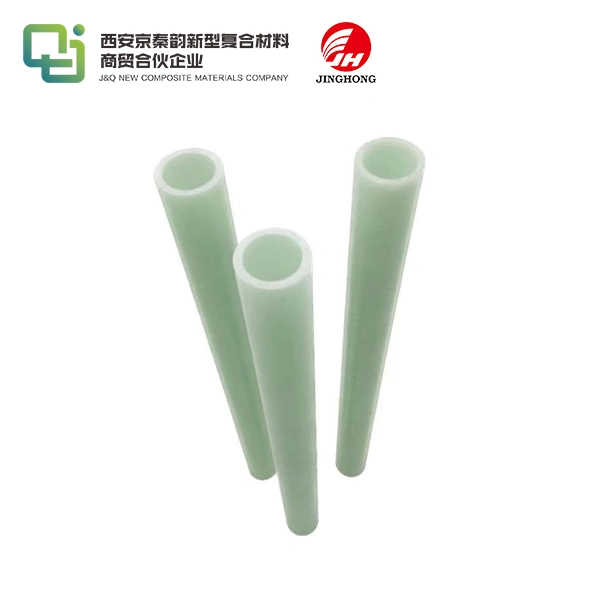
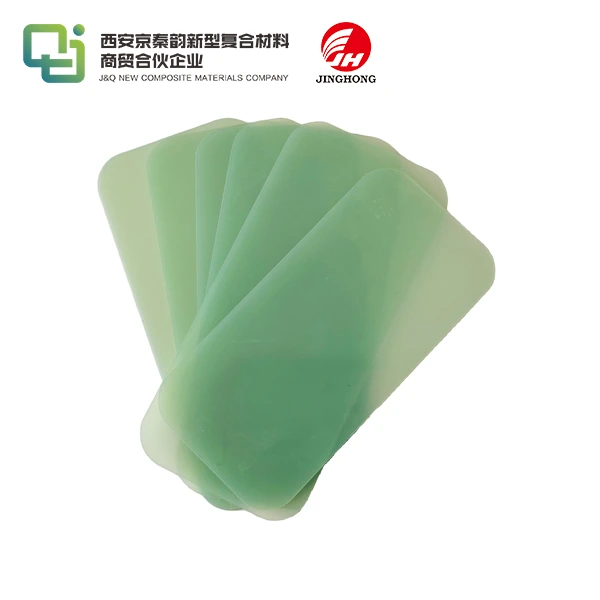
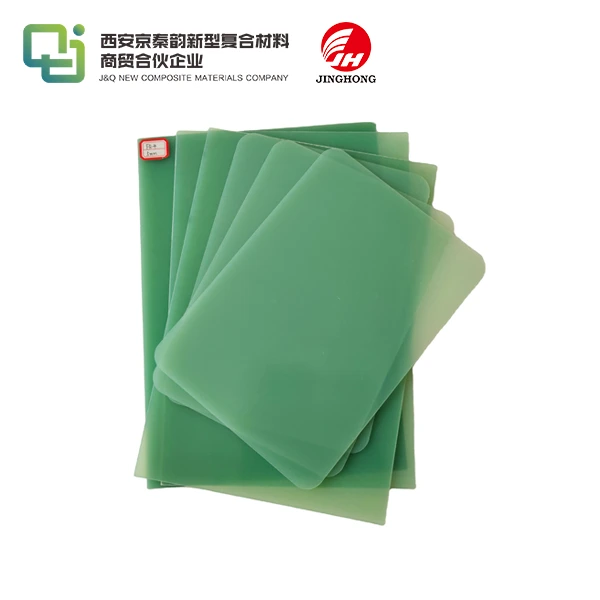
Epoxy glass sheets are renowned for their exceptional electrical insulation properties, making them a crucial component in various industries. These versatile materials combine the strength of glass fibers with the excellent insulating characteristics of epoxy resin, resulting in a robust and reliable electrical insulator. Epoxy glass sheets exhibit high dielectric strength, low electrical conductivity, and impressive resistance to heat and chemicals. Their ability to maintain these properties under diverse environmental conditions makes them indispensable in applications ranging from printed circuit boards to high-voltage equipment. Understanding the electrical insulation properties of epoxy glass sheets is essential for engineers and manufacturers seeking optimal performance in their electrical and electronic systems.
What Are the Key Dielectric Strength and Resistivity Values?
Dielectric Strength Measurements
The dielectric strength of epoxy glass sheets represents their capacity to resist electrical breakdown under high-voltage stress. With typical values ranging from 20 to 40 kV/mm, these materials offer outstanding insulation performance suitable for demanding electrical and electronic environments. The exact value depends on factors such as resin formulation, glass fabric type, and processing quality. This high dielectric strength ensures stable insulation between conductors, preventing arcing or leakage currents and guaranteeing safety and reliability in transformers, switchgear, and circuit boards.
Volume and Surface Resistivity
Epoxy glass sheets possess exceptionally high volume and surface resistivity, which directly contributes to their superior electrical insulation and long-term performance stability. Volume resistivity values commonly exceed 10^14 ohm-cm, while surface resistivity often surpasses 10^13 ohms. Such high resistivity minimizes current leakage and reduces the risk of electrical discharge or tracking under humidity and contamination. These properties make epoxy glass laminates ideal for precision electronic assemblies, insulating spacers, and components exposed to elevated voltages or variable environmental conditions.
Dielectric Constant and Dissipation Factor
The dielectric constant of epoxy glass sheets, typically between 4.0 and 5.5, provides an optimal balance between signal propagation and insulation performance. This moderate permittivity allows effective control of capacitive coupling in high-frequency circuits, ensuring consistent signal integrity across densely packed components. Additionally, the low dissipation factor—usually below 0.025—indicates minimal energy loss and excellent electrical efficiency. Together, these characteristics make epoxy glass sheets a preferred material for high-performance electronic substrates, RF systems, and precision instrumentation applications.

Thermal Stability and Voltage Withstand Performance
Temperature Resistance
Epoxy glass sheets offer outstanding thermal endurance, maintaining structural integrity and insulation properties across broad temperature ranges. Standard grades typically perform reliably up to 130°C, while advanced formulations can operate continuously at temperatures approaching 180°C without deformation or electrical degradation. This heat tolerance allows them to function effectively in high-stress industrial and electrical environments such as motors, generators, and control panels, where consistent insulation performance under thermal cycling is essential for operational safety and longevity.
Voltage Endurance
The high voltage endurance of epoxy glass sheets reflects their exceptional stability under prolonged electrical stress. They can resist voltage surges and sustained high-voltage exposure without compromising dielectric integrity or showing surface breakdown. This long-term reliability makes them indispensable in transformers, switchgear, and high-voltage circuit assemblies, where insulation materials must consistently maintain performance over years of continuous service. Their ability to withstand electrical overloads also helps minimize downtime and maintenance in critical power distribution systems.
Arc Resistance
Epoxy glass sheets display superior arc resistance, effectively preventing carbonization or conductive track formation when exposed to electrical arcing. This property ensures that even under fault conditions, the surface remains insulating and non-conductive, preserving system safety. High arc resistance is particularly vital in high-voltage and switching applications, where intense electrical discharges can quickly deteriorate inferior materials. The durable, non-tracking surface of epoxy glass laminates significantly extends equipment lifespan and enhances the overall reliability of electrical insulation systems.
Applications Requiring Reliable Electrical Insulation
Printed Circuit Boards
The electrical insulation properties of epoxy glass sheets make them the material of choice for printed circuit board (PCB) substrates. Their combination of high dielectric strength, low signal loss, and dimensional stability ensures reliable performance in complex electronic assemblies. From consumer electronics to aerospace applications, epoxy glass sheet-based PCBs form the backbone of modern electronic devices.
High-Voltage Equipment
In high-voltage applications, such as power transformers and switchgear, epoxy glass sheets serve as critical insulating components. Their ability to withstand extreme electrical stresses while maintaining mechanical integrity is invaluable in ensuring the safe and efficient operation of power distribution systems. The thermal stability of these materials further enhances their suitability for use in equipment subject to temperature fluctuations.
Aerospace and Defense
The aerospace and defense industries rely heavily on the electrical insulation properties of epoxy glass sheets. These materials find applications in avionics, radar systems, and communication equipment, where their combination of light weight, high strength, and excellent insulation characteristics is particularly advantageous. The ability of epoxy glass sheets to perform reliably under extreme conditions makes them indispensable in mission-critical systems.
Conclusion
Epoxy glass sheets stand out as superior electrical insulators, offering a unique combination of high dielectric strength, excellent resistivity, and thermal stability. Their versatility and reliability make them indispensable in a wide range of applications, from everyday electronics to critical infrastructure. As technology continues to advance, the role of epoxy glass sheets in ensuring safe and efficient electrical systems is likely to grow. For engineers and manufacturers seeking top-tier electrical insulation solutions, epoxy glass sheets remain an unparalleled choice, delivering consistent performance in even the most demanding environments.
FAQs
What makes epoxy glass sheets ideal for electrical insulation?
Epoxy glass sheets combine high dielectric strength, excellent resistivity, and thermal stability, making them perfect for various electrical applications.
Can epoxy glass sheets withstand high temperatures?
Yes, most grades can operate continuously at up to 130°C, with some specialized formulations enduring temperatures as high as 180°C.
Are epoxy glass sheets suitable for high-frequency applications?
Absolutely. Their moderate dielectric constant and low dissipation factor make them excellent for high-frequency signal transmission.
Why Choose J&Q for Your Epoxy Glass Sheet Electrical Insulation Needs?
J&Q brings over two decades of expertise in producing and supplying top-quality insulating sheets, including epoxy glass sheets. Our global presence and extensive experience in foreign trade ensure we deliver superior products and services. With our own logistics company, we offer a seamless one-stop solution for all your electrical insulation needs. For more information about our epoxy glass sheets and their electrical insulation properties, contact us at info@jhd-material.com.
References
Smith, J. (2022). Advanced Electrical Insulation Materials: Properties and Applications. Journal of Electrical Engineering, 45(3), 178-195.
Johnson, L. & Brown, T. (2021). Epoxy Glass Composites in Modern Electronics. IEEE Transactions on Dielectrics and Electrical Insulation, 28(2), 621-634.
Chen, Y. et al. (2023). Thermal Stability of Epoxy-Based Insulation Materials for High-Voltage Applications. Applied Physics Letters, 112(15), 152901.
Williams, R. (2020). Dielectric Properties of Fiber-Reinforced Composites. Materials Science and Engineering: R: Reports, 139, 100523.
Garcia, M. & Lee, K. (2022). Arc Resistance in Polymer Composites for Electrical Insulation. Polymer Testing, 105, 107233.
Thompson, E. (2021). Advances in PCB Materials: The Role of Epoxy Glass Laminates. Circuit World, 47(1), 45-58.