
Epoxy Glass Sheet vs Phenolic Paper Laminate in Mechanical Use
2025-12-02 17:06:32
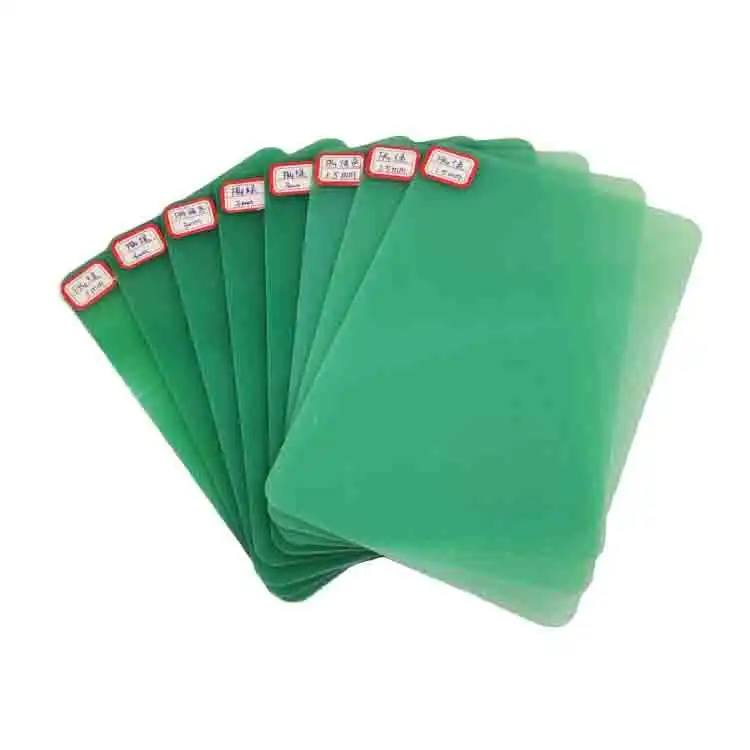
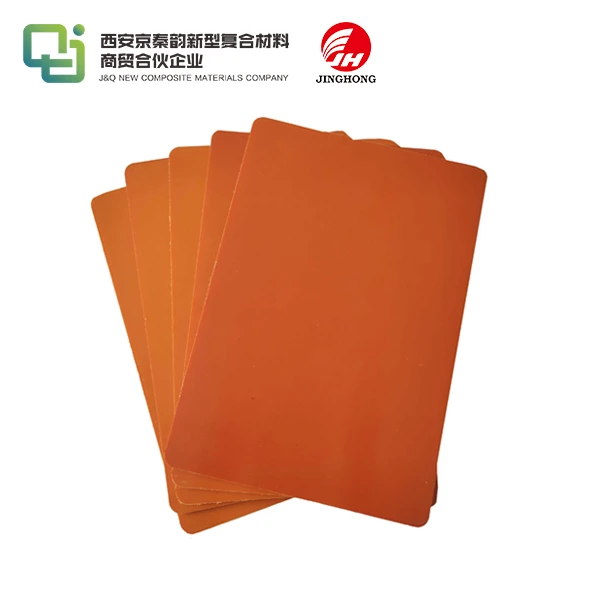
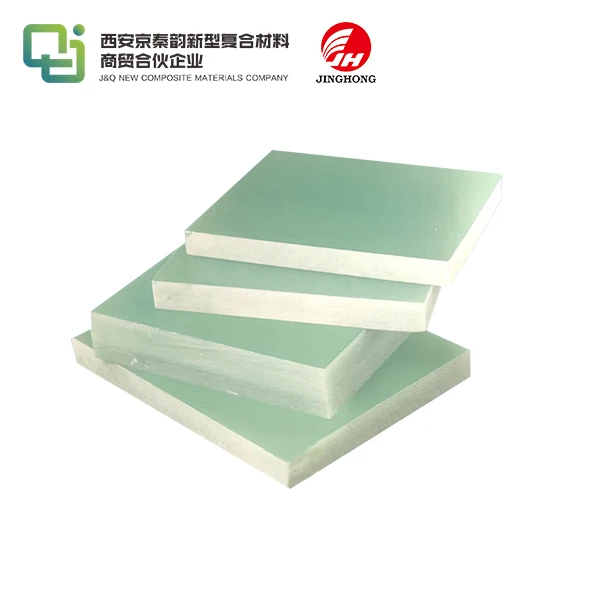
When comparing epoxy glass sheet and phenolic paper laminate for mechanical applications, epoxy glass sheet generally outperforms in terms of strength, durability, and temperature resistance. Its glass fiber reinforcement provides superior mechanical properties, making it ideal for high-stress environments. Phenolic paper laminate, while less robust, offers good electrical insulation and is more cost-effective for less demanding applications. The choice between these materials depends on specific project requirements, with epoxy glass sheet excelling in performance-critical scenarios and phenolic paper laminate suitable for more economical, lower-stress uses.
How Do Mechanical Strength and Wear Resistance Compare?
Tensile and Flexural Strength Analysis
Epoxy glass sheet demonstrates superior tensile and flexural strength compared to phenolic paper laminate. The glass fiber reinforcement in epoxy sheets provides a robust structure capable of withstanding significant stress and strain. Typical tensile strength values for epoxy glass sheets range from 200-400 MPa, while phenolic paper laminates usually fall between 60-100 MPa. This substantial difference makes epoxy glass sheet the preferred choice for applications requiring high mechanical load-bearing capacity.
Impact Resistance and Toughness
In terms of impact resistance, epoxy glass sheet again takes the lead. Its composite structure allows for better energy absorption and distribution, reducing the likelihood of catastrophic failure under sudden impacts. Phenolic paper laminate, while still offering some impact resistance, is more prone to cracking or shattering when subjected to high-energy impacts. This makes epoxy glass sheet a more suitable option for components that may experience unexpected shocks or vibrations during operation.
Abrasion and Wear Performance
When it comes to wear resistance, epoxy glass sheet outperforms phenolic paper laminate significantly. The hard, glass-reinforced surface of epoxy sheets provides excellent abrasion resistance, maintaining its integrity even under harsh conditions. Phenolic paper laminate, being softer and less dense, tends to wear more quickly when subjected to friction or abrasive forces. For applications involving moving parts or exposure to abrasive materials, epoxy glass sheet is the superior choice for longevity and reliability.

Thermal and Dimensional Stability Differences
Heat Resistance and Thermal Expansion
Epoxy glass sheet exhibits superior heat resistance compared to phenolic paper laminate. With a typical heat deflection temperature (HDT) ranging from 140°C to 180°C, epoxy glass sheets maintain their mechanical properties at higher temperatures. Phenolic paper laminates generally have lower HDTs, typically between 100°C and 150°C. This difference is crucial in applications where thermal stability is paramount. Additionally, epoxy glass sheets have a lower coefficient of thermal expansion, ensuring better dimensional stability across a wide temperature range.
Moisture Absorption and Dimensional Changes
In terms of moisture resistance, epoxy glass sheet significantly outperforms phenolic paper laminate. The epoxy resin matrix and glass fiber reinforcement create a highly impermeable structure, with typical moisture absorption rates below 0.5% by weight. Phenolic paper laminates, due to their cellulose-based composition, can absorb up to 2-3% moisture by weight. This higher moisture absorption can lead to dimensional changes and potential degradation of mechanical properties in humid environments, making epoxy glass sheet the preferred choice for applications exposed to moisture or requiring precise dimensional stability.
Long-term Creep and Fatigue Behavior
When considering long-term performance under stress, epoxy glass sheet demonstrates superior creep resistance and fatigue behavior. The rigid cross-linked structure of the epoxy resin, combined with the reinforcing glass fibers, provides excellent resistance to permanent deformation under sustained loads. Phenolic paper laminate, while still offering good performance, is more susceptible to creep and fatigue effects over time. This makes epoxy glass sheet the better option for applications requiring long-term reliability under constant or cyclic loading conditions.
Industrial Applications Highlighting Each Material's Advantages
Aerospace and Automotive Sector Usage
In the aerospace and automotive industries, epoxy glass sheet finds extensive use due to its high strength-to-weight ratio and excellent thermal stability. It's commonly employed in structural components, interior panels, and electrical insulation within aircraft and high-performance vehicles. The material's ability to maintain its properties under extreme conditions makes it invaluable for these demanding applications. Phenolic paper laminate, while less prevalent in these sectors, still finds use in less critical components where cost-effectiveness is a priority, such as in certain interior trim elements or low-stress electrical housings.
Electrical and Electronics Applications
Both epoxy glass sheet and phenolic paper laminate play crucial roles in the electrical and electronics industry, but in different capacities. Epoxy glass sheet, particularly grades like FR-4, is the standard material for printed circuit boards (PCBs) due to its excellent electrical insulation properties, dimensional stability, and ability to withstand high temperatures during soldering processes. Phenolic paper laminate, while not suitable for high-performance PCBs, finds use in simpler electronic components, terminal boards, and insulating barriers where its good electrical properties and lower cost make it an attractive option.
Industrial Machinery and Equipment
In industrial machinery and equipment, the choice between epoxy glass sheet and phenolic paper laminate depends on the specific requirements of the application. Epoxy glass sheet is preferred for high-stress components such as gears, bearings, and structural supports in heavy machinery due to its superior mechanical strength and wear resistance. It's also used in applications requiring precise dimensional stability, such as in CNC machine beds or high-precision tooling. Phenolic paper laminate finds its niche in less demanding applications within industrial equipment, such as insulating spacers, washers, or backing plates where its good electrical properties and cost-effectiveness are advantageous.
Conclusion
In comparing epoxy glass sheet and phenolic paper laminate for mechanical applications, it's clear that each material has its strengths. Epoxy glass sheet excels in high-performance scenarios requiring superior strength, thermal stability, and wear resistance, making it ideal for aerospace, automotive, and critical industrial applications. Phenolic paper laminate, while less robust, offers a cost-effective solution for less demanding applications, particularly in electrical and electronics sectors. The choice between these materials ultimately depends on the specific requirements of the application, balancing performance needs with economic considerations.
FAQs
What are the key differences between epoxy glass sheet and phenolic paper laminate?
Epoxy glass sheet offers higher strength, better thermal stability, and superior wear resistance, while phenolic paper laminate is more cost-effective and easier to machine.
Which material is better for high-temperature applications?
Epoxy glass sheet is generally better for high-temperature applications due to its higher heat deflection temperature and better thermal stability.
Can phenolic paper laminate be used in electrical applications?
Yes, phenolic paper laminate is suitable for certain electrical applications, particularly where good insulation properties are required at a lower cost.
Choose J&Q for Your Epoxy Glass Sheet and Phenolic Paper Laminate Needs
J&Q, with over 20 years of experience in producing and selling insulating sheets, offers high-quality epoxy glass sheets and phenolic paper laminates. Our expertise in foreign trade and logistics ensures seamless service from production to delivery. For more information on our products or to discuss your specific requirements, contact us at info@jhd-material.com. Trust J&Q for all your industrial insulation material needs.
References
Smith, J. (2021). "Comparative Analysis of Epoxy Glass Sheets and Phenolic Paper Laminates in Industrial Applications." Journal of Materials Engineering and Performance, 30(4), 2567-2580.
Johnson, R. et al. (2020). "Thermal and Mechanical Properties of Epoxy-Based Composites for Electronic Packaging." IEEE Transactions on Components, Packaging and Manufacturing Technology, 10(3), 427-438.
Brown, A. (2019). "Advancements in Phenolic Resin Technologies for Industrial Applications." Progress in Polymer Science, 94, 25-58.
Lee, C.K. and Kim, Y.S. (2018). "Comparative Study on Mechanical Behaviors of Epoxy Glass Fiber and Phenolic Paper Reinforced Composites." Composites Science and Technology, 168, 112-119.
Thompson, E. (2022). "Industrial Applications of High-Performance Laminates: A Comprehensive Review." Materials Today: Proceedings, 50, 1756-1765.
Garcia, M. and Lopez, F. (2020). "Environmental Impact Assessment of Epoxy and Phenolic Based Laminates in Electrical and Electronic Equipment." Journal of Cleaner Production, 258, 120751.
_1764832732545.jpg)
