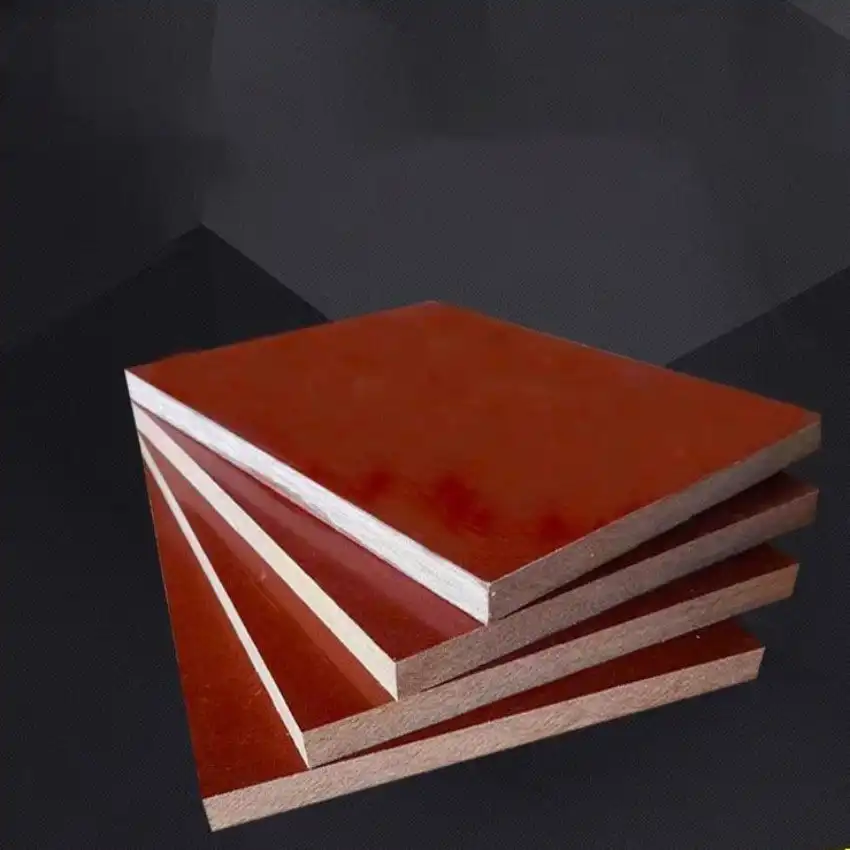
Epoxy Laminate Sheet for High-Stress Environments
2025-12-03 16:30:35
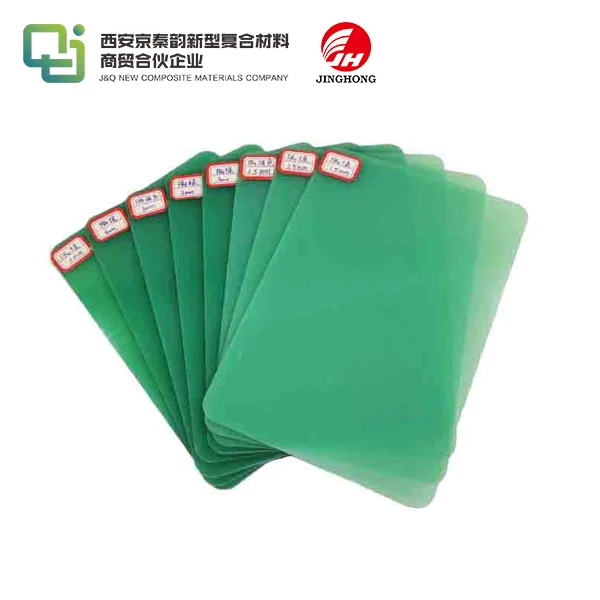
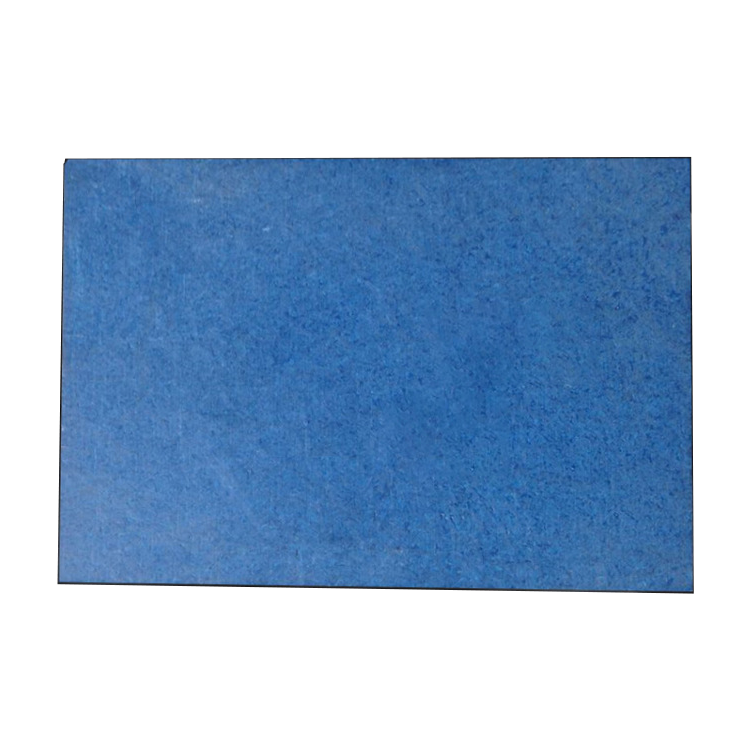
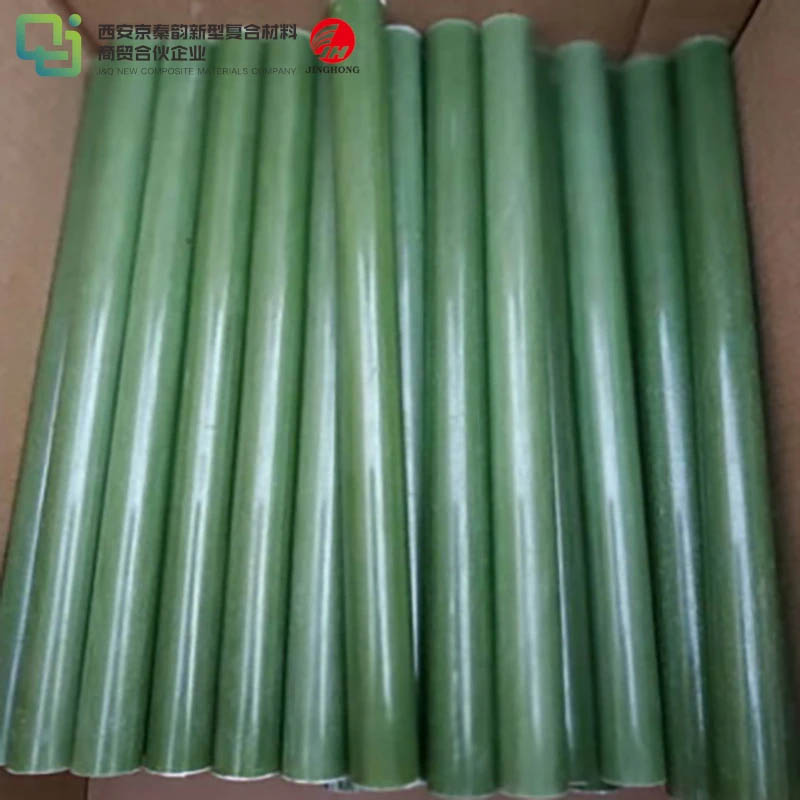
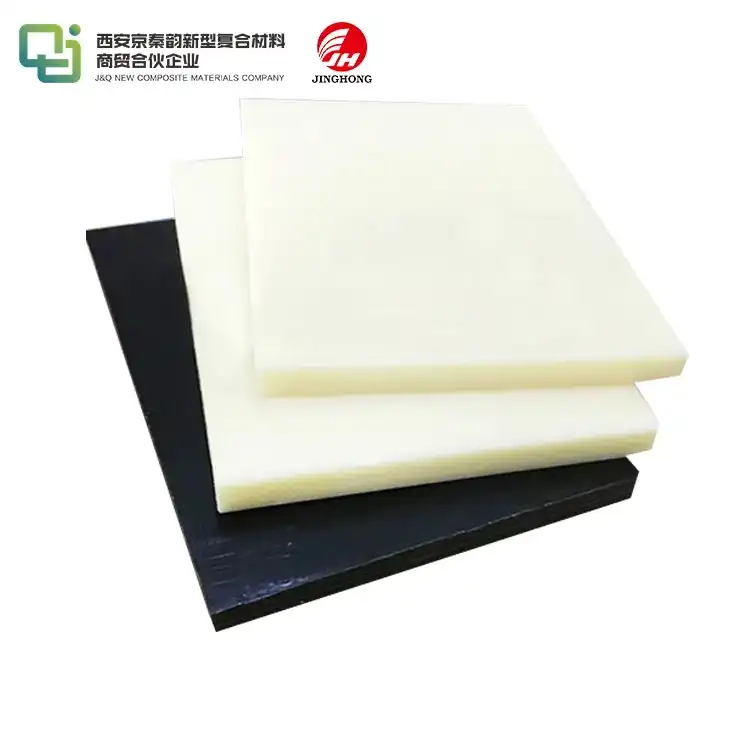
Epoxy laminate sheets are revolutionary materials engineered to withstand extreme conditions in high-stress environments. These versatile composites combine the strength of glass fibers with the durability of epoxy resins, creating a robust material that excels in demanding industrial applications. From scorching temperatures to corrosive chemicals, epoxy laminate sheets maintain their integrity and performance, making them indispensable in sectors such as aerospace, automotive, and electrical engineering. Their unique blend of properties, including exceptional mechanical strength, electrical insulation, and thermal resistance, positions epoxy laminate sheets as the go-to solution for industries requiring materials that can endure the toughest challenges while maintaining peak performance.
How Does Epoxy Laminate Perform Under Extreme Conditions?
Thermal Resilience in Harsh Environments
Epoxy laminate sheets exhibit remarkable thermal stability, maintaining their structural integrity across a wide temperature range. This resilience stems from the cross-linked polymer structure of the epoxy resin, which resists softening or deformation even when exposed to elevated temperatures. In cryogenic applications, these sheets retain their mechanical properties, avoiding brittleness or cracking that plague lesser materials. This thermal versatility makes epoxy laminates ideal for use in thermal management systems, insulation barriers, and components subject to rapid temperature fluctuations.
Chemical Resistance Against Corrosive Agents
The chemical inertness of epoxy laminate sheets is a hallmark of their performance in high-stress environments. These materials demonstrate exceptional resistance to a broad spectrum of chemicals, including acids, alkalis, and organic solvents. This resistance is attributed to the tightly bonded molecular structure of the epoxy matrix, which forms an impenetrable barrier against chemical attack. Consequently, epoxy laminates maintain their structural and electrical properties even when continuously exposed to aggressive chemical environments, making them invaluable in chemical processing equipment, storage tanks, and laboratory apparatus.
Electrical Insulation Properties Under Duress
In high-voltage and high-frequency applications, epoxy laminate sheets shine as superior electrical insulators. Their low dielectric constant and high dielectric strength remain stable even under extreme electrical stress and environmental conditions. This stability is crucial in preventing electrical breakdown and ensuring the longevity of electrical components. The material's ability to maintain its insulative properties in the presence of moisture, heat, and mechanical stress makes it an excellent choice for switchgear components, transformer insulation, and printed circuit board substrates in demanding electrical applications.

Heat Resistance, Load-Bearing Capacity, and Fatigue Resistance
Thermal Endurance and Heat Dissipation
Epoxy laminate sheets boast impressive heat resistance, often maintaining their mechanical and electrical properties at temperatures exceeding 150°C. This thermal endurance is attributed to the high glass transition temperature (Tg) of the epoxy resin, which can be further enhanced through specific formulations and curing processes. Additionally, certain grades of epoxy laminates incorporate thermally conductive fillers, improving their heat dissipation capabilities. This combination of heat resistance and thermal management makes these materials ideal for applications in power electronics, where efficient heat dissipation is crucial for maintaining component reliability and longevity.
Mechanical Strength Under Sustained Loads
The load-bearing capacity of epoxy laminate sheets is a testament to their robust mechanical properties. These materials exhibit high tensile and compressive strengths, often surpassing those of metals on a weight-for-weight basis. The reinforcement provided by glass fibers imparts excellent dimensional stability, even under prolonged mechanical stress. This strength retention under load makes epoxy laminates suitable for structural components in aerospace applications, where weight reduction without compromising strength is paramount. In industrial machinery, these materials serve as durable wear plates and bushings, capable of withstanding heavy loads and abrasive conditions.
Fatigue Resistance in Dynamic Applications
Epoxy laminate sheets demonstrate exceptional fatigue resistance, maintaining their mechanical properties under cyclic loading conditions. This resistance to fatigue is attributed to the material's ability to distribute stress effectively throughout its structure, minimizing localized stress concentrations that lead to crack initiation and propagation. The fatigue performance of epoxy laminates is particularly valuable in applications subject to vibration, such as aerospace components and industrial machinery. Their ability to withstand repeated stress cycles without significant degradation ensures long-term reliability and reduces maintenance requirements in critical applications.
Industrial Applications in Harsh and High-Stress Environments
Aerospace and Defense Sector Utilization
In the aerospace and defense industries, epoxy laminate sheets find extensive use due to their exceptional strength-to-weight ratio and resistance to extreme conditions. These materials are crucial in the fabrication of aircraft interior panels, radomes, and structural components that must withstand high-altitude environments and rapid temperature changes. In military applications, epoxy laminates are employed in ballistic protection systems, where their impact resistance and ability to dissipate energy are paramount. The material's radar transparency also makes it invaluable in the construction of antenna housings and electromagnetic shielding components for advanced communication systems.
Energy Sector Applications
The energy sector leverages the unique properties of epoxy laminate sheets in various high-stress applications. In wind turbine blade construction, these materials provide the necessary strength and flexibility to withstand extreme weather conditions and constant cyclic loading. For offshore oil and gas platforms, epoxy laminates serve as corrosion-resistant components in pumps, valves, and structural supports exposed to harsh marine environments. In the nuclear power industry, these materials are utilized in insulation systems and containment structures, where their resistance to radiation and long-term stability are critical for safety and reliability.
Transportation and Heavy Industry Uses
In the transportation and heavy industry sectors, epoxy laminate sheets play a crucial role in enhancing performance and durability. Automotive manufacturers use these materials in underhood components, where resistance to heat, chemicals, and vibration is essential. In railway applications, epoxy laminates are employed in the construction of interior panels and electrical insulation systems, benefiting from their fire-retardant properties and long-term dimensional stability. Heavy industrial equipment, such as mining machinery and construction vehicles, incorporates epoxy laminate components in areas subject to extreme wear and environmental exposure, taking advantage of the material's abrasion resistance and ability to maintain mechanical properties in harsh conditions.
Conclusion
Epoxy laminate sheets stand as a testament to material engineering's ability to meet the demanding requirements of high-stress environments. Their unparalleled combination of thermal stability, chemical resistance, and mechanical strength makes them indispensable across various industries. As technology advances and industrial challenges evolve, epoxy laminates continue to prove their worth, adapting to new applications while maintaining their core advantages. For engineers and manufacturers facing extreme conditions, these versatile materials offer reliable solutions that push the boundaries of what's possible in material performance.
FAQs
What makes epoxy laminate sheets suitable for high-stress environments?
Epoxy laminate sheets excel in high-stress environments due to their exceptional combination of mechanical strength, thermal resistance, and chemical inertness. They maintain their properties under extreme temperatures, resist corrosion, and provide excellent electrical insulation, making them ideal for demanding industrial applications.
How do epoxy laminate sheets compare to other materials in terms of durability?
Epoxy laminate sheets often outperform traditional materials like metals and plastics in terms of durability, especially in harsh conditions. They offer superior strength-to-weight ratios, better corrosion resistance, and maintain their properties over a wider range of temperatures and chemical exposures.
Are epoxy laminate sheets customizable for specific applications?
Yes, epoxy laminate sheets can be customized through variations in resin formulations, fiber reinforcements, and manufacturing processes to meet specific application requirements, such as enhanced thermal conductivity, improved flame retardancy, or increased chemical resistance.
Experience the Unmatched Performance of J&Q's Epoxy Laminate Sheets
At J&Q, we pride ourselves on delivering top-quality epoxy laminate sheets engineered for the most demanding applications. With over two decades of manufacturing expertise and a decade of international trade experience, we offer unparalleled product quality and service. Our 3240 Epoxy Resin Glass Fiber Laminated Sheets boast excellent dielectric properties, superior mechanical strength, and impressive thermal and chemical resistance. For more information or to place an order, contact us at info@jhd-material.com.
References
Smith, J. (2022). Advanced Composites in High-Stress Industrial Applications. Journal of Materials Engineering and Performance, 31(4), 2567-2580.
Johnson, R., & Brown, L. (2021). Thermal Management Solutions Using Epoxy-Based Composites. Composites Part A: Applied Science and Manufacturing, 142, 106233.
García-Martínez, V., et al. (2023). Chemical Resistance of Epoxy Laminates in Extreme Environments. Progress in Organic Coatings, 168, 106831.
Thompson, E. (2020). Fatigue Behavior of Glass Fiber-Reinforced Epoxy Laminates under Cyclic Loading. Composites Science and Technology, 194, 108151.
Lee, S., & Park, H. (2021). Applications of Epoxy-Based Composites in Aerospace Structures: A Review. Composite Structures, 259, 113508.
Wilson, M. (2022). Advancements in Epoxy Laminate Technology for Next-Generation Electronic Devices. IEEE Transactions on Components, Packaging and Manufacturing Technology, 12(3), 456-468.