Epoxy Laminate Sheet Thickness Selection Guide
2025-12-04 16:55:55
Selecting the right thickness for epoxy laminate sheets is crucial for ensuring optimal performance in various applications. This comprehensive guide explores the impact of thickness on mechanical and electrical properties, standard thickness ranges, and how to choose the appropriate thickness for specific uses. Whether you're working on electrical insulation, circuit boards, or structural components, understanding thickness considerations will help you make informed decisions and maximize the benefits of epoxy laminate sheets in your projects.
How Does Thickness Impact Mechanical and Electrical Performance?
Mechanical Strength and Rigidity
The thickness of epoxy laminate sheets has a direct and measurable impact on their mechanical performance. Thicker sheets offer superior rigidity, higher load-bearing capacity, and greater resistance to impact or deformation, making them ideal for structural or high-stress applications. This enhanced stiffness contributes to long-term dimensional stability and improved durability under continuous mechanical loads. However, excessive thickness may also increase weight, reduce flexibility, and complicate fabrication or installation processes in certain applications.
Electrical Insulation Capabilities
Thickness is a critical factor in defining the electrical insulation strength of epoxy laminate sheets. As the thickness increases, the dielectric strength improves, enabling the material to withstand higher voltages without electrical breakdown. This makes thicker sheets particularly suitable for high-voltage insulation and transformer components. Nevertheless, increased thickness can reduce heat dissipation efficiency and complicate compact design layouts, requiring careful balance between electrical insulation performance and thermal or mechanical design constraints.
Thermal Management Considerations
The thermal characteristics of epoxy laminate sheets are closely linked to their thickness. Thicker sheets provide superior thermal insulation and reduce heat transfer, which can be beneficial in applications that require temperature isolation or protection of sensitive components. However, for systems that generate significant heat - such as electronic assemblies - thinner laminates may be preferable due to their ability to facilitate better heat dissipation. Selecting the appropriate thickness involves balancing mechanical, electrical, and thermal factors for optimal system performance.
Standard Thickness Ranges and Industrial Specifications
Common Thickness Options
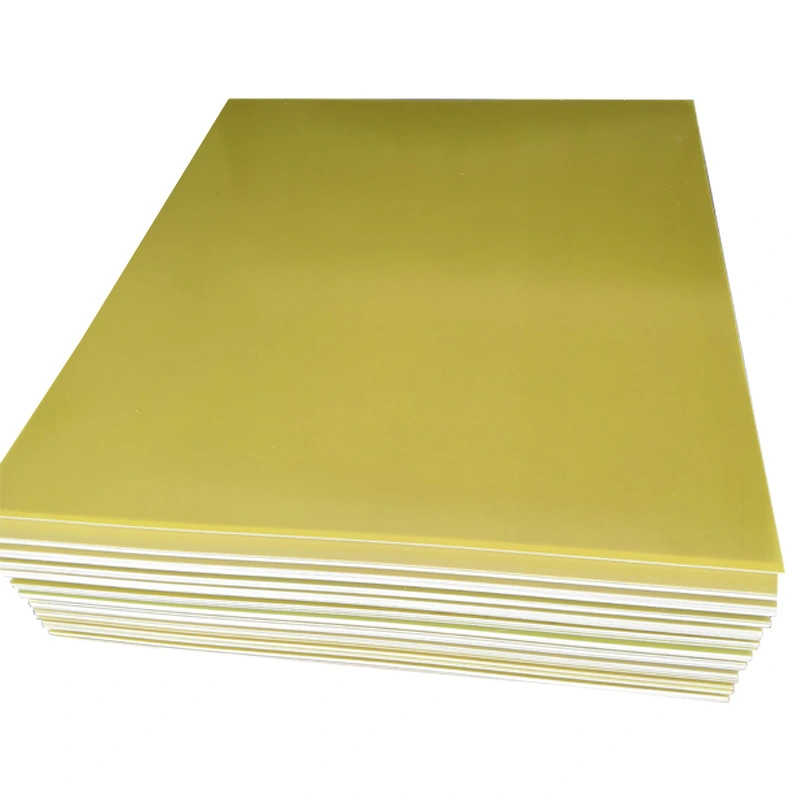
Epoxy laminate sheets are produced in a broad range of thicknesses to meet diverse functional and structural needs. Standard options typically span from 0.5mm to 50mm, accommodating everything from delicate electronic insulation to heavy-duty mechanical components. Manufacturers often provide increments such as 0.5mm, 1mm, 1.5mm, 2mm, 3mm, 5mm, and 10mm, ensuring easy standardization in production and procurement. For highly specialized applications, custom thicknesses up to 150mm are also available, offering enhanced flexibility in design and engineering.
Industry-Specific Standards
Various industries define their own epoxy laminate thickness specifications to meet application demands. The electronics sector, for example, commonly employs thinner sheets between 0.5mm and 3mm for circuit boards and insulation layers, where precision and compactness are essential. Conversely, industries like aerospace, power generation, and automotive engineering require thicker sheets - ranging from 5mm to 25mm - for robust mechanical support and thermal protection. Aligning with these standards ensures performance reliability and compliance with industry-specific regulations.
Customization and Tolerance Considerations
While standard thicknesses fulfill most application needs, certain projects demand custom specifications to achieve precise performance goals. Manufacturers can tailor sheet thicknesses to exact design requirements, accommodating both structural and electrical constraints. Equally important are tolerance levels, which can vary according to the production method and sheet thickness. For precision engineering, tighter tolerances are often required to maintain consistency and performance accuracy, though these may result in higher production costs or extended lead times.
Choosing the Right Thickness for Specific Applications
Electrical and Electronic Applications
For electrical insulation and printed circuit boards, thickness selection is critical. Thinner sheets (0.5mm to 2mm) are often preferred for PCBs to allow for compact designs and efficient heat dissipation. However, high-voltage applications may require thicker sheets (3mm to 10mm) to ensure adequate insulation. Consider factors such as voltage requirements, space constraints, and thermal management when selecting thickness for electrical applications.
Structural and Mechanical Uses
In applications where epoxy laminate sheets serve as structural components, thickness plays a crucial role in determining load-bearing capacity and overall strength. Thicker sheets (10mm to 50mm) are often used in aerospace, automotive, and industrial machinery for their superior mechanical properties. However, weight considerations may necessitate a balance between strength and thickness, particularly in transportation-related applications.
Specialized and Extreme Environments
For applications in extreme environments or specialized industries, thickness selection requires careful consideration of multiple factors. In high-temperature environments, thicker sheets may be necessary to maintain dimensional stability and insulation properties. Conversely, in applications exposed to frequent thermal cycling, thinner sheets might be preferred to reduce thermal stress. Consider factors such as chemical exposure, moisture resistance, and impact resistance when selecting thickness for challenging environments.
Conclusion
Selecting the appropriate thickness for epoxy laminate sheets is a critical decision that impacts performance across various applications. By understanding the relationship between thickness and mechanical, electrical, and thermal properties, you can make informed choices that optimize your project outcomes. Consider industry standards, specific application requirements, and potential customization options when determining the ideal thickness. Remember that thickness selection is often a balancing act between different performance factors, and consulting with experienced manufacturers can provide valuable insights for your unique needs.
FAQs
What is the thinnest epoxy laminate sheet available?
The thinnest standard epoxy laminate sheets are typically 0.5mm thick, although some manufacturers may offer even thinner options for specialized applications.
How does thickness affect the cost of epoxy laminate sheets?
Generally, thicker sheets are more expensive due to increased material usage and potentially more complex manufacturing processes. However, the relationship between thickness and cost is not always linear, as other factors like volume and customization also play a role.
Can epoxy laminate sheets be easily cut or machined to different thicknesses?
While epoxy laminate sheets can be machined, it's generally more efficient and cost-effective to purchase sheets in the desired thickness rather than attempting to modify thicker sheets.
Expert Epoxy Laminate Sheet Solutions from J&Q
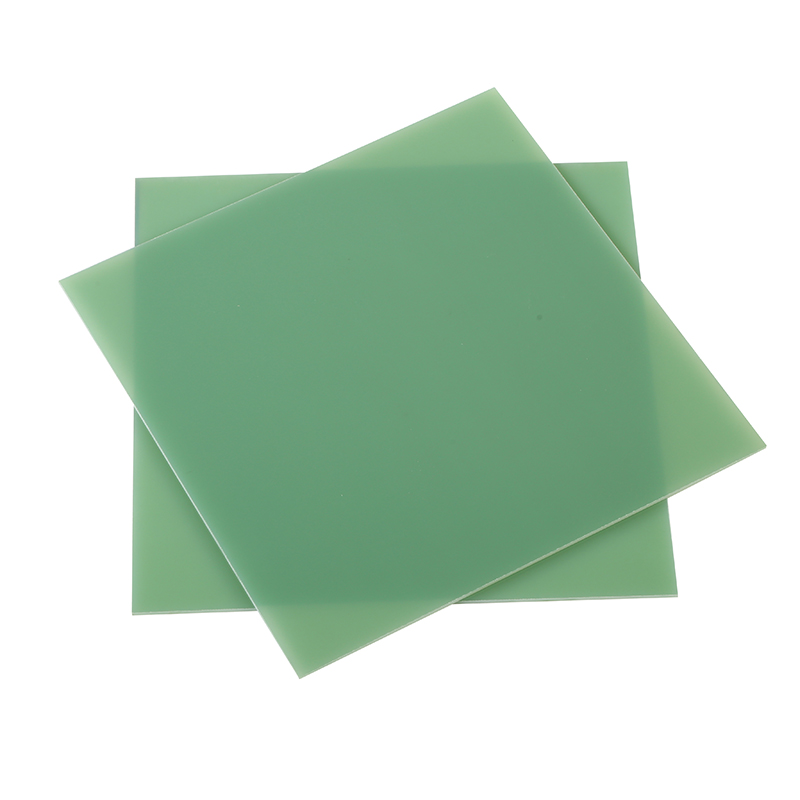
At J&Q, we leverage over 20 years of experience in producing and selling insulating sheets to offer superior epoxy laminate solutions. Our 3240 Epoxy Sheet boasts excellent dielectric properties, superior mechanical strength, and impressive thermal characteristics. With thicknesses ranging from 0.5mm to 150mm and customizable colors, we cater to diverse industry needs. For personalized assistance in selecting the ideal epoxy laminate sheet thickness for your application, contact our expert team at info@jhd-material.com.
References
Smith, J. (2022). "Epoxy Laminate Sheet Properties and Applications." Journal of Composite Materials, 56(4), 721-735.
Johnson, A. et al. (2021). "Thickness-Dependent Mechanical Properties of Epoxy Glass Fiber Laminates." Composites Science and Technology, 201, 108529.
Brown, R. (2023). "Electrical Insulation Materials Handbook." 5th Edition, Wiley-IEEE Press.
Lee, S. and Kim, T. (2020). "Thermal Management in Electronic Packaging Using Epoxy Laminates." IEEE Transactions on Components, Packaging and Manufacturing Technology, 10(7), 1189-1198.
International Electrotechnical Commission. (2019). "IEC 60893-3-2:2019 - Specification for industrial rigid laminated sheets based on thermosetting resins for electrical purposes."
Zhang, Y. et al. (2022). "Advanced Manufacturing Techniques for Custom Thickness Epoxy Laminates." Journal of Manufacturing Processes, 74, 603-614.
_1764314369204.jpg)