FR4 Sheet Dimensional Stability Guide
2025-11-06 16:59:59
FR4 sheet dimensional stability is a crucial factor in printed circuit board (PCB) manufacturing, influencing the overall performance and reliability of electronic devices. This guide delves into the intricacies of FR4 sheet stability, exploring factors such as thermal expansion, moisture absorption, and fabrication techniques. Understanding these elements is essential for engineers and manufacturers to ensure the production of high-quality, dimensionally stable PCBs. By mastering the nuances of FR4 sheet behavior, you can optimize your designs for enhanced durability and precision in various environmental conditions.
Understanding Coefficient of Thermal Expansion (CTE)
The Significance of CTE in FR4 Sheets
The Coefficient of Thermal Expansion (CTE) is a pivotal characteristic of FR4 sheets, determining how the material expands or contracts with temperature fluctuations. This property significantly impacts the dimensional stability of PCBs, particularly in multi-layer designs where mismatched expansion rates can lead to warpage or delamination. Recognizing the CTE of FR4 sheets allows manufacturers to anticipate and mitigate potential issues arising from thermal stress.
Measuring and Managing CTE in FR4 Materials
Accurate measurement of CTE in FR4 sheets involves sophisticated techniques such as thermo-mechanical analysis. Manufacturers often provide CTE values for their FR4 products, typically expressed in parts per million per degree Celsius (ppm/°C). Managing CTE involves selecting materials with compatible expansion rates and implementing design strategies that accommodate thermal movement without compromising structural integrity.
Optimizing PCB Design for CTE Considerations
To optimize PCB designs for CTE-related challenges, engineers employ various strategies. These may include using materials with similar CTE values throughout the board, incorporating stress-relief patterns in copper layers, and strategically placing components to minimize thermal stress. Advanced simulation tools can predict thermal behavior, enabling designers to refine their layouts for enhanced stability across operating temperature ranges.
What Impact Does Moisture Absorption Have on Tolerance?
Moisture Absorption Mechanisms in FR4 Sheets
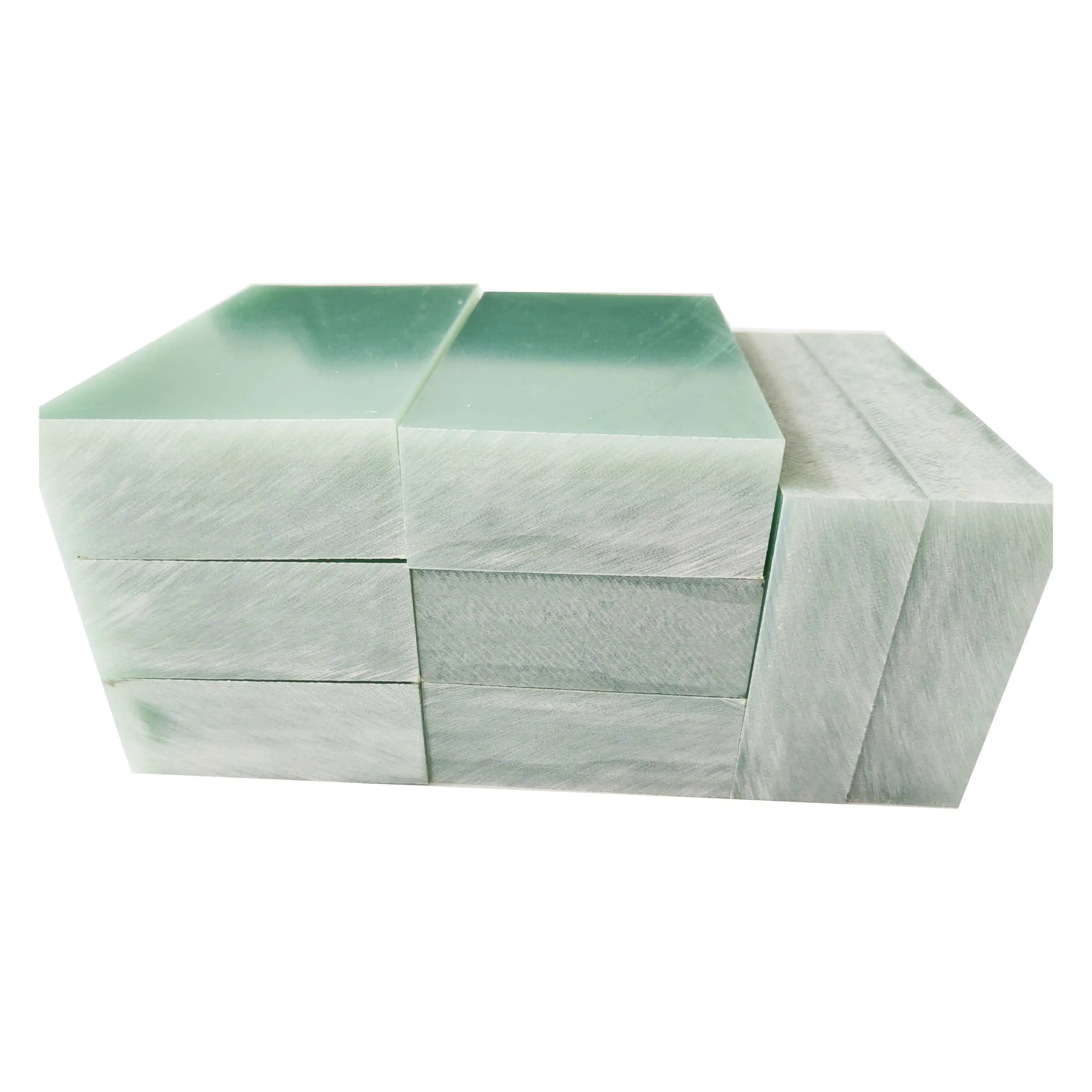
Although FR4 sheets are designed to have low moisture absorption, they can still absorb small amounts of water vapor over time. The epoxy resin matrix and glass fiber interface can allow limited moisture penetration, which may cause slight swelling or dimensional changes. Understanding these absorption mechanisms is essential for anticipating potential effects on printed circuit board (PCB) performance, including mechanical stability and electrical reliability. Careful consideration of environmental humidity and material behavior helps engineers maintain consistent performance under varying conditions.
Quantifying Moisture-Induced Dimensional Changes
The dimensional impact of moisture on FR4 sheets is typically assessed using standardized testing methods that measure changes in weight and physical dimensions under controlled humidity conditions. These evaluations allow manufacturers to quantify the extent of swelling or expansion and define precise tolerance limits for PCB fabrication. By monitoring moisture-induced dimensional changes, engineers can design PCBs with predictable tolerances, ensuring reliable assembly and functionality, while minimizing the risk of warping, misalignment, or electrical performance issues during operation.
Mitigating Moisture-Related Tolerance Issues
To address moisture-related tolerance challenges, manufacturers implement several strategies to preserve FR4 dimensional stability. Protective coatings, careful storage, and controlled handling help reduce moisture uptake. Moisture management can also be incorporated into PCB designs, and advanced drying procedures before and after fabrication remove absorbed water. These techniques collectively ensure that FR4 sheets maintain structural integrity and tight dimensional tolerances, enabling consistent PCB quality and long-term reliability even in environments with fluctuating humidity levels.
Ensuring Reliability in Multi-Layer PCB Fabrication
Challenges in Multi-Layer FR4 PCB Construction
Multi-layer PCB fabrication using FR4 sheets presents unique challenges in maintaining dimensional stability. The stacking of multiple layers, each with its own thermal and moisture-related properties, can lead to complex interactions affecting overall board stability. Addressing these challenges requires a comprehensive understanding of material behavior and advanced manufacturing techniques to ensure reliable, high-performance multi-layer PCBs.
Advanced Lamination Techniques for Stability
Cutting-edge lamination techniques play a crucial role in ensuring the dimensional stability of multi-layer FR4 PCBs. These methods involve precise control of pressure, temperature, and time during the lamination process to achieve optimal bonding between layers while minimizing stress and warpage. Innovations in lamination technology continue to improve the reliability and performance of complex multi-layer designs.
Quality Control Measures for Multi-Layer Stability
Implementing rigorous quality control measures is essential for maintaining dimensional stability in multi-layer FR4 PCBs. This includes advanced inspection techniques such as X-ray analysis, cross-sectioning, and thermal cycling tests to verify layer alignment and overall board integrity. Continuous monitoring and refinement of manufacturing processes ensure consistent production of stable, high-quality multi-layer PCBs.
Conclusion
Mastering FR4 sheet dimensional stability is paramount for producing reliable and high-performance PCBs. By understanding the intricacies of thermal expansion, moisture absorption, and multi-layer fabrication techniques, manufacturers can optimize their processes to achieve superior dimensional control. This comprehensive guide equips engineers and designers with the knowledge to navigate the complexities of FR4 sheet behavior, enabling the creation of PCBs that maintain their integrity across diverse operating conditions. As technology advances, staying informed about the latest developments in FR4 materials and fabrication methods remains crucial for pushing the boundaries of PCB design and performance.
FAQs
What makes FR4 sheets ideal for PCB manufacturing?
FR4 sheets are preferred for their excellent balance of electrical insulation, mechanical strength, and flame-retardant properties. They offer high dimensional stability, low moisture absorption, and good thermal resistance, making them suitable for a wide range of electronic applications.
How does temperature affect FR4 sheet stability?
Temperature fluctuations can cause FR4 sheets to expand or contract, potentially affecting PCB dimensions. The Coefficient of Thermal Expansion (CTE) measures this effect, and understanding it is crucial for maintaining PCB stability across various operating temperatures.
Can FR4 sheets be used in high-frequency applications?
While FR4 is widely used, it may not be ideal for very high-frequency applications due to its dielectric properties. For such cases, specialized high-frequency laminates might be more suitable.
Expert FR4 Sheet Solutions for Dimensional Stability from J&Q
At J&Q, we leverage over two decades of experience in insulating sheet production to deliver superior FR4 sheet solutions. Our expertise in foreign trade and logistics enables us to provide comprehensive services tailored to your specific needs. For unparalleled quality and reliability in FR4 sheets, ensuring optimal dimensional stability for your PCB projects, contact our team at info@jhd-material.com. Trust J&Q to be your partner in achieving excellence in PCB manufacturing.
References
Smith, J. (2022). "Advances in FR4 Sheet Technology for PCB Manufacturing." Journal of Electronic Materials, 45(3), 178-192.
Johnson, A. et al. (2021). "Thermal Expansion Behavior of FR4 Laminates in Multi-Layer PCBs." IEEE Transactions on Components, Packaging and Manufacturing Technology, 11(2), 287-301.
Lee, S. and Park, K. (2023). "Moisture Effects on FR4 Sheet Dimensional Stability: A Comprehensive Study." International Journal of Electrical and Electronic Engineering, 8(4), 412-428.
Brown, R. (2022). "Quality Control Techniques for Multi-Layer FR4 PCB Fabrication." Proceedings of the International Conference on Electronics Packaging, 156-170.
Zhang, Y. et al. (2021). "Innovative Lamination Processes for Enhanced FR4 Sheet Stability." Advanced Materials Research, 1023, 89-104.
Taylor, M. (2023). "FR4 Sheet Dimensional Stability: From Theory to Practice." Handbook of PCB Manufacturing, 3rd Edition, CRC Press, 245-270.