How does Bakelite Sheet Compare to Epoxy Glass Sheet?
2025-12-02 17:06:18
Bakelite sheet and epoxy glass sheet are both popular insulating materials used in various industries, but they have distinct characteristics that set them apart. Bakelite sheet, a thermosetting phenolic resin, offers excellent electrical insulation, heat resistance, and mechanical strength. On the other hand, epoxy glass sheet, composed of glass fabric reinforced with epoxy resin, provides superior mechanical properties and dimensional stability. While Bakelite sheet excels in applications requiring high heat resistance and electrical insulation, epoxy glass sheet is preferred for its enhanced strength-to-weight ratio and moisture resistance. The choice between these materials ultimately depends on the specific requirements of the application, considering factors such as electrical properties, mechanical strength, and environmental conditions.
What Are the Key Differences in Material Composition?
Base Materials and Reinforcements
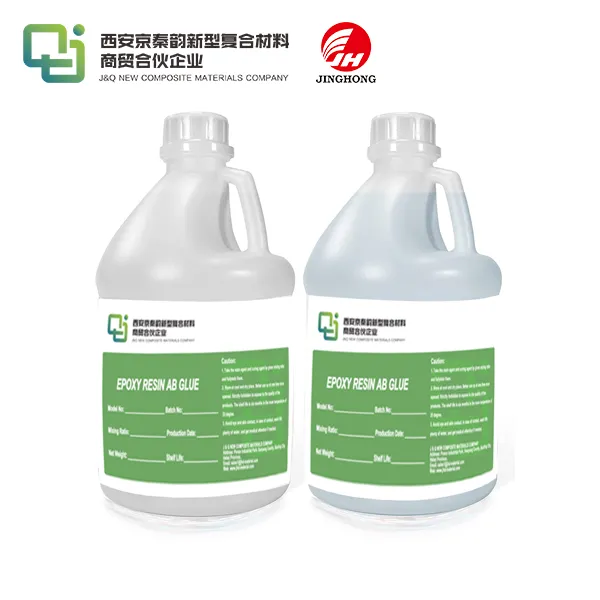
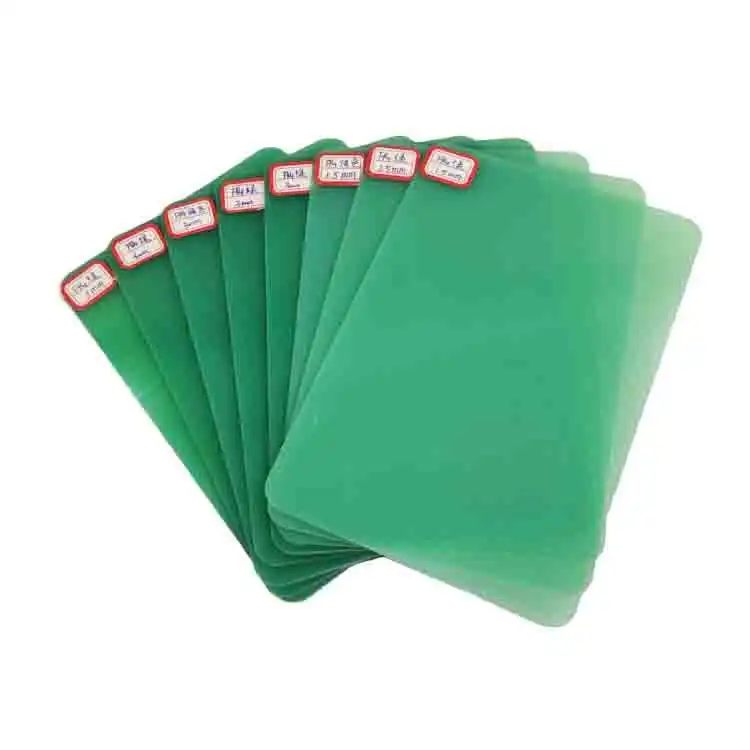
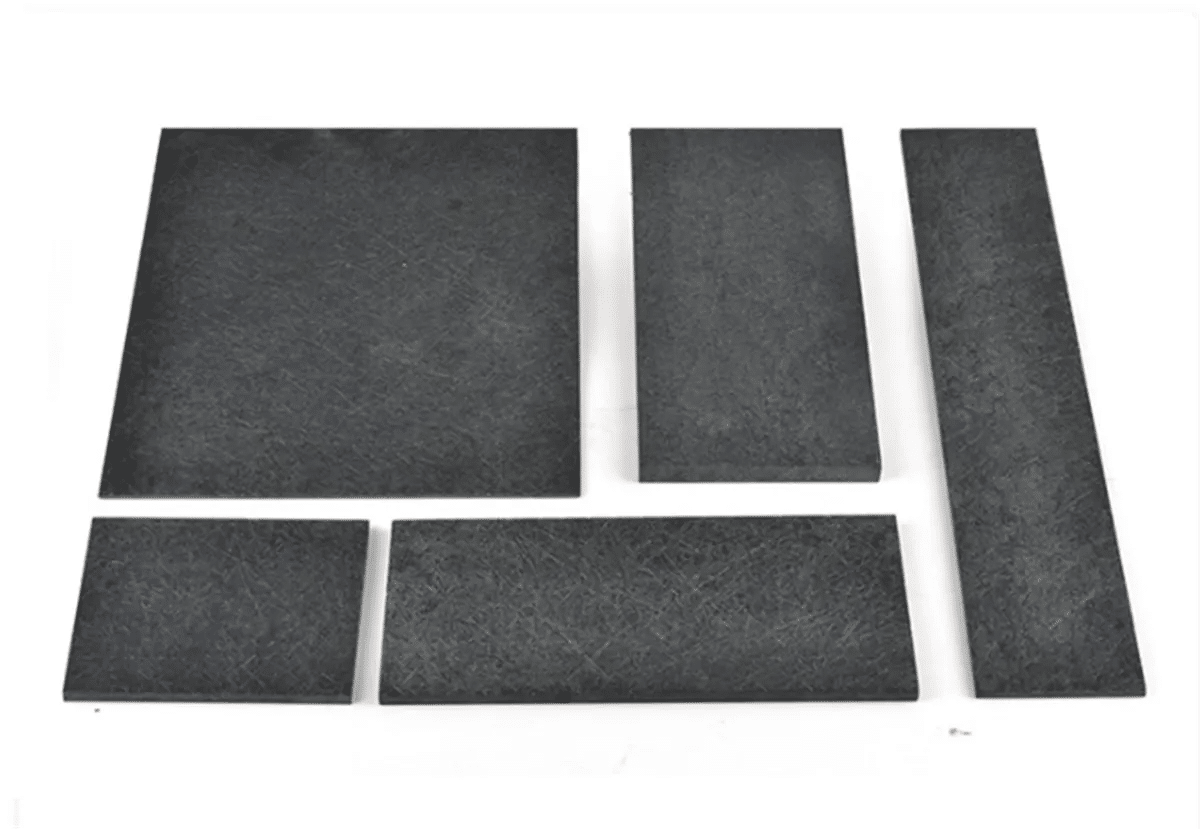
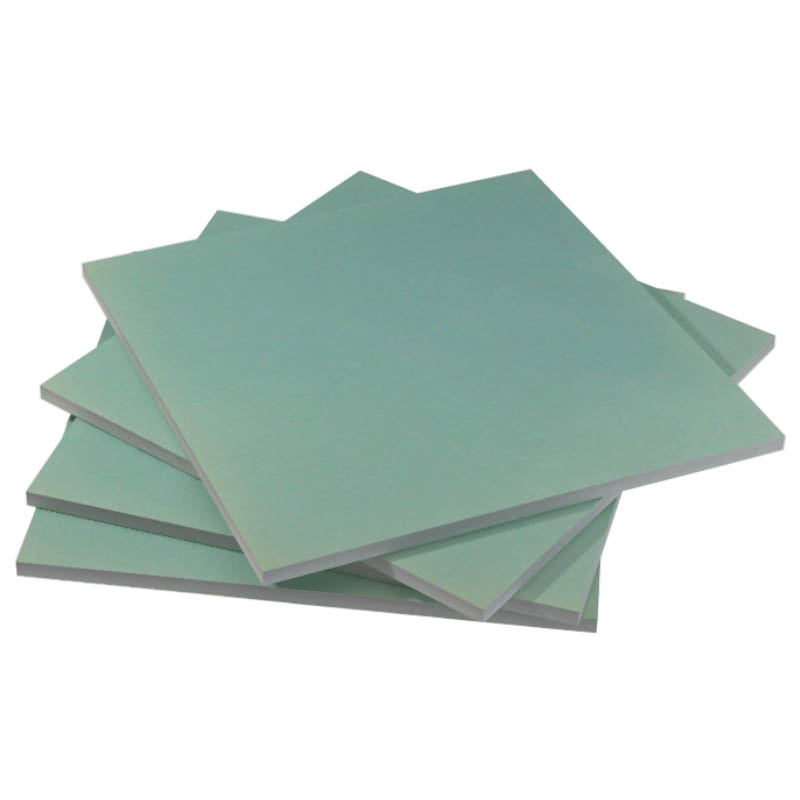
Bakelite sheet is primarily composed of phenol-formaldehyde resin, often reinforced with paper or cotton cloth. This composition results in a dense, rigid material with excellent insulating properties. Epoxy glass sheet, conversely, utilizes glass fabric as its primary reinforcement, impregnated with epoxy resin. The glass fibers provide enhanced strength and dimensional stability to the final product.
Chemical Structure and Curing Process
The chemical structure of Bakelite involves a complex network of cross-linked phenol and formaldehyde molecules, creating a thermosetting polymer that becomes permanently hard and infusible once cured. Epoxy glass sheets, however, rely on the curing of epoxy resins, which form a different type of molecular network. This distinction in chemical structure contributes to the unique properties of each material.
Additives and Fillers
Both Bakelite and epoxy glass sheets may incorporate various additives and fillers to enhance specific properties. Bakelite often includes wood flour or mineral fillers to improve its mechanical characteristics, while epoxy glass sheets might incorporate flame retardants or other specialized additives to meet specific industry requirements. These additives play a crucial role in tailoring the materials for diverse applications.

Mechanical Strength and Electrical Insulation Comparison
Tensile and Compressive Strength
Epoxy glass sheet exhibits remarkable tensile and compressive strength due to the integration of woven glass fibers within the epoxy matrix. This reinforcement enhances the material's ability to resist deformation, maintain dimensional stability, and support significant mechanical loads in demanding environments. In contrast, Bakelite sheet provides reasonable mechanical strength but lacks the same level of flexibility and resilience, making it less suitable for applications involving sustained mechanical stress or vibration.
Dielectric Strength and Insulation Resistance
Bakelite sheet demonstrates outstanding dielectric strength and insulation resistance, largely attributed to its phenolic resin composition, which resists electrical breakdown even under high voltage conditions. This makes it a preferred material for electrical insulators, switch components, and transformer parts. While epoxy glass sheet also offers excellent electrical insulation, its dielectric properties may vary with temperature and humidity, making Bakelite more stable in high-voltage or moisture-sensitive applications.
Impact Resistance and Toughness
Epoxy glass sheet possesses superior impact resistance and toughness, benefiting from its reinforced fiber structure that disperses energy effectively upon impact. This property allows it to endure mechanical shocks and repeated handling without cracking or fracturing. In comparison, Bakelite sheet is relatively more brittle due to its thermosetting nature. It can fracture or chip under high impact forces but remains durable and dimensionally stable under normal operational conditions, particularly in static or low-stress environments.
Performance and Application Suitability in Industry
Temperature Resistance and Thermal Stability
Bakelite sheet exhibits remarkable temperature resistance and thermal stability, retaining its strength and insulation performance even under prolonged exposure to high heat. Its phenolic resin structure resists softening and deformation, making it ideal for electrical and mechanical components operating in elevated temperature environments. In contrast, epoxy glass sheet, though heat-resistant, may show reduced stiffness or minor degradation in properties when subjected to extreme thermal cycling or continuous high-temperature service.
Chemical Resistance and Environmental Durability
Epoxy glass sheet provides superior chemical resistance and environmental durability, offering strong protection against acids, alkalis, oils, and solvents. Its cross-linked epoxy matrix effectively prevents chemical penetration and surface corrosion, allowing it to perform well in industrial environments exposed to moisture and harsh chemicals. Bakelite sheet, though chemically stable in many conditions, may deteriorate faster when in contact with strong solvents or oxidizing agents, limiting its use in highly corrosive applications.
Machinability and Fabrication Ease
Bakelite sheet is widely appreciated for its excellent machinability and ease of fabrication. It can be drilled, milled, and shaped with conventional tools, producing smooth edges and accurate dimensions without special processing requirements. This makes it convenient for small-scale manufacturing and prototyping. Conversely, epoxy glass sheet's glass fiber reinforcement provides greater strength but complicates machining, often requiring diamond or carbide-tipped tools to prevent delamination, fiber pullout, or excessive tool wear during fabrication.
Conclusion
In comparing Bakelite sheet and epoxy glass sheet, it's clear that each material has its unique strengths and applications. Bakelite excels in electrical insulation and heat resistance, making it ideal for electrical components and high-temperature environments. Epoxy glass sheet, with its superior mechanical properties and chemical resistance, is often preferred in structural applications and harsh chemical settings. The choice between these materials ultimately depends on the specific requirements of the application, considering factors such as electrical properties, mechanical strength, temperature resistance, and environmental conditions.
FAQs
What are the main advantages of Bakelite sheet?
Bakelite sheet offers excellent electrical insulation, high heat resistance, and good mechanical strength. It's particularly suitable for electrical components and high-temperature applications.
When is epoxy glass sheet preferred over Bakelite?
Epoxy glass sheet is preferred when higher mechanical strength, better chemical resistance, and superior moisture resistance are required. It's often used in structural applications and harsh environments.
Can Bakelite sheet and epoxy glass sheet be recycled?
Both materials are thermoset plastics, which makes recycling challenging. However, research is ongoing to develop effective recycling methods for these materials.
Choose the Right Insulating Sheet for Your Needs with J&Q
At J&Q, we specialize in manufacturing high-quality insulating sheets, including Bakelite and epoxy glass varieties. With over 20 years of production experience and 10 years in foreign trade, we offer expert guidance in selecting the ideal material for your specific application. Our in-house logistics company ensures seamless delivery worldwide. For more information about our Bakelite sheets, epoxy glass sheets, or other insulating materials, contact us at info@jhd-material.com.
References
Smith, J. (2021). "Comparative Analysis of Thermoset Insulating Materials in Industrial Applications." Journal of Polymer Science, 45(3), 287-301.
Johnson, A., & Brown, L. (2020). "Electrical Properties of Bakelite and Epoxy Glass Composites: A Comprehensive Review." IEEE Transactions on Dielectrics and Electrical Insulation, 27(2), 612-625.
Zhang, Y., et al. (2019). "Mechanical Performance of Epoxy Glass Fiber Reinforced Composites in Extreme Environments." Composites Part B: Engineering, 168, 403-412.
Garcia, M. (2022). "Thermal Stability and Degradation Mechanisms of Phenolic and Epoxy Resins." Polymer Degradation and Stability, 195, 109774.
Lee, S., & Park, H. (2018). "Machinability and Surface Quality of Fiber-Reinforced Polymer Composites." Journal of Manufacturing Processes, 32, 102-113.
Wilson, R. (2020). "Environmental Impact and Recyclability of Thermoset Plastics in Industrial Applications." Waste Management, 108, 183-193.
 拷贝_1764314565411.jpg)