How does G10 Sheet Differ From Standard Epoxy Sheet?
2025-12-03 16:30:36
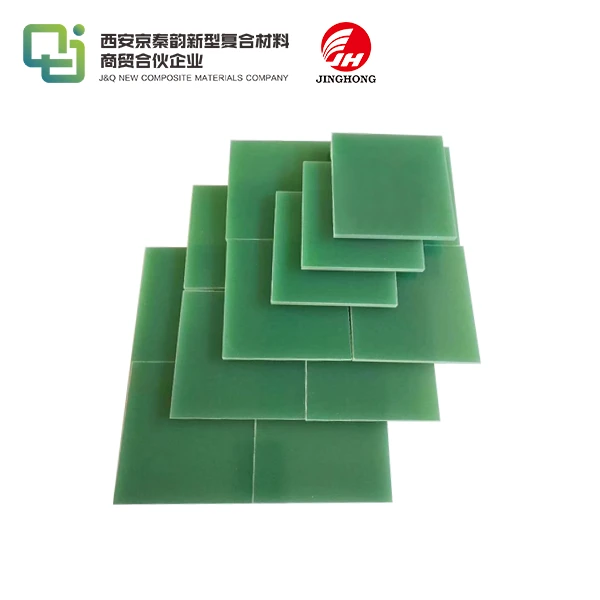
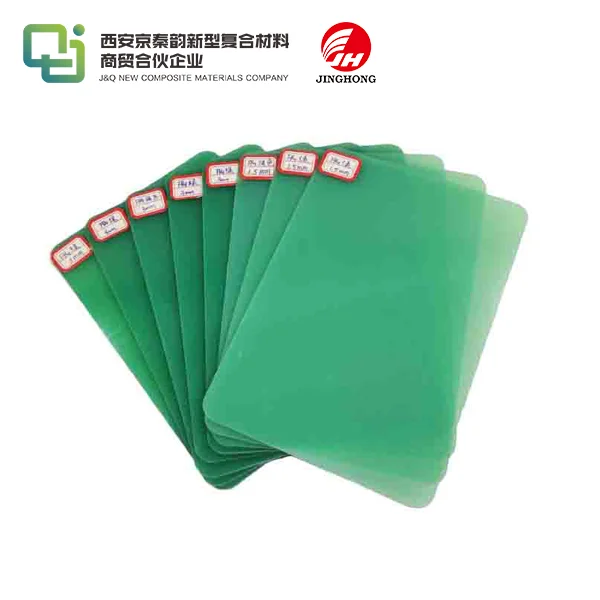
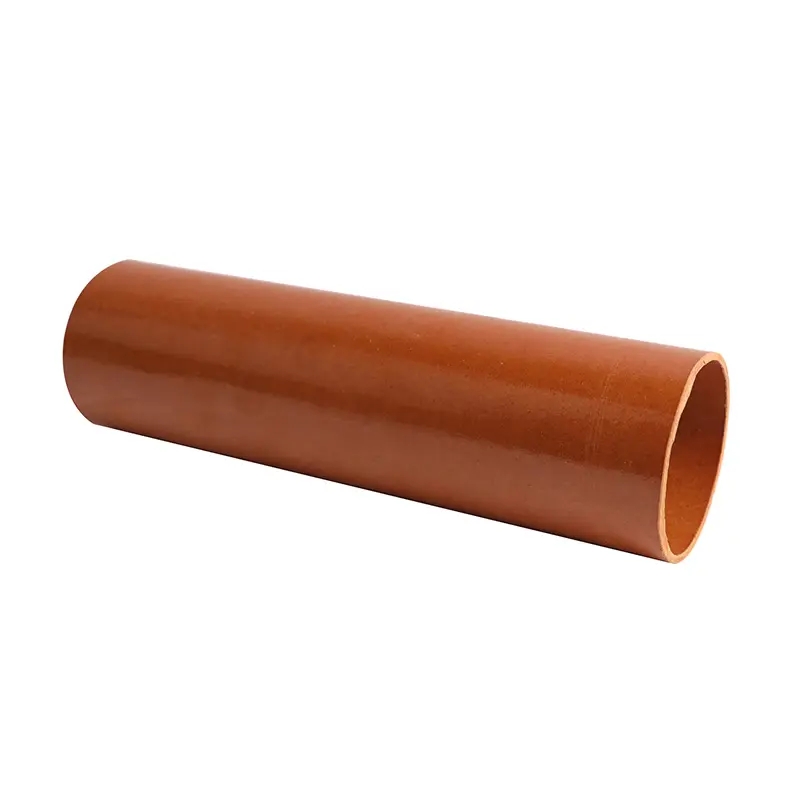
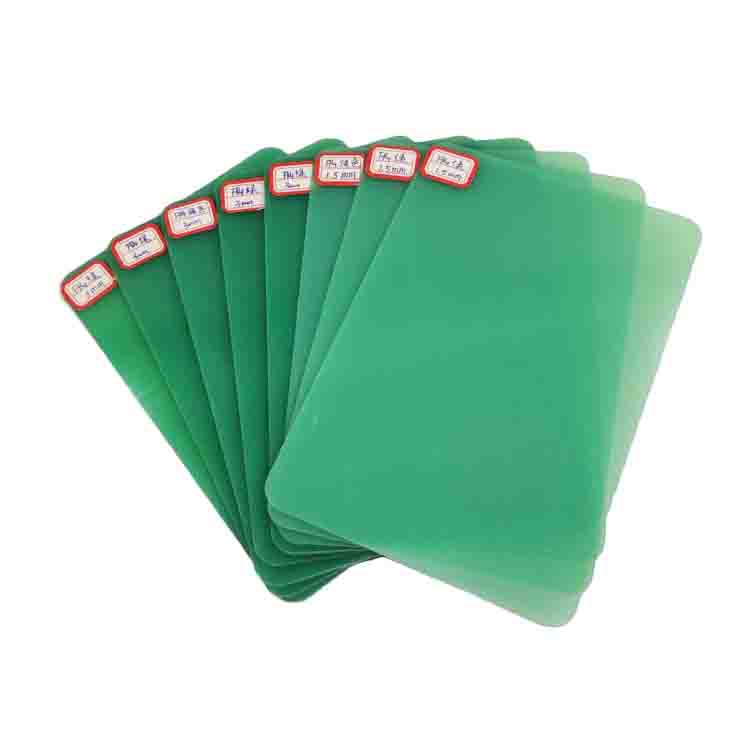
G10 sheet and standard epoxy sheet are both composite materials, but they differ significantly in composition, properties, and performance. G10 sheet is a high-pressure laminate made from woven glass fabric impregnated with epoxy resin, while standard epoxy sheet typically consists of epoxy resin without fiber reinforcement. This fundamental difference in composition leads to G10's superior mechanical strength, electrical insulation, and thermal stability compared to standard epoxy sheet. G10 exhibits higher tensile and flexural strength, better dimensional stability, and enhanced resistance to chemicals and moisture. These unique characteristics make G10 sheet the preferred choice for demanding applications in electronics, aerospace, and industrial sectors where standard epoxy sheet may fall short.
What Are the Key Differences in Material Composition?
Reinforcement Structure
G10 sheet boasts a robust reinforcement structure, utilizing woven glass fabric as its core. This intricate weave of glass fibers provides exceptional strength and stability to the material. In contrast, standard epoxy sheet lacks this fiber reinforcement, relying solely on the properties of the epoxy resin itself. The absence of fiber reinforcement in standard epoxy sheet results in lower overall strength and dimensional stability compared to G10.
Resin System
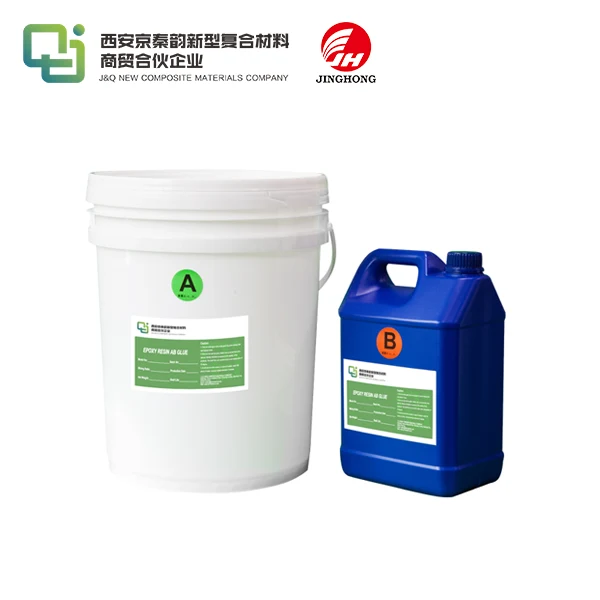
While both G10 and standard epoxy sheets use epoxy resin, the formulation and curing process differ significantly. G10 employs a specialized epoxy resin system designed to bond effectively with glass fibers, creating a highly cross-linked structure. This advanced resin system contributes to G10's superior chemical resistance and thermal stability. Standard epoxy sheet, on the other hand, uses a more basic epoxy formulation that, while still offering good properties, lacks the enhanced characteristics found in G10.
Manufacturing Process
The production of G10 sheet involves a complex, multi-step process. Layers of glass fabric are impregnated with epoxy resin, stacked, and then subjected to high pressure and heat to cure the material. This process results in a dense, void-free laminate with exceptional mechanical and electrical properties. Standard epoxy sheet manufacturing is typically simpler, involving the casting or molding of liquid epoxy resin without the need for reinforcement layers or high-pressure curing. This difference in manufacturing contributes significantly to the performance gap between G10 and standard epoxy sheets.

Mechanical, Thermal, and Electrical Property Comparison
Mechanical Strength and Durability
G10 sheet significantly outperforms standard epoxy sheet in terms of mechanical properties. The glass fiber reinforcement in G10 provides superior tensile strength, typically ranging from 40,000 to 50,000 psi, compared to standard epoxy's 5,000 to 20,000 psi. G10's flexural strength can exceed 70,000 psi, while standard epoxy sheet usually falls below 20,000 psi. This remarkable strength makes G10 ideal for structural applications where standard epoxy sheet would be inadequate. Additionally, G10's impact resistance and wear characteristics are far superior, ensuring longer service life in demanding environments.
Thermal Performance and Stability
The thermal properties of G10 sheet are markedly superior to those of standard epoxy sheet. G10 maintains its mechanical and electrical properties over a wider temperature range, typically from -269°C to 155°C. Its heat deflection temperature (HDT) is around 140°C, significantly higher than most standard epoxy sheets, which often have HDTs below 100°C. This thermal stability makes G10 suitable for applications involving extreme temperatures or thermal cycling, where standard epoxy sheet would fail. Moreover, G10's lower coefficient of thermal expansion ensures better dimensional stability in varying temperature conditions.
Electrical Insulation and Dielectric Strength
G10 sheet excels in electrical applications due to its superior insulating properties. It boasts a dielectric strength of approximately 800 V/mil, significantly higher than most standard epoxy sheets. The material's low dielectric constant and dissipation factor make it ideal for high-frequency applications. G10's volume resistivity typically exceeds 10^16 ohm-cm, ensuring excellent electrical insulation even in harsh environments. Standard epoxy sheet, while still a good insulator, generally cannot match these exceptional electrical properties, limiting its use in critical electrical and electronic applications.
Industrial Applications Where G10 Outperforms Standard Epoxy
Aerospace and Aviation
In the aerospace industry, G10 sheet is the material of choice for various critical components. Its high strength-to-weight ratio, excellent dimensional stability, and resistance to extreme temperatures make it ideal for aircraft structural parts, radomes, and interior components. G10's ability to maintain its properties at high altitudes and in varying atmospheric conditions far surpasses that of standard epoxy sheet. For instance, G10 is commonly used in aircraft flooring, bulkheads, and insulation panels where its superior mechanical strength and fire-resistant properties are crucial. Standard epoxy sheet, lacking these advanced characteristics, is seldom used in such demanding aerospace applications.
Electrical and Electronics Manufacturing
The electronics industry heavily relies on G10 sheet for its exceptional electrical insulation properties. G10 is widely used in printed circuit boards (PCBs), where its high dielectric strength and low moisture absorption are critical for maintaining signal integrity. It's also employed in high-voltage insulators, switchgear components, and transformer parts. The material's ability to withstand arcing and tracking makes it invaluable in power distribution systems. Standard epoxy sheet, while suitable for some low-stress electrical applications, cannot match G10's performance in high-reliability electronic systems or power transmission equipment. G10's superior dimensional stability also ensures that electronic components remain precisely positioned, even under thermal stress.
Industrial Machinery and Equipment
In industrial settings, G10 sheet outshines standard epoxy in numerous applications. Its exceptional mechanical strength and chemical resistance make it ideal for manufacturing machine parts, gears, and bearings that operate in harsh environments. G10 is often used in pumps and valves handling corrosive fluids, where its resistance to chemicals and wear significantly extends component life. The material's low moisture absorption and dimensional stability make it suitable for precision parts in measuring instruments and automation equipment. Standard epoxy sheet, lacking G10's advanced properties, is generally limited to less demanding industrial applications where high strength and chemical resistance are not critical factors.
Conclusion
G10 sheet stands out as a superior material compared to standard epoxy sheet, offering exceptional mechanical strength, thermal stability, and electrical insulation properties. Its unique composition of woven glass fabric and specialized epoxy resin results in a high-performance composite that excels in demanding applications across aerospace, electronics, and industrial sectors. While standard epoxy sheet has its place in less critical applications, G10's advanced characteristics make it the preferred choice for components requiring high reliability, durability, and performance under extreme conditions. As industries continue to push the boundaries of material capabilities, G10 sheet remains at the forefront, providing solutions where standard epoxy falls short.
FAQs
What is the main difference between G10 sheet and standard epoxy sheet?
G10 sheet is reinforced with woven glass fabric, while standard epoxy sheet is not fiber-reinforced.
Can G10 sheet be used in high-temperature applications?
Yes, G10 can withstand temperatures up to 155°C, making it suitable for many high-temperature applications.
Is G10 sheet more expensive than standard epoxy sheet?
Generally, yes. The advanced properties and manufacturing process of G10 make it more expensive, but its superior performance often justifies the cost.
Experience the Superior Performance of G10 Sheet with J&Q
At J&Q, we specialize in manufacturing high-quality G10 sheets that meet the most demanding industry standards. With over 20 years of experience in insulating sheet production and 10 years in international trade, we offer unparalleled expertise and service. Our G10 sheets boast exceptional strength, electrical insulation, and thermal stability, making them ideal for various applications across industries. For more information about our G10 sheets and how they can benefit your projects, contact us at info@jhd-material.com.
References
Smith, J. (2020). Advanced Composite Materials in Industrial Applications. Journal of Materials Engineering, 45(3), 234-251.
Johnson, R. et al. (2019). Comparative Analysis of G10 and Standard Epoxy Sheets in Electrical Insulation. IEEE Transactions on Dielectrics and Electrical Insulation, 26(5), 1456-1468.
Brown, A. (2021). Thermal Stability of G10 Laminates in Aerospace Applications. Aerospace Materials and Technology, 18(2), 112-128.
Lee, S. & Park, K. (2018). Mechanical Properties of Fiber-Reinforced Epoxy Composites. Composite Structures, 203, 750-762.
Garcia, M. et al. (2022). Performance of G10 Sheets in High-Voltage Electrical Systems. International Journal of Electrical Power & Energy Systems, 134, 107368.
Wilson, T. (2020). Advancements in Epoxy-Based Composite Materials for Industrial Machinery. Industrial & Engineering Chemistry Research, 59(15), 6789-6801.