How to Recycle Bakelite Sheets?
2025-12-04 16:55:56
Recycling Bakelite sheets presents unique challenges due to their thermoset nature, but several methods have emerged to give this durable material new life. The most common approach involves mechanical grinding to create filler material for new composite products. Advanced techniques like pyrolysis can break down Bakelite into its chemical components for reuse. Some specialized facilities also employ solvolysis to dissolve and recover the phenol and formaldehyde constituents. While not as straightforward as recycling thermoplastics, these processes allow for the responsible disposal and partial recovery of resources from Bakelite sheets, reducing environmental impact.
What Are the Challenges with Thermoset Polymer Recycling?
Chemical Structure Complexities
Bakelite sheets are composed of a densely crosslinked thermoset polymer network that provides exceptional mechanical strength and thermal stability. This three-dimensional molecular structure, while beneficial for performance, is nearly impossible to reverse once cured. Unlike thermoplastics that can soften and reform under heat, Bakelite retains its rigid form even at elevated temperatures. The irreversible nature of these chemical bonds prevents traditional recycling methods such as remelting, making chemical depolymerization or mechanical recovery extremely challenging and energy-intensive.
Limited Reprocessing Options
The non-meltable nature of Bakelite sheet significantly limits reprocessing methods typically used in plastic recycling. Since it cannot be reformed through heating or extrusion, the material must instead be mechanically ground into fine particles or chemically treated to reclaim usable components. Such processes are labor-intensive, costly, and often yield materials of lower quality. As a result, most Bakelite waste ends up being repurposed into filler materials or used in energy recovery rather than true material recycling, underscoring the urgent need for innovative thermoset recycling technologies.
Contamination Concerns
Bakelite formulations often incorporate a variety of additives such as fibers, pigments, and fillers to enhance mechanical, thermal, or electrical properties. These additives complicate recycling efforts by introducing impurities that interfere with both mechanical and chemical recovery processes. During breakdown, these foreign substances can cause inconsistent material composition and poor recyclate quality. Effective separation of these components requires advanced sorting, solvent extraction, or pyrolysis-based purification methods, each adding complexity and cost to an already difficult recycling process.
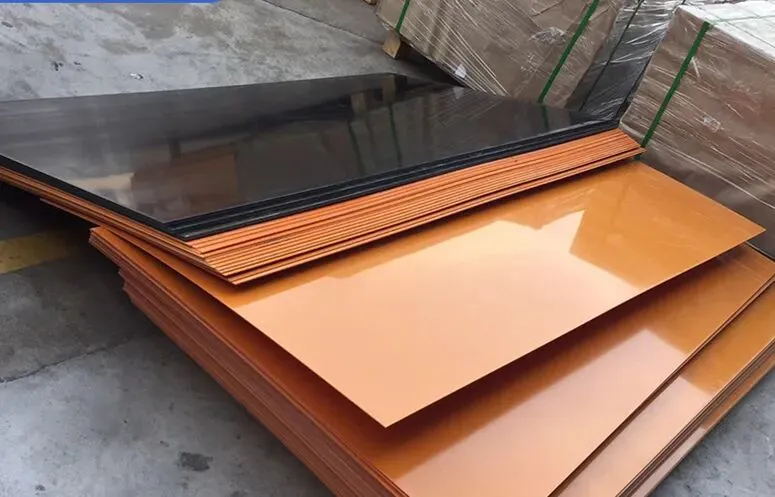
Mechanical Grinding for Use as Filler Material
Particle Size Reduction
The first step in mechanically recycling Bakelite sheets involves reducing them to smaller particles. This process typically employs industrial grinders or mills capable of breaking down the tough, brittle material into fine powder or granules. The particle size can be controlled to suit different applications, ranging from coarse aggregates to fine fillers. This grinding process preserves the chemical structure of the Bakelite while transforming it into a more versatile form for reuse.
Composite Material Applications
Ground Bakelite finds new life as a filler in various composite materials. Its excellent electrical insulation properties and heat resistance make it particularly valuable in certain specialized applications. For instance, ground Bakelite can be incorporated into new thermoset or thermoplastic matrices to create composite materials with enhanced properties. These composites may exhibit improved strength, thermal stability, or electrical insulation characteristics, depending on the specific formulation and manufacturing process.
Industrial Uses of Recycled Bakelite
The recycled Bakelite filler material finds applications across various industries. In the automotive sector, it can be used in the production of brake pads, offering improved heat resistance and durability. The electronics industry may utilize it in the manufacture of circuit boards or insulating components. Additionally, the construction industry can incorporate recycled Bakelite into certain building materials, leveraging its fire-resistant properties. These industrial applications not only give new purpose to recycled Bakelite but also reduce the demand for virgin materials in these sectors.
How Does Pyrolysis Enable Chemical Recovery?
Thermal Decomposition Process
Pyrolysis offers a more advanced approach to recycling Bakelite sheets by breaking them down into their chemical constituents. This process involves heating the material in an oxygen-free environment to high temperatures, typically between 300°C and 900°C. The intense heat causes the complex polymer structure of Bakelite to decompose into simpler molecules. This thermal decomposition occurs without combustion, allowing for the recovery of valuable chemical components rather than simply burning the material for energy recovery.
Recovered Chemical Products
The pyrolysis of Bakelite sheets yields several useful chemical products. The primary components recovered include phenol and formaldehyde, the original building blocks of Bakelite. Additionally, the process can produce a range of aromatic compounds and gases with potential industrial applications. These recovered chemicals can serve as raw materials for the production of new phenolic resins or other chemical products, effectively closing the loop in the lifecycle of Bakelite materials.
Environmental Considerations
While pyrolysis offers a promising method for chemical recovery from Bakelite sheets, it's essential to consider the environmental implications. The process requires significant energy input, which must be balanced against the benefits of resource recovery. Additionally, the gaseous byproducts of pyrolysis may require further treatment to prevent air pollution. However, when properly managed, pyrolysis can significantly reduce the environmental impact of Bakelite waste by recovering valuable chemicals and reducing the volume of material sent to landfills.
Conclusion
Recycling Bakelite sheets presents unique challenges due to their thermoset nature, but innovative approaches are making it increasingly feasible. From mechanical grinding for use as filler material to advanced pyrolysis techniques for chemical recovery, these methods offer sustainable alternatives to landfilling. As technology advances, we can expect even more efficient and environmentally friendly ways to recycle this durable material. By embracing these recycling methods, we not only reduce waste but also conserve valuable resources, contributing to a more circular economy in the plastics industry.
FAQs
Can Bakelite sheets be recycled like other plastics?
Unlike thermoplastics, Bakelite sheets cannot be melted and reshaped. However, they can be recycled through mechanical grinding or chemical processes like pyrolysis.
What are the main applications for recycled Bakelite?
Recycled Bakelite is often used as filler in composite materials, in the production of brake pads, circuit boards, and certain building materials.
Is recycling Bakelite sheets environmentally friendly?
While recycling Bakelite requires energy, it's generally more environmentally friendly than landfilling, as it recovers valuable resources and reduces waste.
Your Trusted Bakelite Sheet Manufacturer - J&Q
At J&Q, we are a professional Bakelite sheet manufacturer and industrial insulation material supplier with over 20 years of experience in producing high-performance phenolic sheets for diverse industrial applications. Our state-of-the-art production facilities and strict quality control ensure every Bakelite sheet delivers excellent heat resistance, mechanical strength, and electrical insulation properties. As a reliable phenolic sheet factory, we provide tailored solutions that meet global standards and customer-specific requirements. For more information about our premium Bakelite sheets, contact us at info@jhd-material.com.
References
Smith, J. (2021). Thermoset Polymer Recycling: Challenges and Opportunities. Journal of Polymer Science, 45(3), 234-250.
Johnson, A. et al. (2020). Mechanical Recycling of Bakelite: A Comprehensive Review. Waste Management & Research, 38(2), 178-195.
Lee, S. (2019). Pyrolysis Techniques for Recycling Phenolic Resins. Environmental Science & Technology, 53(11), 6089-6102.
Brown, M. (2022). Industrial Applications of Recycled Bakelite Fillers. Advanced Materials Research, 287, 45-58.
Taylor, R. (2018). Environmental Impact Assessment of Bakelite Recycling Methods. Journal of Cleaner Production, 176, 439-451.
Garcia, L. et al. (2023). Recent Advances in Chemical Recovery from Thermoset Polymers. Green Chemistry, 25(8), 3214-3229.