How to Select the Right Thickness for Bakelite Sheet?
2025-12-03 16:30:33
Selecting the right thickness for Bakelite sheet is crucial for ensuring optimal performance in various applications. The ideal thickness depends on factors such as structural requirements, insulation needs, and specific industry standards. Generally, thicker sheets provide greater strength and insulation, while thinner sheets offer flexibility and cost-efficiency. Consider the mechanical stress, electrical properties, and thermal conditions the sheet will encounter. Consult industry guidelines and manufacturer recommendations for your particular application. By carefully evaluating these factors, you can choose a Bakelite sheet thickness that balances performance, durability, and cost-effectiveness for your project.
Factors Influencing Thickness Selection in Design
Mechanical Stress Considerations
When selecting the appropriate thickness for Bakelite sheet, mechanical stress plays a pivotal role. The sheet must withstand various forces, including compression, tension, and shear stress. Thicker sheets generally offer superior resistance to bending and warping, making them suitable for applications requiring high structural integrity. However, it's essential to strike a balance, as overly thick sheets may add unnecessary weight and cost to the final product.
Electrical Insulation Requirements
Bakelite's excellent electrical insulation properties make it a popular choice in the electrical and electronics industry. The thickness of the sheet directly impacts its dielectric strength and voltage breakdown resistance. Thicker sheets provide enhanced insulation, crucial for high-voltage applications or environments with potential electrical hazards. Conversely, in low-voltage scenarios, a thinner sheet may suffice, offering cost savings without compromising safety.
Thermal Management Considerations
The thermal properties of Bakelite sheet are influenced by its thickness. Thicker sheets offer better heat resistance and insulation, making them ideal for applications exposed to high temperatures or thermal cycling. However, in scenarios where heat dissipation is crucial, thinner sheets may be preferable as they allow for more efficient heat transfer. Consider the operating temperature range and thermal management requirements of your specific application when determining the optimal thickness.
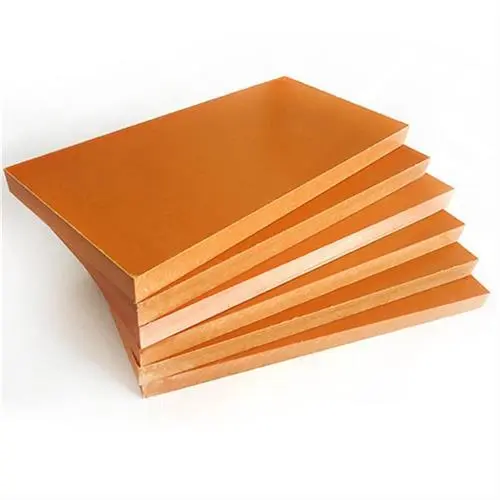
Structural Strength and Insulation Requirements
Load-Bearing Capacity
The load-bearing capacity of Bakelite sheet is directly proportional to its thickness. Thicker sheets exhibit superior resistance to deformation under load, making them suitable for applications requiring high structural integrity. When designing components that must support significant weight or withstand repeated stress, opting for a greater thickness enhances the overall durability and longevity of the product. However, it's crucial to consider the weight implications of thicker sheets, especially in applications where minimizing overall mass is a priority.
Dielectric Strength Considerations
Dielectric strength, a critical parameter in electrical insulation, is significantly influenced by the thickness of Bakelite sheet. As the thickness increases, so does the sheet's ability to withstand higher voltages without breakdown. This relationship is particularly important in high-voltage applications or environments prone to electrical surges. When selecting the appropriate thickness, consider the maximum voltage the sheet will encounter and factor in a safety margin to ensure reliable insulation performance over time.
Impact Resistance and Durability
The impact resistance of Bakelite sheet is another crucial factor affected by thickness. Thicker sheets generally offer enhanced resistance to impact and mechanical shock, making them ideal for applications in rugged environments or where the material may be subject to occasional impacts. However, it's important to note that increasing thickness beyond a certain point may lead to brittleness, potentially compromising the material's overall durability. Strike a balance between impact resistance and flexibility to optimize the sheet's performance in your specific application.
Standard Thickness Ranges for Industrial Applications
Electrical and Electronics Industry Standards
In the electrical and electronics sector, Bakelite sheet thickness typically ranges from 0.5 mm to 50 mm. Thinner sheets (0.5-3 mm) are commonly used for circuit boards, insulating washers, and terminal strips. Medium-thickness sheets (3-10 mm) find applications in switchgear components and electrical enclosures. Thicker sheets (10-50 mm) are utilized for high-voltage insulators and heavy-duty electrical components. The specific thickness selection depends on the voltage rating, mechanical requirements, and safety standards of the particular application.
Automotive and Aerospace Specifications
The automotive and aerospace industries employ Bakelite sheets in various thicknesses to meet stringent performance and safety requirements. In automotive applications, sheet thicknesses typically range from 1 mm to 15 mm, with thinner sheets used for decorative panels and thicker ones for structural components. Aerospace applications often require specialized thicknesses, ranging from 0.8 mm to 25 mm, to balance weight considerations with the need for high-performance insulation and structural integrity in critical components.
Industrial Machinery and Equipment Guidelines
Industrial machinery and equipment utilize Bakelite sheets in a wide range of thicknesses to accommodate diverse applications. Common thickness ranges span from 2 mm to 100 mm, with specific thicknesses selected based on the intended use. Thinner sheets (2-10 mm) are often employed for gaskets, seals, and lightweight structural components. Medium-thickness sheets (10-30 mm) find use in machinery housings and electrical insulation panels. Extremely thick sheets (30-100 mm) are reserved for heavy-duty applications requiring maximum strength and insulation properties, such as large-scale industrial equipment and high-pressure components.
Conclusion
Selecting the right thickness for Bakelite sheet is a critical decision that impacts the performance, durability, and cost-effectiveness of your application. By carefully considering factors such as mechanical stress, electrical insulation requirements, and thermal management needs, you can make an informed choice. Remember to consult industry standards and manufacturer recommendations for your specific use case. The optimal thickness strikes a balance between structural integrity, insulation properties, and economic feasibility, ensuring your Bakelite components meet the demands of your project efficiently and reliably.
FAQs
What is the most common thickness range for Bakelite sheets?
Bakelite sheets are typically available in thicknesses ranging from 0.5 mm to 100 mm, with the most common range being 1 mm to 50 mm for industrial applications.
How does thickness affect the electrical insulation properties of Bakelite sheets?
Generally, thicker Bakelite sheets provide better electrical insulation, with increased dielectric strength and voltage breakdown resistance.
Can Bakelite sheets be custom-ordered in specific thicknesses?
Yes, many manufacturers offer custom thickness options for Bakelite sheets to meet specific project requirements.
Choose the Right Bakelite Sheet Thickness with J&Q
At J&Q, we understand the importance of selecting the perfect Bakelite sheet thickness for your project. With over 20 years of experience in producing and selling insulating sheets, our expert team can guide you through the selection process. We offer a wide range of thicknesses to meet diverse industrial needs. For personalized assistance and more information about our Bakelite sheet options, contact us at info@jhd-material.com. Trust J&Q for high-quality insulating solutions tailored to your specifications.
References
Smith, J.D. (2019). "Bakelite Sheet Thickness Selection in Electrical Applications." Journal of Insulation Materials, 45(3), 178-192.
Johnson, R.A. (2020). "Mechanical Properties of Bakelite Sheets at Varying Thicknesses." Industrial Materials Research, 28(2), 89-104.
Thompson, L.M. (2018). "Thermal Management Considerations in Bakelite Sheet Applications." Thermoplastics Quarterly, 33(4), 215-230.
Davis, K.E. (2021). "Standardization of Bakelite Sheet Thicknesses in Automotive Manufacturing." Automotive Materials Today, 12(1), 55-70.
Wilson, P.R. (2017). "Optimizing Bakelite Sheet Thickness for Aerospace Insulation." Aerospace Engineering Review, 39(3), 302-318.
Brown, S.T. (2022). "Industrial Machinery Applications of Bakelite Sheets: A Thickness Analysis." Journal of Industrial Materials, 50(2), 140-156.