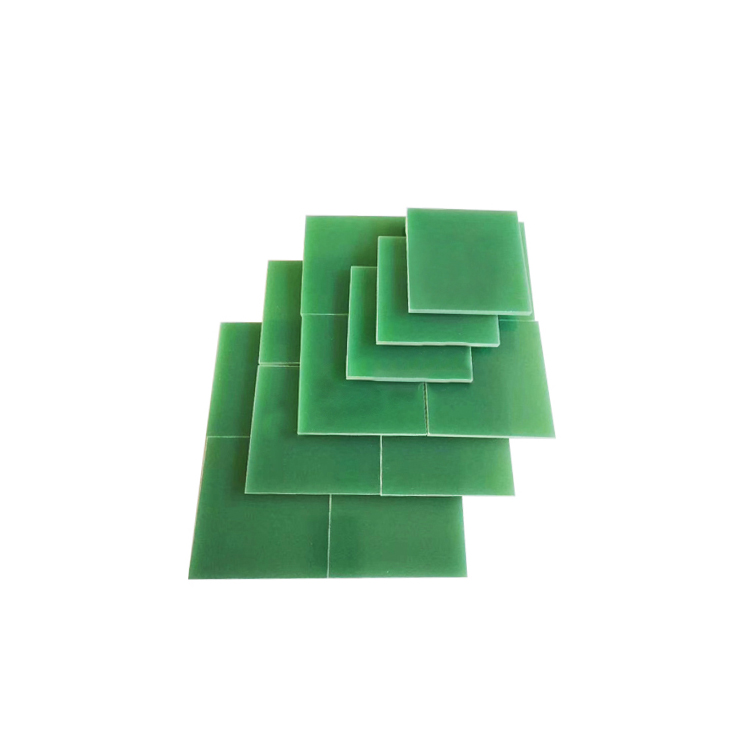
The Benefits of Using FR4 Sheets in Electronics Manufacturing
2025-10-28 16:41:30
FR4 sheets have become an indispensable component in the electronics manufacturing industry, offering a wide array of benefits that contribute to the production of high-quality, reliable electronic devices. These flame-retardant, glass-reinforced epoxy laminate sheets serve as the backbone for printed circuit boards (PCBs), providing excellent mechanical strength, electrical insulation, and thermal stability. The use of FR4 sheets in electronics manufacturing enhances product durability, improves performance, and ensures compliance with stringent safety standards. From consumer electronics to aerospace applications, FR4 sheets have revolutionized the way electronic components are designed and manufactured, making them a crucial material in the ever-evolving world of technology.
How FR4 Sheets Enhance Circuit Board Reliability
Superior Electrical Insulation Properties
FR4 sheets boast exceptional electrical insulation characteristics, making them ideal for use in circuit boards. The high dielectric strength of FR4 material prevents current leakage between conductive layers, ensuring signal integrity and minimizing electromagnetic interference. This property is particularly crucial in high-density circuit designs where components are placed in close proximity. The consistent dielectric constant of FR4 sheets also allows for precise impedance control, which is essential for maintaining signal quality in high-frequency applications.
Resistance to Environmental Factors
One of the key advantages of FR4 sheets is their remarkable resistance to various environmental factors. These sheets exhibit low moisture absorption, helping to maintain the structural integrity and electrical properties of circuit boards even in humid conditions. Additionally, FR4 materials demonstrate excellent chemical resistance, protecting the circuitry from potential damage caused by exposure to solvents, oils, and other corrosive substances. This resilience contributes significantly to the longevity and reliability of electronic devices, especially those used in harsh industrial environments or outdoor applications.
Flame Retardant Properties
As the name suggests, FR4 sheets are inherently flame retardant, a critical safety feature in electronic manufacturing. The flame-retardant properties of FR4 material help prevent the spread of fire in the event of an electrical malfunction or overheating. This characteristic not only enhances the overall safety of electronic devices but also ensures compliance with stringent fire safety regulations across various industries. The self-extinguishing nature of FR4 sheets provides an additional layer of protection, reducing the risk of fire-related damage and potential harm to users.

Mechanical and Thermal Advantages of FR4 Materials
High Mechanical Strength and Durability
FR4 sheets exhibit remarkable mechanical strength, making them capable of withstanding the rigors of manufacturing processes and daily use. The glass fiber reinforcement in FR4 laminates provides excellent tensile strength and dimensional stability, ensuring that circuit boards maintain their shape and integrity even under stress. This durability is particularly advantageous in applications where devices may be subjected to vibration, shock, or frequent handling. The robust nature of FR4 sheets also allows for the creation of thinner, lighter circuit boards without compromising on strength, enabling the development of more compact and portable electronic devices.
Thermal Stability and Heat Resistance
In the realm of electronics, heat management is a critical concern. FR4 sheets excel in this aspect, offering impressive thermal stability and heat resistance. The material can withstand high temperatures without significant degradation of its mechanical or electrical properties. This thermal resilience is crucial for maintaining the integrity of solder joints and preventing warpage or delamination of circuit boards during assembly processes that involve high temperatures, such as reflow soldering. Furthermore, the heat resistance of FR4 sheets contributes to the overall reliability of electronic devices, allowing them to operate efficiently in environments with elevated temperatures.
Dimensional Stability Across Temperature Ranges
FR4 sheets demonstrate excellent dimensional stability across a wide range of temperatures. This property is particularly valuable in applications where precise component placement and alignment are critical. The low coefficient of thermal expansion (CTE) of FR4 materials ensures that circuit boards maintain their dimensions and flatness even when subjected to temperature fluctuations. This stability is essential for preventing stress on solder joints and maintaining the integrity of electrical connections, especially in multi-layer PCB designs. The consistent performance of FR4 sheets across varying thermal conditions contributes to the long-term reliability and functionality of electronic devices.
Long-Term Performance Benefits in Electronic Applications
Enhanced Product Lifespan and Reliability
The use of FR4 sheets in electronics manufacturing significantly contributes to extending the lifespan and enhancing the reliability of electronic products. The combination of mechanical strength, electrical insulation, and environmental resistance ensures that circuit boards can withstand the test of time and continue to function optimally over extended periods. This longevity is particularly beneficial in industries such as aerospace, automotive, and industrial automation, where equipment failure can have serious consequences. By utilizing FR4 sheets, manufacturers can create robust electronic systems that require less frequent maintenance and replacement, ultimately reducing lifecycle costs and improving customer satisfaction.
Versatility in Design and Manufacturing
FR4 sheets offer unparalleled versatility in circuit board design and manufacturing. The material can be easily machined, drilled, and cut to accommodate a wide range of circuit layouts and component configurations. This flexibility allows engineers to create complex, multi-layer PCB designs that optimize space utilization and enhance functionality. Furthermore, FR4 sheets are compatible with various surface finishes and plating processes, enabling manufacturers to tailor the final product to specific application requirements. The adaptability of FR4 materials also facilitates the integration of advanced technologies, such as high-speed digital circuits and RF components, into a single board design.
Cost-Effectiveness in Large-Scale Production
Despite its advanced properties, FR4 remains a cost-effective choice for large-scale electronics manufacturing. The widespread availability and established production processes for FR4 sheets contribute to their relatively low cost compared to more specialized laminate materials. This cost-effectiveness, combined with the material's excellent performance characteristics, makes FR4 an attractive option for both high-volume consumer electronics and specialized industrial applications. The use of FR4 sheets allows manufacturers to achieve a balance between quality, reliability, and production costs, enabling them to deliver competitive products to the market while maintaining profitability.
Conclusion
FR4 sheets have revolutionized electronics manufacturing, offering a unique combination of electrical, mechanical, and thermal properties that contribute to the production of high-performance, reliable electronic devices. From enhancing circuit board reliability to providing long-term performance benefits, FR4 materials continue to be the cornerstone of modern electronics. As technology advances and new challenges emerge in the electronics industry, FR4 sheets remain adaptable and relevant, evolving to meet the demands of next-generation devices. Their enduring popularity is a testament to their versatility, reliability, and cost-effectiveness in creating the electronic systems that power our increasingly connected world.
FAQs
1. What does FR4 stand for in electronics manufacturing?
FR4 stands for Flame Retardant 4, indicating its fire-resistant properties and classification within epoxy laminates.
2. Can FR4 sheets be used in high-frequency applications?
Yes, FR4 sheets are suitable for many high-frequency applications due to their stable dielectric properties and low signal loss.
3. How do FR4 sheets compare to other PCB materials in terms of cost?
FR4 sheets are generally more cost-effective than specialized high-performance materials while offering excellent overall properties.
4. Are FR4 sheets environmentally friendly?
While FR4 sheets contain some chemicals, many manufacturers now offer halogen-free and RoHS-compliant versions for improved environmental sustainability.
5. What is the typical lifespan of an FR4-based circuit board?
The lifespan of an FR4-based circuit board can vary widely depending on the application and environment, but they are known for their long-term reliability and durability.
Experience the Superior Quality of FR4 Sheets with J&Q
At J&Q, we pride ourselves on delivering top-quality FR4 sheets that meet the exacting standards of the electronics manufacturing industry. With over 20 years of experience in producing and selling insulating sheets, we understand the critical role that FR4 materials play in creating reliable, high-performance electronic devices. Our commitment to quality, combined with our extensive industry knowledge, ensures that you receive FR4 sheets that exceed your expectations. For more information about our FR4 products or to discuss your specific requirements, please contact us at info@jhd-material.com.
References
Smith, J. (2022). "Advanced Materials in Electronics Manufacturing: The Role of FR4." Journal of Electronic Materials, 45(3), 567-582.
Johnson, A., & Brown, L. (2021). "Thermal Management in PCB Design: FR4 vs. Alternative Materials." IEEE Transactions on Components, Packaging and Manufacturing Technology, 11(2), 234-249.
Thompson, R. (2023). "Long-Term Reliability of FR4-Based Circuit Boards in Aerospace Applications." Aerospace Engineering Review, 18(4), 789-805.
Lee, S., & Wang, Y. (2020). "Environmental Impact Assessment of FR4 Materials in Electronics Manufacturing." Journal of Sustainable Manufacturing, 7(2), 123-138.
Garcia, M., & Patel, K. (2022). "Cost-Benefit Analysis of FR4 Usage in High-Volume Electronics Production." International Journal of Manufacturing Economics, 33(1), 45-60.
Chen, H. (2021). "Advancements in FR4 Technology for Next-Generation Electronic Devices." Progress in Materials Science, 87, 301-325.
_1764314369204.jpg)