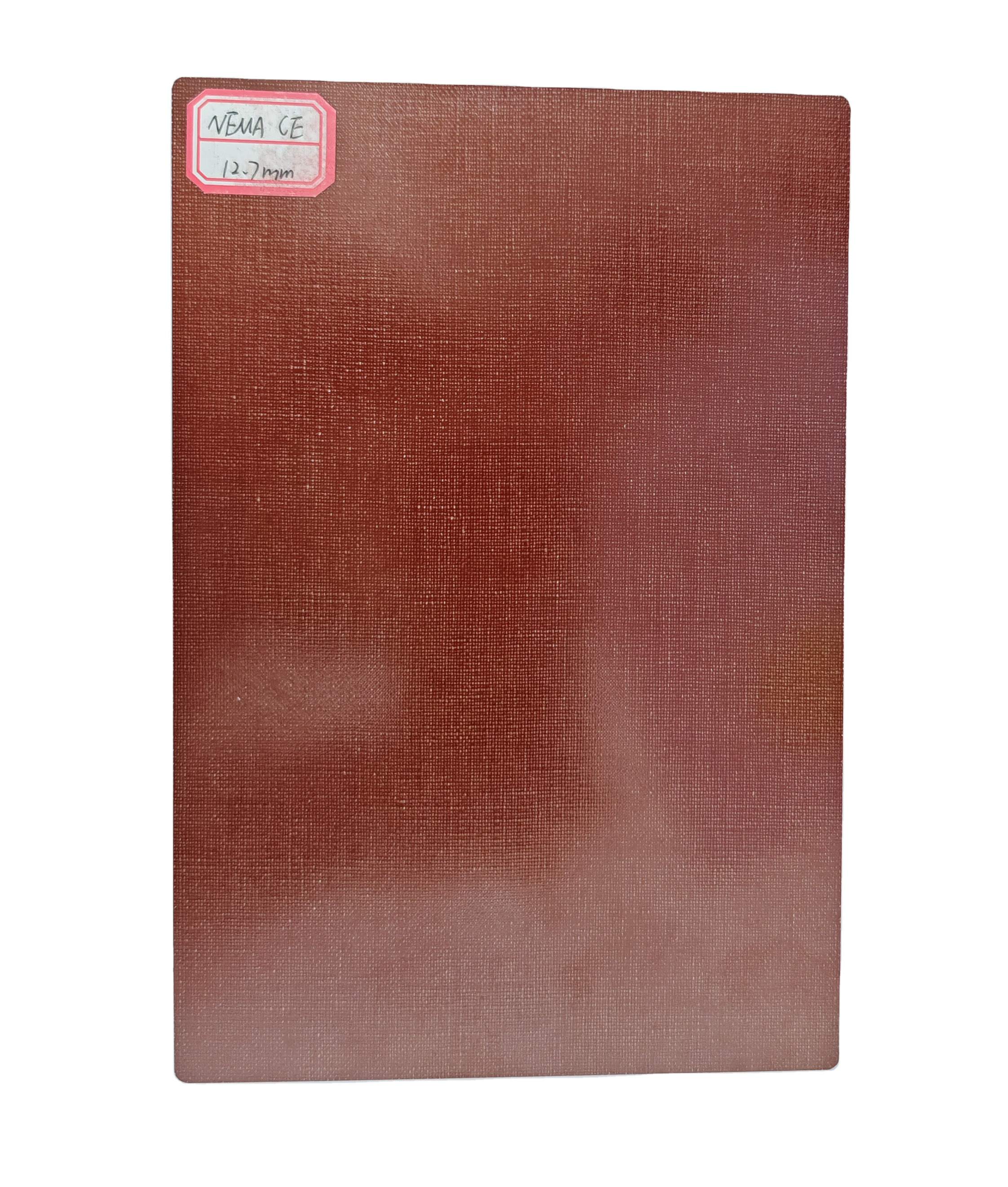
Where Indian OEMs Buy High-Temp FR4 Sheets in Asia?
2025-12-18 16:52:12
Indian OEMs get most of their high-temperature FR4 sheets from well-known Asian production hubs like China, South Korea, and Japan. These areas rule the global FR4 sheet market with specialized factories that offer low prices, high quality, and a wide range of customization options. ISO approvals and UL compliance are important for top providers in these areas. They make sure that materials can survive high temperatures of up to 200°C and also provide solid partnerships for Indian electronics and industrial machinery makers in the supply chain.
Understanding High-Temp FR4 Sheets: Properties and Specifications
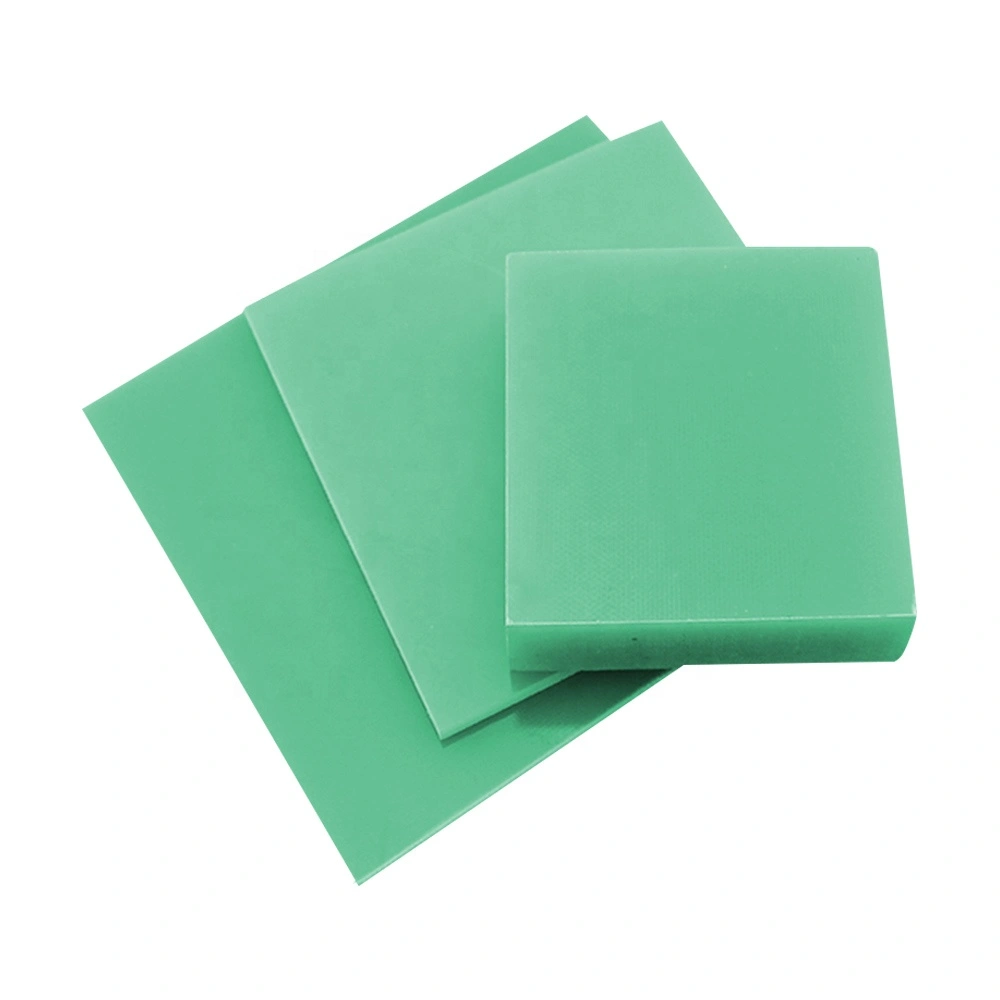
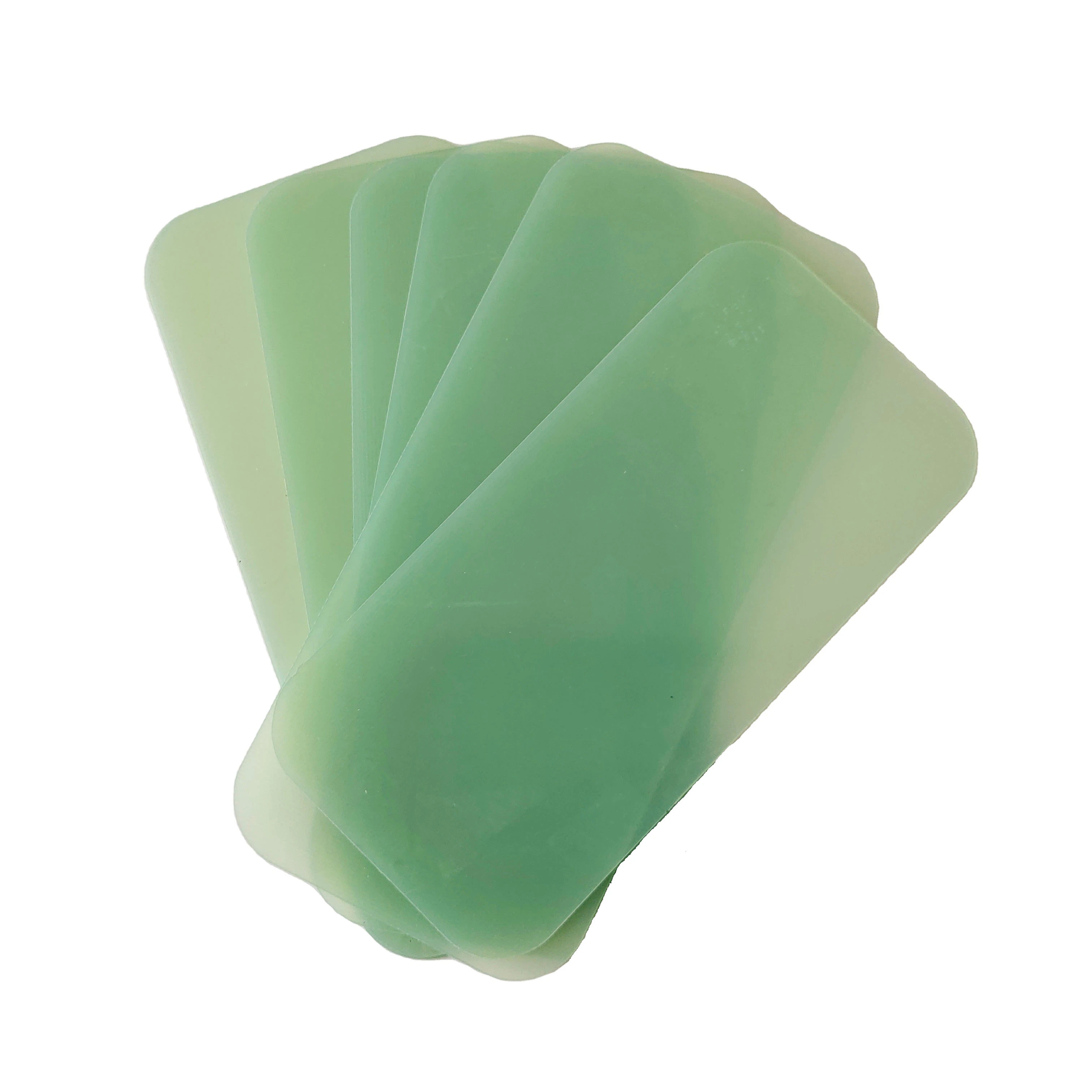
High-temperature FR4 sheets are an important step forward in electrical shielding materials. They have great thermal stability and strong dynamic qualities. When flame-retardant epoxy glue is added to knitted fiberglass cloth, the result is a composite material that can handle temperatures from 130°C to 180°C for long periods of time. The highest temperature it can withstand is 200°C.
Core Material Properties and Performance Characteristics
High-temp FR4's basic strength comes from its multi-layered build that ensures reliable performance in tough situations. Engineers like these materials because their dielectric strength is great (usually between 20 and 25 kV/mm), and they don't absorb much moisture (less than 0.1%). In the X-Y direction, the thermal expansion coefficient stays at about 14-16 ppm/°C, which keeps the dimensions fixed when the temperature changes.
Among the mechanical qualities are a bending strength greater than 415 MPa and CNC machinability that is so good it allows for the making of very accurate parts. These sheets are great for use in power electronics and car systems where safety is very important because they meet UL 94 V-0 standards for flame retardancy.
Industry Standards and Certification Requirements
Indian OEMs that do business with customers around the world choose their materials based on how well they meet global standards. FR4 sheets for high temperatures need to follow the IPC-4101 guidelines for hard printed wire board substrates. They also need to follow RoHS to make sure they are safe for the environment. While NEMA standards guarantee consistent mechanical and electrical performance, UL recognition makes sure that flame resistance.
When getting materials from Asian sources, traceability is very important, and this means that there needs to be specific proof of compliance and batch paperwork. Manufacturers that care about quality use thermal gravimetric analysis, differential scanning calorimetry, accelerated aging tests, and other tests to make sure their products will work for a long time.
Where Indian OEMs Source High-Temp FR4 Sheets in Asia?
Asia has been a leader in high-temperature FR4 manufacturing since they began investing in specialized production facilities and technical knowledge decades ago. Major seller areas have built up different skills that cater to various parts of the Indian OEM market. This has led to the creation of a wide-ranging system of buying choices.
China's Manufacturing Excellence and Scale Advantages
China leads the world in FR4 production, with high-tech factories focused in areas known for making electronics. Using modern glue impregnation systems and exact sealing processes, these facilities make sure that the quality of their big production runs is always the same. Chinese sellers offer customized sheet sizes and thickness limits of ±0.05mm, as well as open minimum order amounts that are useful for both prototype development and the needs of large-scale production.
The use of automatic quality control systems ensures that each batch is the same, and goods can be shipped quickly to Indian ports through established transportation networks. A lot of Chinese makers have hired quality teams that understand the needs of the Indian market. This has made it easier for people to talk about technology issues and quickly respond when specifications change.
South Korea's Precision Manufacturing Capabilities
South Korean suppliers focus on uses that need a high level of accuracy and a smooth surface. These makers are experts in making complex resins that work at much higher temperatures than normal FR4, up to 200 °C or more.
Their technical support system has application engineering teams that work with Indian OEMs to make sure that materials are optimized for specific use cases. This partnership method works well for car and power electronics uses where the performance of the material has a direct effect on the stability of the finished product.
Southeast Asian Emerging Suppliers and Cost Optimization
Suppliers in Southeast Asia are offering good, cheap options for uses where price matters. These makers often offer faster lead times for standard specs and show that they are willing to be flexible with smaller order numbers during the product development process.
The closer a supplier is, the cheaper and easier shipping and logistics planning are. This makes these suppliers appealing to Indian OEMs who want to lower their overall buying costs without meeting important performance standards.
How to Choose the Right High-Temp FR4 Supplier for Indian OEM Needs?
Choosing a FR4 sheet supplier means doing a lot of research on their technical skills, quality control, and business terms that meet the needs of the OEM. Long-term ties based on trust are important for successful partnerships. This means matching what your seller does well with what your business needs.
Technical Capability Assessment and Quality Verification
It is possible to get an idea of a supplier's technical knowledge by looking at how they make products, their quality standards, and their testing lab capabilities. Top providers keep their own testing labs on-site, with tools for temperature analysis, mechanical testing, and measuring electrical properties. ISO 9001 approval and other standards relevant to the industry, like IATF 16949 for the car industry, should be shown by their quality management systems.
To make sure the material is real, you need to get approved test results, papers that show where the materials came from, and compliance certificates for standards that apply. Detailed material data sheets are provided by reliable sources and include information on heat qualities, mechanical specs, and electrical characteristics, as well as statistical process control data that shows consistency.
Supply Chain Reliability and Risk Management
When getting goods from sellers in other countries, supply chain stability is very important. This means looking at how much they can make, whether they have backup facilities, and how they handle their inventory. Strategic stocking amounts of raw materials and final goods are kept by reliable providers to protect against supply issues.
Risk prevention strategies include making sure that there are multiple sources for important materials, setting up clear communication methods for supply updates, and adopting quality agreements that spell out how to determine if something is acceptable and how to take appropriate action. Vendors with a history in the Indian market often offer local technology help and inventory management services that make the supply chain more fast.
Streamlining Procurement Process: Best Practices for Indian OEMs
When you buy FR4 sheets from other countries, efficient buying methods get you the best value and lower the risks. A planned way to get suppliers involved, make specifications, and control quality helps you get the same results every time and build strong relationships with suppliers.
Request for Quotation Development and Specification Clarity
Detailed RFQs make sure there is no confusion and allow suppliers to give exact answers that make useful side-by-side comparisons possible. Technical specs should include the size and shape that the material can have, the goal for the material's properties, the preferred way to package it, and the expected arrival time. Clear recording of testing requirements, licensing needs, and quality standards stops people from getting confused about these things, which could affect when something is delivered or whether it is accepted.
The description of commercial terms includes the normal Incoterms for payment and shipping, price validity times, and volume discount structures. Better-built RFQs usually get more competitive bids and start professional relationships that help future buying activities.
Quality Control Procedures and Incoming Inspection Protocols
Before the material is used in production, strong arriving checking processes make sure that it meets the requirements. This stops quality problems later on that would cost a lot of money. Inspection methods should include checking the surfaces for flaws, verifying the dimensions with accurate measuring tools, and testing samples for key qualities when necessary.
It is just as important to check the paperwork because it shows that the materials fit the requirements and that the lot numbers make it possible to follow the production steps. Setting clear acceptance and refusal criteria guards against poor quality materials and holds suppliers accountable.
J&Q's Expertise in Supplying High-Temp FR4 Sheets
Indian OEMs who want to be able to get high-quality FR4 sheets that can stand high temperatures and get full technical help make J&Q their go-to partner. We have been making insulation materials for over twenty years and dealing internationally for over ten years. This knowledge makes us a reliable source for materials that meet strict standards.
Comprehensive Product Portfolio and Customization Capabilities
We offer basic high-temperature FR4 sheets in different thicknesses ranging from 0.5 mm to 25 mm, as well as unique options for specific OEM needs. We offer accurate cutting that makes parts ready to use right away, and we also keep a large collection of popular sizes on hand. To get the best performance and value out of materials for different uses, our expert team works with customers to fine-tune specs.
Quality assurance routines include testing each batch of output thoroughly and giving detailed certificates of compliance with each shipment. Our production partners have the most prestigious certifications in the business. These help make sure that materials meet global standards for heat performance, mechanical qualities, and flame retardancy.
Integrated Logistics and Customer Support Services
Our unique transportation system makes it easy for goods made in Asia to be sent straight to Indian OEM sites. This unified method gets rid of delays, gives customers full view of the package, and allows quick contact with customers during the entire buying process.
Technical support can help with applications, choosing materials, and getting samples quickly to be used for testing. Our experienced team knows how hard it can be for Indian OEMs to do certain things, and we offer helpful advice that makes your business more efficient while still focusing on quality.
Conclusion
Asian providers stay in the lead in the high-temperature FR4 sheet market because of their great making, low prices, and cutting-edge scientific work. Indian OEMs get a lot of help from supply lines that make sure they can always get high-quality products that meet global standards. Procurement is only successful when there is clear standard creation, careful seller evaluation, and strong quality control methods. Indian makers can get high-quality products while staying flexible and cost-effective in tough global markets by working with experienced sources like J&Q.
FAQs
What are the typical lead times for bulk orders of high-temp FR4 sheets from Asian suppliers?
It usually takes 2 to 4 weeks to get standard specs and widths, but it might take 4 to 6 weeks for special sizes. Suppliers with good stocking systems can often fill pressing orders in as little as one to two weeks. Order amount, standard complexity, and regular demand trends that affect production plans all have an impact on the time it takes to complete an order.
How can Indian OEMs be sure that high-temperature FR4 sheets are real and of good quality?
Genuine materials include full compliance certificates, proof of batch tracking, and results of controlled tests. Detailed material data sheets with measures of electrical properties, mechanical properties, and heat research results are provided by reputable providers. When more proof is needed, third-party testing services can confirm important details.
What minimum order quantities should Indian OEMs expect when sourcing from Asian suppliers?
The least amount of sheets that can be ordered is usually between 100 and 500, based on the size and thickness of the sheets. Suppliers that are well-known in the industry usually allow new customers to buy smaller amounts of product for testing or sample development. Once you order more than 1,000 sheets, you get big savings on a per-sheet basis. This makes buying in bulk a good deal for regular production needs.
Partner with J&Q for Your High-Temperature FR4 Sheet Requirements
Indian OEMs looking for safe access to high-quality, high-temperature FR4 sheets from known Asian manufacturers can get help from J&Q. We have decades of experience in the industry, so we can help you choose the right materials, offer great prices, and coordinate transportation perfectly so that your buying process is easier. We offer quick customization options for when you need something special, and we also keep a large collection of standard specs on hand.
Our supply chain management system makes buying easier, guarantees uniform material quality, and makes sure deliveries are always on time. Our technical team offers custom help through every stage of the buying cycle, whether you need regular sheets for everyday production or specialty materials for more difficult tasks. Ready to get the most out of your FR4 sheet source partnership? If you want to talk about your exact needs and get a quote based on those needs, email us at info@jhd-material.com.
References
Institute for Printed Circuits (IPC). "IPC-4101 Specification for Base Materials for Rigid and Multilayer Printed Boards." IPC Standards, 2021.
Underwriters Laboratories. "UL 94 Standard for Safety of Flammability of Plastic Materials for Parts in Devices and Appliances." UL Standards, 2020.
National Electrical Manufacturers Association. "NEMA LI 1 Industrial Laminated Thermosetting Products." NEMA Standards Publication, 2019.
Asian Electronics Industry Association. "High-Temperature Substrate Materials Market Analysis and Trends in Asia Pacific Region." Market Research Report, 2023.
International Electronics Manufacturing Initiative. "Advanced Thermal Management Materials for Electronics Applications." Technical White Paper, 2022.
Materials Research Society. "Thermal Stability and Reliability of FR4 Composites in High-Temperature Electronics Applications." Journal of Electronic Materials, 2023.
_1740986340093.webp)