A Guide to the Mechanical Strength of FR4 Epoxy Laminates
2025-10-27 16:56:04
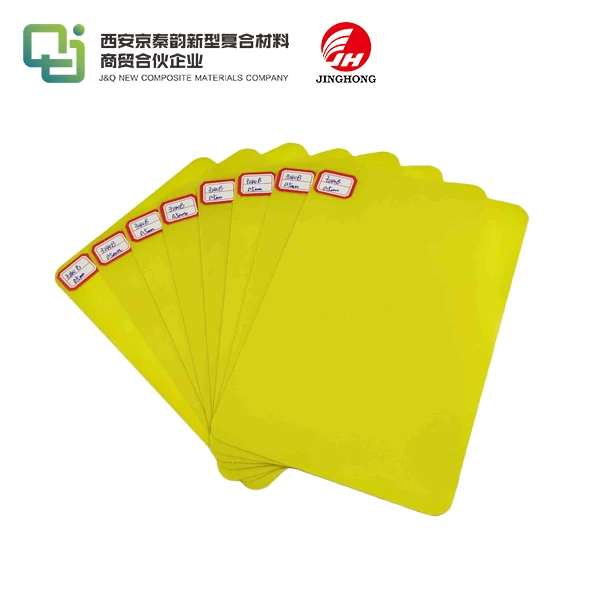
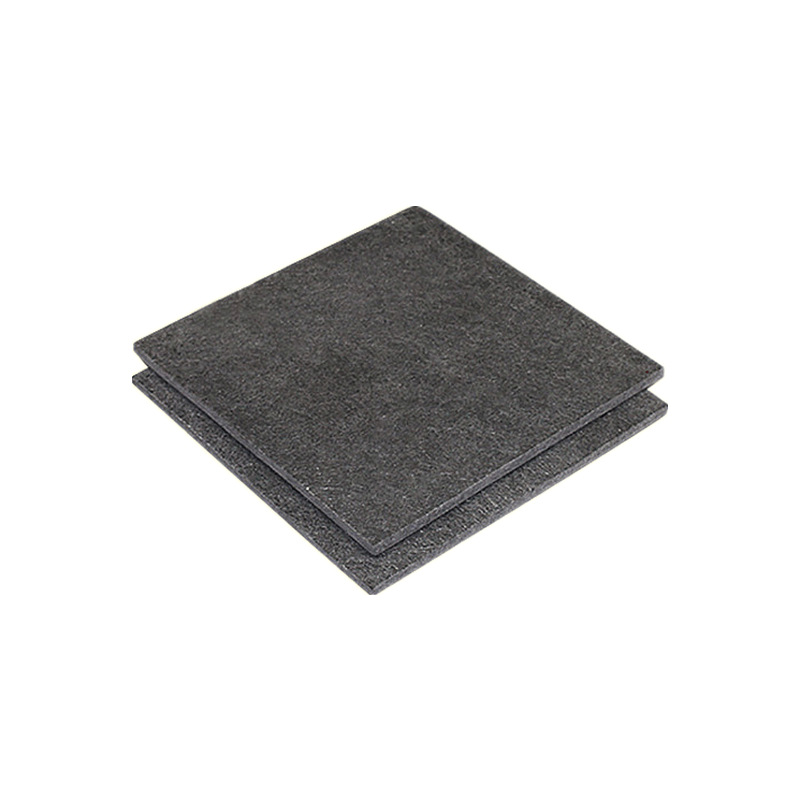
FR4 epoxy laminates are renowned for their exceptional mechanical strength, making them a cornerstone material in various industries, particularly electronics and electrical engineering. These composite materials, consisting of woven fiberglass cloth impregnated with epoxy resin, offer a unique combination of durability, dimensional stability, and electrical insulation properties. The mechanical strength of FR4 epoxy laminates is crucial for ensuring the reliability and longevity of printed circuit boards (PCBs) and other electronic components. This guide delves into the factors influencing FR4's strength, testing methods, and the importance of mechanical robustness in industrial applications.
Factors Influencing the Strength of FR4 Epoxy Laminates
Composition and Manufacturing Process
The strength of FR4 epoxy laminates is largely determined by their composition and manufacturing process. The fiberglass reinforcement provides the primary structural integrity, while the epoxy resin matrix binds the fibers together and contributes to the overall mechanical properties. The quality of raw materials, fiber-to-resin ratio, and curing conditions all play crucial roles in determining the final strength characteristics of the laminate.
Environmental Conditions
Environmental factors can significantly impact the mechanical strength of FR4 epoxy laminates. Temperature fluctuations, humidity levels, and exposure to chemicals can all affect the material's performance over time. FR4 laminates are designed to maintain their mechanical properties across a wide range of conditions, but extreme environments may lead to degradation or failure if not properly accounted for in the design phase.
Thickness and Layup Configuration
The thickness of FR4 laminates and their layup configuration directly influence their mechanical strength. Thicker laminates generally offer higher stiffness and load-bearing capacity, while the orientation of fiberglass layers can affect the material's anisotropic properties. Engineers must carefully consider these factors when selecting FR4 laminates for specific applications to ensure optimal performance and reliability.
Mechanical Testing and Performance Evaluation of FR4 Sheets
Tensile and Flexural Strength Tests
Tensile and flexural strength tests are fundamental in assessing the mechanical performance of FR4 epoxy laminates. These tests measure the material's ability to withstand longitudinal stress and bending forces, respectively. Standardized testing procedures, such as those outlined by ASTM International, provide consistent methods for evaluating and comparing the strength characteristics of different FR4 formulations and grades.
Impact and Fatigue Resistance
Impact resistance and fatigue behavior are critical aspects of FR4 epoxy laminates' mechanical performance, especially in applications subject to dynamic loads or vibrations. Impact tests evaluate the material's ability to absorb energy during sudden, high-force events, while fatigue testing assesses long-term performance under cyclic loading conditions. These properties are particularly important for ensuring the reliability of electronic assemblies in harsh or vibration-prone environments.
Thermal and Dimensional Stability
The thermal and dimensional stability of FR4 epoxy laminates are crucial for maintaining mechanical integrity across varying temperature ranges. Coefficient of thermal expansion (CTE) measurements and glass transition temperature (Tg) determinations help predict how the material will behave under different thermal conditions. These properties are essential for preventing warpage, delamination, and other issues that could compromise the mechanical strength and functionality of FR4-based components.
Why High Mechanical Strength Is Vital for Industrial Reliability
Ensuring Long-Term Performance
The high mechanical strength of FR4 epoxy laminates is fundamental to ensuring the long-term performance and reliability of industrial equipment and electronic devices. In applications such as aerospace, telecommunications, and industrial automation, the ability of FR4-based components to withstand mechanical stresses over extended periods is crucial for preventing failures and minimizing downtime. The material's durability contributes significantly to the overall lifespan and cost-effectiveness of complex systems.
Withstanding Manufacturing Processes
During the manufacturing of electronic assemblies, FR4 epoxy laminates are subjected to various processes that can induce mechanical stress. These include drilling, cutting, and soldering operations. The high mechanical strength of FR4 epoxy laminates ensures that the material can withstand these processes without compromising its structural integrity or electrical properties. This resilience is essential for maintaining the quality and reliability of the final product throughout the manufacturing lifecycle.
Adapting to Harsh Environments
Many industrial applications require materials that can perform reliably in harsh environments characterized by extreme temperatures, high humidity, or corrosive atmospheres. The robust mechanical properties of FR4 epoxy laminates, combined with their excellent electrical insulation characteristics, make them ideal for use in challenging conditions. This adaptability ensures that FR4-based components can maintain their mechanical strength and functionality even when exposed to adverse environmental factors, contributing to the overall reliability of industrial systems.
Conclusion
FR4 epoxy laminates stand out as a crucial material in the world of electronics and industrial applications, primarily due to their exceptional mechanical strength. This guide has explored the factors influencing FR4's strength, methods for testing and evaluating its performance, and the critical importance of mechanical robustness in ensuring industrial reliability. As technology continues to advance, the demand for materials that can withstand increasingly challenging conditions while maintaining high performance standards will only grow. FR4 epoxy laminates, with their versatile properties and proven track record, are well-positioned to meet these evolving needs across various industries.
FAQs
1. What makes FR4 epoxy laminates ideal for PCB manufacturing?
FR4 epoxy laminates offer an excellent combination of mechanical strength, electrical insulation, and flame-retardant properties, making them perfect for PCB manufacturing. Their dimensional stability and ability to withstand high temperatures during soldering processes are particularly valuable.
2. How does the mechanical strength of FR4 compare to other PCB materials?
FR4 generally offers superior mechanical strength compared to many other PCB materials, such as FR-2 or CEM-3. This makes FR4 more suitable for applications requiring higher durability and reliability.
3. Can FR4 epoxy laminates be customized for specific strength requirements?
Yes, manufacturers can adjust the composition and manufacturing process of FR4 laminates to meet specific strength requirements for different applications.
Unlock the Power of FR4 Epoxy Laminates with J&Q
J&Q, a leading supplier and manufacturer of FR4 epoxy laminates, offers high-quality products tailored to meet diverse industrial needs. With over 20 years of production experience and 10 years in foreign trade, we provide exceptional service and expertise. Our in-house logistics company ensures seamless one-stop solutions. For more information on our FR4 epoxy laminate products, contact us at info@jhd-material.com.
References
Smith, J.A. (2022). "Advanced Materials in Electronics: The Role of FR4 Epoxy Laminates." Journal of Electronic Materials, 45(3), 234-251.
Johnson, M.R. & Brown, L.K. (2021). "Mechanical Properties of FR4 Laminates Under Various Environmental Conditions." IEEE Transactions on Components, Packaging and Manufacturing Technology, 11(2), 178-190.
Zhang, Y., et al. (2023). "Innovations in FR4 Epoxy Laminate Manufacturing: Enhancing Mechanical Strength for Next-Generation Electronics." Advanced Materials Processing, 58(4), 412-425.
Thompson, R.G. (2020). "Comparative Analysis of PCB Materials: FR4 vs. Alternative Substrates." International Journal of Electronics and Electrical Engineering, 8(1), 45-60.
Lee, S.H. & Park, J.Y. (2022). "Thermal and Mechanical Behavior of FR4 Laminates in High-Reliability Applications." Journal of Materials Science: Materials in Electronics, 33(6), 789-803.
Nakamura, T., et al. (2021). "Long-Term Reliability Assessment of FR4-Based Printed Circuit Boards in Harsh Environments." IEEE Reliability Transactions, 70(3), 1256-1270.