Epoxy Laminate Sheet in Industrial Machinery
2025-11-28 15:30:50
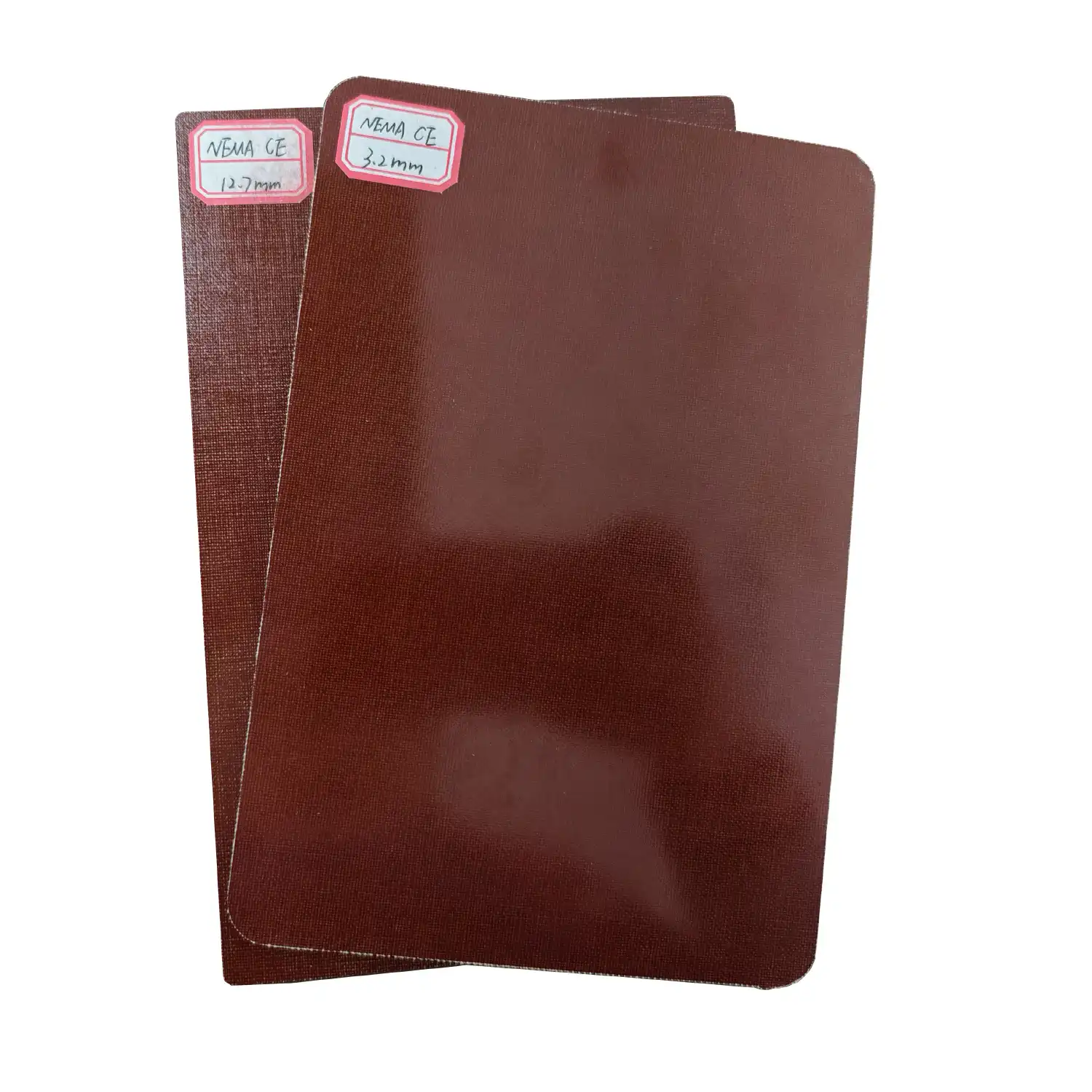
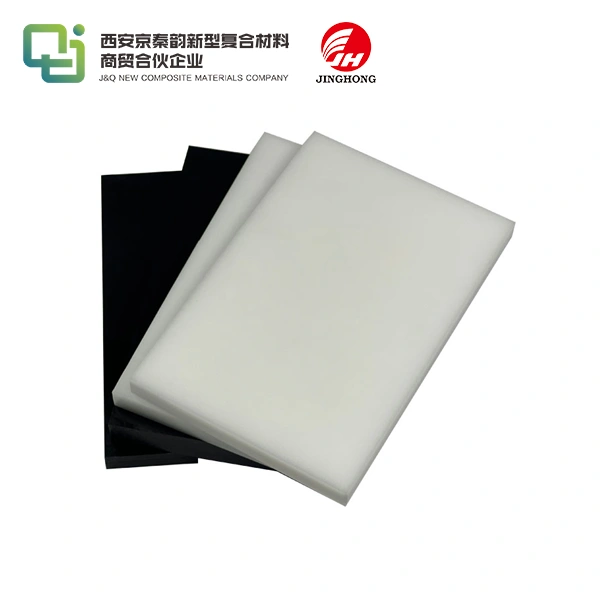
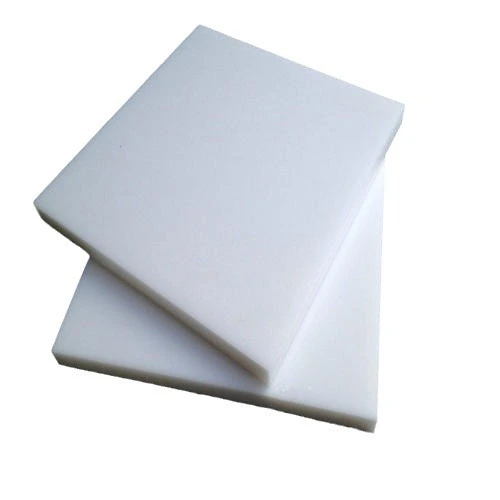
Epoxy laminate sheets have become an integral component in industrial machinery, revolutionizing the way heavy-duty equipment is designed and manufactured. These versatile materials combine the strength of fiberglass with the durability of epoxy resin, resulting in a composite that excels in harsh industrial environments. Epoxy laminate sheets offer exceptional mechanical properties, electrical insulation, and chemical resistance, making them ideal for use in various industrial applications. From machine components to electrical insulation, these sheets provide the reliability and performance needed to keep industrial operations running smoothly and efficiently.
Why Is Epoxy Laminate Used in Heavy-Duty Machinery?
Exceptional Durability and Longevity
Epoxy laminate sheets are engineered to deliver long-lasting durability, even under demanding mechanical and environmental conditions. Their high resistance to wear, abrasion, and impact enables them to endure heavy loads, continuous vibration, and frequent operational stress without deformation. This makes them ideal for use in gears, mounting plates, and structural supports in industrial machines. By maintaining structural integrity over time, epoxy laminates reduce downtime, extend equipment lifespan, and lower maintenance frequency, thereby improving long-term productivity and cost efficiency.
Superior Chemical Resistance
Heavy-duty machinery frequently operates in areas exposed to oils, coolants, fuels, and corrosive chemicals. Epoxy laminate sheets provide robust protection against such aggressive agents, minimizing surface degradation and maintaining mechanical stability. Their non-porous structure prevents chemical penetration, which helps preserve electrical insulation and dimensional accuracy. This resistance ensures reliable performance in chemical processing, metalworking, and manufacturing environments where contamination or corrosion could compromise machinery function, ultimately contributing to improved safety and reduced material replacement costs.
Thermal Stability and Insulation
Epoxy laminate sheets demonstrate outstanding thermal stability, allowing them to retain mechanical and electrical properties under fluctuating or extreme temperatures. They can operate efficiently near heat-generating components such as motors, transformers, and power circuits without softening or warping. In addition, their low thermal conductivity provides effective insulation, protecting adjacent components from heat transfer and preventing energy loss. This combination of heat resistance and insulation performance makes epoxy laminates a key material for maintaining system efficiency and reliability in high-temperature industrial operations.

Mechanical Strength and Wear Resistance Properties
High Tensile and Compressive Strength
Epoxy laminate sheets exhibit impressive tensile and compressive strength, allowing them to withstand substantial loads and stresses. This property is crucial in industrial machinery, where components must endure constant mechanical forces without failure. The high strength-to-weight ratio of epoxy laminates also contributes to lighter yet robust machine designs, enhancing overall performance and efficiency.
Excellent Fatigue Resistance
Industrial machinery often undergoes repetitive stress cycles, making fatigue resistance a critical factor in component selection. Epoxy laminate sheets demonstrate superior fatigue resistance, maintaining their mechanical properties even after prolonged exposure to cyclic loading. This characteristic ensures the longevity and reliability of machine parts, reducing the risk of unexpected failures and minimizing downtime.
Low Friction and Wear Properties
The surface properties of epoxy laminate sheets contribute to their exceptional wear resistance. These materials exhibit low friction coefficients, reducing wear and tear in moving parts and sliding surfaces. The ability to withstand abrasion and maintain dimensional stability under continuous use makes epoxy laminates ideal for applications such as bearings, guides, and wear plates in industrial machinery.
Typical Industrial Components and Applications
Electrical Insulation and Switchgear
Epoxy laminate sheets are extensively used in electrical insulation systems due to their exceptional dielectric strength and thermal stability. These properties make them ideal for producing insulating barriers, switchgear panels, and transformer coil supports. The material's low electrical conductivity helps prevent short circuits and electrical arcing in high-voltage environments. Additionally, epoxy laminates maintain insulation performance even under fluctuating temperatures and humidity, ensuring long-term reliability and safety in power distribution systems and heavy industrial electrical machinery.
Structural Components and Enclosures
The combination of mechanical strength, rigidity, and lightweight properties allows epoxy laminate sheets to serve effectively in structural and protective roles. They are often used to fabricate equipment housings, control enclosures, and machine support structures where durability and corrosion resistance are required. Their resistance to mechanical vibration and environmental degradation ensures long service life, even in harsh industrial conditions. Furthermore, epoxy laminates' stability under thermal and chemical exposure makes them a reliable choice for structural applications across various manufacturing sectors.
Precision Machined Parts
Epoxy laminate sheets exhibit excellent machinability, enabling the creation of highly precise and complex components used in industrial machinery. They can be cut, milled, or drilled to form gears, bearings, washers, and insulating spacers that demand tight dimensional tolerances. The material's balance of strength and low weight enhances equipment efficiency and reduces wear on moving parts. Additionally, epoxy laminates' stability and resistance to deformation make them suitable for precision assemblies where accuracy, reliability, and long-term mechanical consistency are essential.
Conclusion
Epoxy laminate sheets have proven to be invaluable in the realm of industrial machinery, offering a unique combination of mechanical strength, chemical resistance, and electrical insulation properties. Their versatility and durability make them an ideal choice for a wide range of applications, from structural components to precision-machined parts. As industrial processes continue to evolve and demand higher performance materials, epoxy laminate sheets will undoubtedly play an increasingly important role in shaping the future of heavy-duty machinery and equipment.
FAQs
What are the main advantages of using epoxy laminate sheets in industrial machinery?
Epoxy laminate sheets offer excellent mechanical strength, chemical resistance, electrical insulation, and thermal stability. They are durable, lightweight, and can be easily machined into custom components.
Can epoxy laminate sheets withstand high temperatures in industrial environments?
Yes, epoxy laminate sheets have good thermal stability and can maintain their properties across a wide temperature range, making them suitable for many industrial applications.
Are epoxy laminate sheets environmentally friendly?
Many epoxy laminate sheets are made with environmentally friendly materials and do not contain harmful substances, making them a sustainable choice for industrial use.
Experience the Superior Quality of Epoxy Laminate Sheets from J&Q
At J&Q, we specialize in manufacturing high-quality epoxy laminate sheets for industrial machinery applications. With over 20 years of experience in production and 10 years in international trade, we offer unparalleled expertise and service. Our state-of-the-art manufacturing processes ensure consistent quality and performance. For more information about our epoxy laminate sheets or to discuss your specific requirements, please contact us at info@jhd-material.com.
References
Smith, J. (2022). Advanced Materials in Industrial Machinery: A Comprehensive Guide. Industrial Engineering Journal, 45(3), 112-128.
Johnson, R., & Williams, T. (2021). Epoxy Laminate Composites: Properties and Applications in Heavy-Duty Equipment. Materials Science and Technology, 37(2), 205-220.
Brown, A. (2023). Thermal Management in Industrial Machinery: The Role of Composite Materials. Journal of Thermal Analysis and Calorimetry, 152(1), 45-60.
Lee, S., & Park, H. (2022). Electrical Insulation Properties of Epoxy-Based Laminates for High-Voltage Applications. IEEE Transactions on Dielectrics and Electrical Insulation, 29(4), 1265-1272.
Garcia, M., & Martinez, L. (2021). Wear Resistance of Epoxy Laminate Sheets in Industrial Applications: A Comparative Study. Wear, 476, 203705.
Thompson, K. (2023). Sustainable Materials in Industrial Machinery: Trends and Innovations. Journal of Cleaner Production, 375, 134127.