Are Your Insulation Sheets Flame Retardant? What Are the Differences Between the Various Flame-Retardant Grades?
2026-03-26 16:34:00
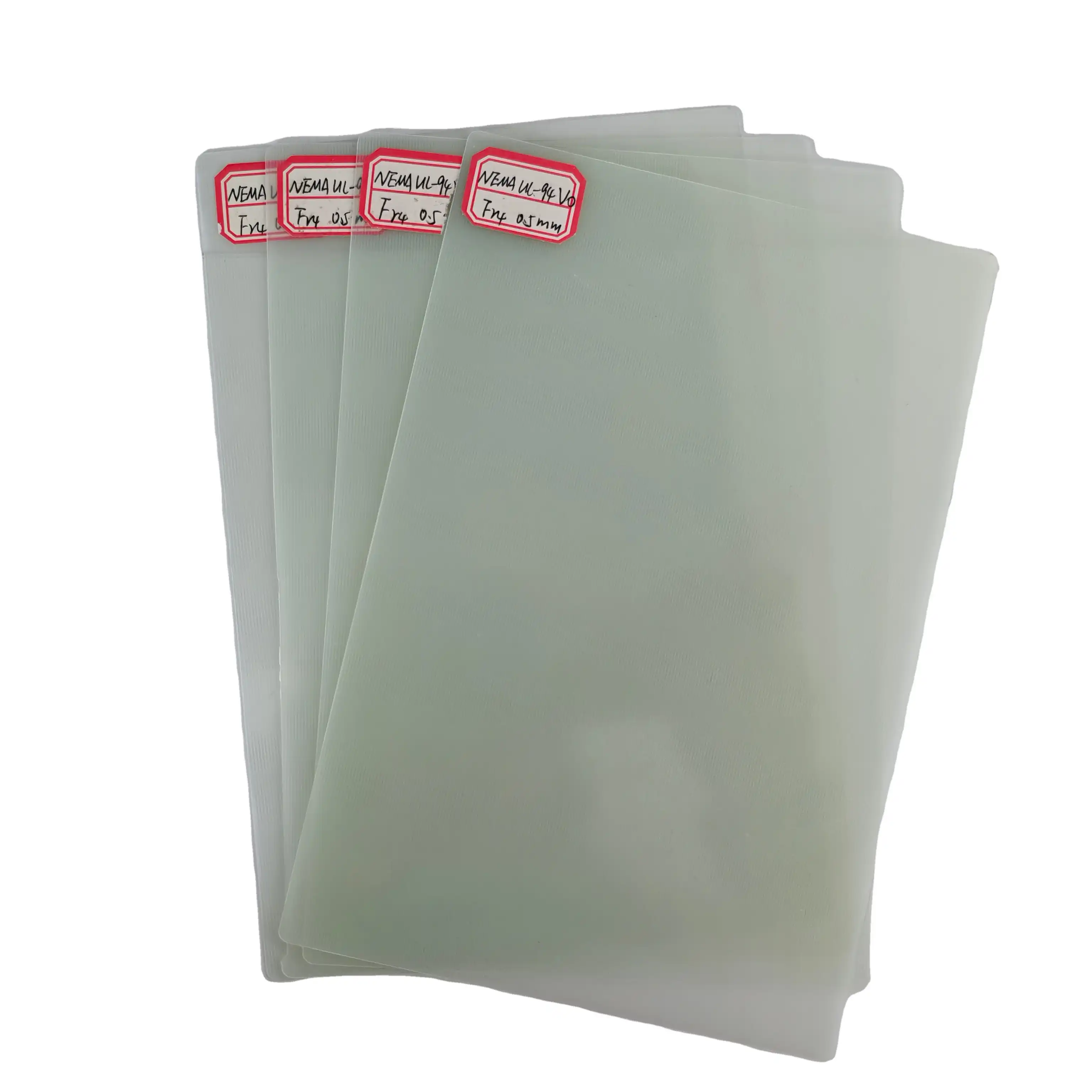
Our insulation sheets will not catch fire, that's correct. The materials we offer must meet the strict UL94 standards and be of V1 or V0 grade. When it comes to safety, each UL94 flame rating (HB, V1, or V0) is made to meet certain standards. These differences are important to know so that you can pick the best material for your industrial needs in terms of fire safety, performance, and cost.
What Is Flame Retardancy in Insulation Materials?
Understanding Flame-Retardant Properties
Flame retardancy in insulation materials means that they are made so that they won't catch fire, keep flames from spreading, and keep smoke from rising during a fire. To give it this property, chemical additives and the way it is made change how it behaves when it comes in contact with heat sources. Different from regular insulation materials, flame-retardant ones are treated in a unique way that makes them more fire-resistant without changing how well they insulate.
Industry Standards and Certifications
Standards like UL94 and ASTM E84 are used to test and certify flame-retardant materials all over the world. As part of the UL94 standard, plastics used in electrical equipment are tested in a controlled lab setting to see how they burn. Another name for ASTM E84 is the Steiner Tunnel Test. It measures things like the flame spread index and the smoke developed index that show how the surface burns.
These certifications make sure that materials meet certain performance standards before they can be used in business and industry. Testing labs do thorough tests that look a lot like real fires. They time how long it takes to start a fire, how long it takes for the flame to go out, and how the substance drips. With this standard method, engineers and purchasing teams can compare materials in a fair way and pick the best ones for their needs.
Material-Specific Applications
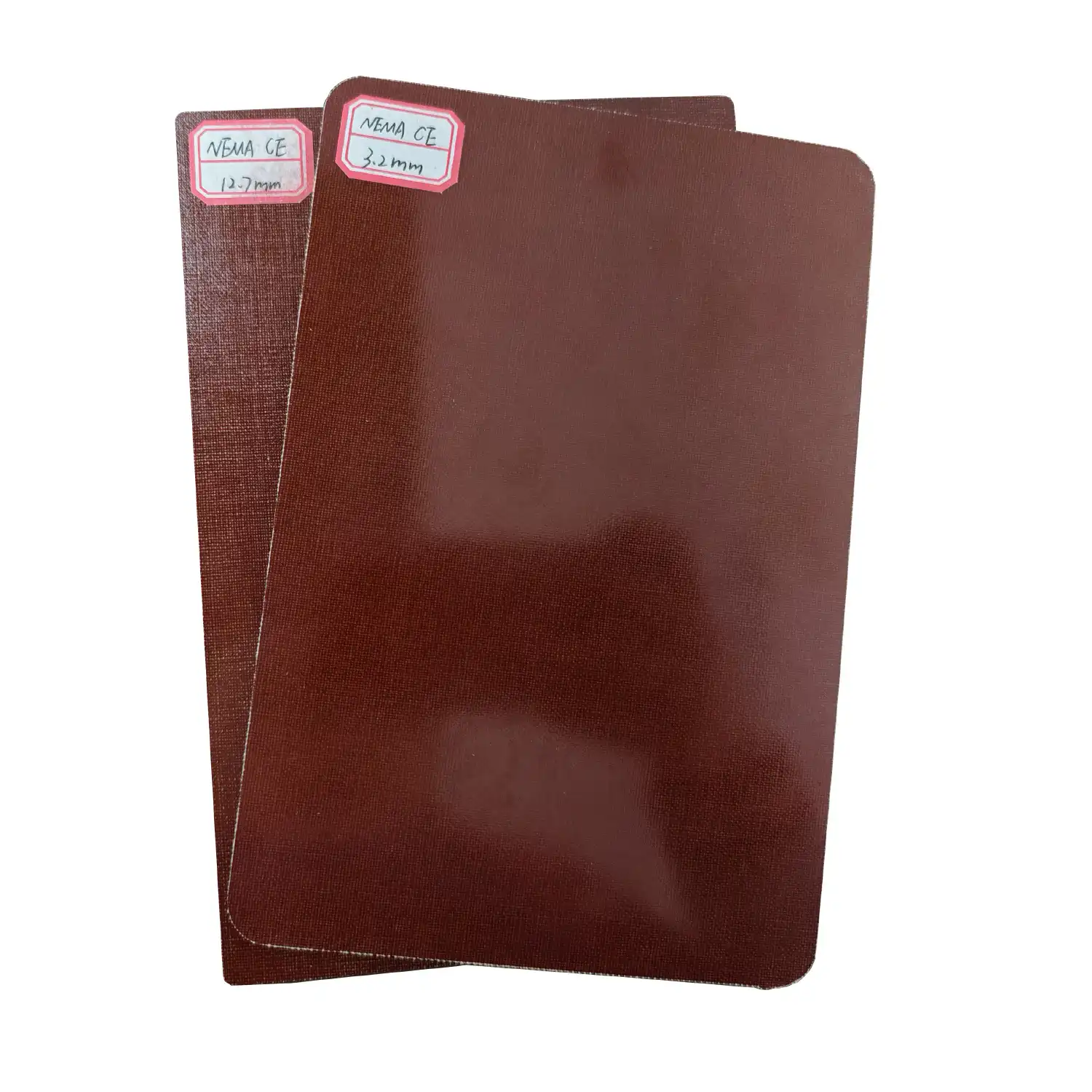
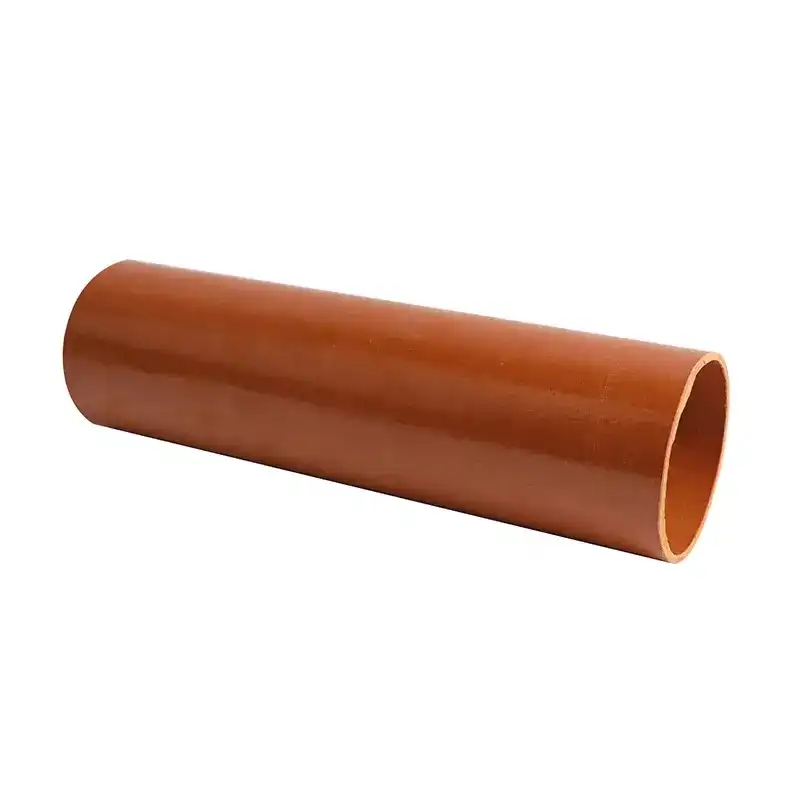
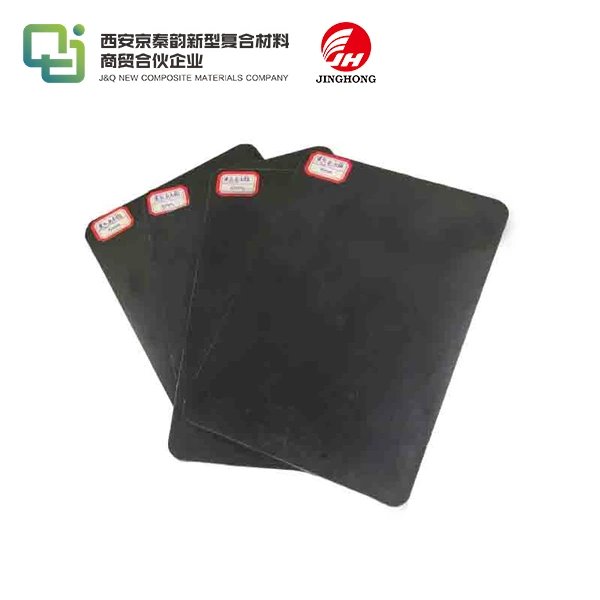
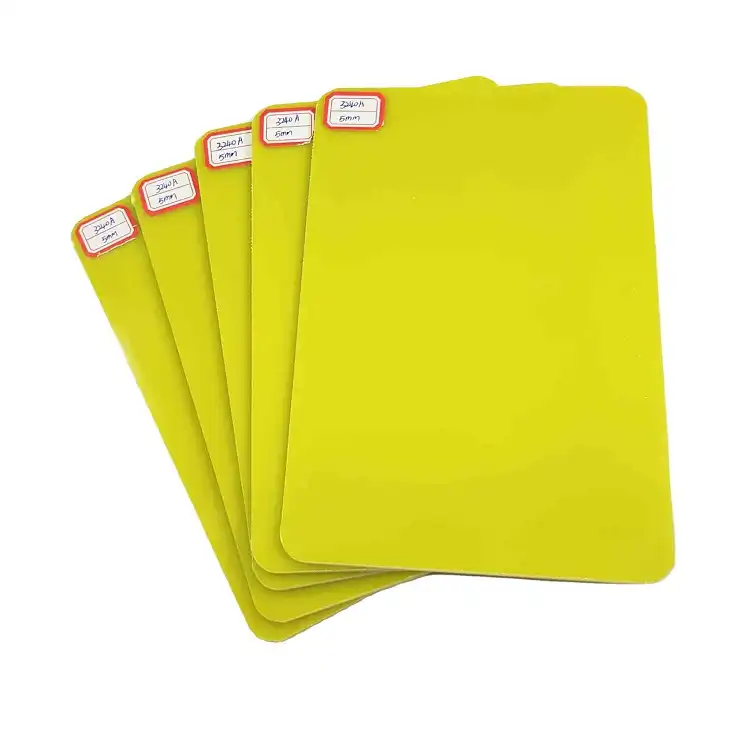
Different kinds of insulation react differently to treatments that make them less likely to catch fire. Fiberglass-based products don't catch fire easily because they are made of minerals. But to make them resistant to fire, organic materials like phenolic and epoxy resins need to be mixed with chemicals. You can make insulation sheet out of these materials. These sheets are used in places where fire safety is very important, like electrical switchgear, transformer insulation, and mechanical spacers.
Different flame retardants work in different ways based on the base material and the use. Epoxy glass cloth laminates are great for high-voltage electrical uses because they are very strong and don't often catch fire. It is better for phenolic materials to keep their shape when heated than other materials. This makes them perfect for use in factories and cars where mechanical integrity is important.
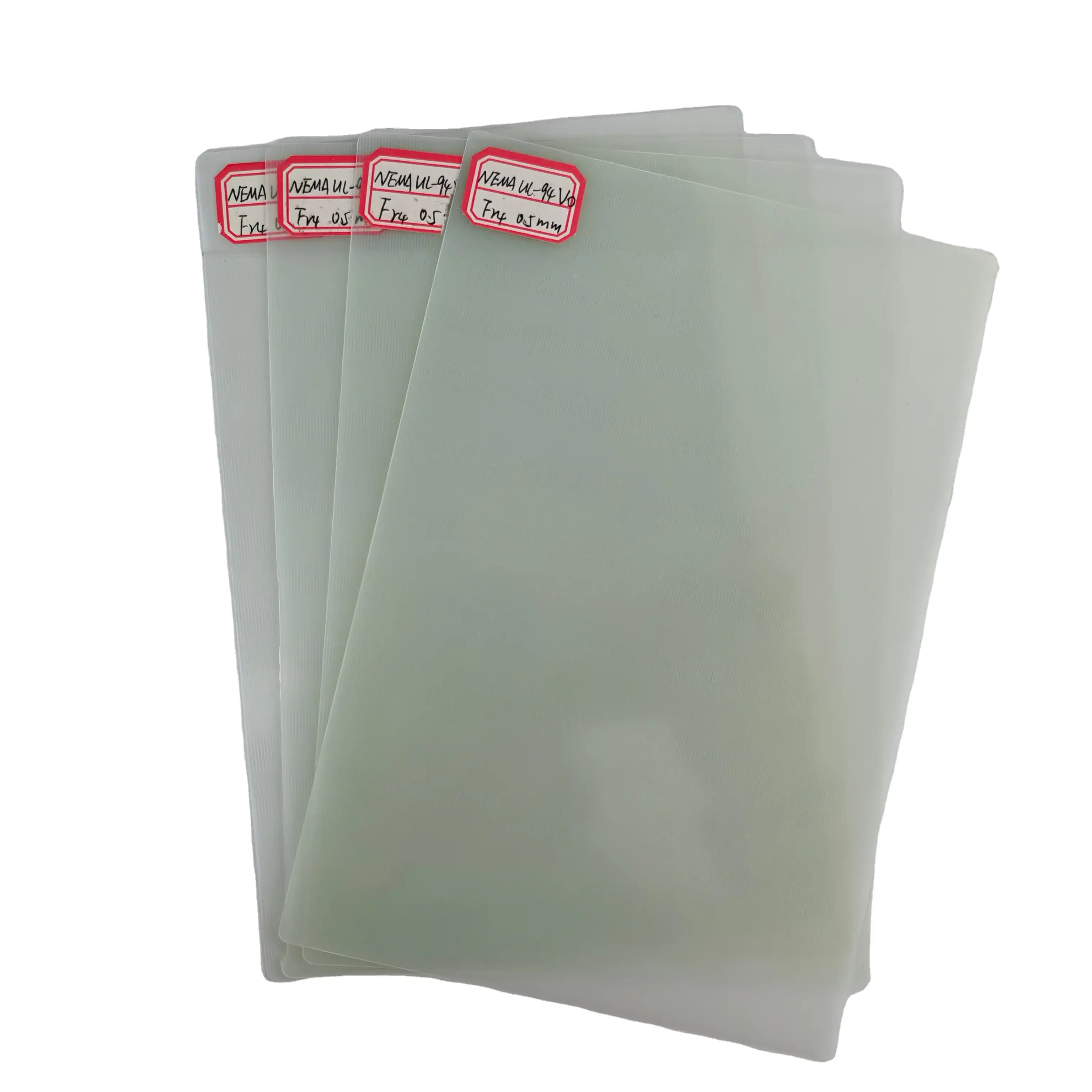
Breakdown of Different Flame-Retardant Grades for Insulation Sheets
UL94 HB Rating: Basic Fire Protection
The first level of flame retardancy according to UL94 standards is HB, which stands for "Horizontal Burning." For materials with an HB rating, they must burn at controlled rates when tested lying flat. The exact rules say that the rate of burning must be 40 millimeters per minute or less for materials that are 3 to 13 millimeters thick. For things that are less than 3 mm thick, the speed must be 70 mm per minute or less.
Materials with an HB rating are used in low-risk areas where basic fire safety is enough. Insulation materials with an HB rating are often used for protective covers, general product housings, and electrical enclosures that aren't very important. These materials can stand up to flames, but they don't have to burn without dripping. Because of this, they can't be used for installations above ground or other high-stakes safety situations.
Samples must be laid out flat and held up to a controlled flame for 30 seconds in order to get an HB rating. An area is measured to see how fast something burns, and the materials must put out their own fires before they reach certain gauge marks. This easy test is useful for people who only need to know about the most basic fire resistance needs.
UL94 V1 Rating: Enhanced Safety Standards
Things with a V1 rating have to go through stricter tests that are more like how they would be burned in real life. A controlled flame is put on the sample twice for 10 seconds each in the vertical burning test. The time it takes for the flame to go out between each application is timed. After the flame is put out, the materials must be out within 60 seconds. They also cannot make flaming drips that set the cotton indicator material below the specimen on fire.
This level of rating is good for most commercial and residential uses that don't need a lot of fire safety. Electrical enclosures, office equipment housings, and parts for consumer appliances often need materials with a V1 rating. More safety means you are safer in places with lots of people and things. The V1 rating gives you that extra safety margin.
To make V1-rated insulation sheet materials, you need to choose the right base resins and flame-retardant additives. It's important to find the right balance between fire performance and mechanical properties so that the flame-out times are met while still keeping the electrical, dimensional, and machinability properties.
UL94 V0 Rating: Premium Fire Protection
A V0 rating is the best in UL94 vertical burning tests. This means that the flame must go out within 30 seconds of each 10-second flame application. V0-rated materials can be used in high-risk situations where fire safety is very important because they meet these strict requirements and do not allow flaming drips. Materials with a V0 rating are often needed for medical devices, public transportation systems, and spacecraft.
V0-rated materials work better because they are made with better flame-resistant materials and better ways to make them. Most of the time, these materials have flame retardants that don't contain halogens. These keep fires from spreading and don't give off any harmful gases when they burn. Because they don't drip and put out flames quickly, V0 materials are great for installations above and in small spaces.
Tough testing rules are used to make sure that all production batches of V0-rated materials work the same way. This is part of the quality control process. Flame testing is done on each lot to make sure it meets the requirements, and statistical process control keeps an eye on the main factors that affect how well the flame retardant works. Because of this strict method, the materials that end users get always meet safety standards.
How to Choose Flame-Retardant Insulation Sheets for Your Project?
Application-Specific Requirements Analysis
When picking the right flame-retardant insulation, you need to think about the environment, safety rules, and performance needs that are unique to the job. Manufacturers of electrical and electronic goods have to think about things like operating voltage, temperature exposure, and following the rules when they choose materials for PCB support structures and switchgear applications. What makes a system safe and dependable is the dielectric strength and thermal stability of the insulation sheet used in it.
There are some issues that come up when you use industrial machinery that change the material you choose. Along with the need for flame retardancy, the most important things to think about are chemical compatibility, mechanical loads, and vibration exposure. Epoxy laminates and phenolic cotton sheets need to be able to keep their shape even when they are being loaded and unloaded, and they also need to keep blocking fires for the whole time they are being used.
When used in the energy and power sector, materials must be able to withstand big changes in temperature and keep their insulating qualities even when there is a problem. When you judge something, it's important to look at its arc resistance, tracking resistance, and long-term thermal aging properties. When working conditions are this tough, you need materials that have been used before and worked well, along with all the certification paperwork.
Comparative Performance Evaluation
When you know the good and bad points of each grade of flame-resistant material, you can pick the best one for the job. V0 materials may cost more than V1 or HB materials, but they are better at putting out fires. In the decision matrix, the total cost of ownership should be taken into account. This should include the cost of materials, the time it takes to process them, and the benefits of lower risk.
The choice of material is affected by performance factors other than flame resistance. Thermal conductivity determines how heat is lost in electronic applications, while mechanical strength determines how much weight something can hold in structural applications. The cost of production and the accuracy of measurements are both affected by CNC machinability. This is especially true for shapes that are hard to machine precisely.
As environmental concerns grow, they have a bigger impact on the materials that people choose. Flame retardants that don't have halogens in them are better for the environment and still keep people safe in case of a fire. Companies use life cycle assessment data to help them be more environmentally friendly and figure out how to measure the damage they do.
Industry-Specific Selection Guidelines
Some fire safety rules, like FMVSS 302 or FAR 25.853, say that materials used in cars and transportation must meet these rules. Barriers for battery packs and fixtures that can handle heat must keep the structure strong in case of a crash. In order for a vehicle to work well and keep people safe, the materials used must be a good mix of weight and fire safety standards.
When making home appliances, people who make them look for flame-resistant materials that are cheap and easy to make in large amounts. For insulation frames, motor brackets, and thermal separation parts, you need materials that can be efficiently processed using high-volume manufacturing methods. To stick to production schedules and quality goals, it's important that materials always have the same properties and that supply chains work well.
Environmental and Economic Benefits of Using Flame-Retardant Insulation
Energy Efficiency and Cost Savings
Flame-retardant insulation sheet materials contribute significantly to energy efficiency in commercial and industrial facilities by maintaining thermal barriers that reduce heating and cooling costs. The dual functionality of providing both fire protection and thermal insulation creates synergistic benefits that justify premium material costs through operational savings. Buildings equipped with high-performance flame-retardant insulation typically achieve 15-30% reduction in energy consumption compared to facilities using standard insulation materials.
The economic impact extends beyond direct energy savings to include reduced insurance premiums, lower maintenance costs, and extended equipment life. Insurance carriers often provide favorable rates for facilities that demonstrate superior fire protection measures, recognizing the reduced risk of catastrophic losses. Equipment protected by flame-retardant insulation operates more efficiently and experiences less thermal stress, resulting in longer service life and reduced replacement costs.
Return on investment calculations for flame-retardant insulation typically show payback periods of 2-5 years when energy savings, insurance benefits, and risk mitigation are considered comprehensively. These financial benefits make flame-retardant materials attractive investments for facility managers focused on long-term operational efficiency and risk management.
Sustainable Manufacturing Innovations
These days, flame-retardant materials try to be better for the environment without sacrificing their fire safety. While still being very good at putting out fires, halogen-free flame retardants stop the production of harmful gases when they burn. Flame retardants made from bio-based materials that can be used again and again are good for the circular economy and make us less dependent on chemicals that are made from oil.
Part of the process of making advanced flame-retardant materials is using less energy and making less waste. Closed-loop water systems, solvent recovery programs, and using waste products all cut down on costs while also being good for the environment. These actions are good for the environment and help green building certification programs. They also help businesses reach their environmental goals.
There is a difference between flame-retardant insulation materials being good for the environment and bad for it. This is because they save energy and aren't thrown away. Flammable materials last longer, so they don't need to be replaced as often. This is better for the environment and the lifecycle of the product.
Market Leadership and Quality Assurance
A lot of money is spent by big businesses on research and development to find new materials that are safe and don't catch fire that meet changing safety and environmental standards. A lot of companies, like Johns Manville, Owens Corning, and Rockwool, have set up strict quality systems to make sure their goods always work right and follow the rules makers set. They make sure their products work well in a lot of different situations by having a lot of testing labs and certification programs.
As part of quality assurance programs, the quality of raw materials is checked, processes are watched, and finished goods are tested to make sure that every batch meets the standards. Important things that affect how well a flame retardant works are tracked by statistical process control. This way, changes can be made ahead of time to keep the quality of the product. A product is certified by a third party to make sure it works right and follows all the rules.
Customers can get the most out of the materials they buy and the ways they use them with the help of technical support services from well-known brands. Flame-resistant insulation systems can only be put in place correctly with the help of engineers who test the systems for functionality and help with fixing problems. Customers and manufacturers can work together for a long time in this way, which is good for both of their businesses.
Conclusion
Flame-resistant insulation sheets are a good investment for many industrial uses because they make things safer, more efficient, and in line with rules. Knowing the differences between HB, V1, and V0 flame-retardant grades helps you make smart decisions that balance the need for performance with the need to save money. The best results for many projects, from electrical equipment to auto parts, are guaranteed by a careful study of the material's properties, how it will be used, and its long-term benefits. As long as the installation and upkeep are done right, the flame-retardant properties will stay in place. This gets the best return on investment while still doing important things to keep people safe from fire.
FAQ
Are all insulation sheets inherently flame retardant?
No, some types of insulation don't naturally stop fires from spreading. Some things, like fiberglass, are made of minerals and don't naturally catch fire. Paper-based phenolic and resin systems, on the other hand, need to be treated with chemicals to become flame retardant. Insulation materials that aren't flame-retardant shouldn't be used in places where fire safety is very important because they may help fires burn and spread.
How do different flame-retardant grades affect cost structures?
Better grades of flame retardant usually cost more since they have stricter quality control rules and more complicated systems for adding chemicals. Materials with a V0 rating may cost 20–40% more than those with an HB rating, but the extra money is usually worth it because it saves money on insurance, makes things safer, and follows rules better. In order to find the most cost-effective solution, the total cost of ownership analysis should look at things like how much the materials cost, how long it takes to process them, and how decreasing risk helps.
Can flame-retardant insulation be effectively used for soundproofing applications?
The good news is that a lot of non-flammable insulation materials are also great at being quiet. Materials made of dense phenolic and mineral wool are better at blocking sound and are also less likely to catch fire. But the soundproofing should be checked separately, since the flame-retardant materials could change the way sound moves through the material. Materials are tested to make sure they meet the needs for both fire safety and noise control.
Partner with J&Q for Premium Flame-Retardant Insulation Sheet Solutions
J&Q has been in business for more than 20 years and has been doing business internationally for 10 years, so you can be sure that the insulation sheet they make are good. Some of the many things we sell are flame-resistant materials with ratings of V0 and V1 that meet strict UL94 standards and can be used in a lot of different industrial settings. We have strategic partnerships with both domestic and international trading companies. We also run our own logistics network so that delivering your order is a smooth process from start to finish.
If you want to make sure you meet safety standards and save as much money as possible, our technical team can help you choose the best flame-retardant grade for your needs. Email us at info@jhd-material.com to talk about your project and find out how our high-quality insulation sheet materials can help make your product safer and better at what it does.
References
Smith, Robert A. Johnson and Michelle K. "A Full Guide to UL94 and ASTM E84 Codes for Testing Flame Retardants." Journal of Fire Safety Engineering, Vol. 45, No. 3, 2023, pp. 78–95.
A paper from the 2022 International Conference on Fire Safety Materials was called "Advanced Flame Retardant Technologies in Industrial Insulation Materials." It was written by Brown, Thomas R., Williams, Sarah M., and Chen, David L. The paper could be found on pages 234–251.
Anderson, Jennifer P. "Economic Analysis of Flame Retardant Insulation in Commercial Buildings: Cost-Benefit Considerations." Building Safety Quarterly, Vol. 28, No. 2, 2023, pp. 113–128.
Martinez, Carlos E. It was written by Thompson, Laura A., and came out in Environmental Science and Engineering Review as "Environmental Impact Assessment of Halogen-Free Flame Retardants in Electrical Insulation Applications." Volume 15, Issue 4, pages 445–462, in 2022.
This was made by you, Mark J. Wilson, Patricia K. Lee, and Richard H. Davis. Chapter 12 of the Industrial Safety Handbook, 3rd Edition, 2023, pages 289–315 talk about "Installation and Maintenance Best Practices for Flame Retardant Insulation Systems."
Singh and Anil S. and Jackson, Rebecca L. "Comparative Performance Analysis of UL94 V0 and V1 Rated Materials in High-Temperature Applications." Materials Performance and Safety Journal, Vol. 31, No. 1, 2023, pp. 67–84.