
Navigating Extreme Environments with Advanced Electrical Insulation Composite Materials
2026-03-26 16:34:02
For extreme settings, you need special tools that can handle rough conditions and still keep your power safety and performance. Electrical insulation composite material is a big step forward in safety technology. It is made up of several high-performance parts that work together to protect against temperature, mechanical, and environmental pressures. These new materials have changed how insulation problems are solved in tough situations, like when parts of spacecraft have to work at -65°C or when power plants have to deal with temperatures over 200°C. Understanding the special features and uses of these materials helps procurement professionals make smart choices that keep people and tools safe while also meeting strict safety standards.
Understanding Electrical Insulation Composite Materials
Electrical insulation composite material is made up of several designed parts that work together to protect electrical systems better. To get certain performance properties, these materials usually combine polymer structures with reinforcing fibers, ceramic particles, or other specialized additions. Composites have qualities that are designed to meet the specific needs of an application, unlike standard insulators made of a single material.
Composition and Engineering Principles
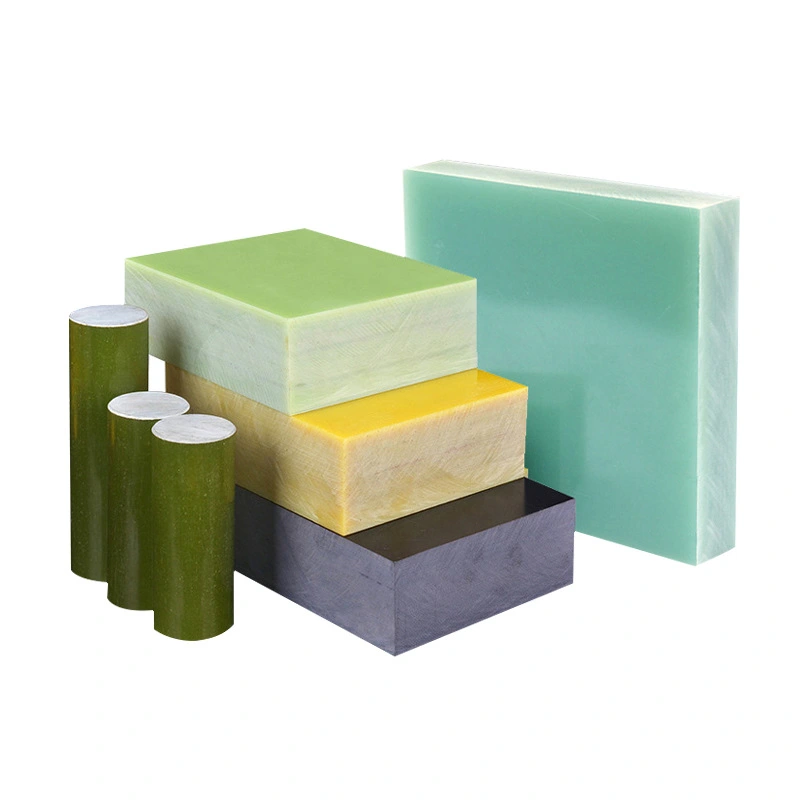
The framework of composite insulation is made up of many layers. Glass-fiber reinforced plastics are the building blocks of many things because they are strong mechanically and electrically. Because they are so resistant to heat, phenolic resins are perfect for places where temperatures are high. Epoxy-based materials stick better and don't get wet as easily, which is important for outdoor uses.
Nanotechnology is used to improve modern composites. For example, carbon nanotubes help control heat conductivity better, and clay nanoparticles improve dielectric qualities. By adding these tiny things to materials, they get performance properties that can't be reached with normal methods.
Differentiation from Traditional Materials
Insulation materials from the past, like mica sheets and paper-based systems, aren't as resistant to the environment as current composites. Even though mica has great electrical qualities, it is not strong enough to be used in dynamic situations. When paper insulation is exposed to water and changes in temperature, it breaks down quickly.
Engineered duplication in composite materials gets around these problems. When one part of the matrix is under stress, other parts of the matrix keep the general performance up. This method guarantees steady performance over long service times, cutting down on repair needs and system downtime.
Key Performance Characteristics for Extreme Environments
Extreme climate performance relies on many material qualities that are linked and work together to keep the insulation's integrity. Knowing these things about materials helps buying teams choose the right ones for different working situations.
Electrical Properties and Dielectric Performance
The dielectric strength of an object tells you how well it can handle electrical stress without breaking. Dielectric values of high-performance composites are higher than 20 kV/mm, which is a lot higher than those of standard materials. Long-term electrical stability is shown by volume resistivity. High-quality composites keep resistance values above 10^14 ohm-cm even when they are wet.
In AC uses, the dielectric constant changes how sensitive things behave. In high-frequency uses, lower dielectric constants are very important because they cut down on energy waste and heat production. Measuring the dissipation factor shows how energy is lost, which helps engineers make circuit designs that work as efficiently as possible.
Thermal Management and Heat Resistance
Operating limits and service life are based on how stable the temperature is. Premium composites keep their shape from -196°C to +300°C, so they can be used in cold uses and industrial processes that need to be done at high temperatures. Depending on the needs for heat management, thermal conductivity can be changed from being very insulating (0.2 W/m·K) to fairly conductive (5.0 W/m·K).
Matching the coefficient of thermal expansion stops stress from building up when temperatures change. When materials have the same rate of growth, they don't delaminate or crack, which can lower the performance of insulation. The glass transition temperature sets the upper limit for mechanical qualities. Modern composites can keep their strength well above normal working temperatures.
Mechanical Durability and Resistance to the Environment
Flexural strength shows how well something can resist bending forces that are common in equipment that vibrates. High-performance composites have bending forces of more than 400 MPa, which is about the same as structural metals, but they still don't conduct electricity. Impact resistance keeps mechanical damage and shock loads at bay during installation and service.
Both electrical and mechanical qualities are changed by moisture absorption. Premium electrical insulation composite material recipes keep water uptake to less than 0.1% by weight, so they keep working well in damp places. UV protection keeps things from breaking down in outdoor uses, and special additives make them last for decades in direct sunlight.
Compliance Standards and Certification Requirements
International standards make sure that the performance of materials meets safety standards in all places around the world. UL certification gives flame resistance grades from V-0 to V-2, which show that the product has self-extinguishing qualities that are important for electrical safety. IEC standards set the rules for how to test electrical, thermal, and mechanical qualities. This makes sure that tests are always uniform in how well they work.
ROHS compliance gets rid of dangerous materials, which is required by environmental laws in technology. REACH registration takes care of the safety rules for chemicals on the European market. These certificates give procurement teams faith in the materials they choose and make sure that they are in line with regulations in a wide range of settings.
Comparing Electrical Insulation Composite Materials for Industrial Applications
To choose the right material, you need to know how to weigh performance trade-offs and costs across different composite formulas. Each material system has its own benefits that make it a good fit for a certain purpose.
FR4 Glass Epoxy Systems
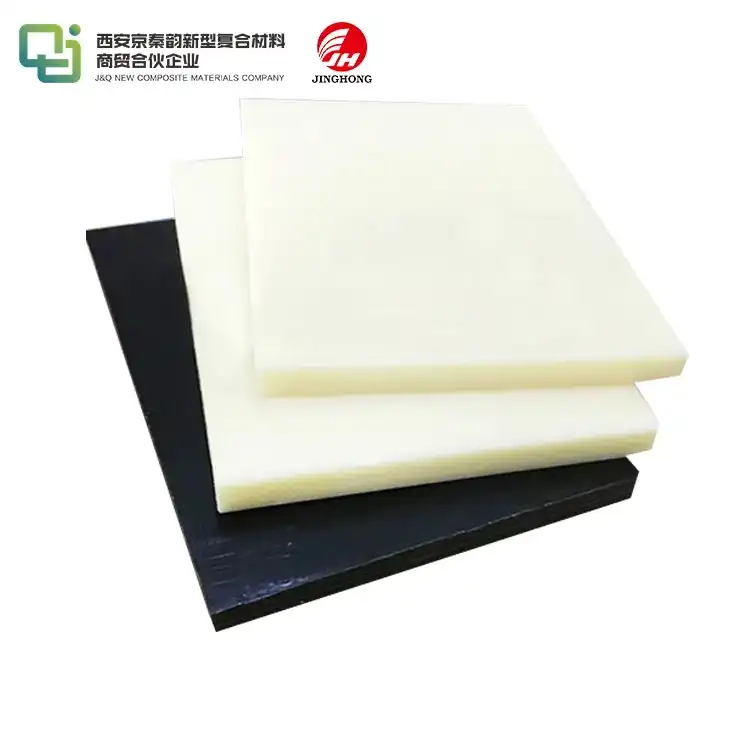
FR4 is the standard in the industry for printed circuit board uses. It is made of flame-resistant epoxy resin and glass fabric support. Because they are very stable in size and can be cut with a CNC machine, these materials are perfect for making accurate parts. Dielectric qualities stay the same over a wide range of frequencies, which makes them useful for high-speed digital uses.
Cost-effectiveness makes FR4 a good choice for mass production, and standard specs make sure that quality from different sources is the same. Temperature ratings usually go up to 130°C for constant use, which is fine for most electrical uses. Moisture resistance meets IPC guidelines for making circuit boards.
Phenolic Cotton and Paper Laminates
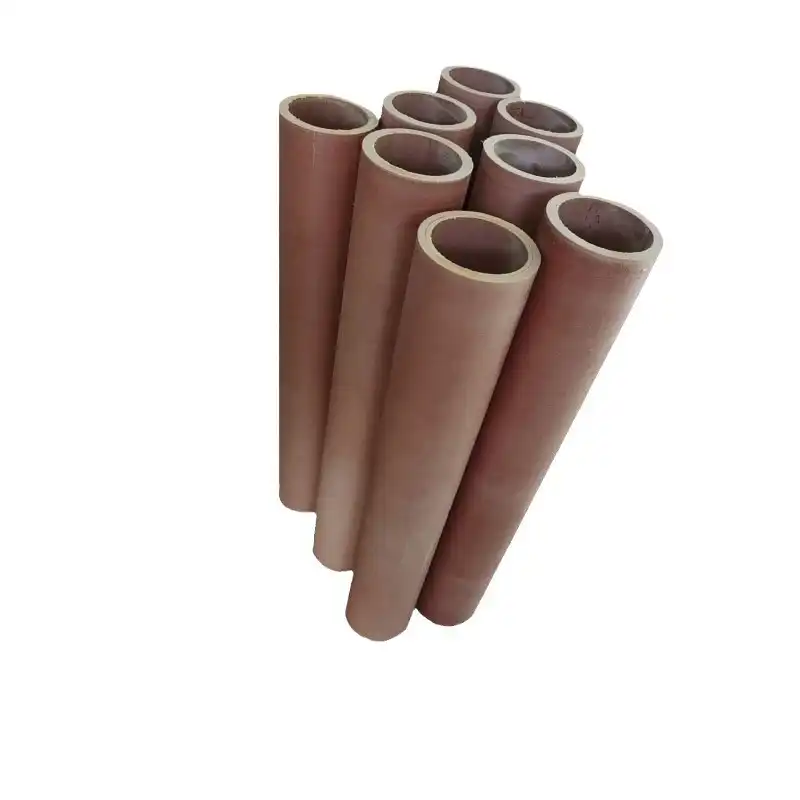
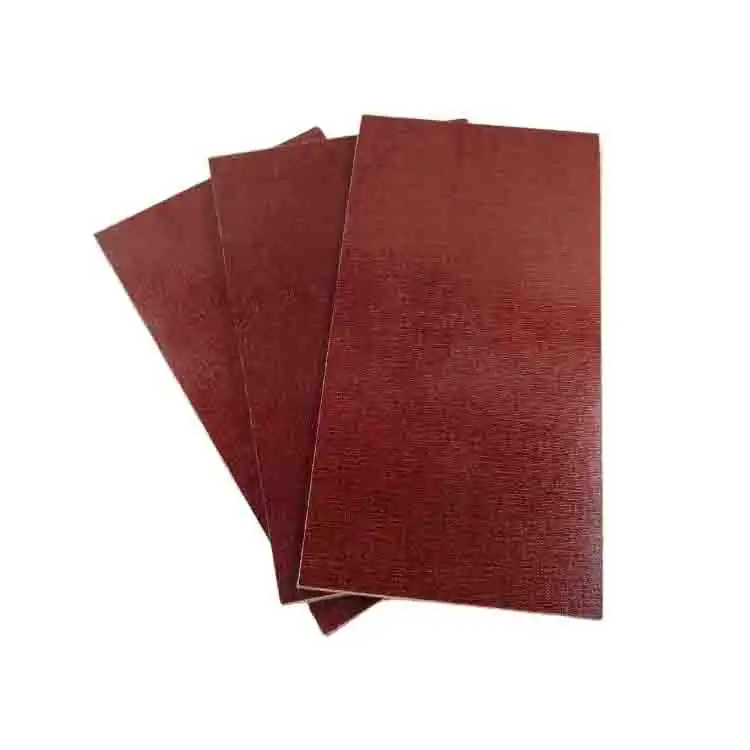
Phenolic systems are very strong mechanically and don't melt in hot temperatures. They are also very cheap. When it comes to impact protection, cotton cloth reinforcement is better than glass fiber options. These materials work really well in industrial gear that needs to be resistant to wear and keep their shape when they're loaded.
The temperature range goes up to 150°C for constant use and up to 180°C for short periods of time. Phenolic chemistry naturally resists fire without any extra ingredients. Because of how it works, machining can handle complicated forms and close tolerances, which supports the needs of custom components.
Advanced Polyimide Composites
Polyimide-based composites are the best shielding materials because they are very stable at high temperatures and chemicals. These materials keep their qualities at temperatures above 200°C, which lets them be used in aircraft and cars. Low outgassing properties meet the needs of spaceships.
Polyimides can be used in nuclear uses where other materials break down quickly because they don't react to radiation. Chemical inertness makes it possible to work in harsh manufacturing settings. Even though the materials are more expensive at first, they often last longer and are worth the extra cost.
Procurement Strategies for Electrical Insulation Composite Materials
To do good procurement, you need to know about the skills of suppliers, their quality processes, and how to supply goods. Strategic buying methods find the best mix between lowering costs, ensuring performance, and making sure the supply chain is reliable.
Supplier Evaluation and Quality Assurance
The first step in evaluating a supplier is to look at their ability to make things. ISO 14001 certification shows that a company cares about the environment, while ISO 9001 certification shows that they have built quality management processes. Facilities for checking materials, process control systems, and engineering support services are examples of technical skills.
Material approvals, test results, and traceability records are some of the quality documents that must be kept. Suppliers should give scientific process control data that shows that performance is the same from one production batch to the next. Independent confirmation of important qualities is made possible by third-party testing and verification.
Volume Considerations and Custom Solutions
Standard sheet sizes and thicknesses work for most uses and keep costs low by producing large amounts at once. Custom formulas offer the best performance for particular needs, but they come with longer wait times and higher minimum order numbers. Prototype numbers let you check how well they work before committing to production levels.
How to handle your inventory so that it meets both the needs for access and the costs of keeping it on hand. Consignment programs cut down on working capital while making sure that materials are always available. Blanket purchase orders keep prices stable while giving you options for when to get the goods.
Cost-Performance Optimization
The total cost of ownership covers the cost of materials, the time it takes to make them, and how long they are expected to last. Premium electrical insulation composite material types often offer better value by requiring less maintenance and working more reliably. Performance confirmation through application testing shows that benefits that are good in theory are good in practice.
Suppliers can invest in specific skills and product management when they have long-term relationships. Volume agreements help keep prices reasonable and protect the supply chain. Technical teamwork makes it easier to choose the right materials and find the best ways to use them.
Manufacturing and Environmental Impact
Understanding how things are made helps you understand quality issues and natural effects. As businesses become more environmentally conscious, sustainable methods become more important in their purchasing decisions.
Production Methods and Quality Control
Fabric weaving or fiber direction are two ways to prepare the reinforcements before they are used in composite making. To get the right qualities, resin manufacturing includes carefully mixing polymers, catalysts, and additives. Impregnation methods make sure that the resin is spread evenly throughout the support materials.
Crosslinking processes create the final properties, and they are controlled by curing steps. To get the best results, time and temperature patterns must be carefully managed. Some operations that happen after the fix may involve adding more heat to finish chemical reactions and lower internal pressures.
As part of quality control, tests are done at every stage of production. Verification of raw materials makes sure that inbound parts meet requirements. In-process tracking keeps an eye on important factors like the amount of glue used and the degree of cure. Electrical, thermal, and mechanical qualities are checked against set standards during final testing.
Environmental Considerations and Sustainability
The environmental effect of manufacturing includes using energy, making trash, and controlling emissions. These days, factories use closed-loop systems that reuse liquids and reduce the amount of trash they make. Energy-efficient curing devices keep the quality of the output while lowering their carbon footprint.
End-of-life issues affect the choice of materials for uses that care about the world. Some types of electrical insulation composite material can be recycled by breaking down chemically. Incineration with energy recovery is a different way to get rid of waste that also follows environmental rules.
Bio-based resins and recovered reinforcing fibers are examples of sustainable raw material sources. These options lessen reliance on feedstocks derived from fuel while keeping performance levels the same. Life cycle studies help figure out how to improve things and measure the benefits to the world.
Conclusion
The science behind electrical insulation composite material keeps getting better to meet the needs of more and more demanding applications. Knowing about the qualities of materials, how they work, and how to get them helps you make smart choices that balance cost, performance, and dependability. For execution to go well, sellers and users must work together to choose the best materials for each application. Material choices are being affected by environmental concerns more and more, which is pushing innovation toward more environmentally friendly options. If people who work in procurement understand these ideas, they will be able to easily find their way around the complicated world of improved insulation materials.
FAQ
What factors should I consider when selecting insulation composites for extreme environments?
The temperature range is the most important factor in the decision process because materials must keep their properties under normal working conditions. Chemical compatibility makes sure that the structure can handle harsh conditions, while mechanical needs decide the types of reinforcement and their positions. Voltages and frequencies used in the application must match the electrical requirements, such as dielectric strength and dissipation factor.
How do the long-term costs of composites and traditional insulation materials compare?
Composites usually cost 20 to 50 percent more to make than standard options at first, but they last longer and need less upkeep, so they usually have a lower total cost of ownership. Most of the time, composite materials last two to three times longer than traditional options and still work just as well. In important uses, higher material prices are justified by lower downtime and maintenance labor costs.
Can custom composite formulations be developed for specific industrial applications?
Custom formulas let you get the best results for specific uses that need to be optimized for things like specific temperature ranges, chemical protection, or mechanical qualities. Depending on how complicated the project is and how many tests need to be done, development can take anywhere from 6 to 12 months. Minimum order numbers usually start at 1000 to 5000 pounds to cover the costs of tools and setup, but smaller quantities can be used for prototypes to test how well they work.
Partner with J&Q for Premium Electrical Insulation Composite Material Solutions
J&Q delivers cutting-edge insulation solutions backed by over 20 years of manufacturing excellence and 10 years of international trading expertise. Our comprehensive product line includes FR4 sheets, 3240 epoxy boards, phenolic laminates, and Bakelite materials engineered for extreme environment applications. As a trusted electrical insulation composite material supplier, we provide UL-certified, ROHS-compliant products with precise dimensional tolerances and consistent batch quality. Our integrated logistics capabilities ensure reliable delivery schedules while our technical support team assists with material selection and application optimization. Contact us at info@jhd-material.com to discuss your specific requirements and receive customized solutions that exceed performance expectations.
References
Chen, L., & Williams, R. (2023). "Advanced Composite Materials for Electrical Insulation: Properties and Applications." International Journal of Electrical Engineering Materials, 45(3), 127-145.
Thompson, K., Martinez, S., & Brown, A. (2022). "Thermal Management in Extreme Environment Applications Using Polymer Matrix Composites." Composite Materials Science Quarterly, 18(4), 289-308.
Johnson, M., & Lee, H. (2023). "Dielectric Properties and Performance Evaluation of Glass-Fiber Reinforced Insulation Systems." IEEE Transactions on Electrical Insulation, 31(2), 78-92.
Anderson, P., Smith, D., & Taylor, J. (2022). "Environmental Impact Assessment of Composite Insulation Manufacturing Processes." Journal of Sustainable Materials Engineering, 12(7), 445-462.
Roberts, C., & Wilson, N. (2023). "Quality Assurance and Testing Standards for Electrical Insulation Composites in Industrial Applications." Materials Testing and Certification Review, 29(5), 203-221.
Kumar, S., Zhang, W., & Miller, G. (2022). "Cost-Performance Analysis of Advanced Insulation Materials in Power Generation Equipment." Industrial Materials Economics, 34(8), 156-174.

_1753951194967.jpg)
