What Thicknesses and Sizes Are Available for G10/FR4 Sheets?
2026-03-27 17:16:07
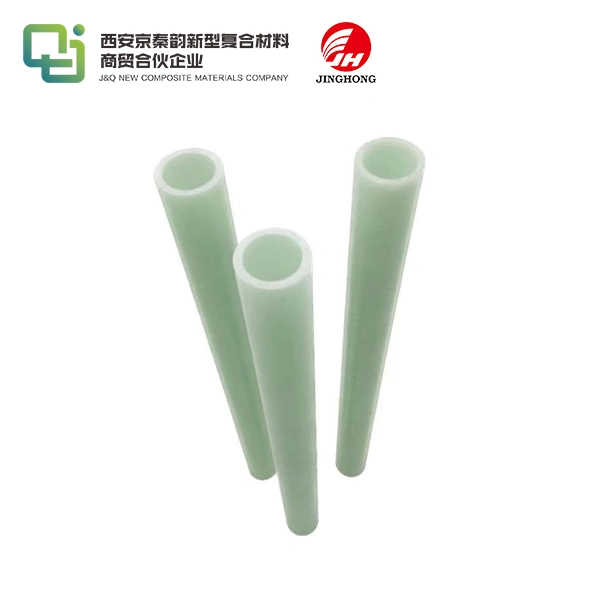
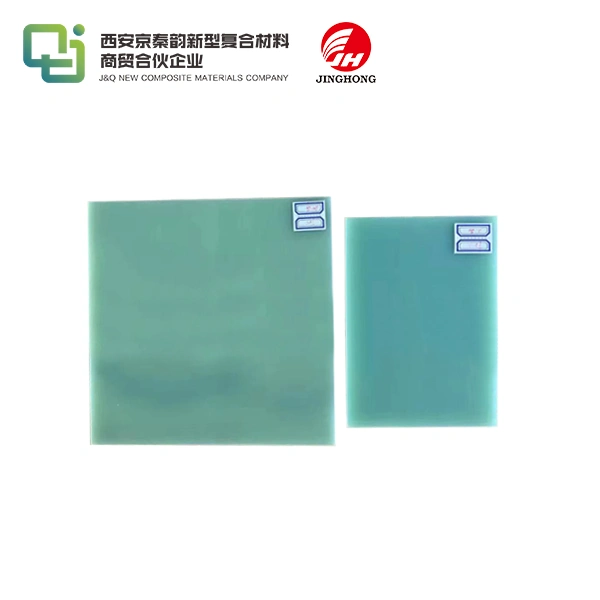
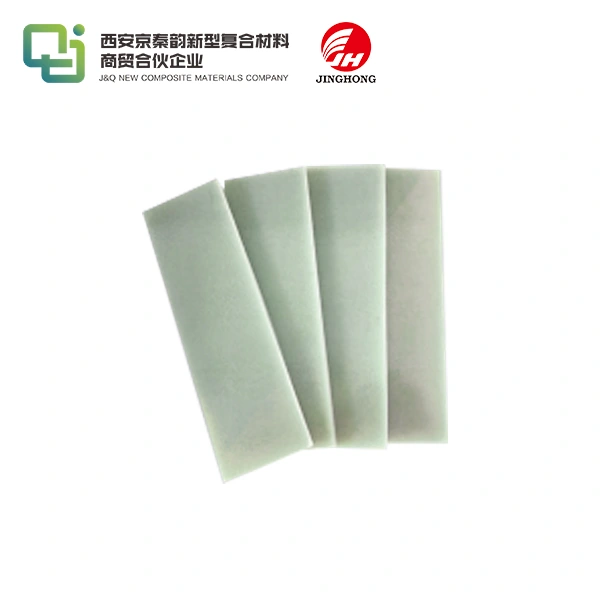
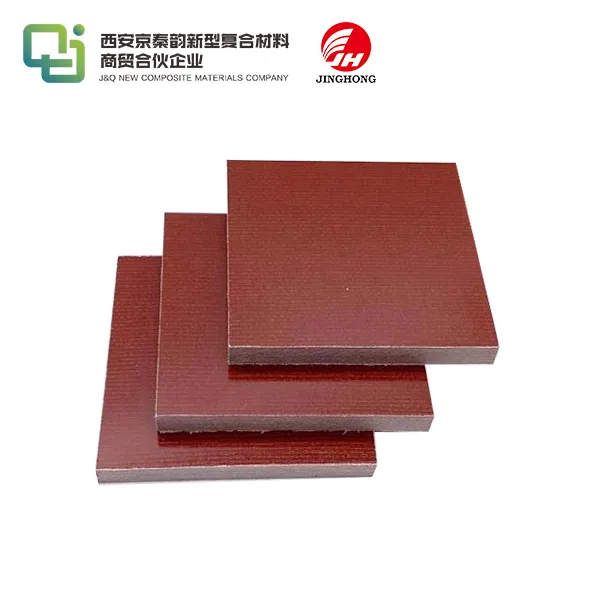
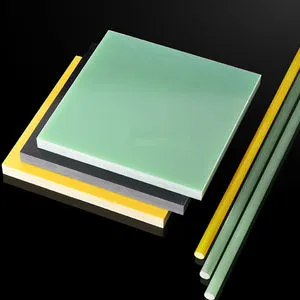
G10 and FR4 sheets come in a wide range of thicknesses, from 0.3mm to 150mm, and common sheet sizes are 1020mm x 1220mm and 1220mm x 2440mm. Most industry uses in the electronics, machinery, power production, and car sectors can be met by these G10/FR4 sheet sizes. Custom cutting and measuring services make sure that exact measurements are met for unique needs. These glass-epoxy composite materials are flexible and can be used for many things, like heat management, electrical insulation, and structural parts.
Understanding G10/FR4 Sheet Dimensions and Thicknesses
The measurements of glass-epoxy laminates are very important for figuring out what kinds of commercial uses they can be used for. Modern ways of making things let these composite materials be made in a wide range of thicknesses to meet a wide range of technical needs.
Comprehensive Thickness Range Available
G10/FR4 sheet materials come in a range of widths, from 0.3 mm for very thin purposes to 150 mm for heavy-duty structural uses. This amazing range can fit a wide range of things, from delicate electronic parts that need very low profile heights to heavy-duty industrial machinery that needs a lot of mechanical strength. The precise production method keeps thickness tolerances the same across the whole range, which makes sure that the product will work reliably in important situations.
Thinner sheets, about 0.3 mm to 3 mm thick, are mostly used in electronic applications that need to save room by using sheets with the least amount of thickness possible without sacrificing their insulating properties. Three- to twenty-five-millimeter-thick sheets are widely used in electrical switches, motor parts, and general insulation tasks. For structural uses, bearing surfaces, and high-load mechanical parts, sheets that are thicker than 25 mm offer great mechanical strength.
Standard Sheet Dimensions and Availability
Standard sheet sizes of 1020x1220mm and 1220x2440mm are the most popular sizes asked for in commercial markets. These measurements are in line with what standard production tools can do and make the best use of material for most cutting patterns. The 1220x2440mm size is bigger enough to fit large panel needs while still being cost-effective because it reduces waste during production.
These standard sizes help both wholesalers and end users keep track of their supplies more efficiently. The consistent sizes make it possible to plan for wait times, standardize packing, and make transportation easier. Standard sizes make manufacturing more efficient, which leads to low prices while still meeting the high quality standards needed for industry uses.
Custom Cutting and Specialized Sizing Options
In addition to standard sizes, custom cutting services can meet the specific needs of a job that standard sheets can't. Advanced CNC machining lets customers get exact cuts that meet their needs, even for complicated forms, holes, and exact measurement limits. This freedom is very helpful for OEM makers who need parts that fit perfectly or have unique forms.
Custom size services include both small, precise cuts for electronic parts and bigger panels for use in factories. The process of cutting keeps the integrity of the material while reaching the tight tolerances in size that are needed for precision uses. Lead times for custom cutting can be as short as one day or as long as several weeks, based on how complicated the job is and how many of them there are.
Key Factors Influencing Thickness and Size Selection
Choosing the right G10 sheet and FR4 sheet thickness and size parameters takes careful thought about many technical factors that have direct effects on performance, cost, and the ability to make the product. By knowing about these factors, you can make decisions that improve both technical success and economic efficiency.
Electrical Insulation Requirements and Voltage Ratings
When it comes to high-voltage uses, the performance of electrical shielding is directly related to the thickness of the material. Thinner G10/FR4 sheet materials work best in low-voltage electrical systems where only a few insulation barriers are needed. On the other hand, thicker sheets protect power distribution equipment better against breakdown voltage. The electrical strength of these materials stays the same as the thickness changes, but their ability to withstand high voltages rises as the thickness does.
Because of safety rules and working voltage levels, power production and delivery uses often need certain minimum thicknesses. For example, transformer makers need large width gaps to make sure that their products will still work reliably when something goes wrong. Because of these needs, stronger sheets are chosen, even though they might cost more.
Mechanical Strength and Load-Bearing Capacity
Because mechanical performance changes a lot with material thickness, this factor is very important for structure uses. Thinner strips are strong enough for light-weight uses, but they might not be stiff enough for heavy-duty mechanical parts. It is important for harsh industrial settings that sheets are thicker because they have better folding strength, compression resistance, and impact tolerance.
For industrial gear to work, parts often need to be very strong so they can handle working stresses, vibrations, and changes in temperature. The glass-fiber support in these composite materials makes them very strong for their weight, but the actual load-bearing capacity goes up a lot as the thickness goes up. This relationship determines the width that is used in construction situations where strength is more important than weight.
Thermal Management and Heat Dissipation
Different thicknesses have different thermal performance qualities that affect how heat is transferred and how stable the temperature is in working environments. Although thicker sheets have more thermal mass, they may make it harder for heat to move in situations where thermal cycling needs to happen quickly. Additionally, smaller sheets are good at moving heat, but they can't hold much heat for uses that need to absorb it.
In industrial and automotive settings, temperature loads are common and can affect the choice of material. In electric cars, battery pack walls need to be a certain thickness to protect against heat while also being light. In the same way, parts of industrial motors have to be able to handle constant thermal cycles while keeping their shape over long periods of time.
Comparison of Thickness and Size Options: G10 vs FR4
While G10 and FR4 materials share fundamental glass-epoxy construction, subtle differences in formulation and flame retardancy affect their optimal thickness and sizing applications. Understanding these distinctions enables precise material selection for specific performance requirements.
Material Performance Characteristics
G10 sheets usually have better mechanical qualities, especially in thicker parts where strength over flame resistance is more important. Standard G10 versions don't have any flame-retardant additives, which can make the mechanical properties and machining features a little better. Brominated flame retardants are used in FR4 products to get UL94 V-0 grades while still performing very well overall.
The flame-retardant properties of G10/FR4 sheet materials become more critical. In thicker sections, where fire safety worries are greater than small mechanical benefits. Due to regulatory standards, almost all electronics uses need FR4 materials, no matter how thick they are. In industrial settings, either material may be used based on fire safety rules and the need for high motor performance.
Cost Efficiency and Volume Pricing
The prices of G10 and FR4 materials are not the same, and the thickness and sheet size have a big effect on how much they cost. Prices are usually higher for thicker sheets because they require more material and take longer to make. However, orders placed in bulk often qualify for big savings that make costs more efficient for large-scale uses.
Standard sheet sizes usually have the best prices because they are the most efficient for producing and keeping track of goods. Custom size costs more to process, but it may save money in the long run by cutting down on waste and making better use of materials. Purchasing teams have to weigh the beginning costs of materials against the overall costs of the project, which include making the items, getting rid of waste, and keeping stock.
Application-Specific Selection Criteria
Based on performance needs, different industrial uses prefer certain width ranges and material types. Thinner sheets of FR4 material are mostly used in the electronics industry, where flame resistance and precise electrical qualities are very important. When mechanical strength and ease of machining are important, industrial machines may prefer G10 materials in bigger sheets.
Because of fire safety rules and electrical performance standards, power generation uses often need FR4 materials in all thicknesses. More and more, automotive uses call for FR4 materials for battery-related parts, while G10 could be used for simply mechanical tasks. These application-specific tastes go beyond simple speed comparisons to affect the choice of material.
Procurement Considerations for Glass-Epoxy Laminates
When buying glass-epoxy composite materials, it's important to pay close attention to the skills of the suppliers, the quality standards, and the procedures that affect the project's success. These factors are often just as important as the details of the materials in determining how well a job turns out.
Supplier Selection and Quality Assurance
Consistency and dependability are important for industrial uses, and well-known manufacturers with complete quality control systems can provide them. Certifications like ISO 9001, UL recognition, and RoHS compliance show that the company is committed to quality standards that are needed for many uses. To meet the needs of a wide range of projects, suppliers should be able to offer both regular products and special processing services.
When exact dimensional limits or electrical performance requirements are needed, quality stability is even more important. Established providers keep up with statistical process control systems that make sure stability from batch to batch, which is important for automatic production processes. Verification of material qualities and regulatory compliance is done with documentation packages that include test reports and certificates of compliance.
Lead Times and Minimum Order Quantities
Standard G10 and FR4 sheet sizes usually have short wait times because they are made continuously and there is always stock on hand. Custom cuts and widths that aren't standard may require longer wait times that need to be planned for in the project schedule. Realistic project planning and inventory management are made possible by knowing the supplier's capacity and schedule limits.
Standard and special goods have very different minimum order numbers, which affects how to buy things for different project sizes. Direct connections with manufacturers that offer volume prices and scheduling may be helpful for applications that need to be done in large quantities. For smaller needs, it's often best to work with a distributor who keeps standard-sized items in stock and lets you choose when to place your order.
Logistics and Packaging Considerations
When sending and storing materials, especially precision-cut parts with tight tolerances for size, it's important to follow the right steps for packing and handling them. Moisture barrier packing keeps the surroundings from getting worse over long periods of time. Protecting custom-cut parts from damage during shipping is possible with special packaging.
Through better shipping plans and area distribution networks, good logistics management keeps project costs as low as possible. When you can, combining orders to save money on shipping costs while still keeping enough goods on hand for the job. Knowing the limits of the packaging helps you choose the best order size and shipping time for the best project costs.
Conclusion
G10/FR4 sheet materials can be used in a wide range of industrial settings because they come in regular sizes of 1020x1220mm and 1220x2440mm and thicknesses ranging from 0.3mm to 150mm. Knowing how choosing the right thickness affects performance lets you make the best material choices that combine cost-effectiveness with professional performance. For specific uses, the ability to cut to custom sizes gives you more options, while normal sizes are more cost-effective for everyday needs. To make a good purchase, you need to think carefully about the supplier's skills, quality standards, and expert support services that go beyond just listing the materials you need.
FAQ
What is the thinnest available thickness for PCB applications?
The thinnest G10/FR4 sheet thickness available is 0.3 mm thick, which works for certain electrical uses that need very low profile heights. But for the best mix of mechanical strength and electrical performance, most PCB support uses use thicknesses between 1.6mm and 3.2mm.
Can custom sheet sizes be manufactured beyond standard dimensions?
Yes, custom cutting services can meet almost any size need as long as they don't go beyond the limits of the tools used for making. Custom sizes can be made for everything from small, precise parts to large panels that are bigger than standard sheet sizes by putting together and fabricating multiple pieces.
Are thicker sheets always better for electrical insulation applications?
Although thicker sheets offer better safety against absolute voltage breakdown, they may not always be the best choice. The amount of insulation needed depends on the power, the space available, and how the heat is managed. In some cases, smaller sheets may be better for insulation.
Partner with J&Q for Superior Glass-Epoxy Solutions
J&Q has been making products for over 20 years and has been dealing internationally for over 10 years. This allows them to offer great G10 and FR4 sheet options for tough industrial uses. We have a wide range of thicknesses, from 0.3mm to 150mm, and standard sizes, from 1020mm to 1220mm and 1220mm to 2440mm. We can also cut to exact specs to meet your individual needs. As a reputable company that makes G10/FR4 sheets, we stick to strict quality standards and offer low prices and reliable delivery times. For expert advice on choosing the right material, custom size choices, and bulk price that meets your procurement goals, email our technical team at info@jhd-material.com.
References
National Electrical Manufacturers Association. "Industrial Laminated Thermosetting Products Standards." NEMA LI 1-2019.
Institute of Electrical and Electronics Engineers. "Glass-Fabric-Based Epoxy Resin Laminates for Electrical Applications." IEEE Standard 259-1974.
American Society for Testing and Materials. "Standard Test Methods for Electrical Insulating Materials." ASTM D150-18.
International Electrotechnical Commission. "Specifications for Industrial Rigid Laminated Sheets Based on Thermosetting Resins for Electrical Purposes." IEC 60893-1:2004.
Underwriters Laboratories. "Standard for Tests for Flammability of Plastic Materials for Parts in Devices and Appliances." UL 94-2013.
Society of Plastics Engineers. "Glass Fiber Reinforced Epoxy Laminates: Properties and Applications in Industrial Engineering." SPE Technical Papers, Volume 45, 2019.