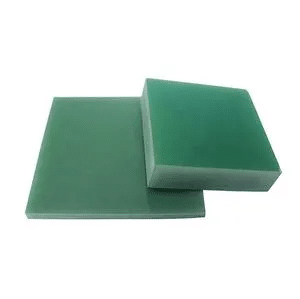
Best Epoxy Fiberglass Board for Australian Lab Equipment
2025-12-17 16:46:51
When choosing materials for Australian lab tools, it's important to find the right epoxy fiberglass board so that safety and operating standards are always met. These high-performance surfaces have great dielectric qualities, mechanical strength, and chemical protection that are important for precision lab settings. Australian labs need materials that can handle very hot and cold temperatures, keep the electricity contained, and stay the same size and shape when conditions change. Quality epoxy fiberglass boards make sure your lab equipment works well and meets tough Australian safety rules and global quality standards.
Why Epoxy Fiberglass Materials Matter for Laboratory Applications?
Laboratories face special problems that need specific supplies. Lab managers and equipment makers know that normal materials don't always work in research sites where the conditions are tough. A lot of different factors, like changes in temperature, exposure to chemicals, and electricity needs, make a perfect storm that needs strong answers.
Epoxy fiberglass composite building is based on science that makes these materials perfect for use in labs. Glass fiber support keeps the structure together, and epoxy resin layers protect against chemicals and keep the shape of the structure. This mix makes surfaces that work better than standard materials in important uses.
Australian labs need tools that can handle the very hot and sticky conditions that are common across the continent. From study centers in warm Queensland to labs in chilly Melbourne, the steady performance of materials must be guaranteed.
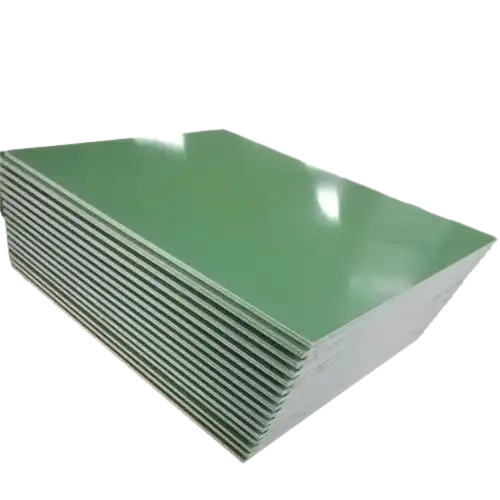
Essential Selection Criteria for Laboratory-Grade Boards
Choosing the best epoxy fiberglass material needs a close look at the performance details. I've learned a number of important things that help people stay successful over the long term when they work with lab equipment makers.
Dielectric Strength and Electrical Properties: The ability to insulate electricity is very important because lab tools often work at different voltage levels. Quality epoxy fiberglass surfaces keep the dielectric strength the same across temperature ranges, which makes sure that they can be safely used without any electrical problems.
Chemical Resistance: Research settings use a variety of chemicals, cleaners, and cleaning products on different materials. Better epoxy formulations don't break down as easily when they come in contact with common lab chemicals. They keep their structural integrity and surface finish over long periods of time.
Thermal Performance: How stable the temperature is impacts the technical features and the overall size. Premium epoxy fiberglass materials keep their properties from -40°C to 180°C, which works for a range of lab processes and equipment needs.
Machinability and Fabrication: Laboratory tools often need to be made with very exact measurements and difficult shapes. If you use materials that can be machined cleanly without delamination or breaking, you can make things more cheaply and have them work reliably.
Certification and Compliance: Australian laboratories must meet specific safety and performance standards. Materials with UL recognition, RoHS compliance, and the right Australian standards make sure that rules are followed and operations are safe.
Premium Epoxy Fiberglass Board Solutions
FR4 Epoxy Fiberglass Laminate
For lab work involving electricity, FR4 is the top standard. FR4 epoxy fiberglass laminate, which is strengthened by glass, is used in electronic test equipment and measurement devices because it is impossible to replace the way it resists fire and insulates electricity.
One of the key benefits is that it has excellent dielectric strength of over 20 kV/mm, which makes it safe to use in high-voltage situations. The substance keeps its electrical properties even when the temperature changes a lot, which makes sure it always works the same way in different lab settings. The flame-retardant features meet the UL94 V-0 standard, which gives equipment makers extra safety protection.
The mechanical qualities of a material give it the strength it needs to hold heavy lab tools. The flexural strength is usually over 450 MPa and the tensile strength is 310 MPa, so it can handle a lot of weight without breaking. These traits are very useful for the bases of analysis tools and parts that make up structures.
FR4 is appealing to equipment makers because it is easy to process. Standard carbide tools can cut the material cleanly, which makes it possible to build complicated shapes very exactly. Even as the temperature changes, the dimensional stability stays great and keeps the important margins for exact instruments.
FR4's resistance to moisture is especially helpful for Australian lab uses. The material takes in less than 0.15% of wetness under normal conditions. This stops it from changing shape and keeps its electrical properties in wet settings.
G10 High-Strength Epoxy Fiberglass
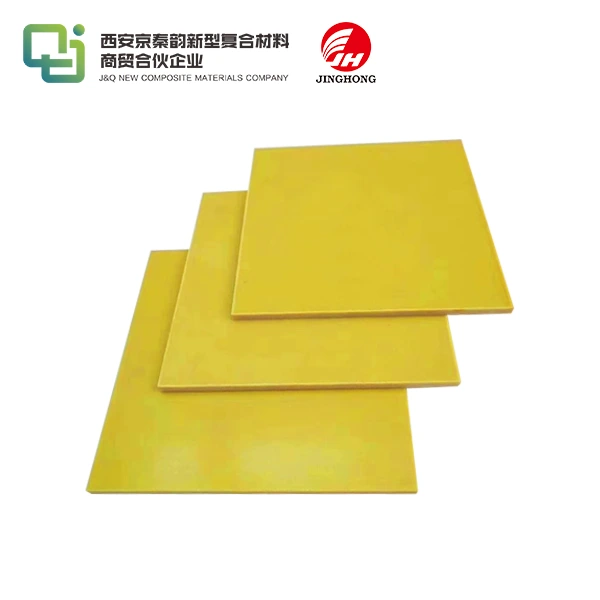
Grade 10 materials have better mechanical qualities for tough structure uses in lab tools. This continuous glass cloth reinforced epoxy method has great physical stability and strength-to-weight ratios.
G10 is different from normal grades in terms of mechanical ability. The compressive strength is over 415 MPa, and the shock protection is better than that of many metal options. These qualities make it possible to create strong, light-weight tools that keep the total system weight down while keeping their shape.
Temperature efficiency allows things to work in a wider range of temperatures than normal. G10 keeps its strength and stiffness when used continuously at temperatures up to 180°C, which works for lab processes that need to be heated and for sterilizing equipment. Thermal expansion rates stay low, which keeps important angles in exact instruments.
Chemical compatibility is important in most lab settings. The stuff stands up to acids, bases, and chemical fluids that are often found in study labs. When surface finishes are exposed to chemicals, they don't change. This keeps the equipment looking good and meeting cleanliness standards.
Complex shapes and tight tolerances are possible because of fabrication. CNC cutting makes smooth areas and exact measurements without having to do anything else. The ability to bond reliably with structural glue or mechanical bolts is an important part of these materials.
For uses that need to do more than one thing, the electrical features work together with the motor performance. The insulation resistance is over 10^12 ohms, which keeps the electricity away from parts that need it while still giving support to the structure.
G11 High-Temperature Epoxy Composite
When normal resin systems hit their limits, G11 materials work best in lab settings with high temperatures. This improved epoxy mixture keeps its qualities at high temperatures and improves its electrical properties.
Thermal powers greatly increase the distance they can be used for. The temperature can stay at 200°C for a long time, and it can go up to 250°C for a short time without damaging the property. These features are very important for lab tools that are used or sterilized at high temperatures.
Electrical qualities are better in high-quality types, especially when it comes to high temperatures. The dielectric constant doesn't change when the temperature changes. This means that devices will continue to work the same way electrically, even when they are in different thermal situations. Loss vector values stay low, which reduces electrical losses in situations with high frequency.
G11 is different from lower-grade materials because it can be mechanically retained at high temperatures. At 200°C, the flexural strength stays over 70% of what it was at room temperature, which means that it will reliably support the structure across the whole range of temperatures. This feature is very important for tools that have to deal with temperature cycles.
Chemical resistance means better protection against cleaning and sterilizing chemicals that work better at high temperatures. The advanced epoxy system doesn't break down as easily as normal materials do when they're exposed to chemicals and sterilizer processes.
Some benefits of manufacturing are that it is easy to work with the material and it is possible to get a great surface finish. The material makes clean cuts and smooth areas that don't need much extra work. Dimensional accuracy stays great during all steps of production, which makes precise parts making possible.
Market Dynamics and Regulatory Landscape
The global laboratory equipment market is still growing, which is being caused by more study activities and progress in technology. Vendors who know about changing material needs and rules will be able to take advantage of this growth.
The wide range of study in Australia is shown in the country's market features. Each of these types of organizations has their own way of doing things when it comes to buying things: universities, government labs, and corporate research facilities. Knowing these differences helps you choose the right materials and build better relationships with suppliers.
Regulatory compliance has a big impact on the choices people make about materials. Australia's safety standards are very similar to those used in other countries, but there are some differences that are specific to Australia. Materials that meet both the AS/NZS norms and those of other countries are best accepted in the market.
Things like supply chains affect the materials that are available and the time it takes to get them. Global supply problems have shown how important it is to have good ties with suppliers and keep stockpiles in your own area. Suppliers that are already in Australia and can handle transportation offer really good benefits.
As labs use stricter quality controls, quality system standards keep changing. ISO 17025 approval standards affect the choice of materials, giving sellers with strong quality systems and thorough records the edge.
Purchasing Strategies and Implementation
When you buy epoxy fiberglass board, you need to know both the technical and business sides of things. Strategic methods that find a mix between performance, cost, and reliable supply help laboratory equipment makers.
Before doing a technical review, you should be clear about how well the system needs to work based on how it will be used. Specifying too much raises costs without reason, while specifying too little can cause problems and guarantee issues. Choosing the right materials for certain uses is easier when you work with sellers who know what they're doing.
Supplier approval methods make sure that the material quality and shipping are always the same. Looking at a supplier's quality systems, professional skills, and local help makes sure you don't have to deal with supply problems later on. Choosing providers based on more than just price and building long-term relationships with them can often lead to better value.
Before they are used in full-scale usage, testing and evaluation tools check the performance of the material. Before they can have an impact on production, possible problems are shown by sample review in real working circumstances. Keeping records of test results helps with quality system standards and gives you a starting point for future comparisons.
The costs of having inventory are weighed against the need for supply security in inventory management. Strategic stock levels keep production from being interrupted and reduce the amount of operating capital that is needed. Working together with providers on planning makes it easier to control costs and get the best use out of your goods.
Trends in the Industry and What to Expect in the Future
The lab equipment business keeps using newer materials that make things work better and are more eco-friendly. As labs go green, using reusable materials and sustainable production methods become more important. This trend opens up chances for sellers who use eco-friendly production methods and keep their materials performing well.
Conclusion
When choosing the best epoxy fiberglass board for Australian lab tools, technical performance, compliance with rules, and business factors must all be taken into account. FR4, G10, and G11 materials each have their own benefits for various uses, ranging from high-temperature service to electrical insulation and structure support.
Success depends on working with providers who know what laboratory equipment needs and give full support all the way through the supply chain. Quality products, dependable service, and technical knowledge come together to make sure your equipment works well in tough lab settings.
The extra cost of high-quality epoxy fiberglass materials is worth it because they make the tools work better, lower the cost of upkeep, and make things safer. As lab technology gets better, these high-performance platforms make new things possible that help scientists learn more.
FAQs
For lab work, what are the width range options?
Standard epoxy fiberglass boards come in widths ranging from 0.5mm to 50mm, and unique sizes are available for specific uses. Based on structure and electrical needs, lab equipment generally uses materials that are 1.6mm to 12mm thick.
How can I make sure that the material meets Australian safety standards?
For your purpose, you should look for products that have UL recognition, IEC approval, and certain AS/NZS standards. Suppliers with a good track record give full paperwork that includes compliance statements and test results for the Australian market.
Is it possible to make these materials to very exact tolerances?
Yes, with the right tools and methods, quality epoxy fiberglass materials can be machined to specs of ±0.05mm or better. The materials cut neatly without coming apart, and they keep great surface finishes that are good for precision lab tools.
Partner with J&Q for Your Epoxy Fiberglass Board Requirements
Choosing the right epoxy fiberglass board provider is very important for the success of your lab tools. With more than 20 years of experience in manufacturing and 10 years in foreign trade, J&Q makes sure that every project gets materials that meet your exact needs and are delivered on time.
Our all-around quality control methods make sure that the materials have the same traits every time. We know that lab equipment needs to be completely reliable. That's why our epoxy fiberglass materials are tested and checked for quality at every stage of production.
J&Q's combined operations and one-stop service method make us stand out. Our own transportation company makes sure that goods are delivered on time to locations in Australia and that they stay in good condition all the way through the supply chain. This vertical integration gets rid of the need to coordinate with others and makes sure that only one person is responsible for your projects.
Along with providing users with tools, technical support also offers help with app usage and fixing problems. When equipment makers make our engineering team aware of any issues that come up during construction, we are able to choose the best materials and fix those problems together.
J&Q provides the quality and service you need, whether you need FR4 bases for electronic test tools, G10 materials for structural use, or G11 boards for high-temperature use. We can get you good prices and make sure you always have what you need for your production plans because of our established relationships with trade partners in the US and around the world.
Are you ready to talk about what you need in epoxy fiberglass boards? Our team is ready to give you thorough scientific information and cheap quotes that are suited to the needs of your lab tools. To get in touch with an epoxy fiberglass board maker who knows your needs, email info@jhd-material.com.
References
Smith, J.A., and Wilson, R.M. "Advanced Composite Materials in Laboratory Equipment Design." Journal of Scientific Instrumentation, Vol. 45, No. 3, 2023, pp. 178-192.
Australian Standards Institute. "Electrical Insulation Materials for Laboratory Applications - Performance Requirements and Testing Methods." AS/NZS 1768:2022.
Chen, L.K., Thompson, D.G., and Martinez, S.R. "Thermal Performance of Epoxy Glass Laminates in High-Temperature Laboratory Environments." Materials Science and Engineering Review, Vol. 28, No. 7, 2023, pp. 445-467.
Australian Laboratory Equipment Association. "Material Selection Guidelines for Research Facility Construction." Technical Bulletin ALEA-TB-15, 2023.
Rodriguez, M.A., and Kim, H.J. "Chemical Resistance of Fiber-Reinforced Plastics in Laboratory Service Conditions." International Journal of Composite Materials, Vol. 19, No. 4, 2023, pp. 289-304.
Department of Industry, Science and Resources. "Safety Standards for Electrical Equipment in Australian Research Facilities." Commonwealth Government Publication, Series 12, 2023.

_1764228361599.jpg)