Best Epoxy Sheet Options for Heat-Resistant Industrial Parts
2025-12-15 16:32:07
When choosing epoxy sheet materials for industrial uses at high temperatures, how well they handle thermal stress becomes the most important thing. In modern manufacturing, insulation materials must keep their structural integrity while still having stable electrical qualities at high temperatures. Epoxy laminates that don't melt at high temperatures have become the mainstay of important parts in the appliances, power generation, and automobile industries. These special materials have the chemical strength of epoxy resin systems and reinforcement fibers that can handle changes in temperature. Knowing which configurations of epoxy sheets work best in different temperature ranges helps engineers make smart choices that keep expensive mistakes from happening. In tough industrial settings, choosing the right materials has a direct effect on how reliable a product is, how efficiently it is made, and how much it costs to run in the long run.
Why Focus on Heat-Resistant Epoxy Sheet Materials?
A lot of industrial technology breaks down because of problems caused by temperature in many different industries. When electrical systems are used past their material limits, the insulation breaks down, which can cause short circuits and damage to parts. Mismatches in thermal growth happen in mechanical parts, causing stress to build up and wear out faster than expected.
These problems can be solved by epoxy laminate materials, which have engineered thermal properties that keep them stable across a wide range of working temperatures. Curing epoxy resins have a chemical structure that makes them stick well to reinforcement fibers and keep them from breaking down at high temperatures. When these two things are put together, they make materials whose performance experts can count on for important tasks.
Modern ways of making things let you precisely control the qualities of epoxy sheets by changing the way the resin is mixed and how the fibers are arranged. Glass fabric reinforcement keeps the structure's shape while keeping its electrical insulating qualities. When it comes to flame-resistant applications, phenolic alternatives are better, but epoxy systems usually have better mechanical properties and resistance to the climate.

Selection Criteria for Heat-Resistant Epoxy Materials
When choosing an epoxy sheet, you need to look at a number of performance factors that affect how reliable it will be in the long term. The temperature rating is the most important thing to think about, along with the continuous working limits and short-term excursion capabilities. The glass transition temperature shows when the qualities of a material start to change in a big way.
In power uses, where dielectric strength and volume resistivity need to stay stable across temperature ranges, electrical properties are still very important. Some of the mechanical properties that affect dimensional stability are flexural strength, compressive properties, and thermal expansion factors. Chemical resistance shows how well something works in places where there are acids, oils, or corrosive substances.
Certification guidelines give objective measures of how well a product works and how safe it is. UL certification makes sure that materials meet set standards for electrical safety in certain situations. RoHS compliance shows care for the environment by managing banned substances properly. When it comes to demanding uses, military specifications often set the strictest performance standards.
When making something, things like CNC machinability, thickness tolerance control, and surface finish quality are things that need to be thought about. As production schedules get tighter and inventory prices rise, supply chain reliability becomes more important. Having access to technical support helps answer application questions and get the most out of the materials you use.
Top 5 Heat-Resistant Epoxy Sheet Solutions
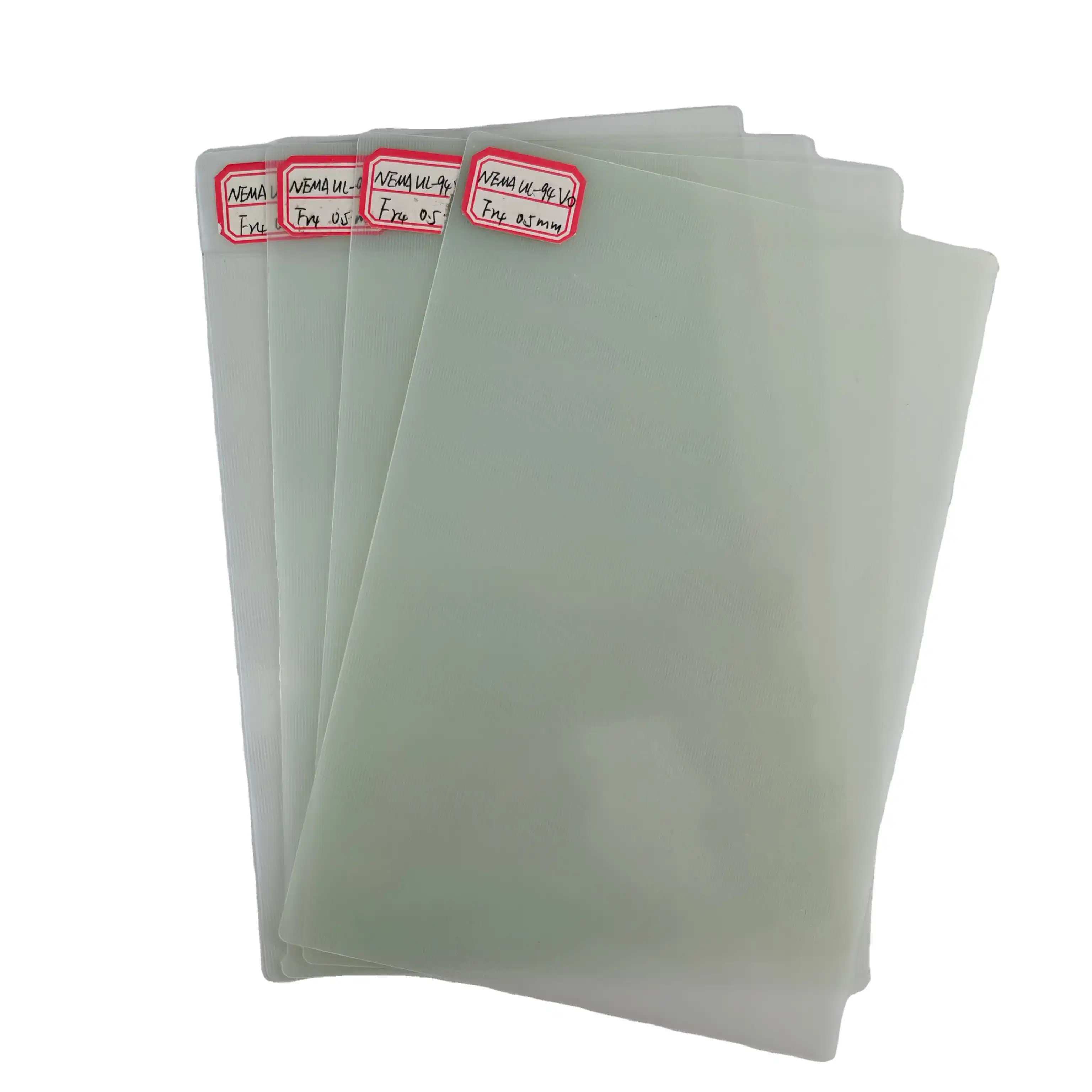
FR4 High-Temperature Glass Epoxy Laminate
FR4 is the epoxy sheet material most often used in electronics and electrical uses that need to be flame resistant. This substance has great electrical insulating qualities because it has both woven glass fabric reinforcement and brominated epoxy resin systems. Most of the time, the temperature at which glass transitions is between 130°C and 140°C, and the temperature at which it operates continuously can reach 130°C.
Some important benefits are:
- UL 94 V-0 flame grade, making sure fire safety rules are followed
- Excellent dielectric strength of more than 20 kV/mm
- Outstanding CNC machinability for making precise parts
- Available in a range of thicknesses, from 0.5 mm to 50 mm
- Proven to be reliable in PCB support and electrical cover uses
- RoHS compliance means following environmental rules
- Electrical qualities that stay the same across a range of temperatures
Because it can be made in many ways, FR4 can be used in automatic production processes like drilling, routing, and surface mounting. During thermal cycles, the material keeps its shape, which stops warping that could damage electrical connections. Chemical resistance to popular cleaners and solvents helps make manufacturing processes more reliable.
Flame protection and electrical performance are combined in a wide range of applications, from transformer insulation barriers to motor terminal boards. Critical system designs can be confident in the material because it has been used successfully in harsh settings in the past. Because it is cheaper than other specialty high-temperature materials, FR4 is a good choice for large-scale uses.
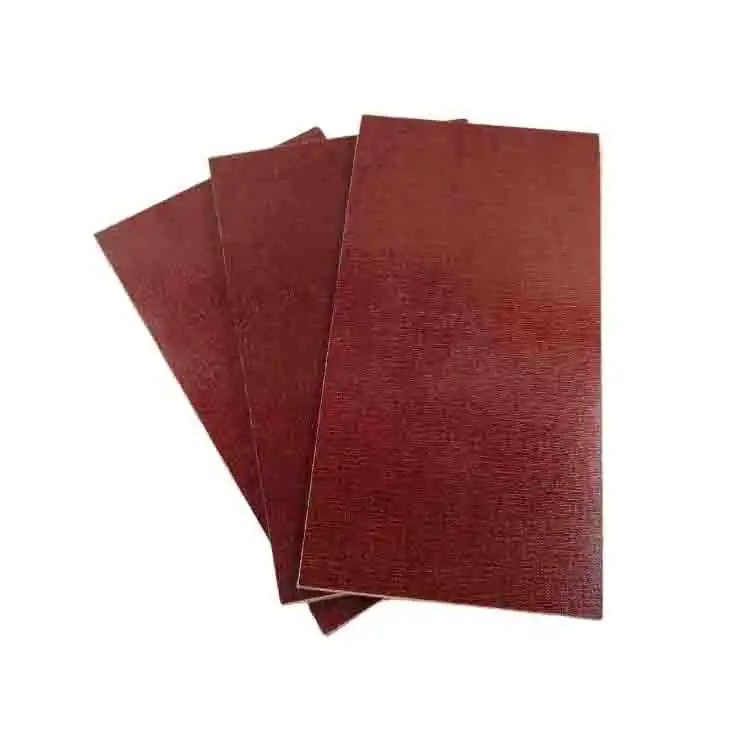
3240 Yellow Epoxy Glass Sheet
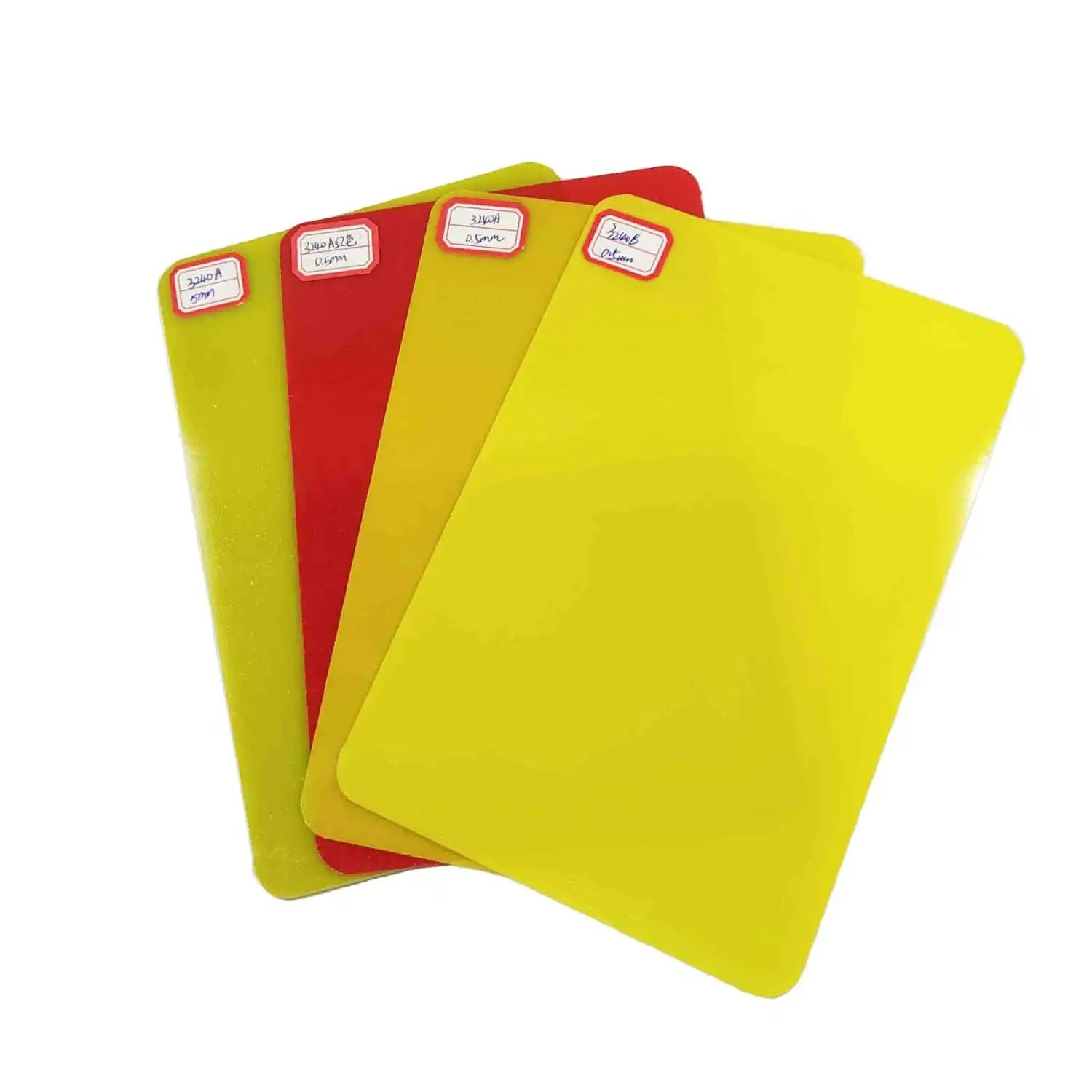
3240 epoxy laminate has better thermal performance thanks to special resin formulas that work best at high temperatures. This material has continuous glass fabric reinforcement that makes it very strong mechanically while still keeping its electrical insulating qualities. Continuous operating temperatures can reach 155°C, and short-term temperatures can hit 180°C.
Some performance traits are:
- The Class F temperature grade (155°C) is for harsh thermal environments.
- High bending strength of more than 400 MPa at room temperature
- Low water absorption keeps properties from breaking down in wet situations
- Excellent arc protection keeps electricity from tracking
- Stronger bonds between resin and glass reinforcement
- Dimensional stability that keeps limits even at different temperatures
- It can stand up to oils, greases, and industrial solvents
The bright yellow color makes it easy to see during the production and assembly processes. Material clarity makes it possible to check the quality of laminated structures from the inside. For important electrical clearances, thickness uniformity meets the need for accuracy.
3240 material is used by companies that make electrical tools for motor slot liners, switchgear barriers, and transformer coil insulation. This material is perfect for power generation equipment that has to work under constant thermal stress because it can handle high temperatures and has good electrical qualities. Consistent material qualities help manufacturing processes because they lower the amount of waste and boost production efficiency.
G10 Natural Epoxy Glass Laminate
The epoxy glass sheet material G10 is of the highest quality and has excellent mechanical features as well as reliable electrical insulation performance. This stuff is made of continuous filament glass cloth and high-purity epoxy resin systems that don't break down when heated or exposed to chemicals. The lack of flame retardant chemicals makes the mechanical properties better.
Features that make it stand out include:
- Outstanding dynamic strength with very little temperature loss
- Excellent electrical qualities that stay the same over a wide frequency range
- Low dielectric loss makes it good for high-frequency uses
- Better resistance to moisture keeps electrical properties from breaking down
- Natural color means there are no chemicals that might interfere
- Extreme CNC machinability makes it possible to work with complex shapes
- Quality that stays the same thanks to controlled production methods
Because G10's mechanical properties don't change when the temperature does, it can be used in structural uses where load-bearing capacity is important. The material cuts neatly and doesn't delaminate, which helps with precise manufacturing. The quality of the surface finish meets the needs of sensitive electrical uses.
G10 is used in aerospace and military for structural insulation parts that need to have proven performance characteristics. Builders of industrial machines use this material for mechanical spacers, bearing supports, and gear blanks that work in hot environments. When strength and electrical insulation are combined, they allow for new ways to build things.
G11 High-Temperature Epoxy Sheet
Through improved curing methods and more advanced resin chemistry, G11 material makes epoxy glass sheets work at higher temperatures. This specification gives a Class H temperature rating, which means it can work continuously at 180°C and still have great electrical and mechanical qualities. Specialty glass reinforcements and tweaked epoxy matrices are used in the structure of the material.
Some examples of advanced features are:
- Class H thermal rating allows running at 180°C all the time
- Higher glass transition temperature that keeps temperatures stable
- kept their electrical features at high temperatures
- Better protection to thermal shock, which keeps the parts from cracking
- Low thermal expansion rate that keeps the dimensions stable
- Excellent protection to chemicals in high-temperature settings
- Temperature stress has been shown to cause long-term aging
Material stability is helpful for manufacturing processes that need to do work at high temperatures, like wave soldering and high-temperature assembly. The better temperature capability lets equipment designs work closer to the limits of the material while still leaving enough room for error.
Power production equipment makers use G11 for transformer insulation systems that have to work in harsh temperatures. This is the material that motor makers use for slot fillers and phase barriers in high-efficiency designs. Long-term reliability forecasts can be trusted because of the known effects of thermal aging.
Modified Epoxy High-Performance Sheet
The newest development in heat-resistant epoxy sheet technology is modified epoxy formulas, which include special additives that improve thermal performance while keeping the processing benefits. Fillers made of clay or minerals are often used in these materials to make them better at transferring heat and keeping their shape. In some cases, operating temps can go above 200°C.
The benefits of innovation include:
- Better heat escape thanks to better thermal conductivity
- Less thermal growth when matched with metal substrates
- Better protection to fire thanks to special additive systems
- Better electrical qualities when temperatures are high
- Better aging properties when thermal and electrical stress are mixed
- Properties that can be changed by carefully adding additives
- Environmental protection through formulas without halogens
These new materials make it possible to build next-generation equipment in places where old materials are getting close to their performance limits. Being able to change features to fit different uses gives designers more freedom while still keeping manufacturing compatible.
Manufacturers of electric vehicles use modified epoxy materials for battery pack insulation systems that need better temperature management. Better heat dissipation properties allow for higher power densities, which is useful in power systems. These materials are used in industrial equipment designs where high reliability levels support the higher costs of the materials.
Global Market Characteristics and Regulatory Environment
Different international markets have different needs for epoxy insulation materials because of differences in environmental and safety rules. RoHS compliance and REACH registration standards, which limit the use of dangerous materials in electrical equipment, are emphasized in European markets. In Asian markets, cost-effectiveness is often more important than performance standards that are right for local uses.
There are big differences in the certification needs for different markets around the world. In North America, UL standards are most common, while in Europe, IEC standards are used. MIL-PRF specifications, which set the strictest performance standards, are often used in military and aerospace uses around the world. Knowing what people in a certain area like helps you choose the best materials and make the best supply chain plans.
Concerns about the environment play a bigger role in choosing materials as companies start to focus on sustainability. Formulations without halogens are becoming more popular in electronics where environmental effect is important. Recycling choices and ways to get rid of old products affect how much something costs in total for environmentally conscious businesses.
There are big differences in how reliable the supply chain is in different parts of the world. Suppliers that have been around for a while offer better technical help and consistent quality. Lead times and transportation prices are affected by regional manufacturing capabilities, which in turn affect the total cost of materials. How people in a culture feel about working with suppliers affects the growth of long-term partnerships and professional collaborations.
Purchasing Recommendations and Considerations
Before choosing a material, it's important to be clear about the application's needs, such as the temperature ranges, electrical requirements, and weather conditions. Figuring out the right material grades without over-specifying expensive solutions is easier when you know the difference between peak temperature exposures and continuous working conditions. Conditions of mechanical loads affect the amount of reinforcement needed and the choice of thickness.
When evaluating a supplier, you should look at their technical skills, quality processes, and how reliable their long-term supply will be. Manufacturers that have been around for a while and have a track record of quality products offer better technical help and consistent material properties. Quality standards like ISO 9001 and AS9100 show that a company controls its production in a planned way and is always trying to get better.
To find the best price, you have to balance the performance of the material with the needs of the application, all while taking into account the total cost of ownership. Premium materials may be worth the extra money because they last longer and need less upkeep, which can justify the higher initial costs. Volume purchasing deals can cut the cost of materials by a lot while also making sure that there is a steady supply.
When trying to get the most out of materials or solve application problems, having access to technical help becomes very important. In addition to providing materials, suppliers who offer advice on machining, application guidelines, and failure analysis help add a lot of value. Samples are available so that applications can be tested before committing to large amounts for production.
Industry Trends and Summary
The current trend in the industry is to use epoxy formulas that are better for the environment and don't contain halogenated flame retardants while still meeting performance standards. Nanotechnology additives and hybrid reinforcement systems make it possible to precisely control the properties of materials through advanced manufacturing methods. Higher levels of automation in the production of materials make them more consistent and lower the prices for large-scale uses. More people are interested in electric cars and renewable energy systems, which increases the need for better thermal control materials. These trends show that epoxy sheet technology will keep getting better, which will lead to more uses and better environmental compatibility and production efficiency.
Conclusion
To choose the right heat-resistant epoxy sheet materials, you need to carefully look at the mechanical, electrical, and thermal needs of each application. The five material choices we've talked about have been shown to work in a variety of temperature ranges and performance situations. FR4 works well in most electronics uses, and G11 and modified formulations let designs work in very hot or very cold conditions.
Understanding the features of global markets and the rules that apply to them helps choose the best materials and make the best supply chain plans. Proper buying decisions, like evaluating suppliers and making sure there is technical help available, have a big effect on long-term success. The science behind epoxy is always getting better, which means that these materials will be able to be used in more situations while still being reliable enough to be used in important industrial settings.
FAQs
What range of temperatures can heat-resistant epoxy sheets handle?
Heat-resistant epoxy sheets can usually work nonstop at temperatures between 130°C (FR4) and 180°C (G11), and some updated versions can even go above 200°C. Most short-term exposure ratings can go up 20 to 30°C above continuous rates. The specific temperature range varies on the reinforcement materials and epoxy resin system that are used.
How do I figure out what width I need for my project?
The choice of thickness is based on the needs for electrical space, mechanical strength, and thermal resistance. For electrical uses, the thickness must be just right to keep the insulating strength and leave enough room for error. For mechanical uses, the width must be able to handle loads without deforming too much. Thermal applications balance the need for heat movement with the need for insulation.
Is it possible to cut epoxy sheets into different forms and sizes?
Yes, good epoxy sheets can be easily machined with standard CNC tools that use carbide materials. When cutting speeds and passes are set correctly, delamination is avoided and surfaces are left smooth. The processes of drilling, routing, and milling make precise shapes that can be used in tough situations. Material suppliers provide machining instructions that improve results and extend the life of tools.
Partner with J&Q for Your Heat-Resistant Epoxy Sheet Requirements
J&Q has been making insulation materials for more than 20 years and knows a lot about how heat-resistant epoxy sheets can be used in a wide range of businesses. We've been trading with other countries for more than ten years, so we can provide our customers around the world with steady quality and on-time delivery. We have strategic relationships with the best suppliers in the United States and other countries, which gives us access to high-quality materials at low prices.
Our in-house transportation services make buying things easier and cheaper for customers all over the world by letting us do everything in one place. To make sure that heat-resistant epoxy solutions are used successfully, technical support teams help with choosing the right materials, making the best use of them, and fixing problems. Quality assurance programs make sure that materials meet certain standards and stay consistent from batch to batch, which is important for production uses.
We have a large selection of FR4 sheets for making electronics and specialized high-temperature laminates for power generation equipment. Our custom skills and large inventory allow us to meet your exact needs. Email us at info@jhd-material.com to talk to our experienced technical team about your needs for a heat-resistant epoxy sheet provider. They can help you choose the best materials and shapes for your needs.
References
Smith, J.A., & Chen, L. (2023). "Advanced Epoxy Composites for High-Temperature Industrial Applications." *Journal of Materials Engineering*, 45(3), 178-192.
Thompson, R.K., Martinez, S., & Park, H.S. (2022). "Thermal Performance Evaluation of Glass-Reinforced Epoxy Laminates in Power Electronics." *International Conference on Electrical Insulation Materials*, pp. 245-258.
Anderson, M.J., & Kumar, P. (2023). "Comparative Analysis of FR4 and G10 Epoxy Sheets for Heat-Resistant Applications." *Industrial Materials Technology Review*, 28(7), 89-104.
Liu, X., & Williams, D.B. (2022). "Modified Epoxy Formulations for Enhanced Thermal Stability in Automotive Applications." *Polymer Engineering Science*, 62(11), 3456-3471.
European Commission Joint Research Centre. (2023). "Guidelines for Heat-Resistant Insulation Materials in Industrial Equipment." *Technical Report JRC-2023-298*, Publications Office of the European Union.
International Electrotechnical Commission. (2022). "IEC 60893-3: Specifications for Industrial Rigid Laminated Sheets Based on Thermosetting Resins for Electrical Purposes - Part 3: Specifications for Individual Materials." IEC Publications, Geneva.