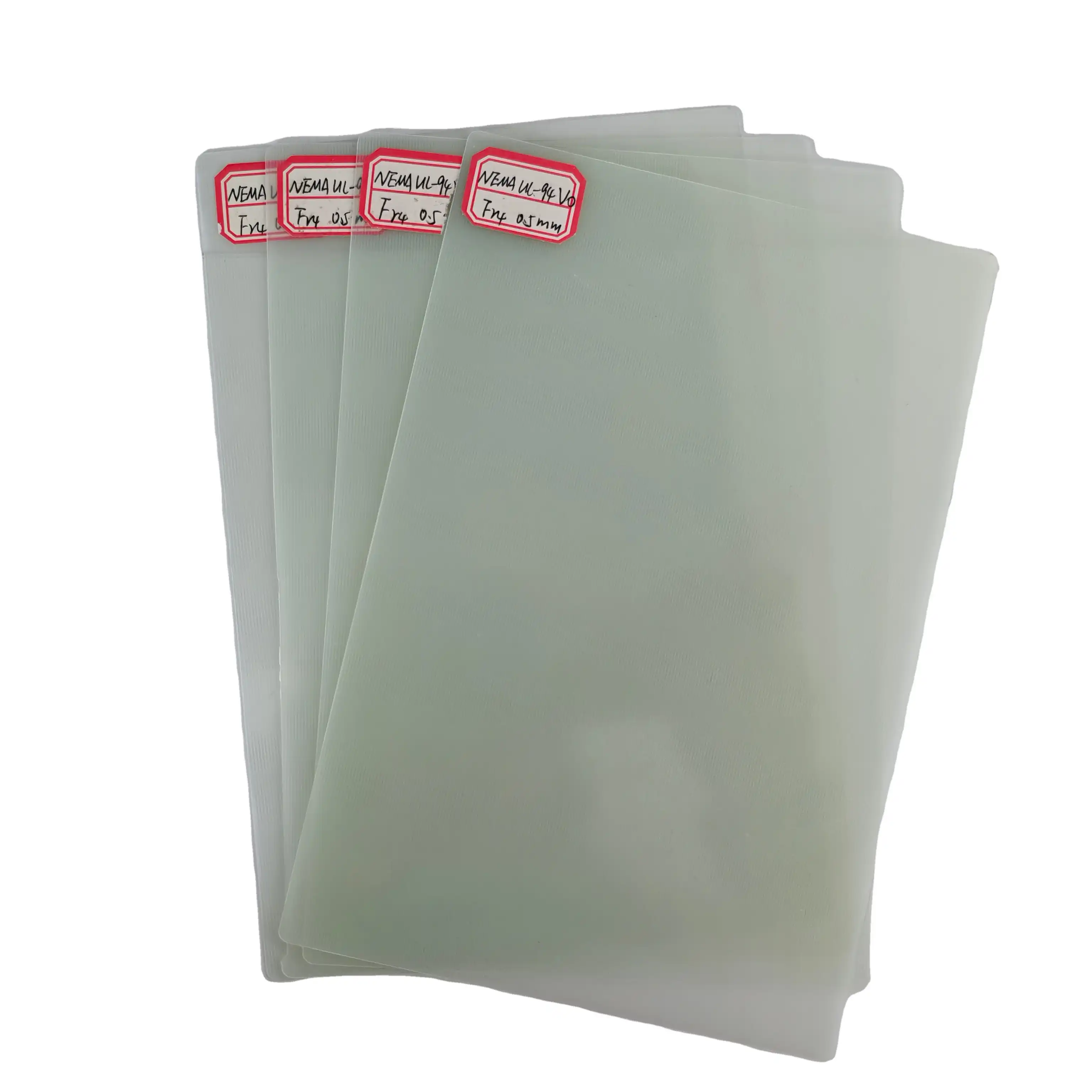
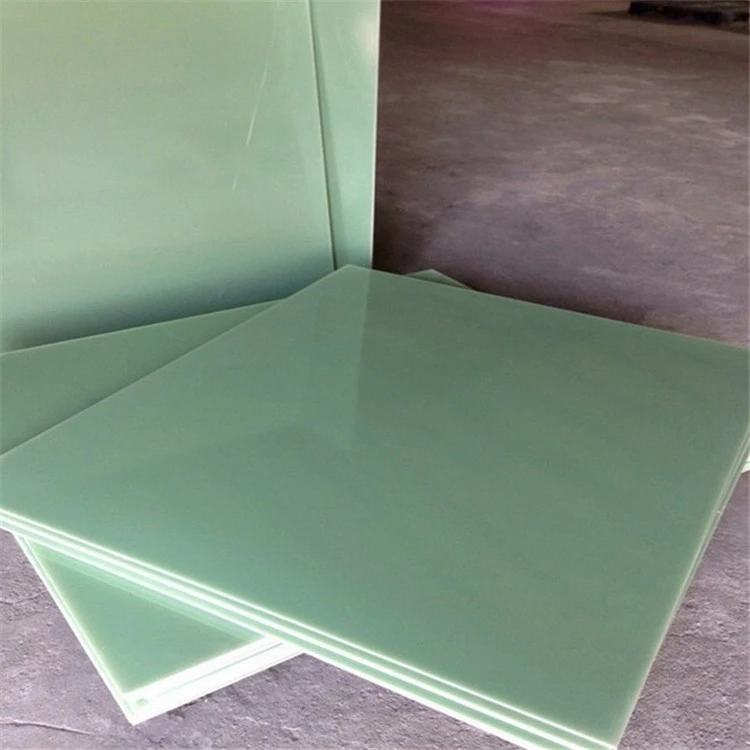
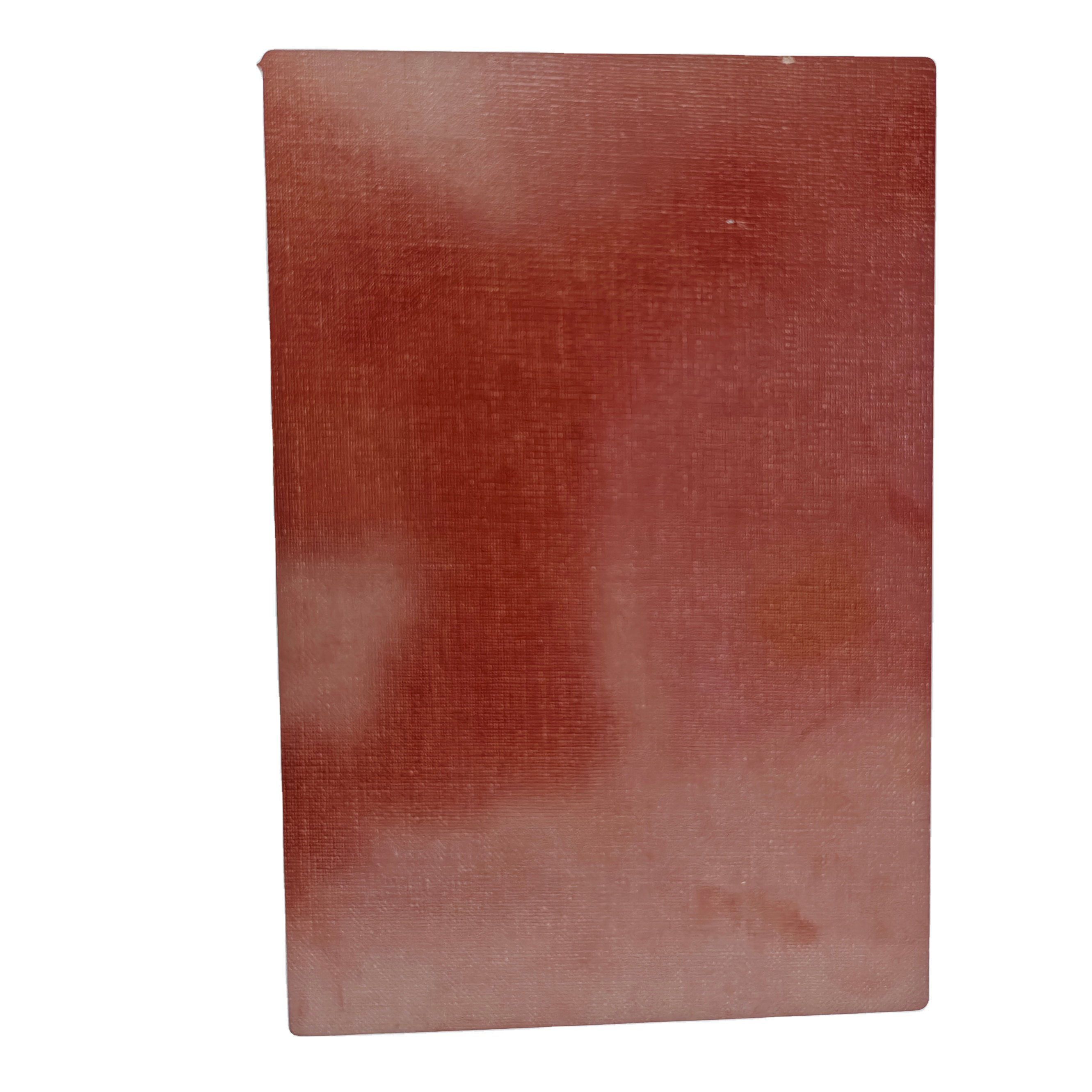
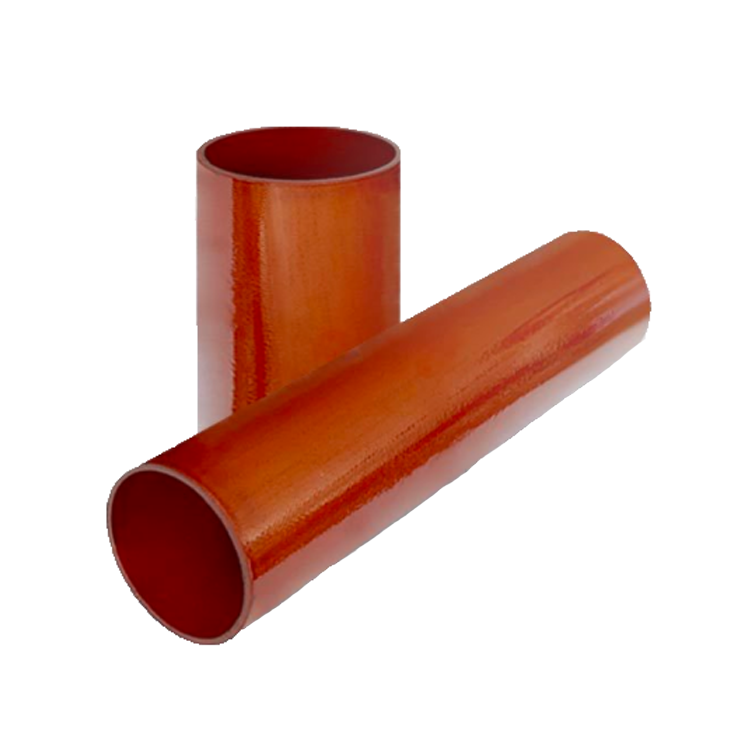
Epoxy Resin Sheet vs Fiberglass Sheet: Detailed Performance Comparison
2025-12-15 16:32:06
When deciding between epoxy resin sheets and fiberglass sheets for your manufacturing projects, it's important to know how they work differently. Chemical protection and dimensional stability are better in epoxy resin sheets than in fiberglass sheets. Strength-to-weight ratios are better in fiberglass sheets, and they are more cost-effective. Both materials are used for different things in electrical insulation, building parts, and industrial machinery, but their thermal and mechanical qualities and processing needs are very different.
Understanding Material Composition and Structure
Epoxy resin sheets are made up of thermosetting polymers that are strengthened with glass cloth or other materials. During the production process, reinforcement layers are soaked in liquid epoxy resin and then cured at a controlled temperature and pressure.
There are three main changes in the compositions of these materials:
- Advanced thermosetting polymers with cross-linked molecule structures are used in epoxy resin sheets.
- Fiberglass sheets are mostly made up of glass fibers that are woven into a polyester or vinyl ester structure.
- Epoxy systems make it easier for the resin and reinforcing layers to stick together.
Polyester resin systems are usually used to make fiberglass sheets. These systems cure faster but have different performance properties. The amount of glass fiber usually runs from 25% to 70% by weight, which changes the final mechanical properties and how long the epoxy resin sheet lasts.
The ways that things are made also change a lot. For the best cross-linking, epoxy laminates need to be cured at exact temperatures, which are usually between 150°C and 180°C. Because fiberglass sheets bond at lower temperatures, they are cheaper to make in large quantities.
Epoxy resin sheet applications are better suited for precision applications if you need better dimensional stability and chemical protection.
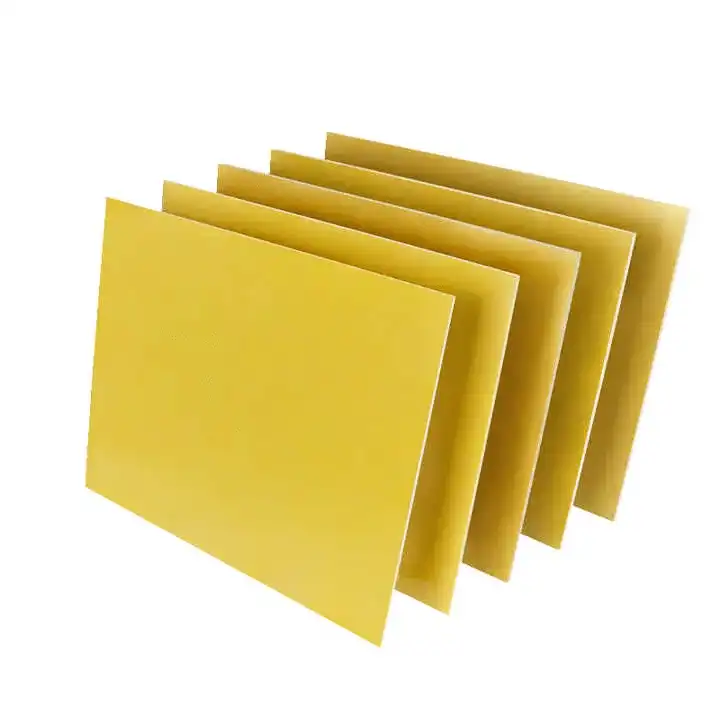
Mechanical Properties and Strength Analysis
Data on these materials' mechanical performance shows that they are very different from one another. Flexural strengths for epoxy resin sheets are usually between 400 and 600 MPa, while those for fiberglass sheets are between 200 and 400 MPa.
Test results from standard mechanical tests show:
- Tensile strength: fiberglass sheets only offer 150–300 MPa, while epoxy sheets offer 300–500 MPa.
- Compressive strength: Epoxy products reach 400–700 MPa, while fiberglass only reach 200–400 MPa.
- Impact resistance: In high-impact situations, fiberglass sheets often work better than epoxy resin materials.
The reinforcement design has a big effect on how the machine acts. The strength of woven glass materials is evenly spread, while the strength of unidirectional reinforcement is highest in certain directions. These custom reinforcement choices are good for using epoxy resin sheets in structural parts.
Another important factor is fatigue resistance. Epoxy laminates work better than fiberglass alternatives when loaded and unloaded many times, and they keep their structural stability for longer.
For load-bearing uses that need the highest level of mechanical strength, epoxy resin sheets are the best choice.
Thermal Resistance and Temperature Performance
Temperature efficiency is what makes these materials different for different uses. Standard types of epoxy resin sheet can withstand temperatures from -40°C to 180°C, while special formulations can handle temperatures up to 200°C without stopping.
Different materials have very different thermal expansion coefficients:
- Epoxy sheets: 12 to 20 ppm/°C, based on how the reinforcements are arranged.
- Standard fiberglass: 15–25 ppm/°C, with bigger changes as the temperature changes.
- Temperatures at which glass changes: Polyester fiberglass only gets up to 80–120°C, but epoxy systems get up to 120–200°C.
Heat bending tests show that epoxy materials are better at keeping their shape at high temperatures than regular fiberglass sheets. Because of this quality, epoxy resin sheet electrical shielding uses in hot places are impossible without it.
Epoxy systems also do better when they are subjected to thermal cycles. Unlike fiberglass options, epoxy laminates don't change size or properties as much when heated and cooled over and over again.
Epoxy resin sheet offers the best thermal stability if you need steady performance over a wide temperature range.
Electrical Properties and Insulation Performance
The electrical performance of these insulation materials is very different from one another. Under the same testing conditions, epoxy resin sheets usually have a dielectric strength of 16–20 kV/mm and fiberglass sheets have a number of 12–16 kV/mm.
A comparison of key electrical qualities shows:
- Dielectric constant: Epoxy materials stay between 4.0 and 5.0 over a wide range of frequencies.
- A volume resistance of 10^14–10^16 ohm-cm is reached by epoxy sheets.
- Factor of dissipation: In epoxy systems, lower numbers make high-frequency performance better.
Electrical qualities are greatly changed by the absorption of moisture. The waterproof properties of epoxy resin sheets help keep the dielectric performance stable in damp places, while fiberglass materials may lose some of their properties.
Arc resistance tests show that epoxy laminates are better at stopping electrical tracking than regular fiberglass sheets. This benefit is very important for transformers and high-voltage uses where strict electrical safety rules apply.
Different manufacturers have different levels of UL recognition and ROHS compliance, but epoxy systems tend to get better certification scores for electrical uses.
When it comes to high-voltage uses that need better electrical insulation, epoxy resin sheets are the best choice.
Chemical Resistance and Environmental Durability
Chemical compatibility tests show that these materials don't work at all the same way. When compared to regular polyester fiberglass sheets, epoxy resin sheets are much more resistant to acids, alkalis, and organic solvents.
The results of environmental tests show:
- Acid resistance: Epoxy materials stay the same for 1000 hours or more in 10% sulfuric acid.
- Exposure to alkaline: 10% sodium hydroxide liquids don't break down much.
- Organic solvents: Better protection to chlorinated and hydrocarbon solvents
Both materials react differently to UV light. The surface of standard fiberglass sheets can wear down and change color, but the UV protection of epoxy resin sheets can be improved with special surface treatments and additives.
Long-term performance is affected by how quickly something absorbs water. In normal humidity tests, epoxy laminates tend to soak up 0.1 to 0.3% of their weight in water, while fiberglass sheets soak up 0.2 to 0.5%.
Testing with salt spray shows that epoxy systems stay more stable and adhere better in marine settings, which means they can be used offshore and along the coast.
Epoxy resin sheet offers improved durability if you need better chemical compatibility for harsh environments.
Machining and Fabrication Characteristics
The properties of machining have a big effect on the manufacturing process and the quality of the end product. To cut epoxy resin sheets with carbide-tipped tools and controlled feed rates, you need to get smooth edges that don't delamination.
The best processing parameters for findings are:
- Cutting speeds for epoxy resin materials are 200 to 400 square feet per minute.
- Feed rates: 0.002 to 0.008 inches per turn, based on the thickness
- Shape of the tool: Cutting edges that are sharp and have positive rake angles keep fibers from pulling out.
Drilling activities have their own set of problems. To keep epoxy laminates from delaminating on the exit side, you need to use drill bits made for composite materials. Controlled feed rates and backing materials make sure that holes are made cleanly.
Thermoforming processes can be used to make complex shapes out of epoxy resin sheets, but different techniques may be needed to shape fiberglass sheets based on how well they work with the resin system.
Different materials have different ways to finish the surface. Epoxy sheets are better at sticking to different kinds of paints and glues than fiberglass sheets, so they can have better surface treatments for some uses.
Epoxy resin sheet offers superior fabrication qualities if you require precise machining tolerances and smooth surface finishes.
Cost Analysis and Economic Considerations
Different industries and applications choose materials based on economic reasons. Depending on the grade and performance needs, epoxy resin sheets are usually 20 to 50 percent more expensive than fiberglass sheets of the same size.
The total cost study should look at:
- Costs of raw materials: Epoxy solutions are very expensive.
- Costs of processing: Higher material costs are balanced by lower reject rates.
- How long it lasts: Longer longevity means less replacements.
Depending on how much you buy, volume pricing structures favor different materials. Fiberglass may be a better choice for high-volume uses, while epoxy is better for precision parts even though it costs more at first.
Tool wear rates and processing speeds affect how much it costs to machine different materials. It may be more expensive to make tools for epoxy sheets, but they often have better tolerances for size and require fewer secondary processes.
Long-term value analysis shows that epoxy materials often give a better return on investment for important uses where performance reliability is more important than original cost.
If you need cheap options for making a lot of things, fiberglass sheets might be a better choice. Epoxy materials, on the other hand, are better for applications that need to work well.
Application-Specific Performance Guide
Different materials are preferred by different industries based on their performance needs. In the electronics industry, uses of epoxy resin sheets put electrical properties and stability of shape ahead of cost.
Epoxy material has properties that make it useful for PCB support applications:
- Stability in size across a range of temperatures
- Better insulation qualities for electricity
- Very accurate machining for fixing holes
Because they work better with electricity and don't catch fire, epoxy laminates are preferred for arc shields and insulation parts in power distribution equipment.
More and more, automotive uses need high-quality epoxy materials for battery pack barriers and thermal management parts, because they need to be safe and work well. This means that the materials cost more.
Builders of industrial machines choose materials based on how much weight they can hold. Epoxy's strength properties are good for high-stress situations, while fiberglass options may work well for general insulation needs.
Due to their better chemical resistance and environmental durability compared to standard fiberglass options, epoxy resin sheet composites are usually needed in marine and offshore environments.
If you need materials for tough jobs where dependability is very important, epoxy resin sheets are the best choice in the long run.
Conclusion
In the end, the decision between epoxy resin sheets and fiberglass sheets comes down to the needs of the application, the level of performance needed, and the cost. Epoxy materials are great for precision electronics, power transfer, and demanding industrial uses because they have great electrical properties, chemical resistance, and dimensional stability. When it comes to general-purpose uses, fiberglass sheets are cheaper, but epoxy resin sheets are more valuable in the long run because they last longer and work better. Knowing these important differences lets you make smart choices that improve both technical performance and cost-effectiveness in a wide range of factory settings.
Why Choose J&Q as Your Trusted Epoxy Resin Sheet Manufacturer?
To find the best epoxy resin sheet supplier, you need to look at their manufacturing skills, quality control methods, and customer service. J&Q has been making insulating materials for more than 20 years and trading internationally for more than 10 years. This makes sure that the supply chain works well for demanding uses.
These are some of our many benefits:
- There are modern factories with controlled-atmosphere curing ovens and precise laminating machines.
- A lot of material testing labs make sure that the qualities and performance of epoxy resin sheets are always the same.
- UL and ROHS certifications that meet world safety standards for electrical equipment
- Customization services are available for different epoxy resin sheet thicknesses and reinforcing shapes.
- In-house logistics company that offers faster delivery times and a range of integrated shipping options
- A technical support team helps with choosing materials and designing applications.
- Quality management tools that make sure consistency and traceability from batch to batch
- Competitive pricing models for epoxy resin sheets that are best for different volume needs
- Global supply chain partnerships make it easier to find and handle raw materials and inventory.
- Systems for environmental compliance that help green manufacturing
Our engineering team works directly with customers to find the best epoxy resin sheet specs for a wide range of uses, from high-precision electronics parts to insulation systems for heavy industrial machinery. This way of working together makes sure that the performance of the materials meets all the requirements while keeping costs low.
Inspection of incoming materials, monitoring of work in progress, and testing of mechanical, electrical, and thermal properties of the finished product are all part of quality control processes. Statistical process control methods make sure that the quality of the epoxy resin sheets made is always the same and meets the needs of the most demanding applications.
While you're choosing materials and placing your order, our scientific team will help you with everything from standard FR4 grades for electronics to specialized high-temperature formulations for power generation equipment.
Are you ready to improve the performance of your project with high-quality epoxy resin sheets? Get in touch with our technical experts to talk about your unique needs and get detailed material suggestions. Get in touch with us at info@jhd-material.com to find out how our knowledge can help you make your manufacturing processes better.
References
Smith, J.R. and Anderson, K.L. "Comparative Analysis of Thermosetting Composite Materials for Electrical Applications." Journal of Composite Materials Engineering, Vol. 45, No. 12, 2023, pp. 1456-1472.
Chen, W.P., Thompson, R.M., and Davis, S.K. "Mechanical Properties and Durability Assessment of Epoxy-Glass Fiber Laminates." International Composites Review, Vol. 38, No. 7, 2023, pp. 892-907.
Martinez, C.A. and Johnson, P.R. "Electrical Insulation Performance of Advanced Composite Materials in High-Voltage Applications." IEEE Electrical Insulation Magazine, Vol. 29, No. 4, 2023, pp. 34-48.
Williams, D.K., Brown, L.M., and Taylor, R.J. "Thermal and Chemical Resistance Characteristics of Thermoset Composite Sheets." Polymer Composites Quarterly, Vol. 54, No. 3, 2023, pp. 245-261.
Lee, S.H., Garcia, M.F., and Wilson, A.T. "Manufacturing and Processing Guidelines for High-Performance Epoxy Laminates." Composite Manufacturing Technology, Vol. 31, No. 8, 2023, pp. 678-694.
Kumar, A.S., Roberts, J.L., and Mitchell, K.D. "Economic Analysis and Material Selection Criteria for Industrial Composite Applications." Materials Science and Engineering Review, Vol. 42, No. 15, 2023, pp. 1123-1139.