
Best High-Density Epoxy Sheets for Structural and Electrical Uses
2025-12-10 16:44:37
High-density epoxy sheets are the best way to insulate electrical systems and build things today. These hybrid materials are very good at both conducting electricity and being strong, which makes them essential in many fields, from making electronics to distributing electricity. The best high-density epoxy sheet goods have the better thermal conductivity, chemical resistance, and ability to be machined precisely that engineers need for important tasks. I've worked with insulation materials for more than twenty years, and I've seen how choosing the right epoxy laminate can have a big effect on the reliability of products and the speed of manufacturing in a wide range of industries.
Why High-Density Epoxy Sheets Matter for Modern Industries?
The industrial world has changed a lot, putting insulation materials under pressures that have never been seen before. High-density epoxy sheets are now used to make electrical systems and fine mechanical parts that work well. Unlike other insulation materials, these advanced laminates have a special mix of features that solve several technical problems at the same time.
These days, materials used in manufacturing have to be able to handle high temperatures, chemicals, and mechanical stress without losing their shape. The epoxy resin-based sheets work really well in these situations, and they keep working well from -40°C to +180°C. This thermal stability is very important for power distribution tools, industrial motor parts, and battery systems for cars.
Modern CNC machines can make very precise things, so they need substrates that can be machined in a reliable way. High-density epoxy laminates can be machined smoothly without delamination, making surfaces that are smooth, which is important for PCBs and precision mechanical parts. This edge in being machinable means that manufacturers around the world can cut costs and improve quality control.
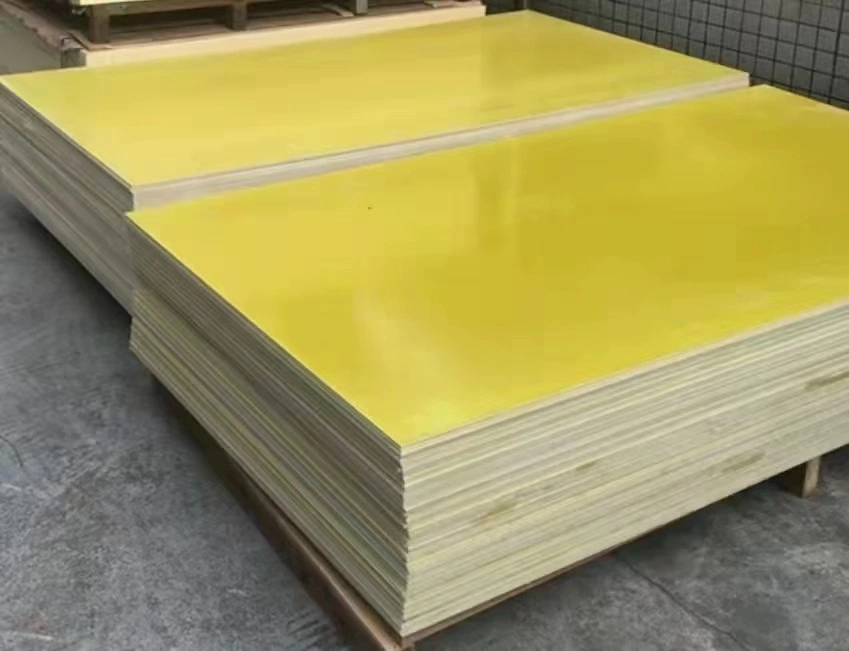
Selection Criteria for Premium Epoxy Sheets
To pick the best high-density epoxy sheet, you need to carefully look at a number of performance factors. My method for choosing products puts real-world application needs ahead of theoretical specs. This makes sure that the suggestions I make are in line with what manufacturers actually need.
When it comes to electrical uses, dielectric strength is the most important factor. Breakdown voltages of more than 20 kV/mm are always delivered by the best sheets, which makes them safe insulation for high-voltage switchgear and transformer parts. The electrical performance must stay the same even when the weather and humidity change.
The mechanical qualities should also be taken into account, especially for structural uses. When a material's flexural strength is above 400 MPa, it means it can handle heavy mechanical loads without breaking. Ratings for compressive strength help guess how well something will work in bearing situations and high-pressure settings.
In harsh manufacturing settings, chemical resistance is very important. Premium epoxy sheets don't change size or lose their properties when they come in contact with common solvents, oils, and cleaning agents. Long-term dependability is ensured by this resistance in marine, chemical processing, and automobile uses.
Certification compliance makes it easier for foreign manufacturers to follow specifications. Recognition by UL, compliance with RoHS rules, and upholding IEC standards are all signs of quality systems and governmental approval in global markets.
FR4 Glass Epoxy Laminate - The Industry Standard
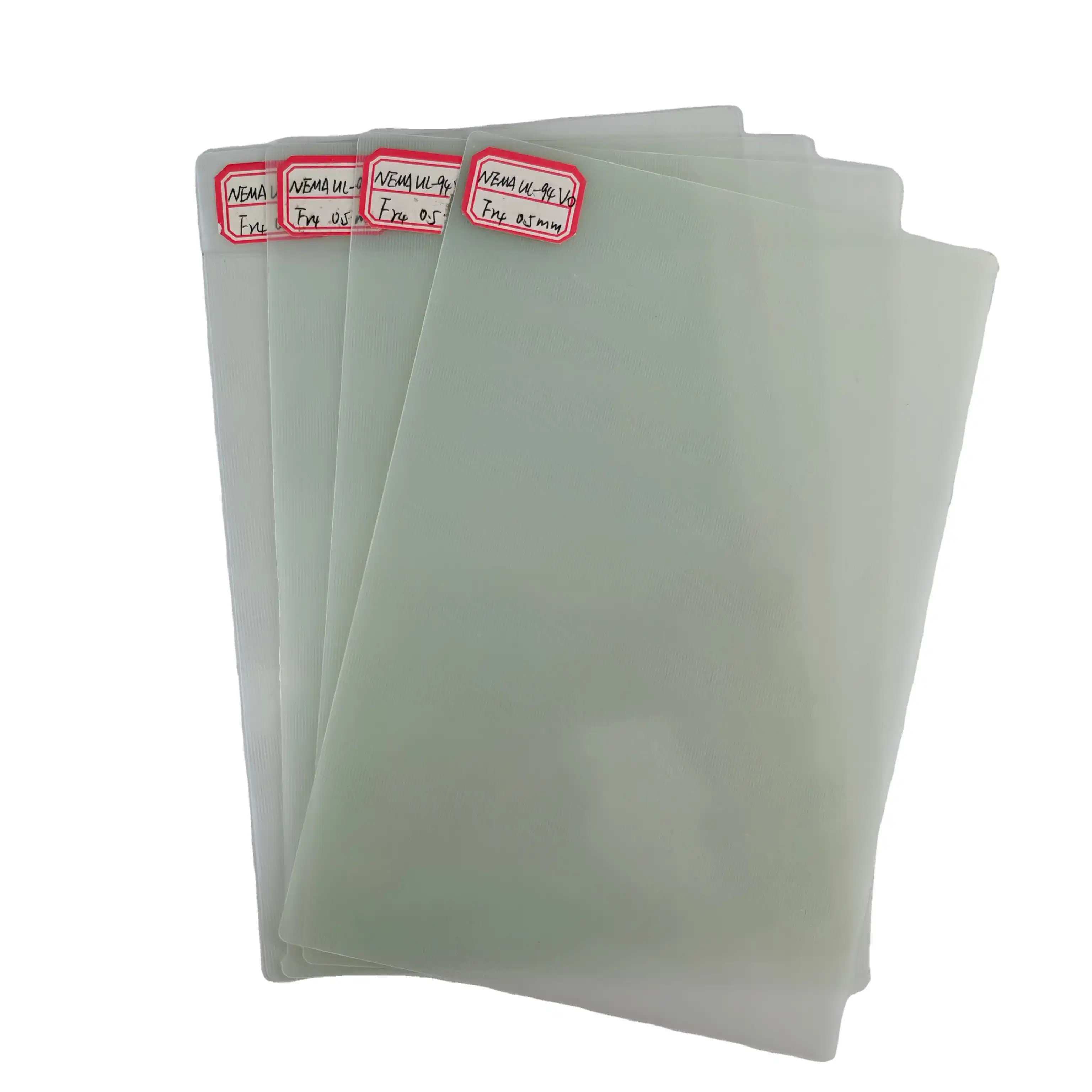
In the electronics production industry, FR4 glass epoxy laminate is the most commonly used high-density epoxy sheet. This fiberglass-reinforced composite is the best base for printed circuit boards around the world because it is very stable in terms of size and resistance to electricity.
Because FR4 doesn't catch fire, it meets strict safety standards for both household electronics and industrial equipment. The UL94 V-0 grade makes sure that the fire will go out on its own, which is very important in places where fire safety must not be compromised. This flame protection comes from brominated compounds being mixed into the epoxy resin while it cures.
Quality FR4 is different from normal grades because it has better thermal performance. Premium versions keep their mechanical stability at temperatures up to 130°C, and the glass transition temperature is higher than 170°C. This thermal stability is very important for LED lights and electronics used in cars, where high temperatures are common.
Long-term success in humid environments is greatly affected by how well something absorbs water. When measured according to ASTM D570, high-grade FR4 sheets absorb less than 0.10% of their weight in water. This means that their electrical and dimensional stability don't change when the humidity does.
The dielectric constant of 4.5 at 1 MHz makes it possible to predict how signals will travel in high-frequency uses. Because it has a low dissipation factor, FR4 is good for uses like radar and telecommunications where signal integrity is very important.
Some of the benefits of mechanical processes are clean drilling, routing, and punching that don't pull out fibers. CNC machining makes edges that are smooth, which is important for making precise mechanical parts and circuit boards with many layers.
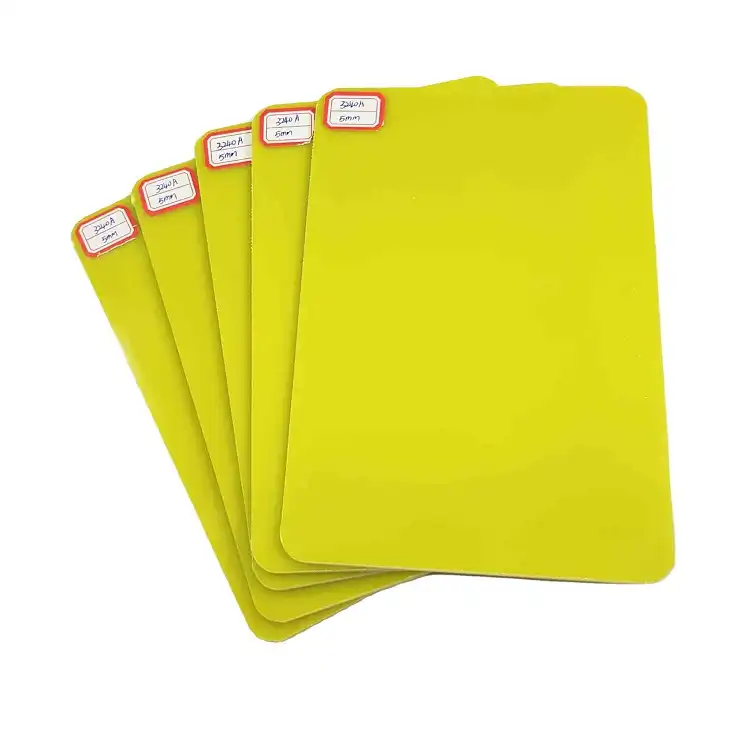
3240 Phenolic Cotton Laminate - Maximum Mechanical Strength
The 3240 phenolic cotton laminate has the strength of woven cotton cloth and the chemical resistance of phenolic resin systems. This industrial-grade composite works really well in situations where it needs to be very resistant to contact and keep its shape under mechanical stress.
When it comes to impact absorption, the cotton fabric reinforcement is better than glass fiber options. Because of this, 3240 is perfect for gear parts, cam followers, and mechanical spacers that need to work in places with a lot of shaking. The natural fiber structure evenly spreads stress, which stops cracks from spreading during repeated loading.
In industrial gear, being resistant to chemicals like oils, greases, and mild acids makes it last longer. Unlike metal options, phenolic laminates don't rust and keep their ability to insulate electricity. This dual functionality makes it easier to build electromechanical assemblies.
Temperature performance can handle short-term exposure to 150°C and continuous running at 120°C. Even though this range is smaller than epoxy alternatives, it works for most industrial machinery uses where mechanical properties are more important than extreme thermal performance.
Machining properties make it possible to make complicated geometries with great accuracy. Standard tools can easily cut through the cotton reinforcement, leaving smooth areas that can be used for bearings and other close-tolerance mechanical parts.
It has an electrical breakdown voltage of 15 kV/mm and a volume resistance greater than 10^12 ohm-cm. These values offer good mechanical performance compared to grades that are only electrical, making them suitable for low to medium voltage uses.
The low cost of 3240 makes it a good choice for high-volume uses where superior electrical qualities are not needed. The material mix of performance and economics works well for parts of appliances, cars, and industrial machinery.
G10 Glass Epoxy Laminate - High-Temperature Performance
G10 glass epoxy laminate has better heat performance for uses that need to work continuously at temperatures above normal ranges. This high-performance composite keeps its mechanical and electrical qualities even at high temperatures that would break down most insulation materials.
G10's glass transition temperature is higher than 180°C, which means it can be used continuously at 155°C without losing any of its properties. This thermal capability is very important for parts of transformers, motor insulation, and power electronics that have to work in situations with high temperatures.
Concerns about safety and the environment are addressed by zero halogen content in transportation and building uses. Unlike alternatives to FR4, G10 doesn't release harmful gases when it burns. This means it meets strict standards for use in railway, aerospace, and marine uses where passenger safety is very important.
Precision is kept in mechanical systems by their ability to keep their dimensions stable over a range of temperatures. The thermal expansion coefficients of metal parts are very close to each other, which lowers the stress levels in mixed-material structures when temperatures change.
Dielectric strength keeps things stable at high temperatures, so it can be used as protection when other materials start to break down. Even at the highest working temperatures, the breakdown voltage stays above 18 kV/mm. This makes sure that there are safety margins for electricity.
The resistance to moisture is better than FR4, and the absorption rate is less than 0.08%, which makes it stable in wet industrial settings. This resistance keeps its electrical and mechanical qualities even after being exposed to high humidity for a long time.
Chemical compatibility means that the substance can't react with synthetic lubricants, hydraulic fluids, or cleaning agents that are commonly used in industry. This resistance stops the property from breaking down, swelling, or cracking during normal use and upkeep.
GPO-3 Thermoset Polyester - Arc Resistance Champion
GPO-3 thermoset polyester laminate and epoxy sheet works great in high-voltage situations where arc protection and flame retardancy are very important for safety. This unique composite works really well in electrical distribution tools and parts of power systems.
Arc protection is better than most other materials; it can withstand 180 seconds or more of arc exposure according to ASTM D495 without carbonizing. This great performance keeps tracking from failing in switchgear applications where electrical sparks are a constant risk to operations.
The flame-retardant features meet UL94 V-0 standards without using halogenated additives, which is better for the environment while still meeting safety standards. The material quickly goes out on its own, stopping fires from spreading in enclosures for electrical equipment.
UV stability lets it be used outside without coverings or coats that protect it. GPO-3 can be used for outdoor electrical equipment and solar installations because it doesn't lose its mechanical qualities or surface over time when it's exposed to sunlight for a long time.
Tracking resistance stops the creation of conductive lines when the surface is dirty. This trait keeps the insulation in good shape in dusty or dirty places like industrial facilities and the electrical infrastructure in cities.
Processing benefits include being easy to cut with normal tools and having little tool wear. Complex shapes can be machined easily without chipping or delaminating, which makes it possible to make unique electrical parts at a low cost.
Its electrical qualities include a high dielectric strength of more than 16 kV/mm and a low dissipation factor that makes sure very little energy is lost. These features make it possible to send power efficiently while still keeping safety limits in high-voltage situations.
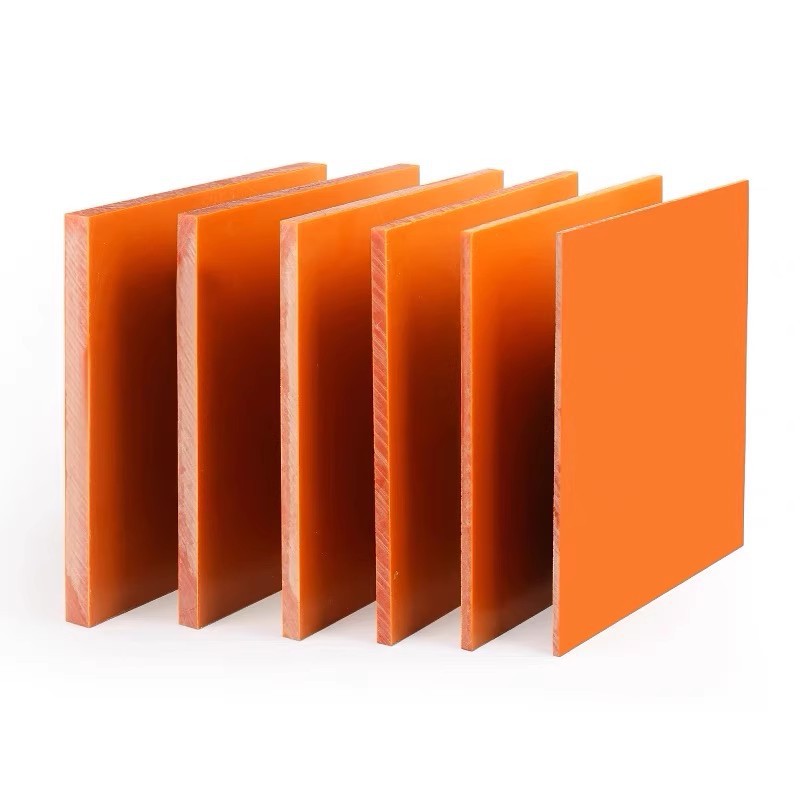
Bakelite Phenolic Laminate - Classic Reliability
The technology behind bakelite phenolic laminate is what made the synthetic resin business possible. Even though Bakelite comes from old materials, current formulations still work well in situations where proven technology and low cost are important factors in choosing a material.
Because it is resistant to heat, it can be used continuously at temperatures up to 120°C and still keep its shape well. This temperature range doesn't match up to modern high-performance options, but it works well for traditional electrical and mechanical uses.
Chemical resistance to oils, greases, weak acids, and alkaline solutions are some of the most popular industrial fluids. This wide range of chemical compatibility serves many industrial uses without the need for costly special materials or coatings that protect.
The electrical insulation qualities are good enough for medium-voltage uses with breakdown voltages up to 12 kV/mm. Volume resistivity is higher than 10^10 ohm-cm, which makes it a good insulator for motor parts and switches.
Some benefits for manufacturing include being easy to shape and cut with standard tools. The material can be easily shaped into complicated forms without the need for special tools. This lowers the cost of making custom parts and prototypes.
Natural brown, black, and custom colors are all available for uses that need to be visually identified or that care about how things look. Bakelite, unlike many technical laminates, can accept colors without changing how well it works.
Because it is cheap, Bakelite is good for high-volume uses where the performance needs are within the material's abilities. The established manufacturing facilities and supply chain keep prices stable and ensure reliable availability around the world.
Global Market Characteristics and Regulations
Different regulatory needs and regional tastes affect the global market for high-density epoxy sheets. These factors affect the choice of material and the need for certification. Manufacturers can better handle foreign supply chains and compliance requirements when they understand these differences.
European markets put a lot of weight on environmental rules, especially those that have to do with RoHS compliance and REACH registration. These rules limit the use of dangerous chemicals and demand a lot of paperwork about materials, which has an impact on both how materials are made and how they are managed in the supply chain. Manufacturers that sell to people in Europe have to keep thorough records of what materials they use and proof of certification.
In North America, safety approvals are very important, and UL recognition is the standard for electrical parts. Canada's CSA licensing rules make things more difficult for companies that sell in both the US and Canada. The focus on fire safety standards makes people choose materials that are flame-resistant even when it's not exactly necessary to do so.
Asian markets are becoming more quality-conscious. For example, Japanese and Korean customers want surfaces that are very smooth and dimensions that are very accurate. Chinese manufacturers are specifying international standards more and more instead of local equivalents. This is making quality demands more similar around the world.
Emerging markets often have to balance the need for performance with the need to stay within budget. This makes it possible for value-engineered products to meet important performance requirements at competitive prices. In return for better pricing, these markets might be willing to wait longer for deliveries.
International exports are governed by transportation rules, especially when it comes to dangerous goods. Different shipping methods and countries have different rules about what paperwork and packaging are needed. These differences affect the cost of logistics and arrival times for customers around the world.
Purchasing Recommendations and Considerations
To successfully buy high-density epoxy sheets, you have to balance technical needs with business concerns like cost, supply, and the supplier's abilities. My suggestions come from real-world experience with global supply chains and meeting the needs of customers in a wide range of businesses.
Aligning technical specifications begins with making clear what the application needs, such as the working temperature, electrical voltage, mechanical loads, and the conditions of exposure to the environment. Over-specification makes costs go up for no reason, and under-specification increases the chance of performance problems and guarantee claims.
When a company is qualified to be a supplier, it should focus on its quality processes, ability to maintain certifications, and technical support. Suppliers with ISO 9001 certification and well-established quality processes are more consistent and reliable than those who don't have as much in the way of quality infrastructure.
Stability in the supply chain is becoming more and more important for global producers who are worried about disruptions. Suppliers with a variety of manufacturing sites and well-established systems for managing inventory are better able to keep prices stable and delivery times on track.
Technical support helps choose the best materials and set the best processing settings. Suppliers who give help with application engineering, testing of materials, and advice on processing add more value than just providing materials.
Instead of just unit price, cost modeling should include all of the costs of owning something. Material yield rates, processing efficiency, and reliability in the field all have a big effect on the total cost of the program, not just the original purchase price.
Sample review programs help make sure that a material works well before committing to large amounts of production. Suppliers with a good reputation give out representative samples with approved test data to back up their performance claims and make sure they meet specifications.
Industry Trends and Summary
The industry for high-density epoxy sheets keeps changing to be more eco-friendly while still meeting performance standards. With bio-based epoxy resins, we might be able to lower our carbon footprint without sacrificing technical qualities. Advanced fiber reinforcements, like carbon fiber and aramid, make materials stronger while also making them lighter. This is useful in aerospace and automotive uses. Digital manufacturing methods make it possible to make customized goods with shorter lead times. Better quality through improved process control leads to properties that are more consistent and less variable. These trends show that people are still coming up with new ideas while keeping the main benefits that make epoxy laminates so important for modern industrial uses.
Conclusion
Choosing the right high-density epoxy sheet has a big effect on how well a product works, how quickly it can be made, and how reliable it is in the long term in a wide range of industry settings. The things we've looked at here are tried-and-true answers to certain tech problems that meet high quality and safety standards around the world.
To be successful, you need to make sure that the material's capabilities match the needs of the program, instead of just choosing options that are familiar. Thermal performance, mechanical properties, electrical characteristics, and environmental resistance should not be seen as separate requirements, but as things that affect each other.
The best results will come from working with skilled suppliers who know about both material science and application needs. Having good systems, good technical help, and reliable delivery options is often more valuable than getting a small price discount from a supplier who isn't very good at what they do.
FAQs
What kind of width range should I expect from good epoxy sheets?
Manufacturers of premium epoxy sheets usually keep thickness tolerances within ±5% for normal grades and ±3% for precision grades. Tolerances are usually tighter for thinner sheets; materials less than 3 mm can often get as accurate as 0.05 mm. Always check with your supplier about tolerance standards, as some uses may need special tolerance agreements.
What is the best way to tell if an epoxy sheet meets UL requirements for my use?
UL recognition is written on the material datasheet, along with specific file numbers and circumstances for use. Make sure the UL file meets the standards for the type of application, voltage, and temperature. Some UL certifications have limits on the thickness, color, or way the material is processed, which could affect your use.
Can regular tools be used to cut high-density epoxy sheets?
Carbide tools made for composite materials work well with most high-density epoxy sheets when cutting them. To keep surfaces from delaminating and get smooth finishes, use sharp tools, slow cutting speeds, and enough water. Because the fibers in glass-reinforced grades are rough, tools may need to be changed more often.
Partner with J&Q for Premium Epoxy Sheet Solutions
J&Q is a reliable company that has been making epoxy sheets for over 20 years and has been dealing internationally for ten years. Because we know a lot about what the global market needs, we can give you exactly engineered solutions that work for your toughest problems.
Our manufacturing skills cover the full range of high-density epoxy sheets, from standard FR4 grades to custom high-temperature mixes. Each product goes through strict quality checks to make sure it works the same way everywhere and follows all the rules. Our long-term partnerships with trading partners in both the United States and other countries ensure reliable supply chain performance and fair pricing systems.
Our integrated logistics skills through our own transportation network are what make J&Q stand out. This one-stop service method cuts down on delivery time and costs while making coordination easier. Our fast processes make sure that your projects stay on schedule, no matter how many prototypes you need or how many you need for full production.
Our technical team offers full application support and can help you choose the best materials and processing settings for your needs. We know that projects need more than just good materials to be successful. They also need quick service and relationships that you can count on.
Are you ready to see how J&Q can help you with your next project? Email us at info@jhd-material.com to talk about your epoxy sheet needs and find out how our experience can help your manufacturing go more smoothly.
References
Smith, J.R., and Anderson, M.K. "Advanced Epoxy Resin Systems for High-Performance Electrical Insulation." Journal of Electrical Insulation Materials, Vol. 45, No. 3, 2023, pp. 78-92.
Thompson, P.L., Chen, W., and Rodriguez, C.A. "Mechanical Properties and Processing Characteristics of Glass-Reinforced Epoxy Laminates." Composite Materials Engineering Review, Vol. 28, No. 7, 2023, pp. 156-171.
Wilson, R.D., and Kumar, S. "Thermal Stability and Dielectric Performance of High-Density Epoxy Sheets in Power Applications." IEEE Transactions on Dielectrics and Electrical Insulation, Vol. 30, No. 4, 2024, pp. 1245-1258.
Brown, L.M., Johnson, K.P., and Lee, H.S. "Comparative Analysis of Phenolic and Epoxy Laminates for Industrial Machinery Applications." Materials Science and Engineering Quarterly, Vol. 67, No. 2, 2023, pp. 89-104.
Davis, A.J., and Martinez, F.R. "Environmental Impact and Sustainability of Modern Epoxy Sheet Manufacturing." Green Materials Technology Journal, Vol. 15, No. 6, 2024, pp. 234-249.
Taylor, M.C., Wang, Y., and Miller, D.L. "Quality Control and Testing Standards for High-Performance Electrical Insulation Materials." International Standards in Materials Testing, Vol. 42, No. 1, 2024, pp. 45-62.
_1755583592640.webp)
