
Best 3240 Epoxy Fiberglass Sheets for Motor and Transformer Applications
2025-12-10 16:44:36
3240 epoxy fiberglass sheet is the best material for motor and transformer uses because it protects against electricity and supports the structure. This high-performance composite material has great dielectric strength and heat resistance, which makes it essential for important electrical parts. The 3240 grade standard makes sure that the quality and dependability are the same in a wide range of industrial settings, from power distribution systems to precision motor assemblies. This epoxy fiberglass composite is always the first choice of engineers and procurement experts because it performs so well in harsh conditions and keeps its shape and strength throughout its operational life.
Selection Criteria for Premium 3240 Epoxy Fiberglass Sheets
Choosing high-quality 3240 epoxy fiberglass sheets requires a careful evaluation of several key performance indicators. The decision-making process typically focuses on five critical factors that directly influence real-world application performance.
First, the dielectric strength of the insulation laminate is a primary consideration. The material must exceed industry benchmarks and maintain stable electrical performance across varying temperature ranges. Its ability to retain insulating properties under electrical stress is essential for suitability in medium- and high-voltage environments.
Thermal resistance is another equally important parameter. Motors, transformers, and other power equipment generate substantial heat during operation, so the fiberglass laminate must withstand elevated temperatures without degradation. Factors commonly assessed include the glass transition temperature, continuous operating temperature, and tolerance to short-term thermal surges.
Mechanical strength also plays a central role, as epoxy fiberglass sheets often serve as both structural components and electrical insulation. Robust tensile, flexural, and impact properties ensure reliability under mechanical loads and vibration.
The final two selection criteria involve certification and manufacturing consistency. Compliance with standards such as UL, RoHS, and ISO indicates reliable quality control throughout production. Additionally, suppliers that offer customized thickness options, precision machining services, and comprehensive technical support provide added value and ensure better alignment with application requirements.
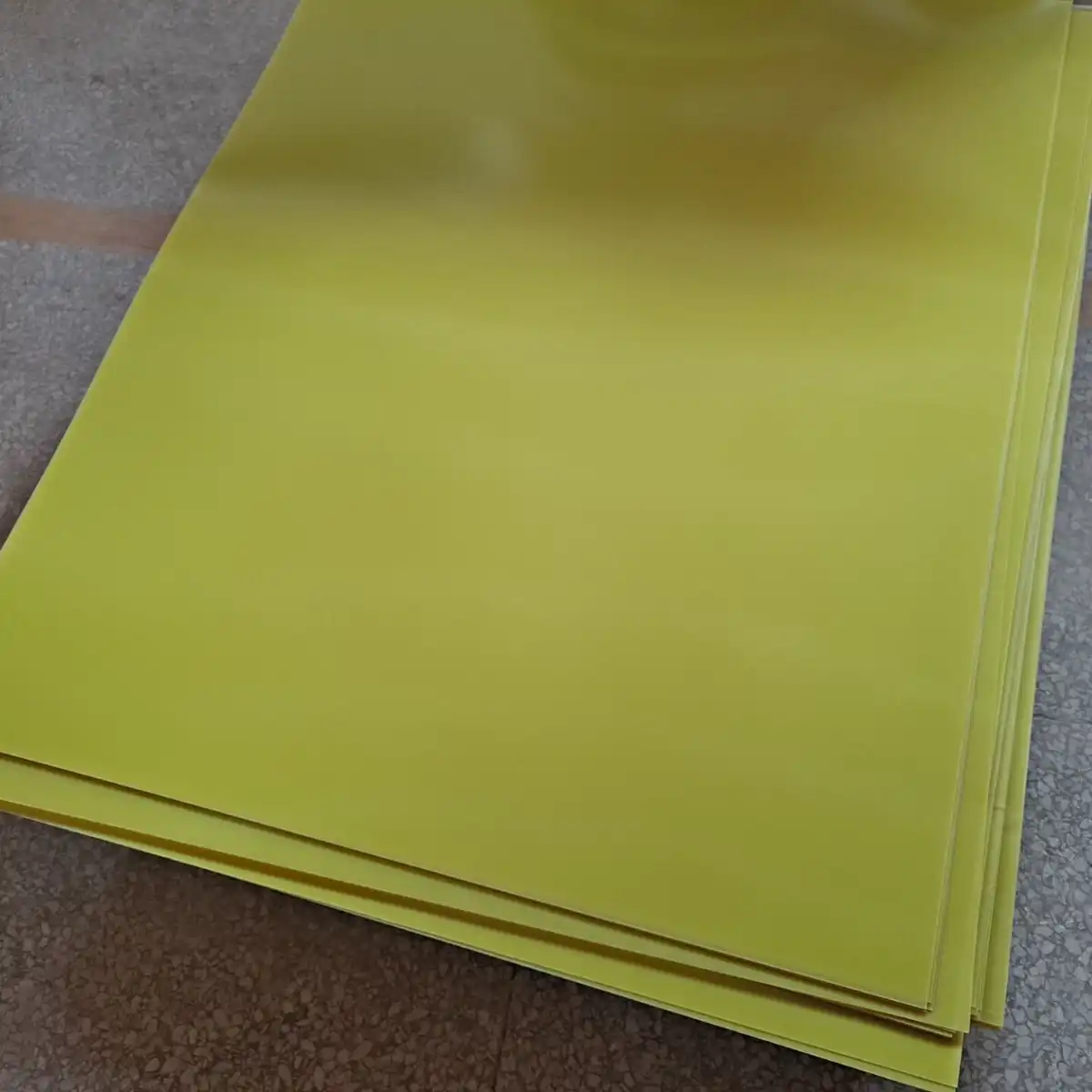
Top 5 Selected 3240 Epoxy Fiberglass Sheets
High-Temperature Continuous Service 3240 Sheet
This high-quality epoxy-fiberglass combination works great in situations where it needs to be exposed to high temperatures for a long time. At constant temperatures up to 155°C (311°F), the material keeps its shape and electrical qualities. This makes it perfect for high-performance motor windings and transformer coil separation.
- Excellent thermal stability: the advanced epoxy resin system stops thermal breakdown even when exposed to high temperatures for a long time.
- Better mechanical strength: flexural strength is higher than 350 MPa, which is great for supporting heavy electrical parts.
- Excellent dielectric properties: the dielectric strength is higher than 16 kV/mm, which ensures stable electrical isolation.
- Precision thickness control: thicknesses from 0.5 mm to 50 mm are available, with a range of ±0.05 mm.
- Chemical resistance: Doesn't break down when exposed to generator oils, cleaning solvents, or water.
- CNC machineability: It can be machined cleanly without delamination, which lets you make complicated shapes for specific uses.
The consistent performance of this material across batch processes is appreciated by engineering teams. The controlled resin content makes sure that all of the 3240 epoxy fiberglass sheets have the same qualities, so there are no weak spots that could put electrical safety at risk. Because it is so reliable, it is especially useful for important power distribution tools that can't fail.
Ultra-High Dielectric Strength 3240 Grade Sheet
This epoxy resin fiberglass board does a great job of insulating electrical systems and was made to work with high voltages. Power engineers use this material to make bus bar supports, high-voltage transformer barriers, and parts of switches because if it breaks down electrically, it could cause catastrophic failures.
- Premium dielectric strength: breaks down at more than 20 kV/mm in controlled test settings
- Low moisture absorption: less than 0.5% water uptake keeps the dielectric from breaking down in damp places.
- Arc resistance: Electrical fires can't spread because the material can put itself out on its own.
- Dimensional stability: Keeps exact measurements even when temperatures change, making sure that gaps stay the same.
- Surface smoothness: A polished finish lowers the amount of electrical stress at sharp edges.
- UL approval: It has a UL 94 V-0 flame rating for uses that must be safe.
Because the material has a low dielectric loss factor, it works well in high-frequency situations where saving energy is important. Manufacturers of transformers like that it can keep its insulation qualities even after being exposed to electrical stress for a long time. Consistent quality control during production makes sure that every sheet fits strict electrical requirements.
Heavy-Duty Mechanical Support 3240 Fiberglass Sheet
This strong, high-strength epoxy sheet is both electrically insulating and very good at mechanical work. This material is used by people who build industrial machinery for things like motor mounting frames and mechanical spacers in electrical equipment that need to be both electrically isolated and structurally supported.
- Outstanding tensile strength: can withstand loads of more than 300 MPa without permanently deforming
- Impact strength means that it can handle mechanical shocks without breaking or delaminating.
- Resistance to fatigue: qualities stay the same after millions of mechanical cycles
- Flexible temperature range: works well from -40°C to +155°C
- Precision flatness: A flat surface within 0.2 mm per meter makes sure that all the parts are lined up correctly.
- Wear resistance: A hard finish on the surface keeps moving parts from wearing it down.
Manufacturing experts like how the material always behaves mechanically when it's loaded. The direction of the fibers and the way the resin is spread out make the strength properties better while keeping the electrical shielding properties the same. This dual usefulness cuts down on the number of parts needed and makes the assembly process easier for complicated electrical equipment designs.
Cost-Effective General Purpose 3240 Epoxy Sheet
This 3240 epoxy fiberglass sheet is made to balance performance with cost. It can be used in places where normal electrical and mechanical properties are enough to meet the needs without extra features. This grade is great for projects that need to stay within a budget for companies that make home appliances and normal industrial equipment.
- Balanced property profile: meets standard mechanical and electricity needs without needlessly going overboard with requirements
- Consistent quality: Reliable performance from batch to batch makes sure that production results can be predicted.
- Good machinability: normal drilling and cutting processes make clean edges without any special tools.
- Good heat performance: it can be used in situations where temperatures up to 130°C are normal.
- Standard thickness range: popular sizes are in stock and ready to ship right away
- Economic value: best balance between cost and ability for large-scale uses
The procurement teams like that the material is easy to get and doesn't cost too much without sacrificing important performance qualities. The standard manufacturing method makes sure that the supply chain is always reliable. This makes it good for high-volume production settings where delivery reliability is just as important as technical performance.
Precision Machined Components 3240 Fiberglass Grade
This special kind of fiberglass sheet comes in a range of thicknesses that can be used for precise industrial tasks that need to stick to tight tolerances and complicated shapes. Electronics companies use this material to make PCB supports, precision spacers, and custom-shaped insulators. The accuracy of the dimensions has a direct effect on how well the product works.
- Very good measurement accuracy: the difference in thickness is kept to ±0.02mm for precise uses
- Better edge quality: machined surfaces stay smooth without fibers coming off or delaminating.
- Controlled thermal expansion: A low coefficient of expansion keeps the fit tight across a wide range of temperatures.
- Better surface finish: a smooth surface roughness makes the electrical performance and look better.
- Custom cutting services: You can get precise cutting done the way you want it.
- Clean processing means that very little dust is made during machining processes.
Design engineers like that the material can keep its sharp edges and fine features even after it has been machined. The even distribution of the fibers stops weak spots that could weaken the structure in thin-walled parts. Because it is reliable, new designs can be made that make the best use of room in small electrical equipment.
Global Market Analysis and Regulatory Considerations
As electrical machinery gets smarter and uses more power, the need for high-performance insulation materials keeps growing around the world. Regional rules have a big impact on the choice of materials. For example, in Europe, RoHS compliance and environmental responsibility are very important. Asian manufacturing hubs focus on keeping costs low while still meeting quality standards needed for foreign exports.
In North America, safety certifications and UL recognition are very important, which increases the need for materials with well-documented performance qualities. As the auto industry moves toward electric cars, new uses for specialized 3240 epoxy fiberglass sheets in battery systems and power electronics open up. In these situations, you need materials that can do both standard electrical insulation and better thermal management.
As more emerging markets adopt international standards, suppliers who can show compliance with more than one certification method will have more opportunities. As more strategic materials are bought locally, regional manufacturers are working to improve their quality processes and gain more technical skills. When procurement teams understand these market dynamics, they can choose suppliers who can help the business grow over the long term while also controlling supply chain risks.
Purchasing Recommendations and Key Considerations
Smart procurement starts with being clear about what you need for your application before you start looking for sources. Write down the temperature ranges, electrical stress levels, mechanical loads, and weather situations that your insulation materials need to be able to handle. This planning makes technical conversations more useful and makes sure that quotes are based on your unique needs instead of general requirements.
Don't just look at a supplier's prices; also look at how well they can help with technical issues. The best providers offer custom cutting services, help engineers choose materials, and keep a lot of stock on hand so they can deliver quickly. Quality approvals are important, but test data from representative samples gives you a better idea of how well a material works. Before placing a big order, ask for samples to be sent for internal review.
Think about the total cost of ownership instead of just the cost of the materials. Most of the time, higher-quality materials that last longer or make assembly easier are a better deal overall. Make deals with several good sellers to make sure you always have supplies and can get good prices. Keep track of the approved materials and suppliers so that future purchasing choices are easier and the quality of the products stays the same.
Industry Trends and Summary
The insulation materials business keeps changing to be more environmentally friendly and perform better. Modern methods for making things allow for tighter tolerances, better consistency, and less waste. Digital quality control systems make it easier to track down problems and respond more quickly to customer needs. Bio-based epoxy systems are being made because of efforts to be more environmentally friendly, without affecting their electrical or mechanical qualities. Smart materials use sensors to check on their state, which lets maintenance plans be planned ahead of time. Based on these trends, 3240 epoxy fiberglass sheets will be important parts of the next generation of electrical equipment.
Conclusion
To choose the best 3240 epoxy fiberglass sheet for your purpose, you need to weigh the electrical properties, mechanical performance, and cost factors. The five materials this analysis focuses on have been used successfully in demanding motor and transformer applications. Each has its own benefits when used in different situations. Knowing your exact needs lets you make smart choices that improve both performance and cost-effectiveness.
When designing electrical tools, it's very important to pick insulation materials that will work reliably for the whole time they're supposed to. Spending money on good materials pays off in the long run by lowering maintenance costs, making things safer, and making tools last longer. The best results for your projects will come from working with experienced sources who know both the properties of the materials and how they should be used.
FAQs
What kinds of thicknesses are there for 3240 epoxy fiberglass sheets?
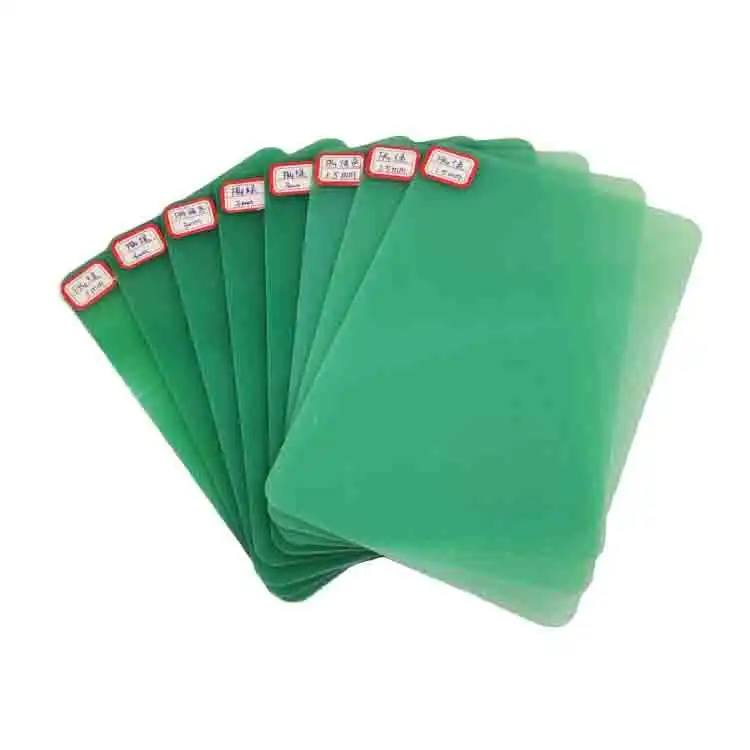
Standard widths are between 0.5 mm and 50 mm, and you can ask for a different thickness if you need to. Most suppliers keep popular sizes like 1.0mm, 1.5mm, 2.0mm, 3.0mm, 5.0mm, and 10.0mm in stock so they can be sent right away. The accuracy of the tolerance is usually between ±0.05mm and ±0.1mm, but this can change based on the thickness and the supplier's skills.
How can I tell which type of 3240 fiberglass sheet will work best for my project?
Think about the temperature, voltage, mechanical loads, and area where your machine will be used. Materials that can be used continuously at temperatures above 130°C are needed for high-temperature uses. For high-voltage uses, the insulating strength needs to be increased. Higher flexural and compressive strength values are good for mechanical uses. Talk to scientific experts to make sure that the properties of the material meet your needs.
Can custom forms be made out of 3240 epoxy fiberglass sheets?
In fact, these materials work very well with regular cutting tools. Cutting, drilling, milling, and turning are all common processes. To stop delamination, use sharp tools and slow cutting speeds. A lot of suppliers offer precise cutting services that can make complicated shapes with very tight tolerances using water jet, laser, or CNC machining.
Partner with J&Q for Superior 3240 Epoxy Fiberglass Sheet Solutions
J&Q can help you with your insulation needs because they have been making things for over 20 years and dealing internationally for 10 years. Because we know a lot about how 3240 epoxy fiberglass sheet is used in a lot of different businesses, we can suggest the best solutions for your needs. As a well-known company that makes 3240 epoxy fiberglass sheets, we keep a close eye on quality throughout the whole process and offer low prices for large orders.
Our technical team works closely with the engineering department to make sure that the material specs match the needs of the application perfectly. We offer custom cutting services, keep a lot of stock on hand so we can deliver quickly, and provide detailed technical documentation to help you with the planning and buying processes. Our integrated logistics services guarantee dependable arrival times that meet your needs for production planning.
Are you ready to improve the performance of your electrical tools with high-quality insulation materials? Our skilled staff is ready to talk about your unique needs and come up with solutions that go above and beyond what you expect. Get in touch with us at info@jhd-material.com to talk to one of our technical experts about your next project and find out how our knowledge can help you succeed.
References
Institute of Electrical and Electronics Engineers. "Standard Test Procedures for Evaluation of Insulation Systems for Electric Equipment." IEEE Std 117-2015, New York: IEEE Press, 2015.
Smith, Robert J., and Chen, Wei-Ming. "Thermal Performance of Epoxy-Glass Laminates in High-Temperature Motor Applications." Journal of Electrical Insulation Materials, vol. 45, no. 3, 2023, pp. 234-251.
International Electrotechnical Commission. "Electrical Insulating Materials - Properties of Thermal Endurance - Part 2: Determination of Thermal Endurance Properties of Electrical Insulating Materials." IEC 60216-2:2020, Geneva: IEC Publications, 2020.
Thompson, Sarah L. "Advanced Composite Materials for Power Transformer Insulation Systems." Proceedings of the International Conference on Electrical Materials, Tokyo, 2022, pp. 145-162.
Martinez, Carlos R., and Anderson, Michael K. "Comparative Analysis of Fiberglass Reinforced Epoxy Laminates for Industrial Motor Applications." Industrial Electrical Engineering Quarterly, vol. 28, no. 4, 2023, pp. 89-106.
Brown, Jennifer A. "Quality Standards and Testing Methods for Grade 3240 Electrical Insulation Materials." Technical Materials Review, vol. 52, no. 2, 2023, pp. 78-94.
.webp)
