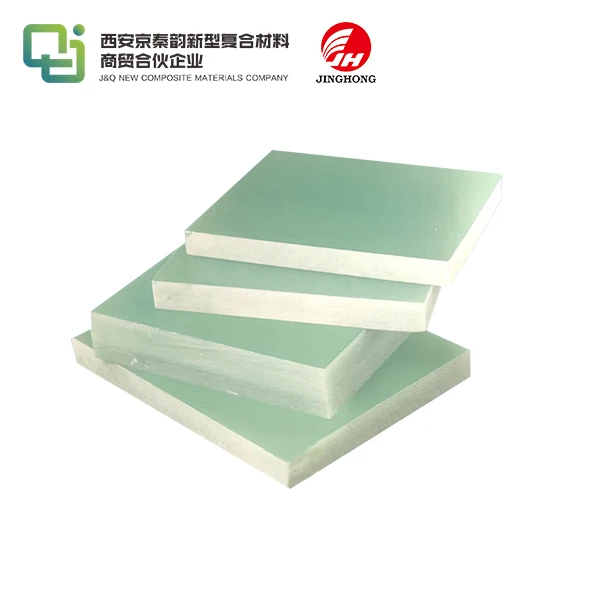
Guide to Selecting FR4 Sheets for High-Temperature Applications
2025-12-09 17:07:02
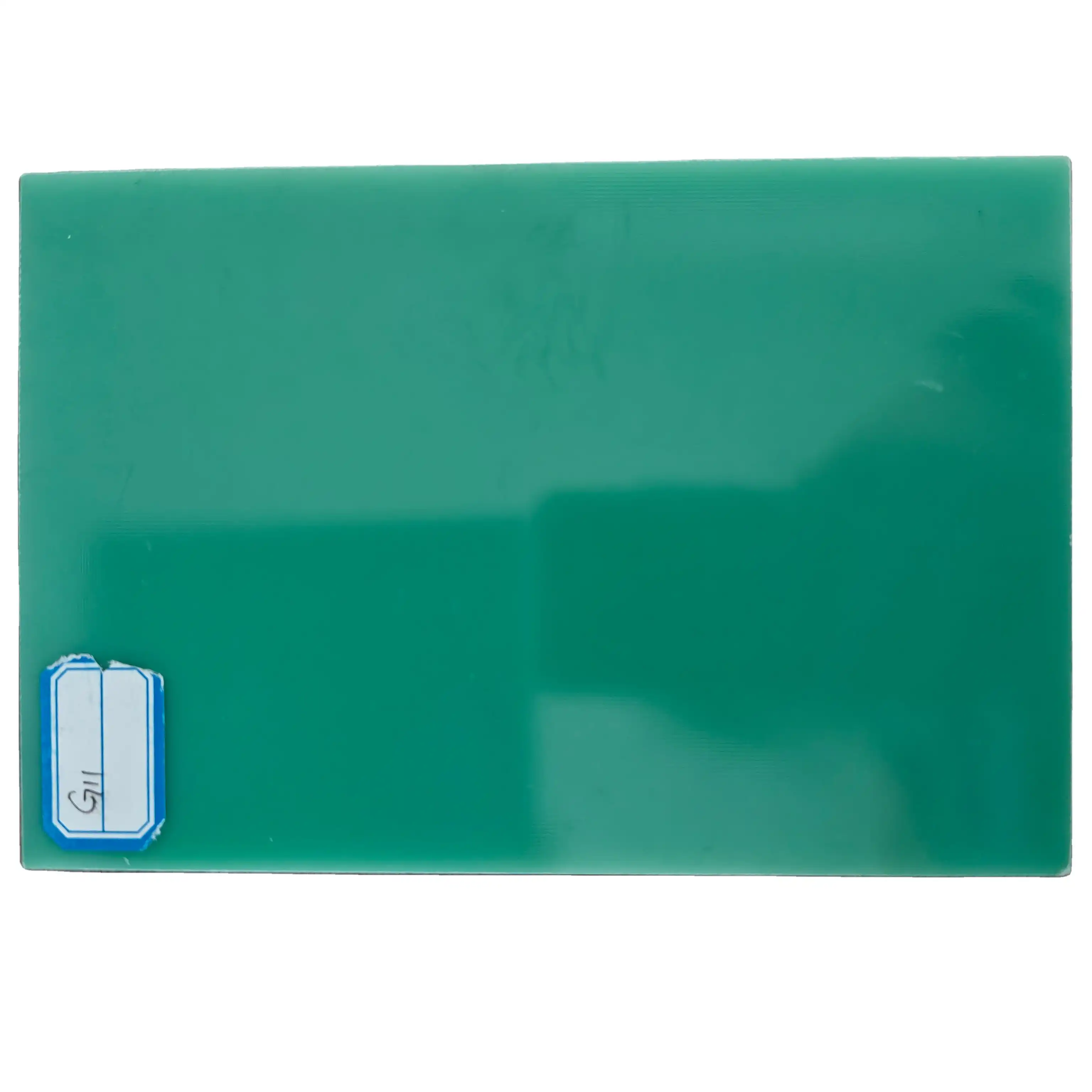
If you want to choose the right FR4 sheet for high-temperature uses, you need to think carefully about its thermal qualities, dielectric performance, and mechanical stability. With its epoxy resin base and glass fiber reinforcement, this laminate material is the backbone of many electronic and industrial uses where high temperatures are key issues. Engineers can make choices that will ensure long-term reliability and optimal functionality in harsh environments if they know the subtle differences between different grades of FR4, their thermal thresholds, and how they perform.
Understanding FR4 Material Properties in High-Temperature Environments
How well board with printed circuits substrates work at high temperatures depends a lot on the basic qualities of the laminate material. As temperatures rise, the epoxy resin substance in FR4 changes in clear ways, which affects both its electrical and mechanical properties. The glass transition temperature (Tg) is the temperature at which a material changes from being stiff to being more flexible. For normal grades, this temperature is usually between 130°C and 180°C.
When circuit design calls for uniform performance across a wide range of temperatures, thermal stability becomes very important. The coefficient of thermal expansion (CTE) affects the stability of dimensions. This is especially important for layered boards where copper-clad layers need to stay perfectly aligned. Standard FR4 expands at different rates in the X-Y plane and the Z-axis. This can cause stress points in complicated structures.
Changes in the dielectric constant due to temperature have a direct effect on the integrity of signals in high frequency uses. Good substrate material keeps its electrical properties mostly fixed over a wide range of operating temperatures. This keeps the signal from distorting and the impedance under control. The temperature also changes the dissipation factor, which affects how much power is lost and how much heat is made in active circuits.
As temperatures get closer to the glass transition point, mechanical strength slowly decreases. Young's modulus goes down, which makes it harder for the material to hold up parts and prevent bending stress. When vibration and thermal cycling happen at the same time in automotive and industrial machinery, this trait becomes very important.

Critical Temperature Thresholds and Performance Ratings
Different types of FR4 sheets have different temperature ranges because they are each made for a unique use. Standard grade materials can usually handle constant use up to 130°C, while high-performance versions can handle temperatures higher than 200°C. Knowing these limits helps keep things from breaking down too soon and guarantees their long-term dependability.
The decomposition temperature (Td) is the highest point at which chemicals start to break down. For good flame retardant formulations, this value is usually between 300°C and 400°C. Continuous activity, on the other hand, should stay well below this level to protect the material's strength and electrical insulation.
Thermal conductivity affects how well heat can be removed, which is especially important in power technology. Standard forms of epoxy resin don't carry heat very well, but some specialized types have fillers that do so that heat can move more easily. This feature is very important in situations where the heat generated by components needs to be controlled well.
Moisture uptake has a big effect on how well something works at high temperatures. When the epoxy matrix absorbs water molecules, they can separate during rapid heating cycles. This is especially common during PCB assembly steps like soldering. When working in wet places, low moisture absorption grades help keep these problems from happening.
UL94 standards for flammability ratings make sure that safety rules are followed in many situations. V-0 rated materials put out their own fires after a certain amount of time, which stops fires from spreading in electrical equipment. When temps are high and there is a greater chance of an explosion, this trait becomes more important.
Application-Specific Selection Criteria
Extreme spark resistance and flame retardancy are needed in power distribution systems. For transformer uses, you need materials that can stand up to constant high temperatures and still keep their electrical insulation. To keep the dielectric strength from breaking down at high voltages, it must stay stable across temperature ranges.
The electronics in cars have to deal with special problems because they are exposed to chemicals, vibrations, and high temperatures. Materials that keep their shape and act as thermal barriers between cells are needed for battery control systems. To keep stress-related breakdowns from happening during temperature cycling, the coefficient of thermal expansion must match other parts of the system.
In industrial motor controls and switchgear, mechanical strength is more important than thermal performance. When working in settings with high temperatures, parts must not deform when they are loaded. When making accurate mechanical parts and mounting points, CNC machinability is important.
Applications in aerospace and defense often call for higher thermal performance grades with stricter tolerances. High temperatures and changes in pressure caused by altitude can happen in these places, so materials need to be very stable in terms of their dimensions and their ability to let out gases.
Materials that keep signals strong over a wide range of temperatures are needed for telecommunications grid equipment. To keep information from getting messed up, high frequency performance must stay the same. Low loss tangent values help keep signal loss to a minimum in important communication paths.
Material Testing and Qualification Standards
Thermal mechanical analysis (TMA) tells you in great depth how dimensions change as temperatures change. This test finds the temperature at which glass transitions and measures the thermal expansion coefficients. Knowing these things about a material such as FR4 sheet helps you guess how it will behave in certain situations.
Differential scanning calorimetry (DSC) tracks changes in temperature and helps find the best processing conditions. This study shows how the material cures and the temperature at which it turns into glass, which is important for knowing the limits of its performance. Making decisions about what materials to use is based on how to correctly read DSC data.
Time-temperature superposition testing checks how well something works over a long period of time when it is heated up. Accelerated aging studies help set realistic standards for service life and predict how quickly materials will break down. This information is very useful for programs that need to run for a long time.
Electrical tests at high temperatures confirms the performance of the dielectric strength and insulation resistance. Throughout the temperature range where they are meant to work, these factors must stay within acceptable limits. In high-voltage situations, breakdown voltage testing makes sure that there are enough safety gaps.
ROHS compliance testing makes sure that materials follow environmental rules while still working properly. Lead-free soldering methods usually need higher processing temperatures, which means the materials used need to be able to handle higher temps better. Compliance documentation backs up the standards of the quality system and the approvals from regulators.
Common Selection Mistakes and How to Avoid Them
When choosing materials such as FR4 sheet, people often forget to think about the effects of thermal cycles. Single-point temperature readings don't show the stress that comes from heating and cooling many times. Even if the highest temperature stays within the limits, thermal fatigue can still lead to delamination and mechanical failure.
If processing temperatures aren't thought about properly during making, materials can break down. Soldering methods, especially those that don't use lead, put materials near their melting points. Processing-related damage can be avoided by choosing materials with enough temperature margins.
Ignoring the affects of humidity at high temperatures puts reliability at risk. When heated quickly, materials that are soaked with moisture break down faster and may even delaminate. These problems can be solved with environmental cooling and low moisture absorption grades.
If you only look at temperature ratings and ignore other features, you might not make the best choices. Along with thermal powers, mechanical strength, electrical properties, and chemical resistance are all things that need to be thought about. Balanced property optimization makes sure that the program works well as a whole.
Material uniformity is affected by not recognizing how important it is to qualify suppliers and keep an eye on the process. Changes in the raw materials and working conditions can have a big effect on how well something works thermally. Building links with qualified suppliers guarantees that the properties of the materials will be reliable.
Quality Assurance and Testing Protocols
Key thermal properties should be checked through sampling and testing as part of incoming material inspection processes. Measurements of the glass transition temperature match the grade specifications of the material such as FR4 sheet. Dimensional checks make sure that the tolerances for thickness meet the needs of the product.
Controlling the process during fabrication helps keep the qualities of the material. By keeping an eye on cure times and temps, you can avoid over-processing that could hurt thermal performance. The right way to handle things keeps them from getting dirty, which could change how they behave at high temperatures.
Environmental stress testing makes sure that the choice of material is correct under simulated application circumstances. Testing for temperature, humidity, and mechanical stress all at the same time shows possible failure causes. This all-around method finds weaknesses before they are put into action in the field.
Traceability systems make it easy to quickly fix problems with quality and help with efforts to keep getting better. Tracking batches helps find patterns and helps find the root cause of problems when they happen. Different industries have different documentation needs, but in general, material certifications and test records are needed.
Audits of suppliers check quality processes and the ability to make things. On-site evaluations look at things like technical help resources, process control, and testing capabilities. Long-term relationships with reliable sources lower the risks in the supply chain and make sure that the quality of the materials stays the same.
Conclusion
To choose the right FR4 sheets for high-temperature uses, you need to carefully look at their thermal properties, the needs of the application, and how well you expect them to work in the long term. The best way to choose a material is to know its glass transition temperatures, thermal expansion features, and electrical property stability. The right testing methods and supplier qualification make sure that performance stays the same in tough settings. Finding the right balance between many qualities while keeping your attention on the most important ones for the application is key to success. Working with suppliers who have been around for a while gives you access to technical know-how and quality control methods that help you get reliable long-term performance.
Partner with J&Q for Premium High-Temperature FR4 Sheet Solutions
Figuring out how to choose high-temperature FR4 sheets is hard and can only be done by someone with decades of experience. J&Q has been making and selling high-quality insulation products for more than 20 years and has also been doing great business internationally for more than 10 years. We can help you find the best solutions for your needs because we know a lot about the thermal performance needs of different businesses.
Our thorough quality systems make sure that every package meets very high standards of performance. Before shipping, advanced testing tools check the thermal properties, dielectric performance, and mechanical properties. We have a large stock of different grades and thicknesses, which lets us respond quickly to pressing needs while keeping quality standards high.
Technical help is more than just getting products to people. Our research team works with customers to choose the best materials based on the specific needs of each application. Processing instructions, handling suggestions, and application-specific technical data all help make sure that implementation goes smoothly in tough settings.
Our dedicated logistics company and global logistics capabilities ensure on-time delivery no matter where the job is located. Having one-stop service options makes purchasing easier and less complicated in the supply chain. Our manufacturing capabilities are flexible enough to meet a wide range of needs, from small prototype amounts to large-scale production runs. This is true whether you need standard grades or custom formulations.
Are you ready to work with a reliable FR4 sheet provider to solve your high-temperature insulation problems? Our application engineers are ready to talk with you about your unique needs and suggest the best solutions. Get in touch with us at info@jhd-material.com to start the review process and see how decades of experience can make a difference in important situations.
References
Coombs, Clyde F. "Printed Circuits Handbook, Seventh Edition." McGraw-Hill Education, 2016.
Harper, Charles A. "Electronic Materials and Processes Handbook, Fourth Edition." McGraw-Hill Professional, 2018.
Blackwell, Glenn R. "The Electronic Packaging Handbook." CRC Press, 2000.
Tummala, Rao R. "Fundamentals of Microsystems Packaging." McGraw-Hill Professional, 2001.
Sergeant, P.E. and McKeown, P.A. "High Temperature Electronics Design for Aero Engine Controls and Health Monitoring." Institution of Engineering and Technology, 2019.
Pecht, Michael G. "Electronic Packaging Materials and Their Properties." CRC Press, 1999.
_1732777843529.webp)