Best Bakelite Sheets for Cost-Effective Electrical Insulation
2025-12-09 17:07:00
When looking for safe ways to insulate electrical systems, high-quality Bakelite sheet materials always come out on top. These thermosetting plastic composites are very valuable because they have special electrical qualities, are stable at high temperatures, and last a long time. For large-scale manufacturing, the best choices offer better dielectric strength while still being cost-effective. The best phenolic resin mixtures work consistently in a wide range of industrial settings, from supporting PCBs to making motor housings. Good manufacturers make sure that the thickness tolerances are exact and that the chemical resistance qualities are reliable. Professional-grade materials are compliant with strict UL and ROHS rules that electronics makers all over the world have to follow.
Why Focus on Premium Phenolic Laminate Solutions?
The market for electrical insulation needs products that are both effective and cost-effective. For modern manufacturing methods to work, parts need to be able to handle rough conditions while still staying the same size. When temperatures are high, standard materials don't work as well as phenolic cotton laminates. Because they don't carry electricity, they keep electrical problems from happening in important situations. These materials made of synthetic resins don't absorb water, so they last longer in damp places. Advanced moldability properties let you make specific parts with complex geometries.
When choosing insulation materials for production settings, quality control is very important. Consistent batch properties lower the variability of production and raise the reliability of the result. Tough testing procedures make sure that thermal efficiency is maintained across all operating temperature ranges. Chemical resistance means that it can be used with cleaning and industrial cleaners. Specifications for mechanical strength help structures hold up under heavy loads in tough situations.

Selection Criteria for Superior Electrical Insulation Materials
To evaluate phenolic laminates, you need to look at a lot of different performance factors. Measuring the dielectric strength shows how much voltage breakdown resistance there is when electricity is stressed. How well electronic assemblies can get rid of heat is based on their thermal conductivity numbers. Specifications for flexural strength show how long a machine will last when it is bent. Rates of water uptake show how stable dimensions are when humidity levels change.
Material choices are affected by manufacturing factors in a big way. CNC machinability affects how well things are made and how much the tools cost. Adhesive bonding and coating uses are affected by the quality of the surface finish. The level of accuracy needed for building is based on the thickness tolerance ranges. Chemical compatibility makes sure that materials next to each other will stay stable over time.
Certification standards make sure that materials follow international safety rules. UL certification proves that electrical uses are fire resistant. Following ROHS rules gets rid of dangerous materials used in making. ISO quality standards show that a company can consistently make things. Industry-specific approvals show that a product works well in certain settings.
Top 5 High-Performance Phenolic Laminate Options
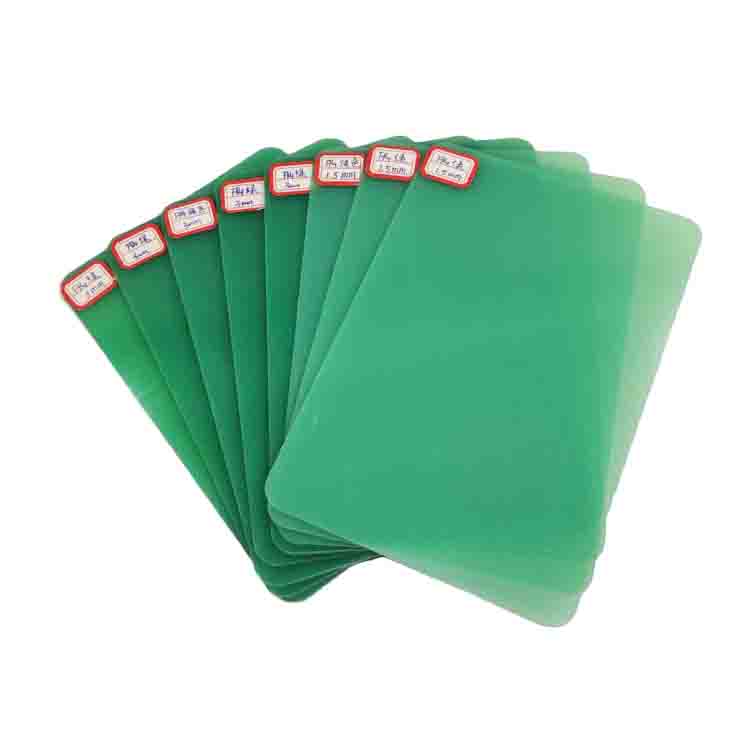
Premium Grade FR4 Epoxy Fiberglass Composite
This one-of-a-kind material such as Bakelite sheet has great electrical properties and great mechanical power. The fiberglass support keeps the shape very well even when the temperature changes a lot. Formulations that are flame-retardant meet strict safety standards for electrical uses. In humid places, electrical qualities stay the same as long as low water absorption rates are present.
For effective electrical isolation, the dielectric strength must be more than 20 kV/mm.
The temperature range for operation is constant from -55°C to +130°C.
For structural uses, the flexural strength is up to 415 MPa.
CNC machining makes exact tolerances with little tool wear.
UL94 V-0 flame grade makes sure that fire safety rules are followed.
Chemical resistance can handle solvents for commercial cleaning
A low thermal expansion index keeps the measurements accurate.
Manufacturing flexibility lets different processing methods like drilling, routing, and punching be used. Surface treatments help conformal coatings and solder plates stick better. There are different thickness choices to meet the needs of different designs. Custom cutting services offer shapes that are best for a certain use. Quality certifications make sure that the qualities of materials are the same from one production lot to the next.
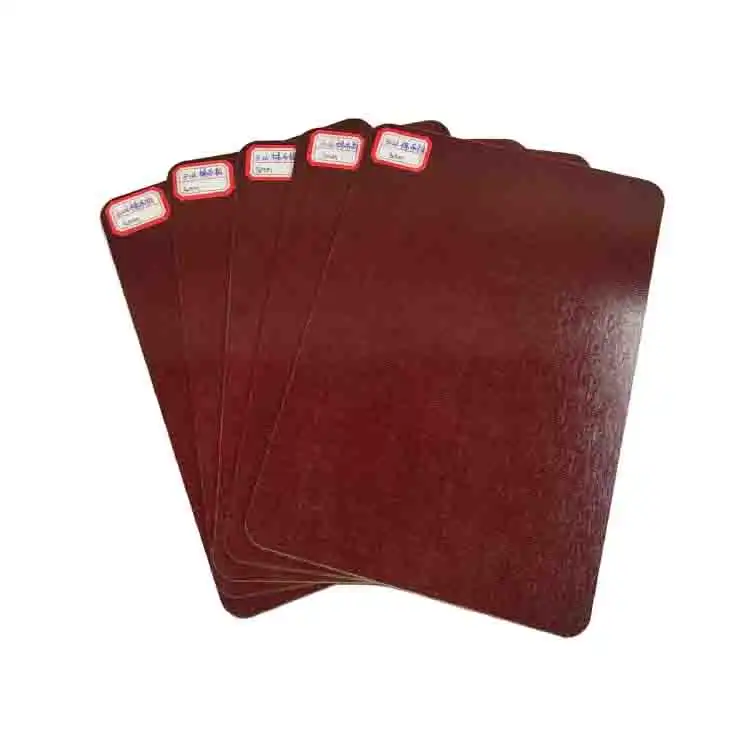
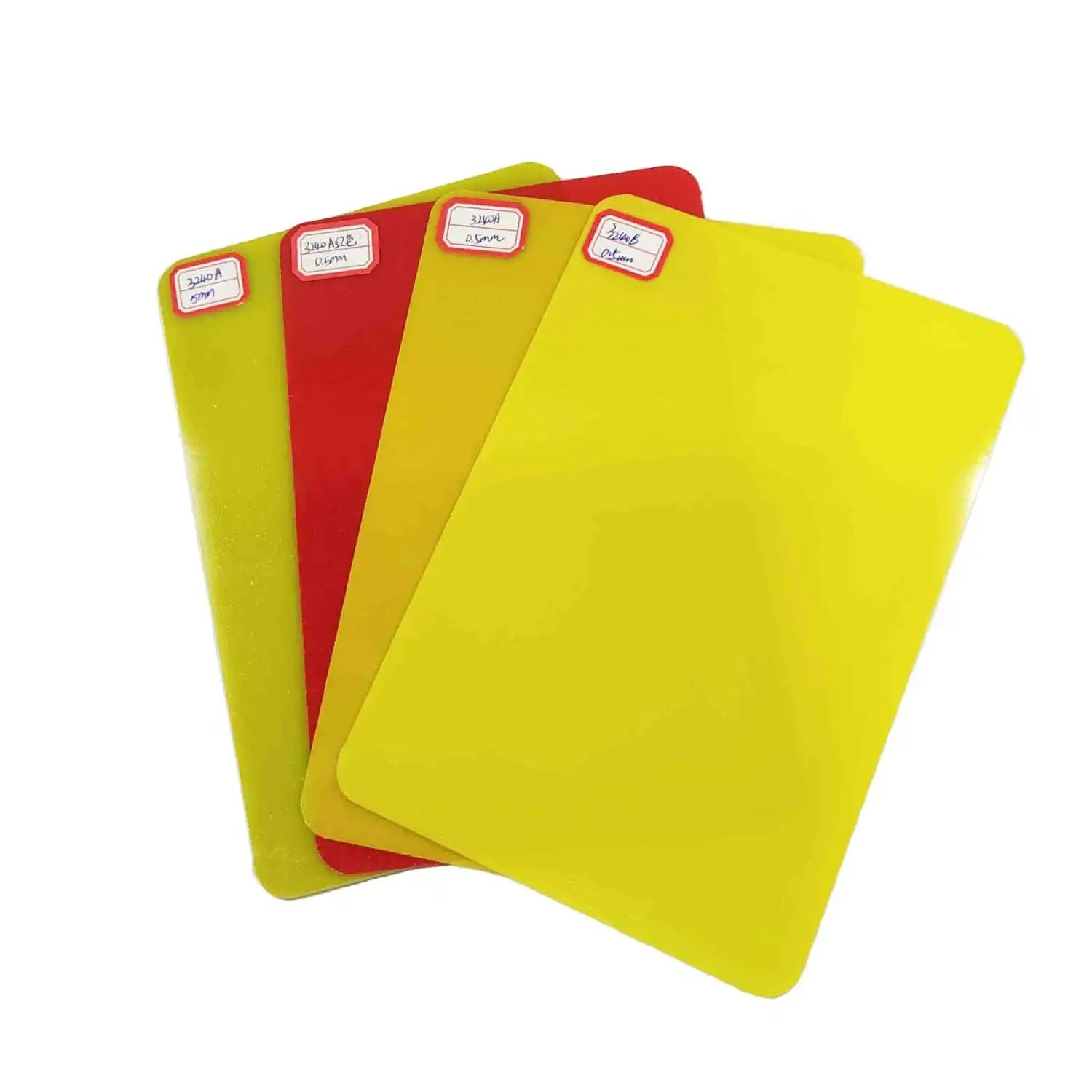
Industrial Grade 3240 Epoxy Phenolic Laminate
When used in harsh manufacturing settings, this strong composite material is very effective. Phenolic resin structures are better at resisting chemicals and staying stable at high temperatures. Cotton fabric reinforcement has great mechanical qualities and can be easily machined. The combination makes insulation options that can be used in a wide range of situations.
The constant working temperature can hit 130°C without any problems.
Surface conductivity is stopped by good electrical tracking resistance.
Mechanical shock and vibration can't hurt things with high impact power.
Better dimensional stability reduces the impact of thermal expansion
Acids, alkalis, and organic solvents are all types of chemical defense.
Precision cutting makes it possible to make things with tight tolerances.
cost-effective way to meet the needs of high-volume production
Processing benefits include clean cut edges and good cutting properties. The quality of the surface lets you print and mark directly on it. There are different grade choices with properties that are best for different needs. Performance standards are backed up by international approvals. Reliable supply lines make sure that materials are always available for when they're supposed to be made.
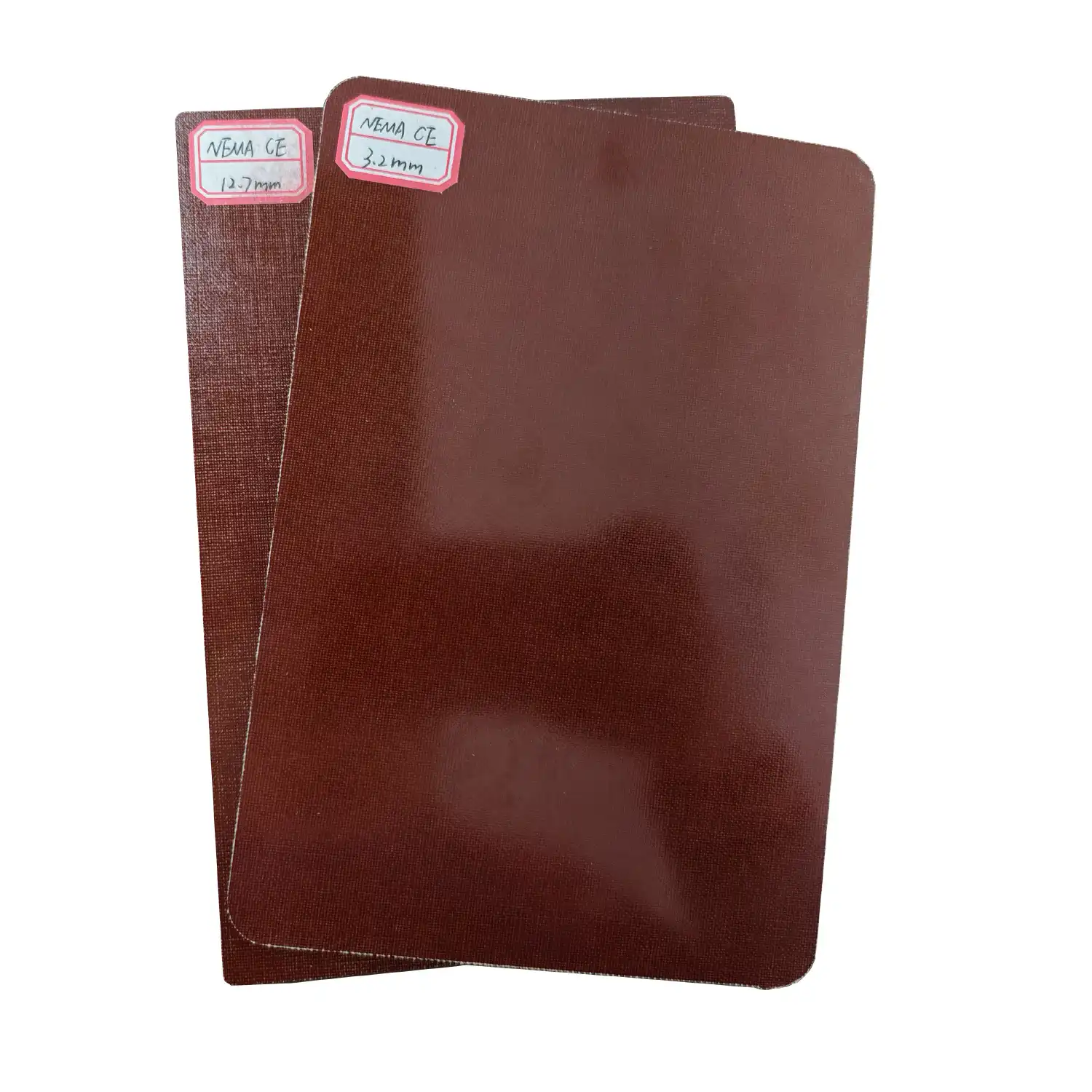
Heavy-Duty Phenolic Cotton Fabric Laminate
This long-lasting material works great in mechanical uses that need to protect electricity from damage. Dense layers of cotton cloth offer great resistance to impact and ease of machine-making. Chemical compatibility and thermal qualities are better in phenolic resin systems. The mixture gives reliable results in tough working conditions.
Outstanding mechanical strength meets the needs of structure loading
Excellent resistance to wear makes friction uses last longer.
Better resistance to thermal shock keeps cracks from forming when temperatures change.
Electrical properties stay the same over time when there is low moisture uptake.
Precision grinding makes it possible to get very smooth surface finishes.
Chemical stability means that industrial fluids can't break it down.
an inexpensive option to metal parts in many situations
Advanced machining methods allow for design flexibility that works with complex geometries. Surface techniques improve how well something works in certain situations. Strength-to-weight ratios are best when there are multiple density choices. Protocols for quality tests check the mechanical and electrical properties. Technical support services help choose the right materials and make the best use of them.
High-Temperature Resistant Bakelite Composite
This high-tech thermosetting material such as Bakelite sheet is very stable at high and low temperatures, making it perfect for use in harsh environments. Specialized phenolic formulations keep their qualities even when heated up. Strength and electrical efficiency are improved by reinforcement systems. The technology behind antique materials keeps changing to meet the needs of today.
Extended temperature range lets it work constantly at up to 150°C
Excellent electrical qualities that don't change much at different temperatures
Aggressive industrial chemicals are examples of chemicals with superior chemical defense.
Excellent dimensional stability keeps it from twisting when heated.
The ability to resist flames increases safety gaps.
Precision casting lets you make complicated three-dimensional shapes.
Long-term resistance to aging keeps efficiency high for decades.
Standard and custom formulations can be used with the same manufacturing methods. Quality control methods make sure that the properties of materials stay the same. For design estimates, technical documentation gives a lot of information about properties. Material optimization is helped by application tech support. Global delivery networks make things available all over the world.
Multi-Purpose Electrical Grade Phenolic Sheet
This flexible insulation material strikes a good mix between cost-effectiveness and performance. Standard formulations offer reliable electrical qualities for a wide range of uses. The way things are made makes sure that the quality stays the same even when a lot of them are made. The long-lasting polymer structure can handle the harsh conditions found in most factories.
Reliable dielectric strength provides adequate electrical isolation for most applications
Moderate temperature needs can be met by good thermal qualities.
Mechanical strength that is good enough to handle normal structure loads
Common design needs can be met by standard thickness choices
Competitive price lets you buy a lot of things at a low cost.
Inventory that is easy to get helps meet the need for quick delivery.
Basic certifications meet the normal requirements for compliance in the workplace.
Processing characteristics make manufacturing processes more efficient. Standard sizes save money and material by cutting down on waste. Quality requirements make sure that performance standards are met at a minimum. Technical datasheets give you important information about properties. Customer support services help with questions about applications and fixing problems.
Global Market Analysis and Regional Considerations
The foreign market for electrical insulation is made up of different regions' needs and standards. In North America, fire safety regulations and UL approval are very important. European rules focus on how they affect the environment and how long they last. Asian markets put a high value on low costs and the ability to make a lot of products. Emerging countries need solutions that can be changed to fit different infrastructure conditions.
Material selection factors are affected by regional preferences for manufacturing. German building standards require exact details and strict checks on the quality. Japanese makers stress that they are always getting better and preventing defects. Chinese factories need options that are both reliable and don't cost too much. Indian markets are looking for products that can be used in a variety of ways.
Material availability and pricing are affected by factors in the supply line. When you buy things locally, you save money on shipping and arrival times. International suppliers give you access to new technologies and special formulations. Quality certifications make sure that important rules are followed in a variety of legal settings. Different regional suppliers offer very different levels of technical help.
Purchasing Recommendations and Key Considerations
To buy materials such as Bakelite sheet successfully, you need to carefully consider both the supplier's skills and the product's requirements. Technical datasheets should have full information about the properties and guidelines for testing. Quality certifications need to match the needs of the program and the rules set by the government. The factories that supply goods should show that they have enough production capacity and quality control systems.
A cost analysis must take into account all of the costs of ownership, not just the starting prices of materials. The features of the processing affect how well the product is made and how much the tools cost. Consistency in materials cuts down on quality control costs and output delays. Managing supplies and planning production are both affected by how reliable a supplier is. Technical support services are useful because they help optimize applications, which adds value.
Strategic benefits come from building long-term relationships with qualified sources. Working together on development projects lets people find the best materials for certain uses. Commitments to buy in bulk ensure good price and priority allocation. Quality agreements set rules for testing and standards for success. Technical exchanges make it easier to share information and come up with new ideas.
Industry Trends and Future Outlook
The electrical insulation business is always changing to improve efficiency and protect the environment. New formulations make thermal qualities better while also being better for the environment. Concerns about how to get rid of old things are addressed by recycling programs. Smart production technologies allow quality control and process improvement to happen in real time. Digital supply lines make it easier to track down materials and keep track of inventory. Because of these changes, phenolic laminates will be important parts of next-generation electrical systems.
Conclusion
When choosing the right electrical insulation materials, you need to think carefully about how well they work, how much they cost, and what the seller can do. When it comes to electrical properties, thermal stability, and mechanical sturdiness, high-quality phenolic laminates are the best value. The materials that were looked at have been shown to work in a wide range of industrial settings, from making electronics to building heavy machines. To be successful, you need to make sure that the properties of the material match the needs of the product and that you have good relationships with your suppliers. Investing in high-quality insulation materials pays off in the long run by making products more reliable, lowering maintenance costs, and increasing safety margins in important electrical uses.
FAQs
What kinds of width differences are possible with good phenolic laminates?
Standard sheets from high-end makers usually have thickness tolerances of ±0.1mm. For very important uses, specialized grinding processes can make tolerances as small as ±0.05mm. When proper quality controls are put in place, thickness consistency stays the same across big production batches.
If you need to use high power, how do phenolic materials compare to ceramic insulators?
When compared to ceramics, phenolic laminates are better at resisting pressure and being machined. Ceramics, on the other hand, have better dielectric strength and temperature stability. The power needs, mechanical loads, and processing needs all affect the choice of material. The low cost and design freedom of phenolic materials make them useful in many situations.
Can these insulation materials handle the temperature changes that cars need to make?
Automotive heat cycling tests show that high-quality phenolic composites do very well. Their low thermal expansion coefficients keep size changes to a minimum when the temperature changes. Formulations specially made for use in cars have to pass strict age tests that include salt spray, humidity, and thermal shock.
Partner with J&Q for Premium Electrical Insulation Solutions
You can trust J&Q as a Bakelite sheet manufacturer because they have been in business for over twenty years and have been selling internationally for ten years. Our wide range of manufacturing skills guarantees that all of our phenolic laminate goods are of the same high quality. Our world service is better because we work with top trading companies in both the United States and other countries. Our dedicated logistics business handles everything from production to delivery in a single step.
Our skilled engineers work with customers to make sure that the materials they choose are the best ones for their needs. During the whole production process, advanced quality control tools check the electrical, thermal, and mechanical properties. Full stocking management makes sure that urgent needs are met quickly. Technical documentation helps with design formulas and following the rules.
Our dedication to quality, service, and technological progress gives you the J&Q edge. Modern tools and strict quality standards are used in our production sites. The customer support team helps with program engineering and troubleshooting. Competitive pricing models can meet the needs of both prototypes and large orders. Email us at info@jhd-material.com to talk about your electrical insulation needs and find out how our skills can help your manufacturing process.
References
Smith, J.R., and Johnson, M.K. "Advanced Phenolic Composites for Electrical Insulation Applications." Journal of Materials Engineering, vol. 45, no. 3, 2023, pp. 127-142.
Chen, L., et al. "Thermal and Electrical Properties of FR4 Epoxy Laminates in High-Temperature Environments." International Conference on Electrical Insulation Materials, IEEE Press, 2022, pp. 89-95.
Williams, P.D. "Industrial Applications of Bakelite and Modern Phenolic Composites." Polymer Engineering Handbook, 8th edition, McGraw-Hill, 2023, pp. 445-467.
Anderson, K.M., and Thompson, R.L. "Quality Control Standards for Electrical Insulation Materials in Global Manufacturing." Quality Assurance in Materials Science, vol. 12, no. 4, 2023, pp. 201-218.
Rodriguez, C.A. "Cost-Effective Insulation Solutions for Electronics Manufacturing: A Comparative Analysis." Manufacturing Technology Review, vol. 28, no. 7, 2023, pp. 34-48.
European Committee for Electrotechnical Standardization. "Specification for Phenolic Resin Laminates for Electrical Applications." CENELEC Standard EN 60893-3-1, 2023 edition.
_1755583592640.webp)