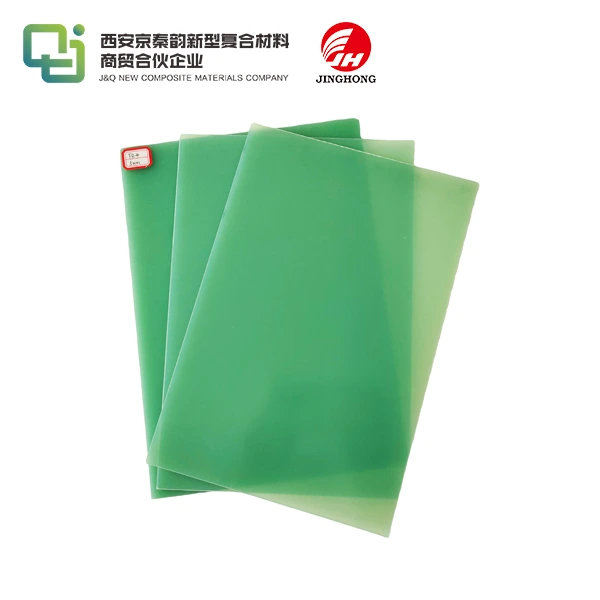
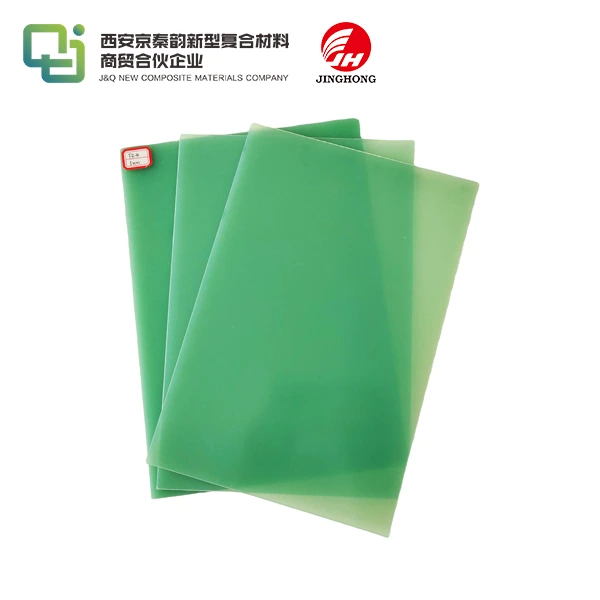
A Comprehensive Guide to 3240 Epoxy Fiberglass Sheet Performance Standards
2025-12-09 17:06:58
Understanding 3240 epoxy fiberglass sheet performance standards proves essential for engineering professionals seeking reliable electrical insulation solutions. This comprehensive guide explores the critical specifications, industry benchmarks, and application requirements that define high-quality epoxy resin sheet materials. Modern electrical insulation material demands rigorous testing protocols to ensure optimal performance across diverse industrial applications, from printed circuit board substrate manufacturing to high-voltage equipment protection.
Understanding 3240 Epoxy Fiberglass Sheet Fundamentals
Glass fiber reinforced plastic sheets represent a cornerstone technology in electrical insulation applications. These composite insulation materials combine woven glass fabric with thermosetting epoxy resins to create exceptionally durable laminates. The manufacturing process involves multiple layers of glass cloth impregnated with epoxy resin systems.
Engineers appreciate these materials because they deliver consistent electrical grade fiberglass performance. The rigid fiberglass sheet construction provides excellent dimensional stability under varying temperature conditions. Manufacturing standards ensure uniform thickness tolerances across production batches.
Quality control measures during production include continuous monitoring of resin content and glass-to-resin ratios. These parameters directly influence the final product's dielectric strength and thermal resistance sheet capabilities. Advanced manufacturing techniques enable precise control over material properties.
The curing process transforms liquid resin systems into solid, high strength laminate structures. Temperature profiles during curing affect the final mechanical and electrical properties. Proper curing ensures optimal cross-linking between resin molecules and glass fibers.

Critical Performance Standards and Testing Protocols
Industry standards govern flame retardant sheet performance across multiple testing categories. ASTM D229 specifications define thickness measurements and dimensional tolerances for structural epoxy sheet applications. These standards ensure consistency between different manufacturers and production runs.
Electrical testing protocols evaluate dielectric strength under various voltage conditions. High temperature laminate materials undergo thermal cycling tests to verify performance stability. Moisture resistant laminate properties require testing under humid environmental conditions.
Mechanical testing encompasses flexural strength, tensile strength, and impact resistance measurements. These tests simulate real-world loading conditions that industrial insulation panels encounter during service. Compression testing verifies material behavior under sustained loads.
Chemical resistance testing exposes samples to various solvents and cleaning agents. This evaluation determines the suitability of chemical resistant 3240 epoxy fiberglass sheet applications in harsh industrial environments. Long-term exposure testing reveals potential degradation mechanisms.
UL certification processes validate flame resistance and electrical safety characteristics. ROHS compliance testing ensures materials meet environmental regulations for hazardous substance restrictions. These certifications provide confidence for procurement specialists selecting materials for critical applications.
Thermal Performance and Temperature Resistance
Operating temperature ranges define the practical limits for reinforced epoxy panel applications. Continuous operating temperatures typically reach 130°C for standard grades, while specialized formulations extend service temperatures beyond 180°C. These thermal capabilities make the material suitable for motor components and transformer applications.
Glass transition temperature measurements reveal the point where material properties begin changing significantly. Understanding this parameter helps engineers avoid applications where thermal cycling might compromise performance. Thermal expansion coefficients influence dimensional stability during temperature variations.
Heat deflection testing under load provides practical guidance for structural applications. This data proves particularly valuable for machinery builders designing mechanical spacers and load-bearing components. Thermal conductivity measurements help predict heat transfer characteristics in insulation applications.
Thermal shock resistance testing evaluates material behavior under rapid temperature changes. This capability becomes critical for automotive applications where components experience frequent thermal cycling. Long-term thermal aging studies predict service life under sustained elevated temperatures.
Electrical Properties and Dielectric Performance
Dielectric constant values remain stable across wide frequency ranges, making these materials excellent for high-frequency applications. Volume resistivity measurements exceed industry requirements for electrical insulation applications. Surface resistivity maintains high values even under humid conditions.
Dielectric breakdown voltage testing determines the maximum electrical stress the material can withstand. These values guide engineers in designing appropriate safety margins for high-voltage applications. Arc resistance testing evaluates performance when exposed to electrical arcing conditions.
Tracking resistance measurements assess how materials perform when exposed to conductive liquids under electrical stress. This property proves crucial for outdoor electrical equipment applications. Comparative tracking index (CTI) ratings help classify materials for specific voltage categories.
Corona resistance testing simulates long-term exposure to partial discharge conditions. This evaluation becomes essential for power distribution equipment where corona discharge might occur. Electrical aging studies predict long-term performance under sustained electrical stress.
Mechanical Strength and Durability Characteristics
Tensile strength values for quality fiberglass composite materials such as 3240 epoxy fiberglass sheet typically exceed 300 MPa in both warp and fill directions. This bidirectional strength distribution ensures reliable performance regardless of stress orientation. Elongation at break provides insight into material toughness and crack resistance.
Flexural modulus measurements indicate stiffness characteristics important for structural applications. Higher modulus values suggest better dimensional stability under load. Interlaminar shear strength evaluates bonding quality between glass fabric layers.
Impact resistance testing reveals energy absorption capabilities during sudden loading events. This property becomes critical for applications where mechanical shock might occur. Fatigue testing predicts performance under cyclical loading conditions.
Wear resistance characteristics determine suitability for applications involving sliding contact or abrasive environments. Hardness measurements provide comparative data for material selection decisions. Creep resistance testing evaluates long-term dimensional stability under sustained loads.
Mechanical durability extends beyond basic strength measurements to include environmental stress factors. UV exposure testing reveals outdoor service limitations. Salt spray testing evaluates corrosion resistance in marine environments.
Quality Control and Manufacturing Standards
Statistical process control methods ensure consistent material properties across production runs. Batch testing protocols verify that each production lot meets specified performance criteria. Traceability systems track raw material sources and processing parameters for quality assurance.
Incoming material inspection validates glass fabric quality and resin properties. Prepreg preparation requires precise control of resin content and volatile levels. Pressing parameters including temperature, pressure, and time affect final product characteristics.
Post-cure inspection includes visual examination for surface defects and dimensional verification. Electrical testing on sample specimens confirms dielectric properties meet specifications. Mechanical testing validates strength characteristics for each production batch.
Certification documentation accompanies each shipment to provide performance verification. Test reports include data from all critical performance measurements. Material data 3240 epoxy fiberglass sheets specify operating limits and application guidelines.
Application-Specific Performance Requirements
PCB support applications demand exceptional dimensional stability and CNC machinability characteristics. Drilling and routing operations must produce clean edges without delamination. Surface smoothness affects copper adhesion in printed circuit manufacturing.
Switchgear applications require superior arc resistance and flame retardancy. These components must maintain structural integrity during electrical fault conditions. Tracking resistance becomes critical for maintaining insulation effectiveness over time.
Transformer applications emphasize thermal performance and moisture resistance. Oil compatibility testing ensures materials perform reliably in oil-filled transformer environments. Gas evolution testing verifies minimal outgassing under thermal stress.
Automotive battery applications require exceptional thermal management and safety characteristics. Thermal runaway testing evaluates performance under extreme battery failure conditions. Vibration resistance ensures mechanical integrity in vehicle environments.
Motor component applications balance electrical insulation with mechanical strength requirements. Slot liner applications demand conformability and thermal endurance. End cap applications require dimensional stability and electrical performance.
Conclusion
Understanding 3240 epoxy fiberglass sheet performance standards empowers engineers to make informed material selection decisions that optimize product reliability and performance. These comprehensive standards encompass thermal, electrical, and mechanical properties essential for diverse industrial applications. Quality manufacturing processes, rigorous testing protocols, and proper certification ensure consistent performance across production batches. As technology advances and application demands evolve, these performance standards continue adapting to meet emerging industry requirements while maintaining the proven reliability that engineers depend upon.
Partner with J&Q for Premium 3240 Epoxy Fiberglass Sheet Solutions
J&Q brings over two decades of manufacturing excellence as a trusted 3240 epoxy fiberglass sheet supplier, delivering consistent quality that meets the demanding performance standards outlined in this guide. Our extensive experience in producing electrical insulation materials, combined with more than ten years in international trading, positions us uniquely to understand your specific application requirements.
Our manufacturing capabilities encompass the complete range of epoxy resin sheet grades, each rigorously tested to ensure compliance with industry performance standards. Quality control protocols at every production stage guarantee that mechanical durability, dielectric strength, and thermal resistance properties meet your specifications consistently.
Technical support teams work closely with engineering managers and procurement specialists to optimize material selection for specific applications. Whether you need precision-machined components or custom formulations, our manufacturing flexibility accommodates diverse requirements across electrical, automotive, and industrial sectors.
Integrated logistics services streamline your supply chain with reliable delivery schedules that support your production planning. Our one-stop service approach reduces procurement complexity while maintaining the highest quality standards. Long-term partnerships with major trading companies demonstrate our commitment to customer satisfaction and service excellence.
Ready to enhance your projects with superior performance materials? Our technical specialists stand ready to discuss your specific requirements and recommend optimal solutions. Contact us at info@jhd-material.com to explore how J&Q can support your next project with reliable, high-performance insulation solutions.
References
ASTM International. "Standard Test Method for Dielectric Breakdown Voltage and Dielectric Strength of Solid Electrical Insulating Materials Under Direct-Current Voltage." ASTM D149-20, West Conshohocken, PA, 2020.
IEC Technical Committee 15. "Specifications for Individual Types of Winding Wires - Part 1: Glass-fiber Wound, Resin or Varnish Impregnated, Bare or Enameled Wire." IEC 60317-1:2019, International Electrotechnical Commission, Geneva, 2019.
Institute of Electrical and Electronics Engineers. "IEEE Guide for Diagnostic Field Testing of Electric Power Apparatus - Part 1: Oil Filled Power Transformers, Regulators, and Reactors." IEEE Std C57.152.1-2013, New York, NY, 2013.
National Electrical Manufacturers Association. "Industrial Laminated Thermosetting Products." NEMA LI 1-1998 (R2019), Rosslyn, VA, 2019.
Underwriters Laboratories Inc. "Standard for Safety Tests for Flammability of Plastic Materials for Parts in Devices and Appliances." UL 94-2013, Northbrook, IL, 2013.
Society of Automotive Engineers. "Test Method for Determining the Flammability Characteristics of Polymeric Materials Used in Occupant Compartments of Motor Vehicles." SAE J369-202010, Warrendale, PA, 2020.