
Best Phenolic Paper Sheets in China for India Buyers
2025-12-08 16:31:59
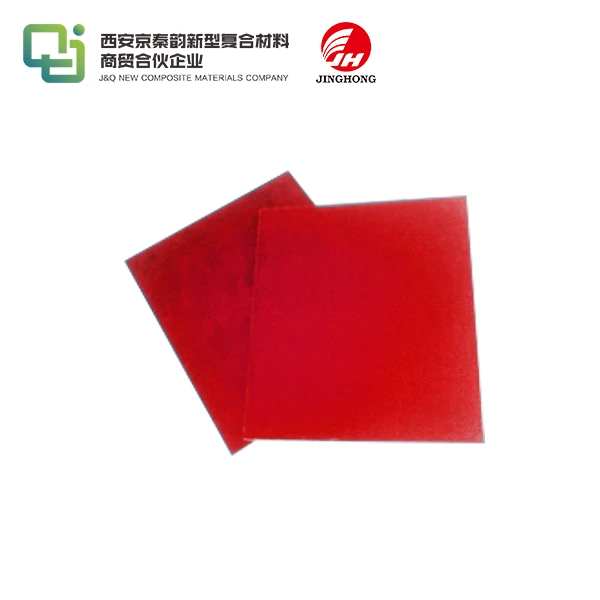
When Indian buyers are looking for high-quality phenolic paper sheet materials from China for business use, they often have a hard time figuring out all the different suppliers and requirements. Chinese makers always make great phenolic resin-based laminated sheets that meet international standards and are priced affordably. These materials for electrical insulation are now necessary in the power, electronics, and car industries. India's growing industry landscape considers China to be the best place to get phenolic paper sheets because of its advanced manufacturing skills, strict quality control, and low prices.
Why Phenolic Paper Materials Deserve Your Attention?
As the world moves toward more advanced composite materials, phenolic paper sheets have become very important in modern production. These designed laminates are very good at keeping electricity from flowing through them and are also very strong when put through tough conditions. Indian producers are becoming more and more aware of how valuable these materials are to their production lines.
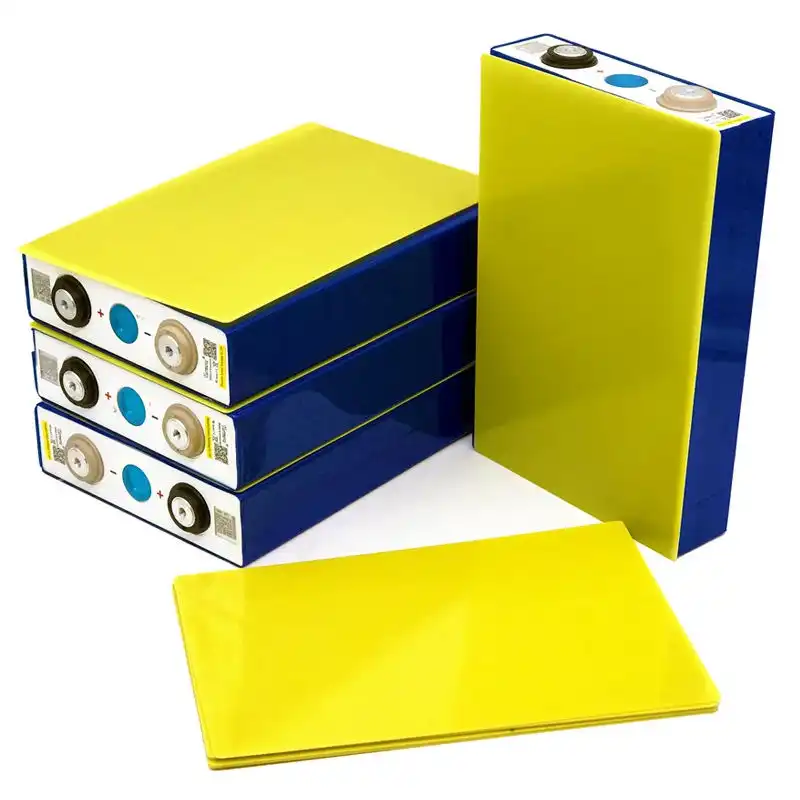
In many areas of the market, the need for reliable electrical grade substrates keeps rising. Barriers that can withstand heat are needed in the automotive business for battery systems in electric vehicles. Electronics makers need circuit board supports that are precisely machined and have great dielectric qualities. For transformer uses, power distribution companies rely on insulation that doesn't catch fire. The fact that these products are used so often shows how versatile and effective good phenolic resin mixtures are.
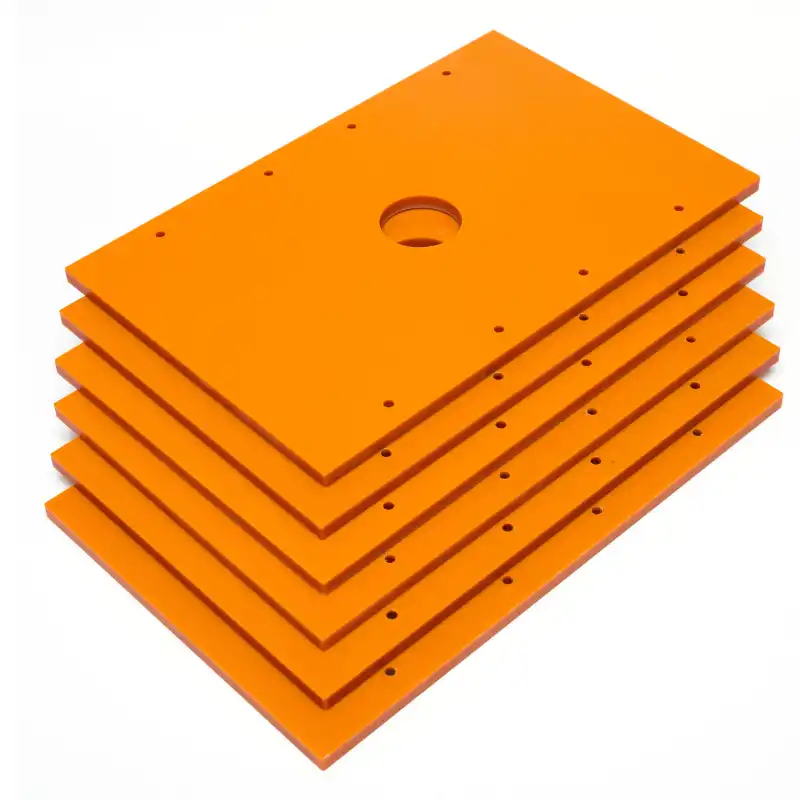
Essential Selection Criteria for Premium Materials
To find the best phenolic paper sheet provider, you need to look at a number of technical and business factors. The material specs must match the needs of your product while also guaranteeing long-term dependability and consistent performance.
Temperature resistance is the most important thing to think about, especially in places where it gets very hot. High-quality sheets keep their shape at temperatures above 150°C, which means they can be used for motor parts and switches. When you test the dielectric strength, you can see how well it blocks electricity. For premium grades, the range is usually between 15 and 20 kV/mm.
When choosing, mechanical qualities should be taken into account as well. If the flexural strength is above 120 MPa, it means that the material will last under mechanical stress. In humid situations, dimensional instability is avoided by moisture absorption rates below 1.5%. Chemical resistance keeps you safe from oils, solvents, and cleaning products that are popular in industrial settings.
The ability to manufacture has a big effect on the success of a project. CNC machinability makes it possible to make exact parts with very small errors. Consistency in thickness across big sheets makes sure that performance is predictable. When more processing steps are needed, the quality of the surface finish affects how well the materials bond.
Top-Grade Industrial Phenolic Laminates
Industrial phenolic paper sheets with high performance are the best choice that you can get. These materials go through improved resin impregnation methods that make them as strong and stable as possible at high temperatures. The structure with fiber support is very durable even when it is loaded all the time.
During the manufacturing process, special pressure molding methods get rid of air pockets and make sure that the mass is spread out evenly. Because of this care, the dimensions stay stable and the electrical qualities stay the same throughout the thickness of the material. As part of quality control, the bending strength, impact resistance, and dielectric breakdown voltage are all tested in detail.
Heavy machinery parts, structure insulation systems, and wear-resistant mechanical parts are all examples of things that can use them. The material works great in places that need to keep electricity from getting through and hold weight. These premium grades are often used in power generation tools, industrial gearing systems, and transmission parts for cars.
Even though performance traits have improved, cost concerns remain competitive. Setting up agreements to buy in bulk often gives you more chances to save money. Lead times for standard thicknesses are usually between two and three weeks. For custom specifications, production plans need to be longer.
In addition to providing materials, technical support services offer advice on how to use them and suggestions for how to machine them. Engineers with a lot of experience help choose the right materials based on the working conditions and performance needs. This collaborative method makes sure that tough applications get the best results possible.
Standard Electrical Insulation Sheets
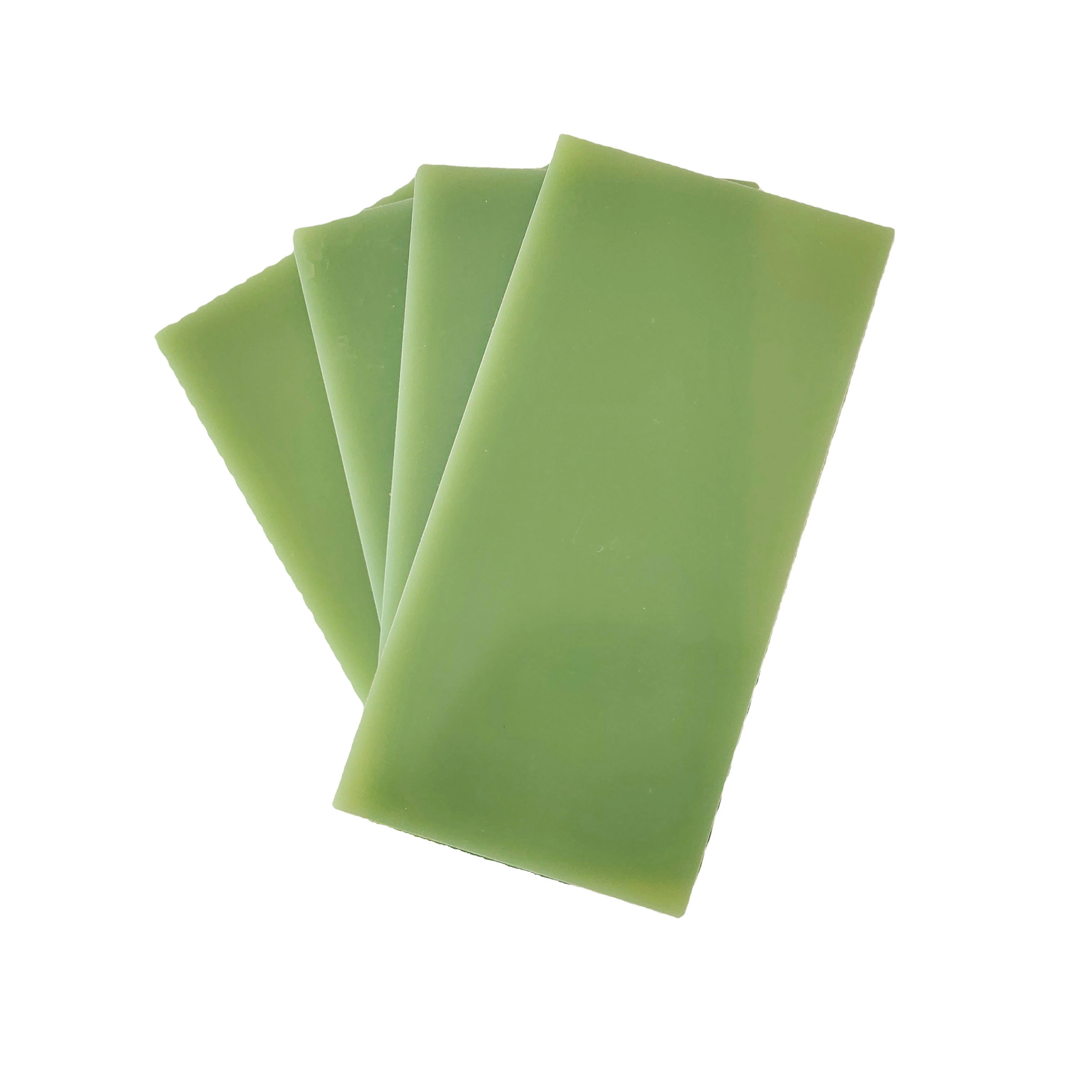
Most common industry uses can be met by standard electrical grade phenolic paper sheets. This group of materials strikes a good mix between performance and cost, which makes them perfect for mass production. The composition focuses on having consistent electrical properties while still having enough mechanical power.
International approvals, such as UL recognition and RoHS compliance, are in line with manufacturing standards. This compliance with regulations makes the buying process easier for businesses that need to keep track of materials. Quality control systems make sure that each batch is the same, which is important for automated assembly processes.
PCB support frames, electrical enclosures, and motor insulation components are all common uses. The material can handle normal electrical pressures and give strong mechanical support. When adhesive building methods are used, surface treatments make the bonding stronger.
The thickness runs from 0.5 mm to 50 mm, so it can be used for a wide range of design needs. Standard sheet sizes cut down on the loss of materials during production. Customers who need specific size and shape setups don't have to go through extra steps of processing when they use custom cutting services.
The way things are packed keeps them in good shape while they're being shipped internationally. Moisture shields stop problems with absorption that could change the way electricity works. Following the right handling directions will ensure the best performance all the way through the supply chain, from the manufacturer to the final application.
Specialized Heat-Resistant Compositions
Advanced phenolic paper sheets that can withstand high temperatures are used in situations where they will be exposed to heat. Enhanced glue formulations keep their structure strong at temperatures above what is normally possible for materials. These unique mixtures are used in important situations where temperature stability is very important.
During the development process, the main goal is to improve thermal stability without affecting other important qualities. The materials that are made have very low thermal expansion rates and stay the same size over a wide range of temperatures. Flame resistant properties meet strict safety standards for use in transportation and spacecraft.
Power generation equipment is one of the main places where these special materials are used. For transformer insulation systems to work, the materials used must be able to handle constant temperature changes. When arc shields are under stress from both heat and electricity, they must keep their dielectric strength.
To check the quality, a lot of heat aging tests are done that mimic how something will work for a long time. Accelerated testing methods predict how well a material will work over its expected service life. Documentation packages include detailed test results that help engineers make choices about design.
Specifications for the technology include higher temperatures for glass transition and better heat conductivity. These qualities make it easier for high-power uses to get rid of heat. Material certifications often include testing protocols that are unique to the power business.
Global Market Dynamics and Regulatory Landscape
The international market for phenolic resin is always changing because environmental laws and industry needs are always changing. To support just-in-time manufacturing while keeping quality standards high, global supply lines have changed. Material standards and certification needs are affected by regional preferences.
More environmentally friendly ways of making things are being developed because of concerns for the environment. Concerns about how to get rid of old things are addressed by recycling programs. Bio-based resin alternatives can be used with standard formulations that come from petroleum without changing how well they work.
Trade between China and India makes it easier for goods to move quickly and prices to be competitive. Shipping costs and arrival times are kept to a minimum by using well-known routes. Long-term supply deals that are good for both suppliers and customers are supported by stable currencies.
Technology transfer programs improve the ability of local manufacturers to meet global quality standards. Through training classes, people learn the technical skills they need to handle and use materials correctly. These group efforts make the supply line more reliable as a whole.
Strategic Purchasing Recommendations
Getting phenolic paper sheets right means finding a balance between cost, quality, and delivery trustworthiness, among other things. When you work with the same supplier for a long time, you can often get better technical help and better pricing. Diversified supplier groups lower the risks that come with problems in the supply chain.
Before committing to big quantities, material testing protocols should make sure that important properties are met. Testing a sample in real-world operating settings gives useful information about performance. The needs for documentation must match up with the company's quality management processes and what the customer wants.
Strategies for managing inventory balancing the costs of keeping things in stock with the chance of supply delays. Strategic stock levels keep production going while reducing the need for operating capital. Inventory programs that are handled by vendors shift responsibility while keeping items available.
Industry Trends and Future Outlook
Demand for advanced phenolic paper sheet products is still being driven by new technologies. The use of electric vehicles increases the need for high-performance heat barriers and electrical insulation systems. Specialized power-grade materials can be used in building projects for renewable energy. For high-speed production methods to work, materials must have consistent properties when they are automated. Because of these trends, products made from phenolic resin are expected to keep growing in many different industries.
Conclusion
To choose the best phenolic paper sheets from Chinese suppliers, you need to carefully look at the properties of the material, the capabilities of the seller, and the needs of the application. China is a good place for Indian buyers to find goods because it has advanced manufacturing technologies, low prices, and professional technical help. Materials of good quality from well-known companies like J&Q have the dependability and performance qualities needed for commercial uses to work. Strategic relationships with experienced suppliers are the best way to ensure long-term success while keeping costs low in today's tough market.
FAQs
How much of a difference in width can phenolic paper sheets make?
Standard thickness ranges for thin sheets are ±0.1mm and for thicker materials they are ±0.3mm. Precision grades have tighter limits, as little as ±0.05mm, for important uses that need precise control over dimensions.
How do I figure out what grade is right for my application?
The temperature, voltage, mechanical loads, and environmental factors all play a role in choosing the right material. Technical data sheets give specific information that can be compared to what an application needs.
What kinds of licenses should I look for in a reliable Chinese supplier?
Good sellers usually keep ISO 9001 certification, UL recognition for electrical materials, and paperwork showing they follow RoHS rules. Some extra certifications might include automobile standards like TS 16949 for use in transportation.
Partner with J&Q for Premium Phenolic Paper Sheet Solutions
J&Q can meet your needs for phenolic paper sheets because they have been making high-quality products for over 20 years and have been dealing internationally for 10 years. We can help you choose the right materials, make sure they meet your exact needs, and handle all of your logistics with our specialized shipping services. Quality management methods make sure that the properties of materials stay the same, and competitive pricing helps you reach your cost goals.
Our expert team works with customers from the beginning to the end of the application and specification process. Certifications for materials meet international standards, such as UL approval and RoHS compliance. The ability to make things in a variety of ways allows for both standard setups and custom needs for specific uses.
Working with a well-known company that makes phenolic paper sheets and cares about their customers' success is a big plus. Email us at info@jhd-material.com to talk about your unique needs and find out how our products can help your manufacturing processes.
References
Industrial Insulation Materials: Properties and Applications in Modern Manufacturing, Journal of Composite Materials Engineering, 2023
Phenolic Resin Technology: Advances in Electrical Insulation Applications, International Materials Science Review, 2022
Global Trade Patterns in Industrial Polymers: China-India Commercial Relations, Asian Industrial Economics Quarterly, 2023
Electrical Safety Standards for Insulation Materials in Power Distribution Systems, IEEE Electrical Insulation Standards Handbook, 2022
Manufacturing Process Optimization for Phenolic Laminated Composites, Process Engineering International, 2023
Quality Management Systems in International Materials Supply Chains, Global Manufacturing Standards Review, 2022
_1753952475136.jpg)
_1753951194967.jpg)
