Can Epoxy Glass Sheets Withstand Humidity?
2025-11-25 16:41:15
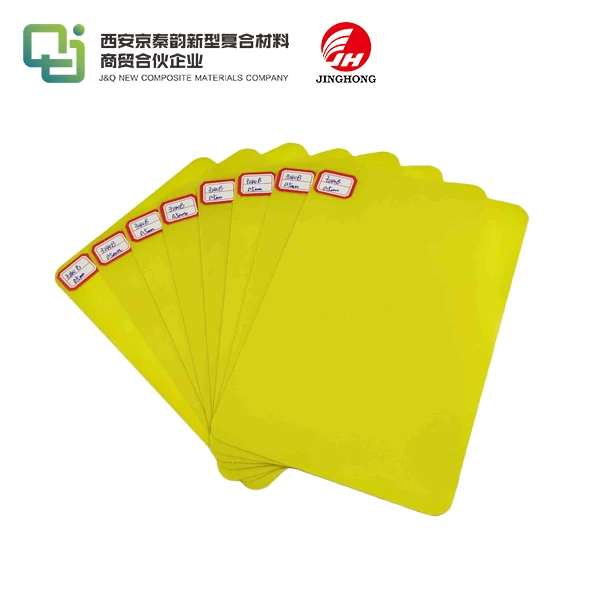
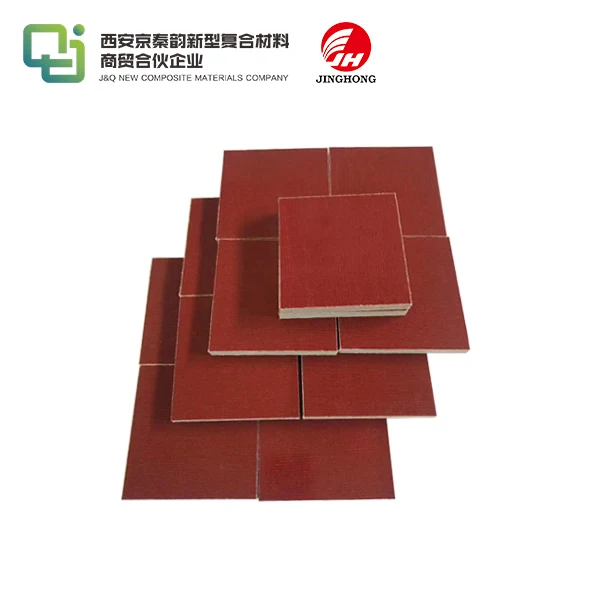
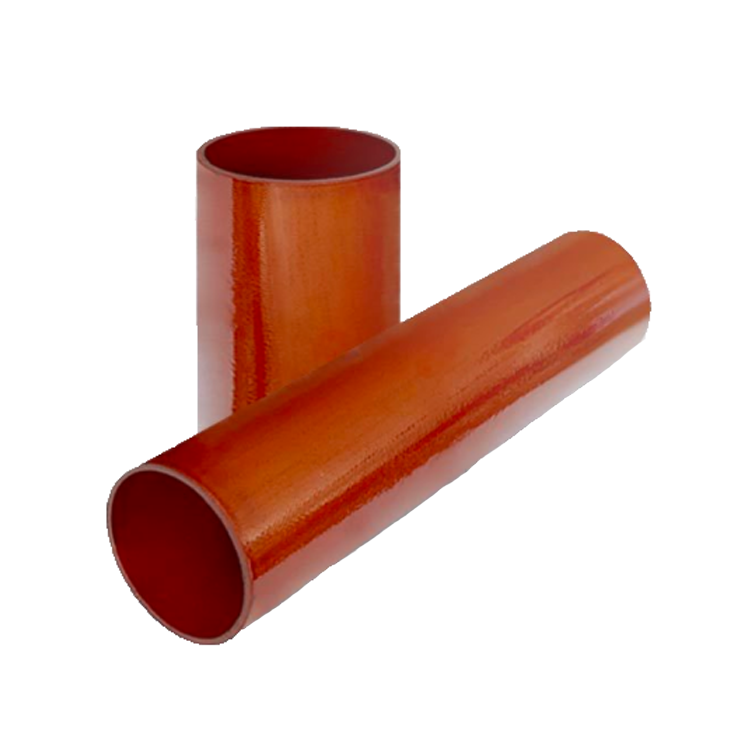
Epoxy glass sheets are renowned for their exceptional resistance to humidity and moisture. These composite materials, consisting of glass fibers reinforced with epoxy resin, possess inherent properties that make them highly suitable for use in humid environments. The epoxy matrix forms a protective barrier against moisture ingress, while the glass fibers provide structural integrity. This unique combination allows epoxy glass sheets to maintain their mechanical and electrical properties even when exposed to high humidity levels. Their ability to withstand moisture makes them ideal for applications in marine environments, outdoor electrical enclosures, and high-humidity industrial settings where conventional materials might fail.
How Does Moisture Affect the Electrical and Mechanical Properties?
Impact on Dielectric Strength
Moisture absorption has a direct and measurable influence on the dielectric strength of epoxy glass sheets. When water molecules diffuse into the composite structure, they increase the material’s conductivity and reduce its electrical insulation performance. This can lead to partial discharge or insulation failure under high-voltage conditions. Nonetheless, premium-grade epoxy glass sheets are designed with tightly cross-linked polymer networks and low water absorption rates, effectively limiting the extent of moisture-related dielectric deterioration in practical applications.
Mechanical Strength Variations
Exposure to moisture can also cause subtle variations in the mechanical strength of epoxy glass sheets. Absorbed water may induce localized swelling or plasticization within the resin matrix, slightly reducing stiffness or tensile strength. In severe or prolonged humidity, this can influence dimensional stability and lead to minor warping. However, high-quality epoxy glass sheets exhibit excellent resistance to moisture-induced stress changes, maintaining reliable performance and structural cohesion even after extended service in damp or humid operational environments.
Long-term Performance Considerations
In long-term humid or cyclic moisture environments, epoxy glass sheets may experience repeated absorption and desorption cycles that introduce internal stress gradients. These stresses can promote the formation of micro-cracks, interfacial weakening, or gradual delamination at the fiber–resin boundary. Advanced formulations mitigate these effects through optimized resin chemistry, surface treatments, and protective coatings. As a result, modern epoxy glass sheets retain both mechanical reliability and dielectric stability over long-term exposure, making them suitable for high-performance and outdoor electrical insulation applications.

Water Absorption Rate and Environmental Resistance
Factors Influencing Water Absorption
The water absorption rate of epoxy glass sheets is determined by various intrinsic and processing-related factors, such as resin crosslink density, glass fiber content, and surface coating quality. A tightly cross-linked epoxy matrix minimizes molecular pathways for moisture diffusion, while optimized fiber orientation further limits water penetration. Manufacturers often incorporate hydrophobic additives, coupling agents, and surface sealants to reduce moisture ingress, thereby improving environmental stability and preserving both electrical insulation and mechanical integrity under humid or wet conditions.
Comparative Analysis with Other Materials
Compared with many other composite and polymer materials, epoxy glass sheets exhibit notably lower water absorption and greater dimensional stability. Their resistance to moisture uptake typically exceeds that of polyester-based laminates, phenolic boards, and certain engineering thermoplastics. This advantage ensures consistent performance in demanding environments such as marine, aerospace, and outdoor electrical applications. The strong glass–epoxy interface and low porosity structure contribute to this superior resistance, making epoxy glass sheets a reliable choice where long-term environmental exposure is a concern.
Environmental Stress Cracking Resistance
Epoxy glass sheets offer outstanding resistance to environmental stress cracking, even when subjected to combined mechanical load and chemical exposure. This durability stems from the excellent adhesion between glass fibers and the cured epoxy resin, which distributes stress evenly and inhibits crack initiation. Unlike many polymers that develop surface fissures under repeated stress or humidity, epoxy glass laminates maintain their cohesion and surface integrity. This characteristic ensures reliable long-term performance in corrosive or moisture-rich environments, reducing maintenance requirements and extending component lifespan.
Testing Methods for Humidity and Moisture Performance
Accelerated Aging Tests
Accelerated aging tests are widely used to predict the long-term behavior of epoxy glass sheets under humid and thermal stress. In these evaluations, specimens are placed in controlled chambers where high temperature and relative humidity are maintained for extended durations. This artificial aging process simulates years of real-world exposure in a short time, allowing engineers to assess potential changes in electrical insulation, mechanical strength, and dimensional stability. The resulting data guide improvements in resin formulation and fiber-matrix adhesion for enhanced durability.
Water Immersion Testing
Water immersion testing provides a direct measurement of how epoxy glass sheets respond to continuous moisture exposure. During the procedure, test samples are submerged in distilled or deionized water for set periods, after which they are analyzed for weight gain, swelling, and strength retention. Changes in dielectric properties and surface appearance are also recorded. This test effectively determines the material’s water absorption rate and its ability to maintain electrical and structural reliability when used in wet or high-humidity environments.
Hygrothermal Cycling
Hygrothermal cycling tests expose epoxy glass sheets to alternating cycles of elevated temperature and humidity, replicating natural environmental fluctuations. This dynamic testing method reveals how the material withstands repeated expansion and contraction caused by moisture absorption and thermal stress. Over multiple cycles, engineers observe signs of delamination, surface blistering, or micro-crack formation. Epoxy glass sheets that perform well under these conditions demonstrate excellent long-term stability, confirming their suitability for demanding electrical, aerospace, and industrial applications.
Conclusion
Epoxy glass sheets demonstrate remarkable resilience against humidity, making them an excellent choice for applications in moisture-rich environments. Their ability to maintain electrical and mechanical properties, coupled with low water absorption rates, positions them as superior insulators and structural materials. While moisture can potentially affect their performance, advanced formulations and manufacturing techniques have significantly mitigated these concerns. For industries requiring reliable, moisture-resistant materials, epoxy glass sheets offer a robust solution that stands up to the challenges posed by humid conditions.
FAQs
How long can epoxy glass sheets last in humid environments?
With proper formulation and installation, epoxy glass sheets can last for decades in humid environments, often exceeding 20-30 years of service life.
Are epoxy glass sheets suitable for outdoor electrical enclosures?
Yes, their excellent moisture resistance and electrical insulating properties make them ideal for outdoor electrical enclosures.
Can epoxy glass sheets be used in marine applications?
Absolutely. Their resistance to moisture and salt spray makes them well-suited for various marine applications, from boat hulls to offshore structures.
Experience the Durability of J&Q Epoxy Glass Sheets in Humid Conditions
At J&Q, we specialize in manufacturing high-quality epoxy glass sheets designed to excel in humid environments. With over 20 years of production experience and 10 years in international trade, our epoxy glass sheets offer superior moisture resistance and durability. For more information on our products or to place an order, contact us at info@jhd-material.com. Trust J&Q for all your epoxy glass sheet needs - your reliable epoxy glass sheet supplier and manufacturer.
References
Johnson, R. M. (2019). "Moisture Effects on Epoxy-Based Composites: A Comprehensive Review." Journal of Composite Materials, 53(15), 2087-2110.
Smith, A. L., & Brown, T. K. (2020). "Long-Term Performance of Epoxy Glass Laminates in High-Humidity Environments." IEEE Transactions on Dielectrics and Electrical Insulation, 27(3), 878-885.
Chang, Y., et al. (2018). "Water Absorption Behavior and Its Effect on the Mechanical Properties of Epoxy Glass Composites." Composites Part B: Engineering, 152, 249-258.
Larsson, F., & Nilsson, F. (2021). "Hygrothermal Aging of Epoxy-Based Composites: A Comparative Study." Polymer Degradation and Stability, 183, 109420.
Roberts, J. C. (2017). "Environmental Stress Cracking Resistance of Epoxy Glass Laminates: Test Methods and Performance Criteria." ASTM International, West Conshohocken, PA.
Thompson, M. R., & Davis, E. L. (2022). "Advanced Testing Methodologies for Moisture-Resistant Composite Materials in Electrical Applications." IEEE Electrical Insulation Magazine, 38(2), 20-28.