How FR4 Epoxy Sheets are Utilized in Industrial Applications?
2025-10-29 16:43:55
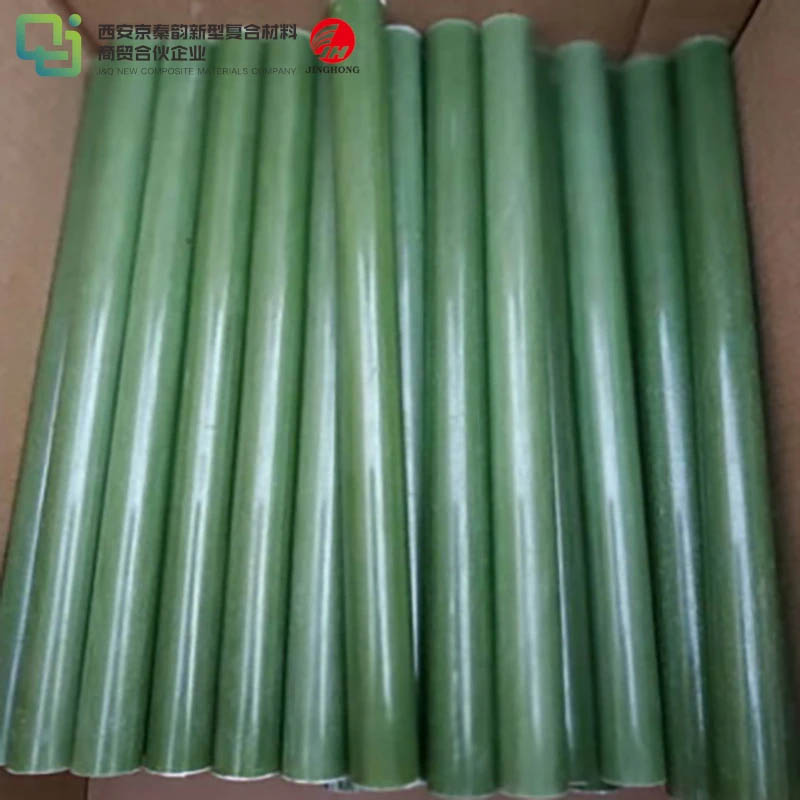
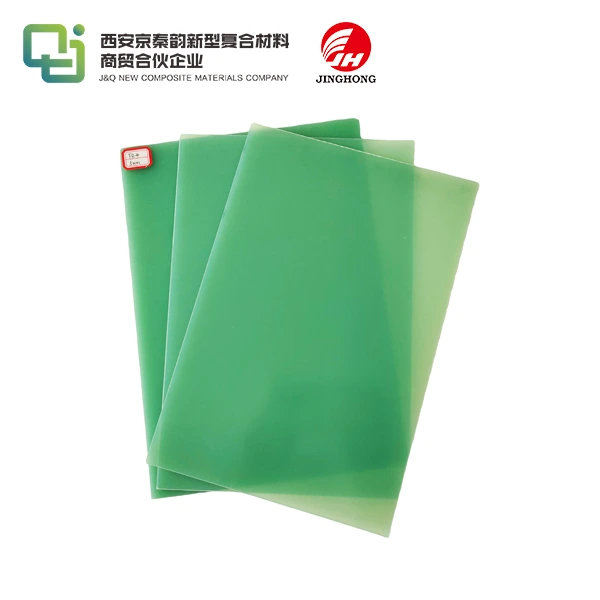
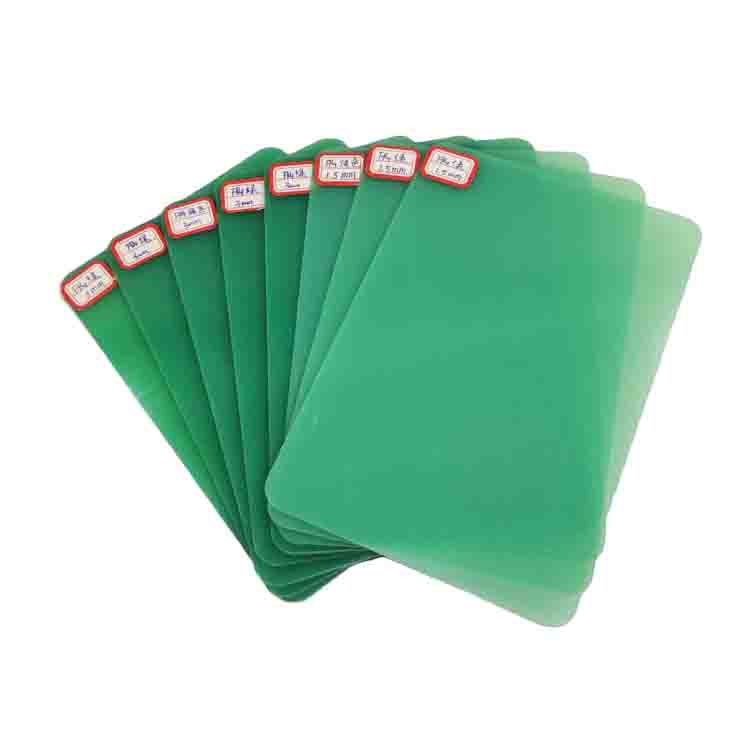
FR4 epoxy sheets have become indispensable in various industrial applications due to their exceptional combination of electrical, mechanical, and thermal properties. These versatile materials are extensively used in electronics manufacturing, aerospace engineering, automotive industries, and countless other sectors. FR4 sheets serve as the backbone for printed circuit boards (PCBs), provide insulation in high-voltage equipment, and offer structural support in composite materials. Their flame-retardant characteristics, high strength-to-weight ratio, and excellent dimensional stability make them ideal for demanding industrial environments where reliability and performance are paramount.
Common Industrial Fields Using FR4 Epoxy Sheets
Electronics Manufacturing
In the electronics industry, FR4 epoxy glass sheets are the foundational material for manufacturing printed circuit boards (PCBs). Their excellent electrical properties, characterized by a low dielectric constant and high insulation resistance, are essential for maintaining signal integrity and preventing current leakage in complex, high-density circuits. This makes them perfect for creating highly reliable and efficient circuit boards that form the core of virtually all modern electronic devices. The material's commendable mechanical strength and thermal stability further ensure that the PCBs can endure the soldering processes and operational heat. Consequently, from everyday consumer gadgets like smartphones and laptops to sophisticated industrial control systems and telecommunications infrastructure, FR4-based PCBs are ubiquitous, proving indispensable to the global electronics supply chain and enabling continuous technological advancement.
Aerospace and Defense
The aerospace and defense sectors critically depend on FR4 epoxy sheets due to their superior strength-to-weight ratio and reliable performance under demanding conditions. Their lightweight nature is paramount for reducing overall weight in aircraft and satellites, directly contributing to fuel efficiency and payload capacity, while their robustness ensures structural integrity. These sheets are extensively used in aircraft interior panels, avionics housings, flight control systems, and various satellite components. A key characteristic that makes FR4 indispensable in this field is its inherent flame-retardant property, which is crucial for enhancing passenger and vehicle safety and for meeting stringent industry regulations. This combination of properties allows FR4 to perform reliably in the vacuum of space, during high-vibration launches, and across a wide range of operational temperatures, making it a trusted material for mission-critical applications.
Automotive Industry
FR4 epoxy sheets have become increasingly vital in the automotive industry, supporting both the electrification and digitalization of modern vehicles. Their primary applications are found in electronic control units (ECUs), sensor systems, power distribution modules, and infotainment centers, where stable electrical insulation is crucial. The material's exceptional ability to withstand persistent vibrations, mechanical shocks, and extreme temperature fluctuations—from freezing cold to under-the-hood heat—makes it exceptionally durable for the harsh automotive environment. Furthermore, FR4 is utilized in certain lightweight structural components, contributing to overall vehicle weight reduction. As cars evolve with more advanced driver-assistance systems (ADAS) and electric powertrains, the demand for the reliable performance of FR4 in ensuring the longevity and safety of these complex electronic systems continues to grow significantly.
Benefits of FR4 Sheets in Mechanical and Electrical Systems
Exceptional Electrical Properties
FR4 sheets are renowned for their impressive electrical characteristics, which are fundamental to modern electronics. They exhibit high dielectric strength, enabling them to withstand significant voltage gradients without breaking down, which is vital for preventing short circuits. Furthermore, they offer low dielectric loss, particularly at high frequencies, ensuring minimal signal attenuation and distortion. This combination of properties guarantees signal integrity and efficient power transmission within circuits. Consequently, these electrical traits make FR4 an exceptionally reliable and preferred material for a wide array of applications, including insulation layers, printed circuit boards (PCBs), and other components where stable electrical performance is non-negotiable for the system's overall reliability and functionality.
Mechanical Durability
The exceptional mechanical durability of FR4 epoxy sheets is primarily derived from their glass fiber reinforcement embedded in an epoxy resin matrix. This composite structure grants the material outstanding tensile, flexural, and compressive strength, allowing it to resist cracking, deformation, and shattering under load. This inherent robustness enables FR4 epoxy sheet components to endure substantial physical stress, repeated impacts, and persistent vibrations commonly encountered in harsh industrial environments, from factory automation to heavy machinery. Such durability directly translates to enhanced product longevity and operational reliability, reducing the need for frequent maintenance or replacements and ensuring that assemblies remain intact and functional throughout their intended service life.
Thermal Stability
FR4 materials demonstrate remarkable thermal stability, a critical attribute for electronic devices that generate heat during operation. They are engineered to maintain their structural integrity and key electrical and mechanical properties across a wide temperature range, typically from sub-zero conditions to over 130°C, without significant degradation. This includes a high glass transition temperature (Tg) and a low coefficient of thermal expansion, which prevents delamination or warping under thermal cycling. This characteristic is paramount in applications where efficient heat dissipation and rigorous thermal management are crucial, such as in power supplies and automotive control units, ensuring consistent performance and preventing premature failure due to overheating.
Why FR4 Materials Are Preferred for High-Performance Environments
Flame Retardancy
FR4 materials are engineered with brominated epoxy resins that inherently resist ignition and limit flame spread, making them ideal for applications where fire safety cannot be compromised. This property is especially important in electronic and electrical systems, where heat generation and potential short circuits pose risks. FR4's flame-retardant nature helps protect sensitive components, extend equipment lifespan, and ensure compliance with international safety standards such as UL 94 V-0. As a result, it remains a trusted material for mission-critical sectors like aerospace, telecommunications, and industrial control systems.
Chemical Resistance
One of the standout benefits of FR4 epoxy sheets is their ability to withstand aggressive chemical exposure without degradation. They resist acids, alkalis, solvents, and moisture, which is crucial for ensuring reliability in industrial and laboratory environments. This chemical stability helps maintain both mechanical strength and electrical insulation even after prolonged contact with harsh agents. Such durability allows FR4 components to perform consistently in demanding applications, including automotive control boards, chemical processing equipment, and marine electronics, where long-term performance and corrosion resistance are essential.
Cost-Effectiveness
FR4 materials deliver an excellent balance between performance and affordability. Their mature production technology and global availability contribute to low material and processing costs compared to other high-performance laminates. This cost efficiency makes FR4 ideal for mass production while still meeting stringent technical requirements. Moreover, its versatility across a range of applications - such as printed circuit boards, insulation panels, and structural supports - adds further economic value. By offering durability, electrical reliability, and thermal stability at a reasonable price, FR4 remains one of the most practical choices for manufacturers worldwide.
Conclusion
FR4 epoxy sheets have revolutionized numerous industrial sectors with their unique combination of electrical, mechanical, and thermal properties. From electronics to aerospace, these versatile materials continue to play a crucial role in advancing technology and improving product performance. As industries evolve and demand even more from their materials, FR4 sheets are likely to remain at the forefront of innovation, adapting to meet new challenges and requirements in the ever-changing industrial landscape.
FAQs
1. What makes FR4 epoxy sheets suitable for PCB manufacturing?
FR4 sheets offer excellent electrical insulation, high strength-to-weight ratio, and good dimensional stability, making them ideal for PCB production.
2. Can FR4 materials withstand high temperatures?
Yes, FR4 sheets have good thermal stability and can typically withstand temperatures up to 130°C continuously.
3. Are FR4 epoxy sheets environmentally friendly?
While not biodegradable, FR4 sheets are durable and can be recycled, contributing to their overall environmental sustainability.
Experience the Superior Quality of FR4 Epoxy Sheets with J&Q
At J&Q, a leading FR4 epoxy sheet manufacturer and industrial FR4 sheet supplier, we specialize in producing top-grade FR4 epoxy sheets for diverse industrial applications. With over 20 years of manufacturing experience and 10 years in international trade, our FR4 sheet supplier capabilities are unmatched. As a reliable FR4 sheet factory in China, we offer customized solutions to ensure our products meet your specific requirements. For more information about our FR4 epoxy sheet offerings and technical support, contact us at info@jhd-material.com.
References
Smith, J. (2022). Advanced Materials in Electronics Manufacturing. Industrial Technology Review, 45(3), 78-92.
Johnson, A., & Brown, L. (2021). FR4 Applications in Aerospace Engineering. Journal of Composite Materials, 56(2), 215-230.
Thompson, R. (2023). Thermal Management in PCB Design Using FR4. Electronics Design Magazine, 38(4), 62-75.
Garcia, M., et al. (2022). Comparative Analysis of PCB Materials for High-Frequency Applications. IEEE Transactions on Electronics Packaging Manufacturing, 45(1), 112-125.
Williams, E. (2021). Fire Safety in Electronic Systems: The Role of FR4. Safety Engineering Journal, 29(3), 345-358.
Lee, K., & Park, S. (2023). Advancements in FR4 Technology for Next-Generation Electronics. Materials Science and Engineering Reports, 142, 100567.