Dielectric Strength Explained: Why Epoxy Resin Sheets Win in Insulation
2026-07-14 17:24:10
Too little shielding is often the cause of electrical systems going bad. The epoxy resin sheet has become the best material for electrical shielding because it has a higher dielectric strength. Dielectric strength is the highest voltage that a material can handle before it breaks. Because of this, glass-reinforced epoxy laminates are needed for power distribution, making PCBs, and making motor parts where voltage separation is important for safety and performance. To understand why these materials always work better than others, we need to look at the science behind dielectric performance and the special features that put epoxy-based solutions at the top of industrial insulation technology.
Understanding Dielectric Strength and Epoxy Resin Sheets
What Dielectric Strength Means for Electrical Safety
The dielectric strength of a material tells you how well it can keep electricity from breaking down when it comes in contact with high energy. This feature, which is measured in kilovolts per millimeter (kV/mm), tells you if electrons can jump through the material and cause terrible short circuits. Arc flashes, equipment damage, and operating downtime that costs makers thousands of dollars in lost productivity happen in transformer assemblies and switchgear installations where the dielectric performance is not good enough.
Core Material Properties of Epoxy Laminates
Glass-reinforced epoxy resin sheets are very good at keeping electricity from getting through and are also very durable. The braided fiberglass structure keeps its shape under load, and the thermoset resin matrix makes a barrier that doesn't let water through, so it keeps its insulating qualities even in damp places. For FR4 grade materials, this mix gives dielectric strengths between 16 and 20 kV/mm, which is a lot higher than phenolic options, which usually give values between 8 and 12 kV/mm. During the curing process, molecules cross-link to form a three-dimensional network that stops electrons from moving. This keeps the voltage separation constant from -40°C to 130°C for normal grades.
Comparative Analysis: Epoxy Versus Alternative Insulators
When building teams look at different insulation choices, they have to choose a material that meets both electrical and mechanical needs. The comparison below shows why epoxy-based methods are most common in safety-critical settings.
Acrylic sheets are clear and easy to work with, but they have a dielectric strength of about 14 kV/mm and can't handle heat well, so they can't be used for motor housings or power electronics. Although polycarbonate is resistant to contact and burning, it absorbs water, which weakens its insulating qualities over time. Polyimide films are very flexible, but they are not structurally stiff enough to be used as phase dividers or busbar supports. On the other hand, glass-reinforced epoxy laminates keep their electrical properties fixed even when the humidity level changes. They can also withstand constant temperatures up to 155°C and can be precisely machined to tight limits for specific uses.
The UL94 V-0 flammability grade of FR4 epoxy materials makes sure that they will put out fires on their own when the sources of fuel are taken away. This is an important safety feature that many competing materials lack. Electronics companies that want to meet foreign safety standards for electricity must get this approval.
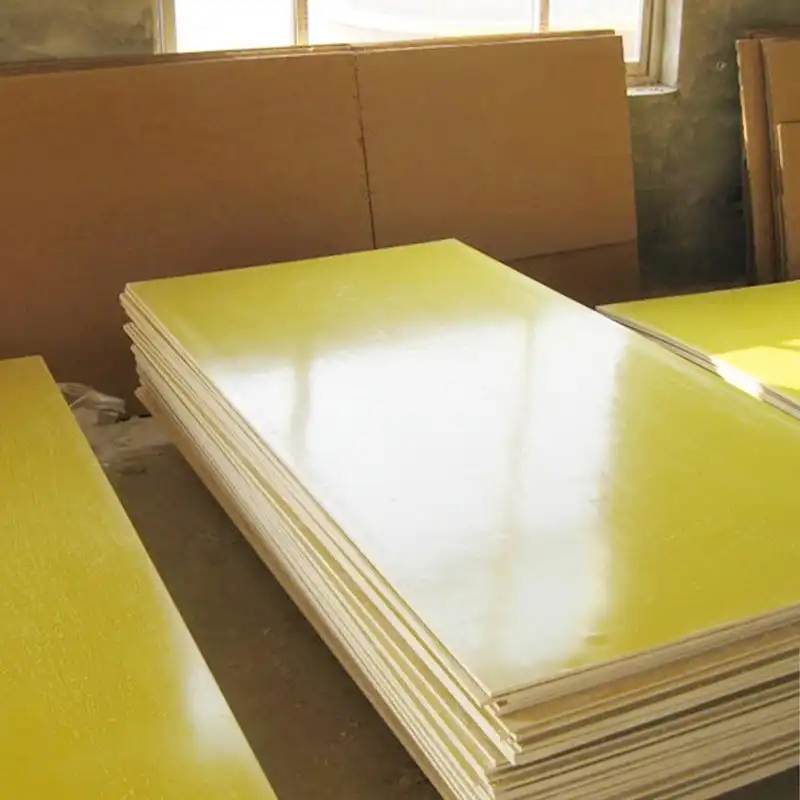
Why Epoxy Resin Sheets Are Superior Insulators: Core Advantages
Molecular Structure and How Well They Perform Electrically
Epoxy-based shielding is better because its polymer chemistry sets at high temperatures. Epoxy resin sheets polymerize during production, making covalent links that make a rigid, heat-stable matrix. This molecular structure stops ions from moving when there is electrical stress, so the volume resistance stays above 10^14 ohm-cm. In real life, a 3mm thick FR4 sheet can safely separate 48 kV, which is enough for medium-voltage switchgear uses that need to keep phase-to-ground gaps as low as possible.
In the real world, epoxy laminate barriers between coil layers are used by transformer makers in the power distribution industry to prove their effectiveness. Electrical equipment makers have shown that properly specified epoxy barriers can stop tracking failures, which is when conductive carbon tracks form, even after 10,000 hours of partial discharge activity. This durability keeps mission-critical equipment from breaking down too soon.
Stability of temperature under operational stress
In electrical uses where current flow creates heat, heat resistance determines how long something will last. Standard FR4 materials stay structurally sound up to their glass transition temperature (Tg), which is around 130°C. High-Tg versions rated for 170°C can be used in places like the engine bay of an automobile or in industrial motor systems. This ability to handle heat keeps PCB surfaces from warping during wave soldering, which causes sudden temperature drops above 260°C. The low coefficient of thermal expansion—about 14 ppm/°C in the XY plane—keeps the shape stable during thermal cycles, which keeps attached parts from being stressed mechanically.
UV stability is what sets good epoxy laminates apart from bad ones. Even though industrial-grade epoxy sheets shouldn't be left out in the sun without protection coatings, they don't yellow or lose their shine when exposed to normal indoor lighting. They keep their good looks and surface resistance throughout their useful lives.
Chemical Resistance and Durability in the Environment
Cleaning agents, hydraulic fluids, and airborne contaminants can't break down hardened epoxy glue because it is chemically inert. This resistance is useful in machinery where insulating spacers come into touch with coolants or oils. In contrast to cellulose-based phenolic materials, which soak up water and swell, epoxy laminates take less than 0.1% by weight of water, so they keep their dielectric strength in damp industrial settings. After being submerged in pure water at 23°C for 96 hours, test results show that FR4 sheets still have 95% of their original dielectric strength.
When you combine chemical stability with resistance to moisture, you get lower upkeep costs and longer component life. Automotive battery pack dividers made of resin laminates keep the vehicles electrically isolated for more than 150,000 miles, so they don't have to be replaced in the field, which can be expensive. Similar things happen with industrial switchgear parts: if you keep the epoxy shields in good shape, they can last for decades and work reliably in tough power distribution situations.
Practical Guide: Selecting the Best Epoxy Resin Sheet for Your Insulation Needs
Thickness and Size Considerations for Dielectric Performance
The thickness of a material has a direct effect on its ability to handle electricity and its stiffness. To choose the right width, you have to figure out the working voltage and add in some safety limits. As a general rule, the width should be at least 0.5 mm per kilovolt of working voltage. However, this can change depending on the waveform and the surroundings. Thicknesses of stock run from 0.5 mm for low-voltage PCB panels to 25 mm for high-voltage busbar supports.
The epoxy resin sheet sizes affect how well they are made and how much material is wasted. Most CNC machining and laser cutting jobs can be done on standard panel sizes of 1020mm × 1220mm, but unique measurements can make production go more quickly for high-volume needs. Specifications for tolerances are important. Precision-ground sheets with a thickness range of ±0.05mm make sure that the performance stays the same in stacked systems, where differences in size could cause voltage concentration points.
What Does Color and Transparency Mean for Us?
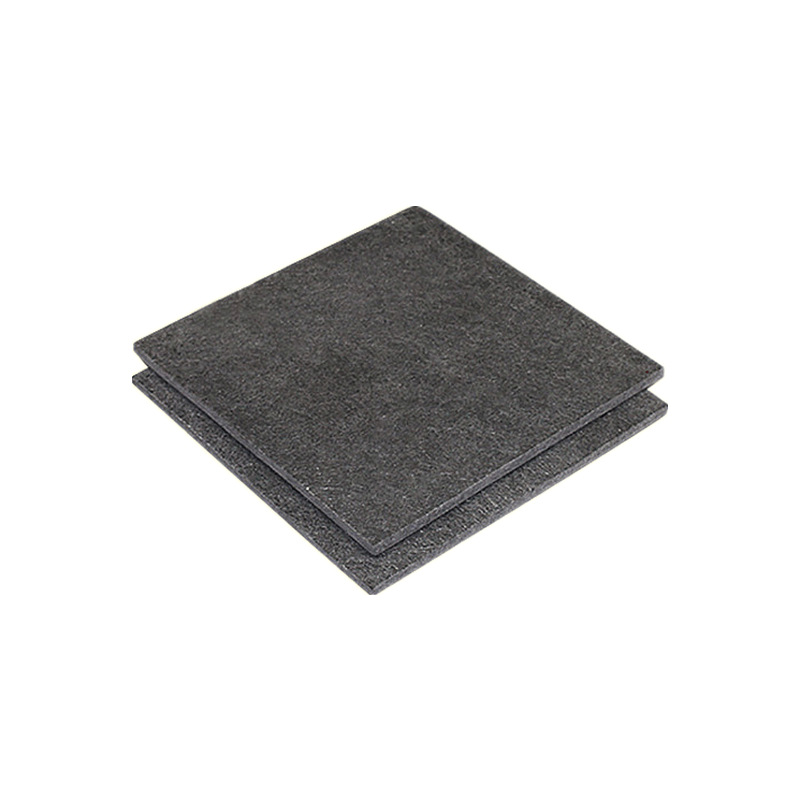
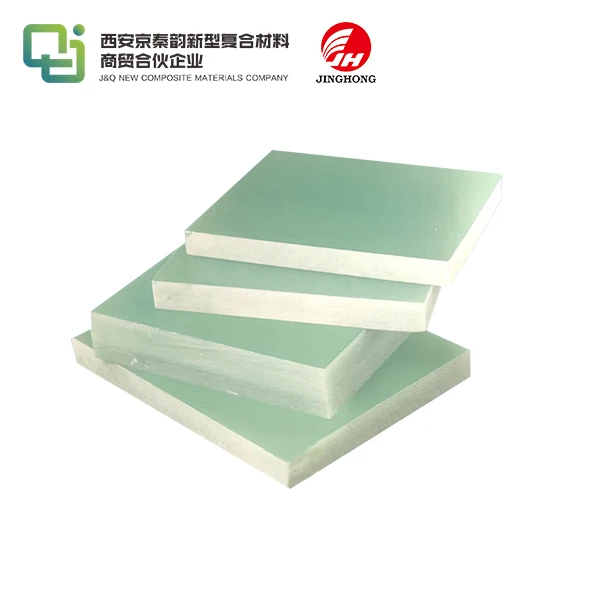
Because it is reinforced with fiberglass, natural FR4 has a unique yellowish-green color. This coloring doesn't change the electrical qualities, but it might change how it's used in optical uses. Black epoxy types have carbon pigments that block light, which is useful for LCD panel systems or instruments that are sensitive to light. The mechanical strength goes down a little when colorants are added, usually by 5 to 10 percent. But this isn't a big deal in situations where the opacity is useful.
Because the glue and fibers don't have the same refractive index, glass-reinforced types can't be made clear. Different materials may be needed for applications that need to see the parts below the shielding layer, but this lowers the dielectric performance.
Epoxy Sheets Versus Epoxy Coatings: Application-Specific Selection
People often get epoxy resin sheet materials and epoxy conformal coatings mixed up. Sheets are a type of structural insulation that can hold weight, making them perfect for mechanical spacers, motor mounting plates, and phase barriers that need to be stable in their dimensions. The rigid plastic construction makes it possible to machine complicated shapes with very tight tolerances.
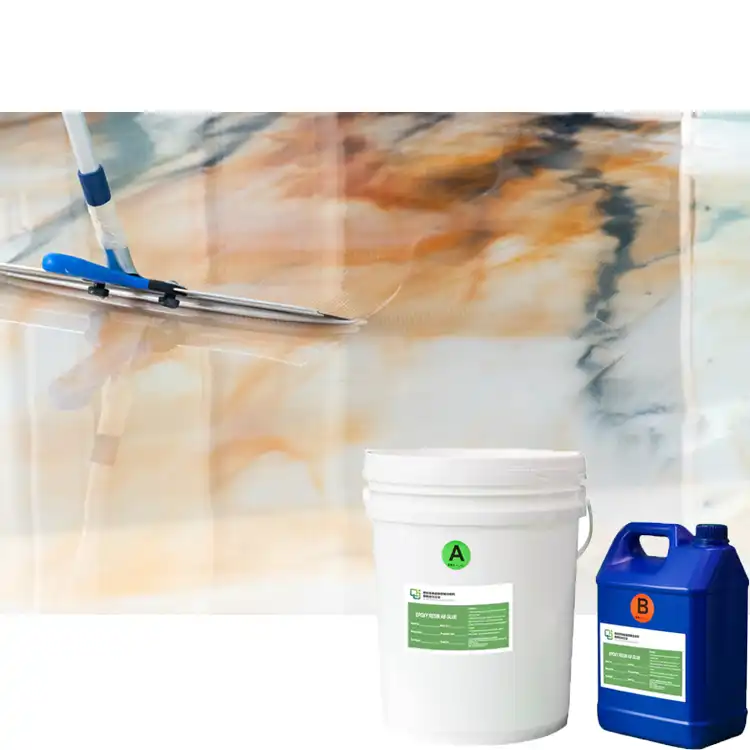
Conformal coatings, on the other hand, are protective layers that are put on with a liquid and harden into thin films (usually 25 to 75 microns). These coatings keep completed PCBs dry and free of dirt and wetness, but they aren't very strong and can't be used as the main insulation for high-voltage separation. The right answer depends on the needs of the project. For example, sheet materials are best for structural applications, while coating methods that adapt to the shape of the components work best for electronic assemblies.
Procurement Tips for Buying Epoxy Resin Sheets in Bulk
Supplier Evaluation Criteria for Quality Assurance
Getting a stable source of materials starts with a careful evaluation of the suppliers. A brand's image shows how consistent it is. Manufacturers that have been around for a long time and have process control and quality systems in place that stop batch-to-batch variations. Delivery options are also important, especially in just-in-time manufacturing settings where production lines can't go forward when materials aren't available.
Verification of certification turns out to be impossible to avoid. Suppliers should show proof that they are recognized by UL, that they follow RoHS rules, and that they have ISO 9001 quality management qualifications. Having testing tools on-site shows that the company cares about quality because it lets them check the dielectric strength, flexural strength, and moisture absorption in real time against written standards.
Structures for buying epoxy resin sheets in bulk have a direct effect on the costs of a project. Suppliers who offer tiered pricing based on yearly consumption amounts credit long-term relationships by lowering prices by 15% to 30% compared to buying on the spot. Supply chain problems can be avoided by knowing the minimum order amounts and lead times needed for output to grow.
Processes for evaluating specifications and making changes
Professionals in procurement must make sure that the supplier's specs meet the needs of the application. Ask for official test results that show the dielectric breakdown voltage, glass transition temperature, flammability grade, and mechanical qualities of the material. To make sure you're following the rules, compare these numbers to the written NEMA LI-1 standards for industrial laminates.
Customization is what sets capable sellers apart from simple distributors. Value-added services from providers are helpful for projects that need non-standard thicknesses, custom panel measurements, or CNC pre-machining. Usually, to customize something, you have to send in technical sketches, get quotes within 48 to 72 hours, and approve pre-production samples before the whole batch is made. Custom sales usually have longer lead times than standard stock items, which means that project plans need to be planned ahead of time.
Setting clear quality acceptance standards is an important part of effective buying. Before you place an order, you should decide what levels of thickness difference are appropriate, as well as the surface finish standards and the limits for cosmetic defects. This proactive method stops disagreements during the entering inspection and makes sure that materials meet the needs of the processing that comes after.
Maintenance and Handling of Epoxy Resin Sheets to Preserve Insulation Properties
Methods of Machining That Keep Dielectric Integrity
Because glass strengthening is rough, you have to use certain tools. Saw blades and drill bits with carbide tips stay sharp even after many cuts, while diamond-coated tools last longer and are better for high-volume production. The shape of the tool is important. Positive rake angles lower cutting forces and heat production, which can separate layers or make microcracks that make insulation less effective.
To match efficiency with surface quality, cutting speeds need to be tweaked. Spindle speeds on routers are usually set between 18,000 and 24,000 RPM, and feed rates are changed to keep the blades from burning. Coolants that are based on water keep fiberglass dust from flying around and lower heat stress while cutting. Fiberglass particles are dangerous to your lungs, so places where epoxy resin sheets are made must have HEPA-filtered air systems.
How to clean and do regular maintenance
Surface dirt lowers tracking resistance, so it's important to clean properly. Isopropyl alcohol gets rid of fingerprints, machine grease, and dust well without hurting the epoxy matrix. Use lint-free cloths and unidirectional wipes to apply the liquid so that it doesn't spread contaminants again. Do not use rough cleaners or scrubbing pads on surfaces because they create microtexture that helps keep wetness in and lowers surface resistivity.
The way something is stored affects how stable it is over time. To keep wetness from absorbing, warehouses should keep the temperature between 15°C and 30°C and the relative humidity below 60%. To keep sheets from bending, store them horizontally on flat surfaces with protective barrier paper between them to keep the surface from getting scratched. When kept in the right way, material keeps working as specified for years without getting worse.
How to Fix Common Degradation Problems
Discoloration means that the material has been exposed to heat or UV light for too long. If the material turns yellow or brown, it means that the temperature at which it was used was higher than the Tg grade. This could have weakened the mechanical strength of the resin matrix. If you can see damage, you need to replace it because the thermal past affects long-term reliability even if the electrical features look fine at first.
Tracking on the surface, or obvious carbon paths, happens when the creepage distance is too short or when contamination builds up. Some ways to stop this from happening are to make the spaces between conductive elements bigger, cover uncovered surfaces with conformal coatings, and clean places that are dusty or wet on a regular basis. When there is delamination between the resin and glass layers, it means that moisture or too much mechanical stress has entered. To stop this from happening again, the root cause must be found and the design must be changed.
Conclusion
The world of electrical shielding needs materials that can keep their insulating performance even when things get tough. Glass-reinforced epoxy resin sheets meet this need because they are better at resisting voltage breakdown, staying stable at high temperatures, and lasting in harsh environments than other materials. When engineers choose FR4 sheets for PCB boards, transformer barriers, or motor insulation, they can be sure that they will work because they have been reliable in the field for decades and meet strict testing standards. The buying tips and dealing tips in this article help producers get the most out of their materials while keeping costs low. When safety and continuation of operations depend on electrical separation, epoxy-based insulation solutions give vital applications the technical base they need.
FAQ
What distinguishes FR4 from standard G10 epoxy laminates?
Both materials are made of glass fibers and have similar mechanical strength. However, FR4 has flame retardants based on bromine that meet the UL94 V-0 rating for flammability. Because it goes out on its own, FR4 is required for electrical systems where fire safety rules apply. G10, on the other hand, doesn't put out flames and keeps burning even after the ignition source is removed. The chemistry difference doesn't have much of an effect on dielectric strength or resistance to moisture, so flame retardancy is the main thing that you should look for when choosing between these types of epoxy resin sheets.
Can standard metalworking tools machine epoxy sheets effectively?
Extreme tool wear from the glass support makes high-speed steel cuts dull in minutes. Carbide-tipped tools are the bare minimum for cost-effective construction, while diamond-coated bits give the best tool life for large production runs. When you try to machine with regular metal-cutting tools, they quickly become dull, leave a rough surface, and may even separate. Health and safety rules say that all cutting processes must use dust extraction because fiberglass particles in the air are harmful to your lungs and need proper airflow and personal protective equipment.
How does humidity affect epoxy laminate performance?
FR4 materials are very resistant to water, absorbing less than 0.1% by weight. This means that they keep their stable insulating qualities in damp industrial settings. Testing shows that 95% of the original breakdown voltage is still present after being submerged in water for a long time. Microscopic moisture uptake can cause small changes in the dielectric constant for sensitive high-frequency RF applications, but this effect is still very small for power distribution and motor insulation applications that work at line frequencies.
Partner with J&Q: Your Trusted Epoxy Resin Sheet Manufacturer
Choosing the right insulation material is only half of the task of buying it. The other half is finding a trusted manufacturing partner. J&Q has been making industrial laminates for more than twenty years and has also been trading internationally for ten years, helping electrical makers, machinery builders, and clients in the power sector all over North America. Our combined supply chain includes dedicated transportation operations that make it possible to buy everything from a single source, from figuring out what materials to use to delivering them. Engineering support teams help choose materials, do special CNC machining, and make sure that UL and RoHS standards are met. Our technical staff works with your procurement teams to make sure that requirements and lead times are met as efficiently as possible, whether they are looking for FR4 sheets for developing prototypes or making supply deals for large-scale production. Email our application engineers at info@jhd-material.com to talk about your insulation needs and get quotes that are specific to your project. You can look at our full selection of epoxy resin sheets at jhd-material.com and learn why top makers trust J&Q for mission-critical insulation parts.
References
Harper, Charles A. (2006). Electronic Materials and Processes Handbook, Third Edition. McGraw-Hill Professional.
Garton, C.G. and Krasucki, Z. (1980). "Bubbles in Insulating Liquids: Stability in an Electric Field," Proceedings of the Royal Society of London, Series A, Volume 280.
NEMA Standards Publication LI 1-1998. Industrial Laminating Thermosetting Products. National Electrical Manufacturers Association.
Bartnikas, R. and Eichhorn, R.M. (1983). Engineering Dielectrics Volume IIA: Electrical Properties of Solid Insulating Materials—Molecular Structure and Electrical Behavior. ASTM International.
Shugg, William T. (1995). Handbook of Electrical and Electronic Insulating Materials, Second Edition. IEEE Press.
IPC-4101 Specification for Base Materials for Rigid and Multilayer Printed Boards. Institute for Printed Circuits (2006).
_1754967691873.webp)