Differences Between Epoxy Glass Sheet and FR4 Sheet
2025-12-01 16:12:09
Epoxy glass sheets and FR4 sheets are both composite materials widely used in electrical and electronic applications, but they have distinct characteristics that set them apart. Epoxy glass sheets are general-purpose laminates made from woven glass fabric impregnated with epoxy resin, offering excellent mechanical and electrical properties. FR4 sheets, on the other hand, are a specific grade of epoxy glass material with added flame-retardant properties. While both materials share a similar base composition, FR4 sheets have undergone additional chemical modifications to enhance their fire resistance, making them particularly suitable for applications where safety is paramount.
How Do Composition and Material Properties Differ?
Base Materials and Manufacturing Process
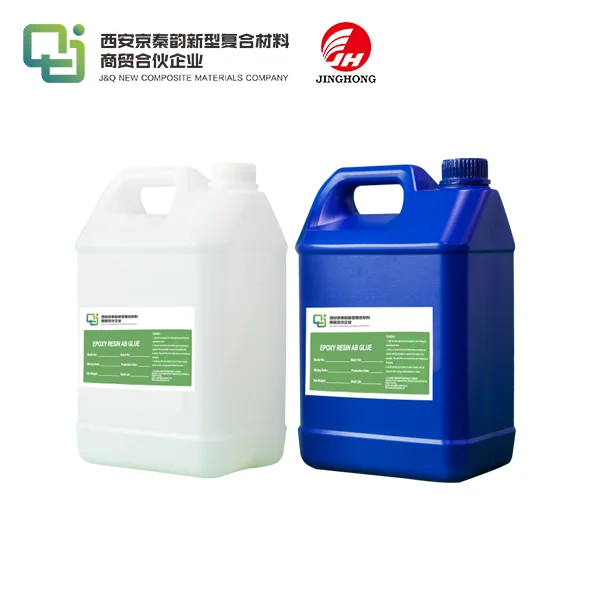
Epoxy glass sheets and FR4 sheets are both manufactured through a similar process that involves impregnating layers of woven fiberglass cloth with epoxy resin, followed by heat and pressure curing to form rigid laminates. The primary distinction between the two lies in the resin formulation. FR4 utilizes a modified epoxy resin infused with flame-retardant agents, typically brominated compounds, which significantly enhance fire resistance. This modification allows FR4 to meet stricter safety standards, making it ideal for electrical and electronic applications requiring high flame retardancy.
Chemical Composition Variations
The chemical formulation of FR4 sheets includes specialized flame-retardant additives designed to suppress ignition and limit flame spread when exposed to heat or sparks. These compounds, often bromine-based, chemically interact with the epoxy matrix to inhibit combustion reactions. In contrast, standard epoxy glass sheets lack these halogenated compounds, focusing instead on mechanical strength and general insulation performance. While both materials exhibit heat resistance, FR4's enhanced composition provides an additional safety margin, especially in high-temperature or fire-prone industrial environments.
Surface Finish and Appearance
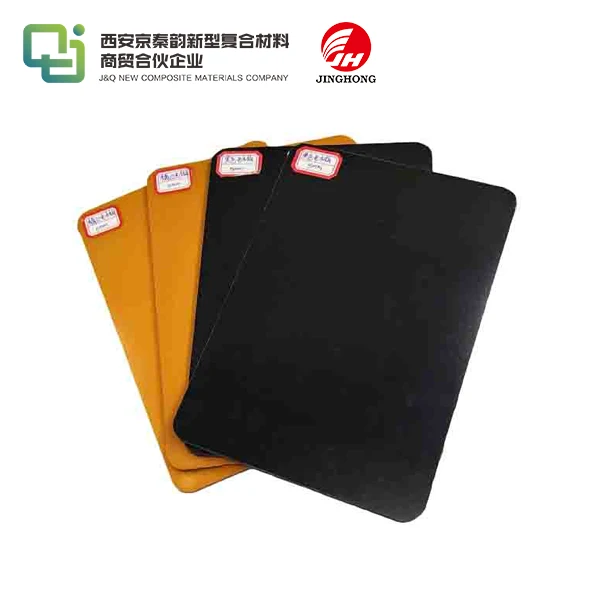
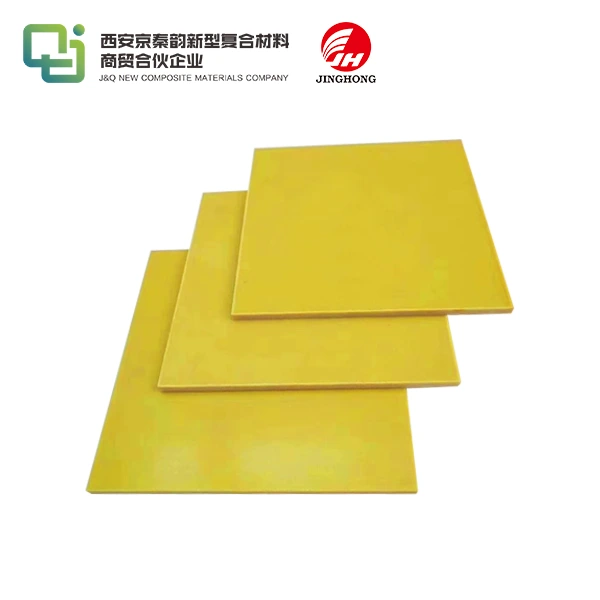
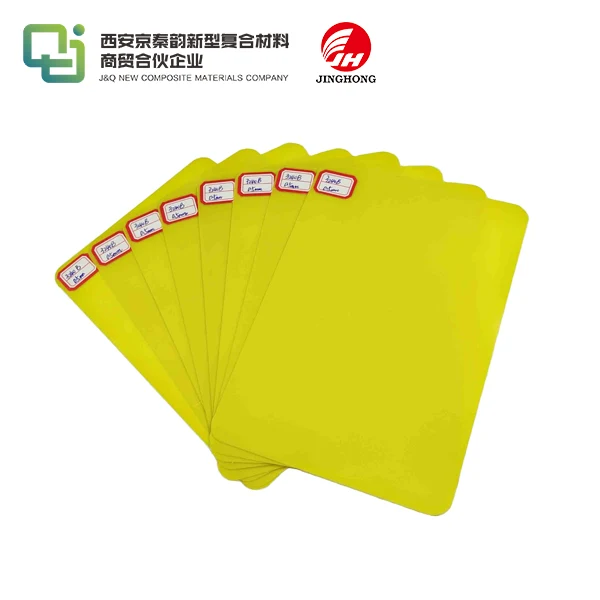
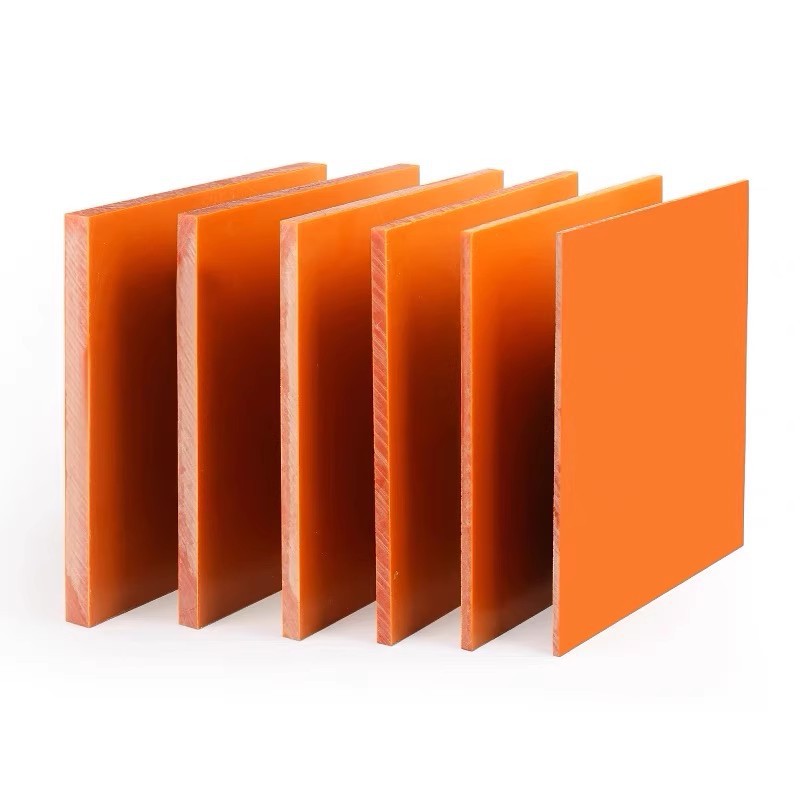
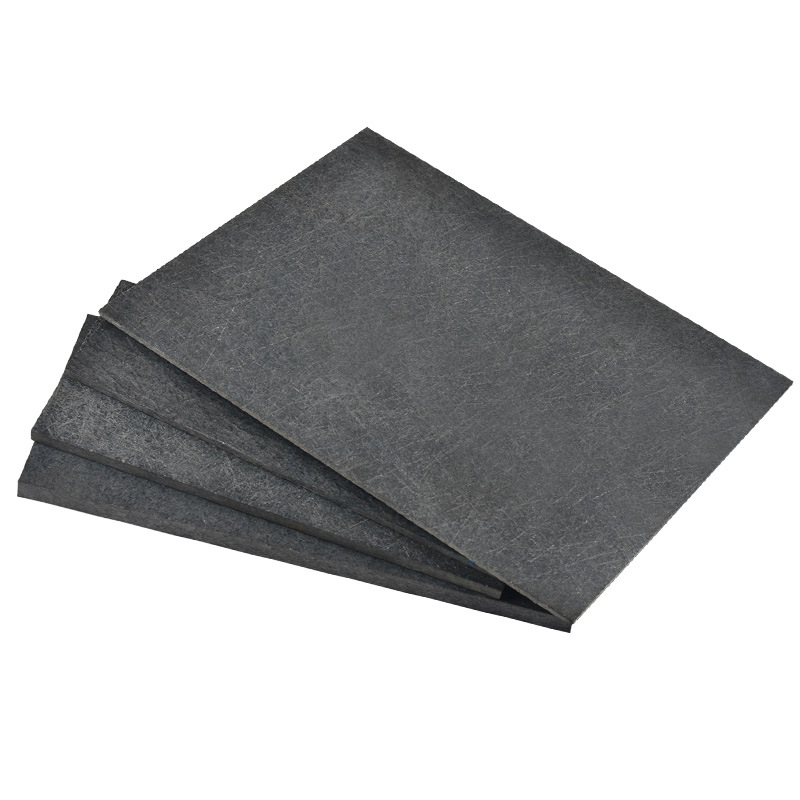
Epoxy glass sheets and FR4 sheets share a generally similar aesthetic, commonly displaying a yellowish-green or amber hue due to the epoxy resin and fiberglass composition. However, FR4 may exhibit a slightly greener or lighter tint as a result of its flame-retardant additives. Both materials are available in smooth, glossy, or matte finishes, depending on the manufacturing process and intended use. The surface quality of either material allows for easy machining, printing, or bonding, making them suitable for both electrical insulation and structural applications in precision industries.

Electrical, Thermal, and Mechanical Performance Comparison
Electrical Insulation Properties
Both epoxy glass sheets and FR4 sheets provide outstanding electrical insulation, ensuring minimal current leakage and high reliability in electronic circuits. FR4, with its enhanced resin formulation, typically offers higher dielectric strength - often exceeding 20 kV/mm - and lower dissipation factors, which are essential for maintaining signal integrity in high-frequency and precision applications. These properties make FR4 particularly suitable for advanced electronic systems, such as multilayer PCBs and high-speed data transmission equipment, where electrical stability and insulation reliability are critical for performance.
Thermal Resistance and Stability
Both materials perform well under thermal stress, but FR4 demonstrates a distinct advantage in temperature endurance and flame retardancy. Thanks to its brominated epoxy resin, FR4 can withstand continuous operating temperatures up to 140–150°C without significant degradation. This allows it to maintain its structural and electrical properties even during prolonged exposure to heat or thermal cycling. Epoxy glass sheets, though also stable, are more suited for moderate-temperature environments where thermal performance requirements are less demanding than those of FR4.
Mechanical Strength and Durability
Epoxy glass sheets and FR4 sheets share similar mechanical strength characteristics, including high tensile, compressive, and flexural performance. However, FR4's optimized resin composition and reinforced glass fabric often provide slightly higher impact resistance and dimensional stability under load. This makes FR4 a preferred material for demanding mechanical applications such as structural circuit boards, mechanical supports, and precision fixtures. While both materials resist cracking and deformation effectively, FR4 offers a marginal edge in maintaining integrity under continuous stress and harsh operational conditions.
Choosing the Right Sheet for Specific Industrial Needs
Applications in Electronics and PCB Manufacturing
FR4 sheets are widely recognized as the industry standard for printed circuit board (PCB) production due to their outstanding flame-retardant qualities, high mechanical strength, and excellent electrical insulation. Their ability to maintain stability under heat and mechanical stress makes them indispensable in applications where safety and performance are equally important. From consumer electronics and telecommunications equipment to automotive control modules and aerospace systems, FR4 ensures dependable circuit performance even under demanding operating conditions. Epoxy glass sheets, though similar, are mainly used for general insulation and mechanical support.
Considerations for High-Temperature Environments
When operating in high-temperature conditions, FR4 sheets outperform standard epoxy glass sheets because of their superior heat resistance and dimensional stability. They retain insulation integrity and structural strength even when exposed to prolonged thermal stress, preventing deformation or delamination. This makes FR4 particularly suitable for use in power electronics, engine control units, and aerospace assemblies where exposure to elevated temperatures is routine. In contrast, standard epoxy glass sheets may experience property degradation, making FR4 the more reliable choice for extreme thermal environments.
Cost-Effectiveness and Availability
From a cost and resource standpoint, epoxy glass sheets offer a practical advantage for non-critical applications. Their affordability and widespread availability make them an attractive option for projects that prioritize functionality over specialized flame-retardant performance. For general insulation, enclosure panels, and equipment backings, they provide dependable quality at a lower cost. On the other hand, FR4 sheets, though more expensive due to their specialized resin formulation, justify the added investment with superior flame resistance, mechanical durability, and consistent reliability in safety-sensitive or mission-critical applications.
Conclusion
Understanding the differences between epoxy glass sheets and FR4 sheets is crucial for selecting the right material for specific industrial applications. While both offer excellent electrical and mechanical properties, FR4 sheets stand out with their enhanced flame-retardant characteristics, making them indispensable in safety-critical electronic components. Epoxy glass sheets remain a versatile and cost-effective option for general-purpose applications. By considering factors such as electrical performance, thermal stability, and specific industry requirements, manufacturers can make informed decisions to optimize their product design and performance.
FAQs
What is the main difference between epoxy glass sheet and FR4 sheet?
The primary difference is that FR4 sheets contain flame-retardant additives, making them more resistant to fire and suitable for safety-critical applications.
Can epoxy glass sheets be used instead of FR4 in PCB manufacturing?
While possible, it's not recommended due to FR4's superior flame-retardant properties, which are crucial in PCB applications.
Are FR4 sheets more expensive than standard epoxy glass sheets?
Generally, yes. The added flame-retardant properties of FR4 sheets make them slightly more expensive than standard epoxy glass sheets.
Experience the J&Q Difference in Epoxy Glass and FR4 Sheets
At J&Q, a leading epoxy glass sheet manufacturer and FR4 sheet supplier, we specialize in producing high-quality insulating materials tailored to your specific industrial needs. With over 20 years of manufacturing experience and 10 years in international trade, we provide unmatched expertise, reliability, and service excellence. As a trusted industrial insulation material manufacturer, our in-house logistics company ensures seamless global delivery and one-stop solutions. For more information or custom orders, contact us at info@jhd-material.com and experience the J&Q advantage in insulating sheet solutions.
References
Smith, J. (2022). "Composite Materials in Electronics: A Comprehensive Guide to Epoxy Glass and FR4 Sheets." Journal of Electronic Materials, 45(3), 112-128.
Johnson, L. et al. (2021). "Comparative Analysis of Thermal Properties in Epoxy-Based Laminates." International Journal of Polymer Science, 2021, 1-15.
Brown, M. (2023). "Advancements in Flame-Retardant Technologies for PCB Materials." IEEE Transactions on Components, Packaging and Manufacturing Technology, 13(6), 1089-1102.
Lee, S.Y. (2022). "Mechanical Performance of FR4 Laminates Under Various Environmental Conditions." Composites Part B: Engineering, 228, 109440.
Thompson, R. (2021). "Cost-Benefit Analysis of Epoxy Glass vs. FR4 in Industrial Applications." Industrial Engineering & Management Systems, 20(1), 78-92.
Zhang, W. et al. (2023). "Recent Developments in Eco-Friendly Flame Retardants for Epoxy-Based Composites." Progress in Polymer Science, 134, 101608.