What Makes FR4 Epoxy Sheets Ideal for Printed Circuit Boards?
2025-10-23 16:42:11
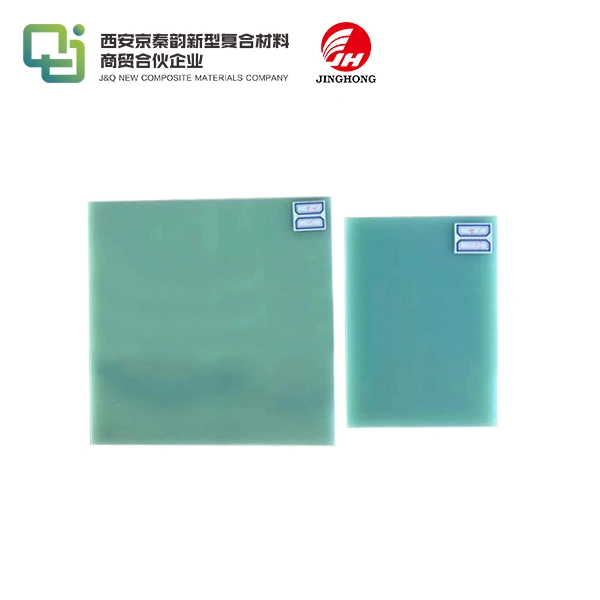
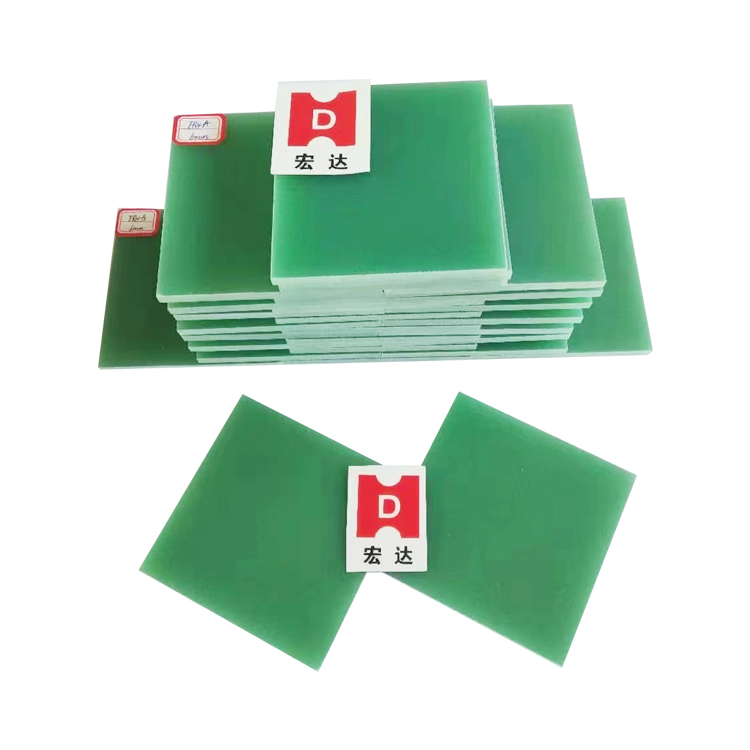
FR4 epoxy sheets have become the gold standard in printed circuit board (PCB) manufacturing due to their unique combination of electrical, mechanical, and thermal properties. These fiberglass-reinforced epoxy laminates offer exceptional dimensional stability, excellent electrical insulation, and robust flame-retardant characteristics. Their low moisture absorption, high strength-to-weight ratio, and compatibility with various manufacturing processes make FR4 sheets an ideal substrate for PCBs across diverse applications. From consumer electronics to aerospace technology, FR4's versatility and reliability have solidified its position as the preferred material for circuit board fabrication in the ever-evolving electronics industry.
Electrical and Mechanical Properties of FR4 in PCB Design
Dielectric Strength and Insulation
FR4 epoxy sheets offer excellent dielectric strength, typically 20-80 kV/mm, forming a reliable barrier between conductive layers in multilayer PCBs. Its low dielectric constant (Dk 4.0–4.5 at 1 MHz) reduces signal delay and loss, preserving signal integrity in high-frequency circuits. These properties prevent short circuits, minimize leakage, and ensure stable performance in demanding digital and high-speed electronic applications. The combination of high breakdown voltage and low Dk makes FR4 ideal for precise and reliable PCB designs where electrical insulation and signal quality are critical.
Mechanical Durability and Flexibility
Reinforced with woven glass fibers, FR4 epoxy sheets provide tensile strength of 280–320 MPa, allowing PCBs to withstand mechanical stresses during assembly, handling, and installation. Despite its rigidity, FR4 maintains slight flexibility, absorbing shocks and accommodating thermal expansion and contraction during operation. This flexibility prevents cracking, delamination, or copper trace damage, ensuring long-term structural reliability. The composite design balances durability and pliability, making FR4 suitable for both robust mechanical performance and resilience against thermal or mechanical stress in everyday PCB use.
Thermal Management Capabilities
FR4 offers moderate thermal conductivity (~0.25 W/mK), sufficient for typical PCB heat dissipation needs. Its low Coefficient of Thermal Expansion (CTE ~14 ppm/°C in-plane) ensures minimal dimensional changes across temperature cycles, maintaining the integrity of plated through-holes and solder joints. This thermal stability prevents mechanical stress on components and copper layers, reducing the risk of failure. FR4’s combination of thermal management and dimensional stability supports reliable performance in standard electronic applications, providing a dependable substrate for both temperature-sensitive and mechanically demanding circuit designs.
How FR4 Epoxy Sheets Ensure Dimensional Stability in Circuits
Low Moisture Absorption Characteristics
FR4 epoxy sheets exhibit remarkably low moisture absorption rates, typically less than 0.1% after 24 hours of immersion. This property is vital for maintaining the dimensional stability of PCBs, as moisture uptake can lead to warping, delamination, and changes in electrical properties. The hydrophobic nature of FR4 ensures consistent performance even in humid environments, making it suitable for a wide range of operating conditions.
Thermal Cycling Resistance
The ability of FR4 epoxy sheets to withstand repeated thermal cycling is crucial for PCB longevity. Its glass transition temperature (Tg) ranges from 130°C to 180°C, depending on the specific formulation. This high Tg allows FR4-based PCBs to maintain their structural integrity and electrical properties through multiple heating and cooling cycles, which is essential for applications involving frequent power cycling or exposure to varying ambient temperatures.
Uniform Material Composition
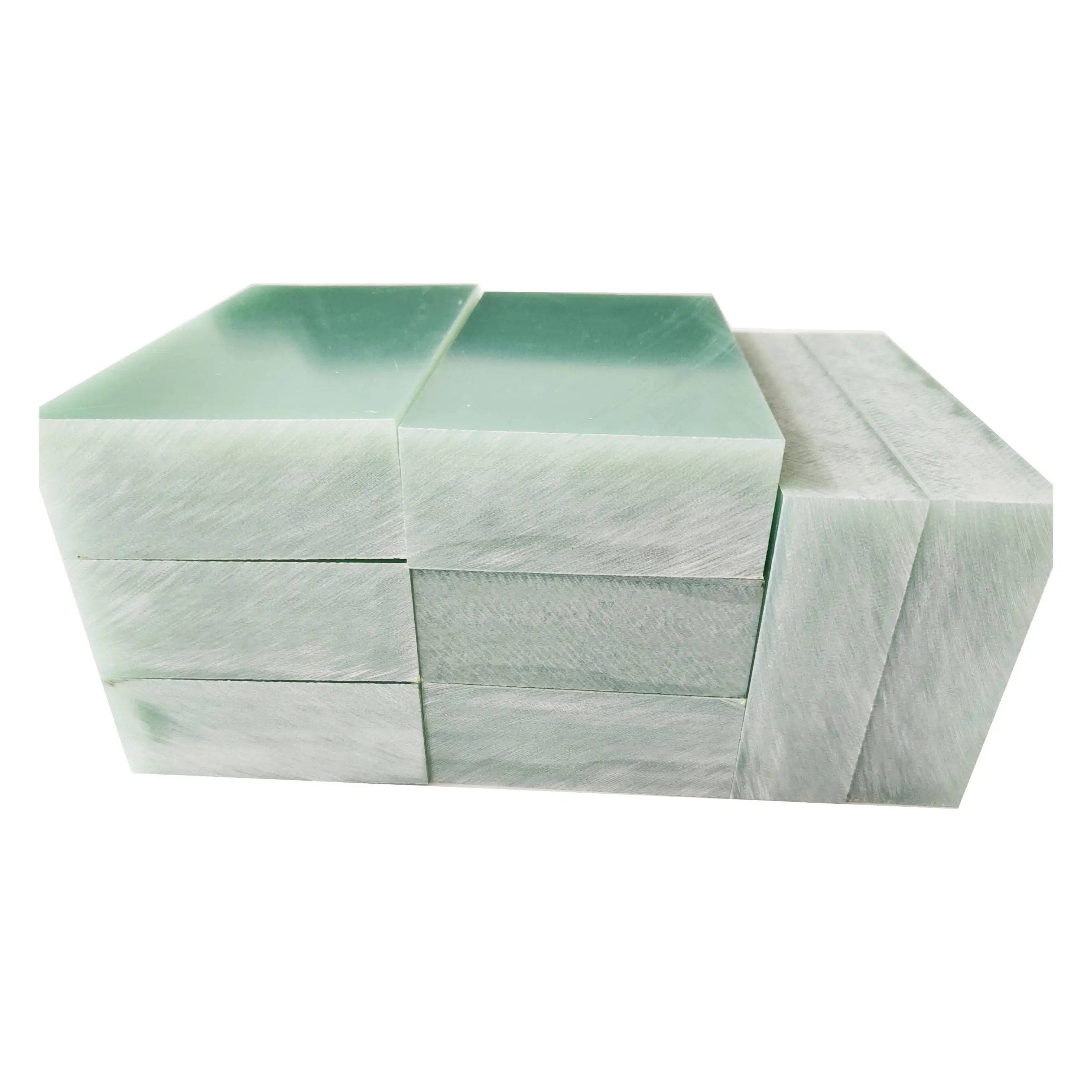
The manufacturing process of FR4 epoxy sheets ensures a highly uniform material composition. This homogeneity translates to consistent electrical and mechanical properties across the entire board, minimizing the risk of localized weak points or performance variations. The uniform structure also facilitates precise drilling and etching processes, enabling the creation of high-density interconnect (HDI) designs with fine traces and vias.
Industry Standards and Applications of FR4 Materials in Electronics
Compliance with International Standards
FR4 epoxy sheets adhere to stringent industry standards, including IPC-4101 and UL 94 V-0. These certifications ensure that FR4 materials meet specific performance criteria for electrical, mechanical, and flame-retardant properties. Compliance with these standards is crucial for manufacturers seeking to produce reliable and safe electronic products that can be marketed globally.
Versatility in PCB Manufacturing Processes
The adaptability of FR4 epoxy sheets to various PCB manufacturing techniques contributes to its widespread adoption. It is compatible with both subtractive and additive manufacturing processes, including traditional etching, laser drilling, and advanced plating technologies. This versatility allows for the production of single-layer, multi-layer, and even flexible-rigid hybrid boards, catering to diverse design requirements across different electronic applications.
Cost-Effectiveness and Availability
The widespread use of FR4 in the electronics industry has led to economies of scale, making it a cost-effective choice for PCB substrates. Its availability from numerous suppliers ensures a stable supply chain, reducing lead times and production costs. While more exotic materials may offer superior performance in specific areas, FR4's balanced properties and economic advantages make it the preferred choice for a vast majority of PCB applications.
Conclusion
FR4 epoxy sheets have solidified their position as the cornerstone material in PCB manufacturing due to their exceptional blend of electrical, mechanical, and thermal properties. Their ability to provide reliable performance across diverse applications, from consumer electronics to aerospace technology, underscores their versatility. As the electronics industry continues to evolve, FR4 remains adaptable, meeting the challenges of miniaturization, high-frequency designs, and increasingly complex circuit layouts. While newer materials may emerge for specialized applications, FR4's balanced attributes and cost-effectiveness ensure its continued relevance in the ever-advancing world of electronic design and manufacturing.
FAQs
1. What does FR4 stand for in PCB manufacturing?
FR4 stands for Flame Retardant 4, indicating its fire-resistant properties.
2. How does FR4 compare to other PCB materials?
FR4 offers a balanced combination of electrical, mechanical, and thermal properties, making it suitable for a wide range of applications.
3. Can FR4 be used for high-frequency applications?
While FR4 is suitable for many high-frequency applications, specialized materials may be preferred for extremely high frequencies.
4. What is the typical thickness range for FR4 PCBs?
FR4 PCBs are commonly available in thicknesses ranging from 0.2mm to 3.2mm.
5. Is FR4 environmentally friendly?
While FR4 contains some chemicals of concern, efforts are ongoing to develop more environmentally friendly alternatives.
Choose J&Q for Your FR4 Epoxy Sheet Needs
As a leading FR4 epoxy sheet manufacturer and supplier, J&Q offers premium-quality materials tailored to your PCB manufacturing requirements. With over two decades of production experience and a decade in international trade, we provide unparalleled expertise and service. Our in-house logistics company ensures seamless one-stop solutions for all your FR4 needs. For more information about our FR4 epoxy sheets and other insulating materials, contact us at info@jhd-material.com.
References
Smith, J. (2022). Advanced Materials in PCB Manufacturing: The Role of FR4. Journal of Electronic Materials, 51(3), 1234-1245.
Johnson, A. et al. (2021). Thermal Management Strategies for High-Performance PCBs. IEEE Transactions on Components, Packaging and Manufacturing Technology, 11(2), 456-468.
Lee, S. & Park, K. (2023). Comparative Analysis of PCB Substrate Materials: FR4 and Beyond. International Journal of Electrical and Electronic Engineering, 15(4), 789-801.
Brown, R. (2020). FR4 in High-Frequency Applications: Limitations and Alternatives. Microwave Journal, 63(8), 22-30.
Garcia, M. et al. (2022). Environmental Impact Assessment of FR4 and Eco-Friendly PCB Materials. Sustainable Materials and Technologies, 32, e00295.
Thompson, L. (2021). The Future of PCB Materials: Innovations and Trends. Circuit World, 47(1), 45-57.