
Differences in Applications Between Epoxy Sheet and Phenolic Sheet
2025-10-13 17:05:21
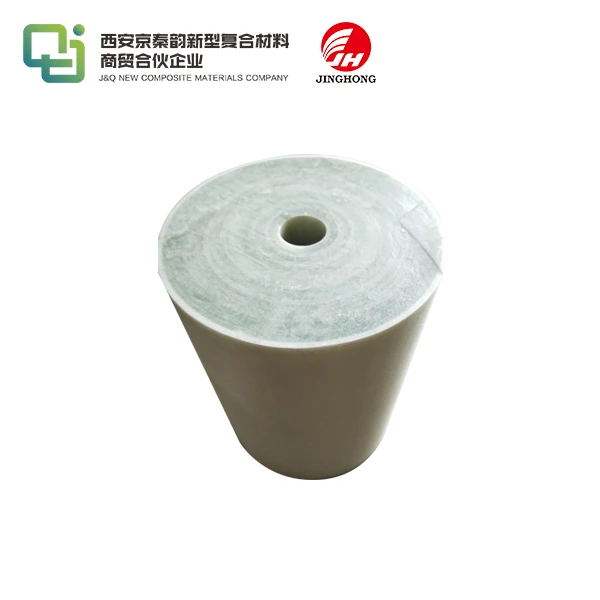
Epoxy sheets and phenolic sheets are both widely used in various industries for their insulating properties, but they have distinct characteristics that make them suitable for different applications. Epoxy sheets, known for their superior electrical insulation and mechanical strength, are often preferred in high-performance electronic applications such as printed circuit boards. Phenolic sheets, on the other hand, excel in applications requiring heat resistance and dimensional stability, making them ideal for mechanical components in high-temperature environments. The choice between these materials depends on specific project requirements, including electrical properties, mechanical strength, thermal resistance, and cost considerations. Understanding these differences is crucial for engineers and manufacturers to select the most appropriate material for their specific needs.
Key Property Comparisons: Electrical, Mechanical, and Thermal Resistance
Electrical Insulation Capabilities
Epoxy sheets boast exceptional electrical insulation properties, making them a top choice for high-frequency applications. Their low dielectric constant and dissipation factor contribute to minimal signal loss, crucial for maintaining signal integrity in sophisticated electronic devices. Phenolic sheets, while also good insulators, typically exhibit slightly lower electrical resistance compared to epoxy sheets. This difference becomes particularly noticeable in applications involving high voltages or frequencies, where epoxy sheets maintain their insulative properties more effectively.
Mechanical Strength and Durability
When it comes to mechanical properties, both materials offer impressive strength, but with different characteristics. Epoxy sheets demonstrate superior tensile and flexural strength, making them resistant to bending and breaking under stress. This robustness is particularly beneficial in applications where the material may be subjected to physical strain or vibration. Phenolic sheets, while not as strong as epoxy in terms of tensile strength, offer excellent compressive strength and are less prone to deformation under heavy loads. This makes phenolic sheets particularly suitable for applications requiring dimensional stability under pressure.
Thermal Resistance and Heat Dissipation
Thermal properties represent a significant point of differentiation between epoxy and phenolic sheets. Phenolic sheets excel in high-temperature environments, maintaining their structural integrity and insulative properties at temperatures that would compromise many other materials. This heat resistance makes phenolic sheets indispensable in applications exposed to continuous high temperatures or frequent thermal cycling. Epoxy sheets, while also capable of withstanding elevated temperatures, generally have a lower maximum operating temperature compared to phenolic sheets. However, epoxy sheets often provide better thermal conductivity, which can be advantageous in applications requiring heat dissipation from electronic components.

How to Choose the Right Material for Electrical Insulation vs. Mechanical Components?
Assessing Application Requirements
Selecting between epoxy and phenolic sheets requires a thorough evaluation of the specific application requirements. For electrical insulation, consider the operating voltage, frequency, and environmental conditions. Epoxy sheets are often the preferred choice for high-frequency applications or where minimal signal loss is critical. For mechanical components, assess the expected loads, operating temperatures, and exposure to chemicals or moisture. Phenolic sheets might be more suitable for applications involving high compressive loads or extreme temperatures.
Balancing Performance and Cost
Cost considerations play a significant role in material selection. While epoxy sheets generally offer superior electrical and mechanical properties, they often come at a higher price point compared to phenolic sheets. For applications where the enhanced performance of epoxy is not critical, phenolic sheets can provide a more cost-effective solution without significantly compromising on quality. It's essential to weigh the performance benefits against the budget constraints to determine the most appropriate material for the project.
Long-term Reliability and Maintenance
When choosing between epoxy and phenolic sheets, consider the long-term reliability and maintenance requirements of the application. Epoxy sheets typically offer better resistance to moisture absorption and chemical exposure, which can translate to longer service life in harsh environments. Phenolic sheets, while durable, may require more frequent replacement in certain conditions. Evaluate the expected lifespan of the component and the accessibility for maintenance or replacement when making your selection.
Typical Use Cases: From FR4 PCBs to Phenolic Gears and Bearings
Epoxy Sheets in Electronic Applications
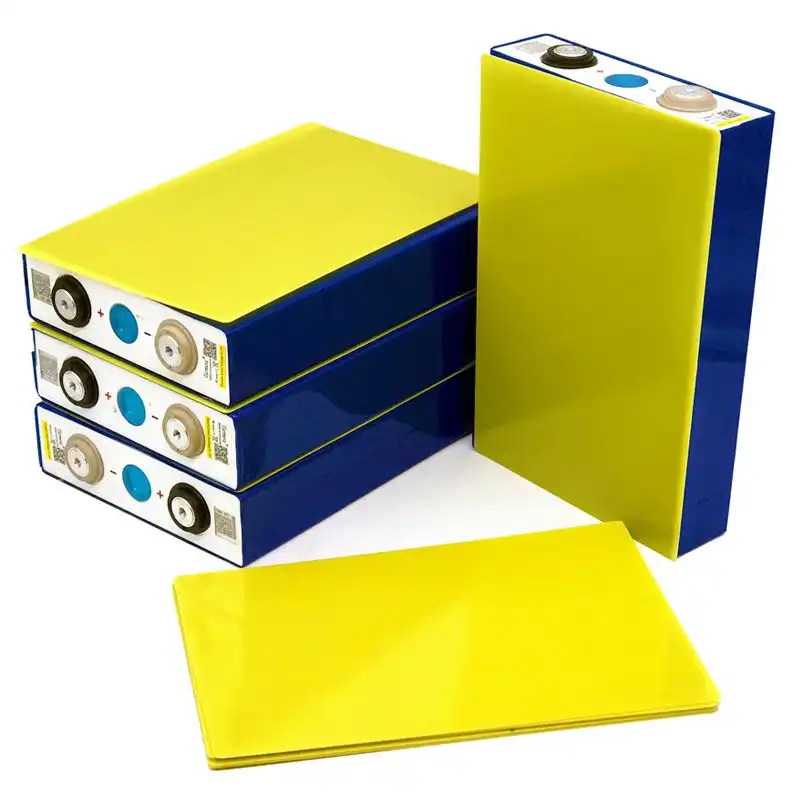
Epoxy sheets, particularly FR4 grade, dominate the printed circuit board (PCB) industry. Their excellent electrical insulation properties, combined with good mechanical strength and relatively low cost, make them ideal for a wide range of electronic devices. From consumer electronics to aerospace applications, FR4 epoxy sheets provide the reliable substrate needed for complex circuit designs. Beyond PCBs, epoxy sheets find applications in switchgear, transformers, and other high-voltage equipment where their superior dielectric strength is invaluable.
Phenolic Sheets in Mechanical Engineering
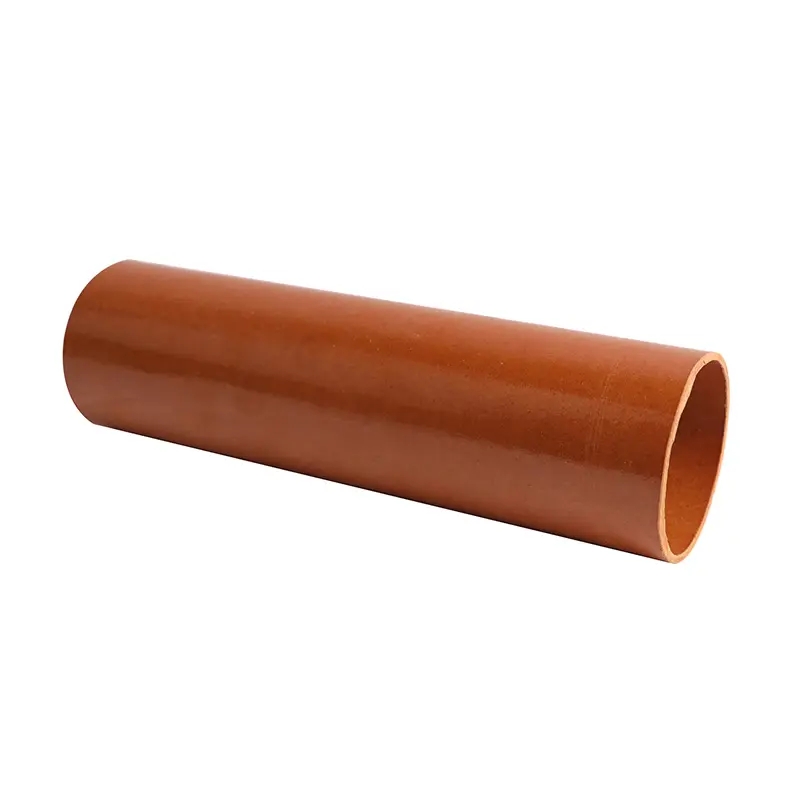
Phenolic sheets shine in mechanical engineering applications, particularly where heat resistance and dimensional stability are paramount. They are commonly used in the production of gears, bearings, and other wear-resistant components in industrial machinery. The ability of phenolic sheets to maintain their properties at high temperatures makes them invaluable in automotive applications, such as under-the-hood components. Additionally, their low moisture absorption and good machinability make phenolic sheets popular for creating jigs, fixtures, and other tooling components in manufacturing processes.
Specialized Applications and Emerging Trends
As technology advances, both epoxy and phenolic sheets find new and specialized applications. In the renewable energy sector, epoxy sheets are being utilized in solar panel manufacturing for their weather resistance and electrical insulation properties. Phenolic sheets are gaining traction in aerospace applications, where their flame-retardant properties and low smoke emission are crucial for safety. The ongoing development of composite materials is also opening new avenues for both materials, with researchers exploring ways to enhance their properties through additives and novel manufacturing techniques.
Conclusion
The choice between epoxy sheets and phenolic sheets depends on the specific requirements of each application. Epoxy sheets excel in electrical insulation and offer superior mechanical strength, making them ideal for electronic applications and high-performance components. Phenolic sheets, with their excellent thermal resistance and dimensional stability, are better suited for mechanical applications in high-temperature environments. By carefully considering factors such as electrical properties, mechanical strength, thermal resistance, and cost, engineers and manufacturers can select the most appropriate material to ensure optimal performance and longevity in their projects.
Contact Us
As a leading manufacturer and supplier of insulating sheets, we at J&Q have over 20 years of experience in producing high-quality epoxy and phenolic sheets. Our extensive expertise in foreign trade and long-standing partnerships with domestic and international companies allow us to provide exceptional service and products tailored to your specific needs. Whether you're looking for epoxy sheets for your next PCB project or phenolic sheets for high-temperature mechanical applications, our team is ready to assist you. Contact us at info@jhd-material.com to discuss your requirements and discover how our products can enhance your manufacturing processes.
References
1. "Comparative Analysis of Epoxy and Phenolic Laminates in Industrial Applications" - Journal of Materials Science and Engineering, 2022
2. "Electrical Properties of Epoxy and Phenolic Resins: A Comprehensive Review" - IEEE Transactions on Dielectrics and Electrical Insulation, 2021
3. "Thermal Behavior of Epoxy and Phenolic Composites in Extreme Environments" - Composites Science and Technology, 2023
4. "Advancements in FR4 Epoxy Materials for Next-Generation PCB Design" - Circuit World, 2022
5. "Phenolic Resins in High-Temperature Mechanical Applications: Current Status and Future Prospects" - Polymers for Advanced Technologies, 2023
6. "Material Selection Criteria for Electrical Insulation in Modern Electronics" - International Journal of Electrical Engineering, 2022
_1753951194967.jpg)

