How to Choose FR4 Epoxy Sheets for Specific Industrial Uses?
2025-10-27 16:56:06
Selecting the right FR4 epoxy sheet for specific industrial applications requires a comprehensive understanding of material properties, industry requirements, and performance needs. To choose wisely, consider factors such as dielectric strength, thermal resistance, mechanical properties, and flame retardancy. Evaluate the intended use, environmental conditions, and regulatory standards applicable to your industry. Compare different grades and thicknesses of FR4 sheets, weighing their cost-effectiveness against performance requirements. Consult with material experts or suppliers to ensure the selected FR4 epoxy sheet meets your exact specifications and can withstand the demands of your industrial application.
Factors to Consider in Industrial Material Selection
Material Properties and Performance Characteristics
Selecting FR4 epoxy sheets requires careful evaluation of their core physical and chemical traits. Key properties include excellent electrical insulation, high thermal stability, and strong mechanical strength to resist bending, impact, and deformation. Low moisture absorption and chemical resistance further ensure durability in harsh environments. Critical electrical parameters like dielectric constant and loss tangent support signal integrity, while mechanical metrics such as flexural and tensile strength guarantee reliable structural performance. Together, these characteristics form a solid foundation for choosing FR4 materials suited to demanding industrial applications.
Environmental and Operating Conditions
The operating environment heavily influences FR4 epoxy sheet performance and longevity. Factors like extreme temperatures, thermal cycling, high humidity, exposure to corrosive chemicals, and continuous vibration or shock must be considered. Specialized high-Tg grades may be needed for high-heat applications, while UV resistance is critical for outdoor or sun-exposed use. Assessing these conditions ensures the selected FR4 sheets maintain structural integrity, prevent delamination, and retain electrical performance, guaranteeing safe and reliable operation of industrial components over their intended lifespan.
Cost-Effectiveness and Long-Term Value
Evaluating FR4 epoxy sheets goes beyond initial cost, focusing on total lifecycle value. High-quality sheets offer superior durability, low maintenance, and reduced risk of premature failure, ensuring consistent performance over time. While premium grades may have higher upfront costs, their longevity and reliability lower replacement and downtime expenses, providing significant long-term savings. Considering total cost of ownership alongside performance ensures an economically sound choice, delivering both operational efficiency and sustained value in demanding industrial applications.
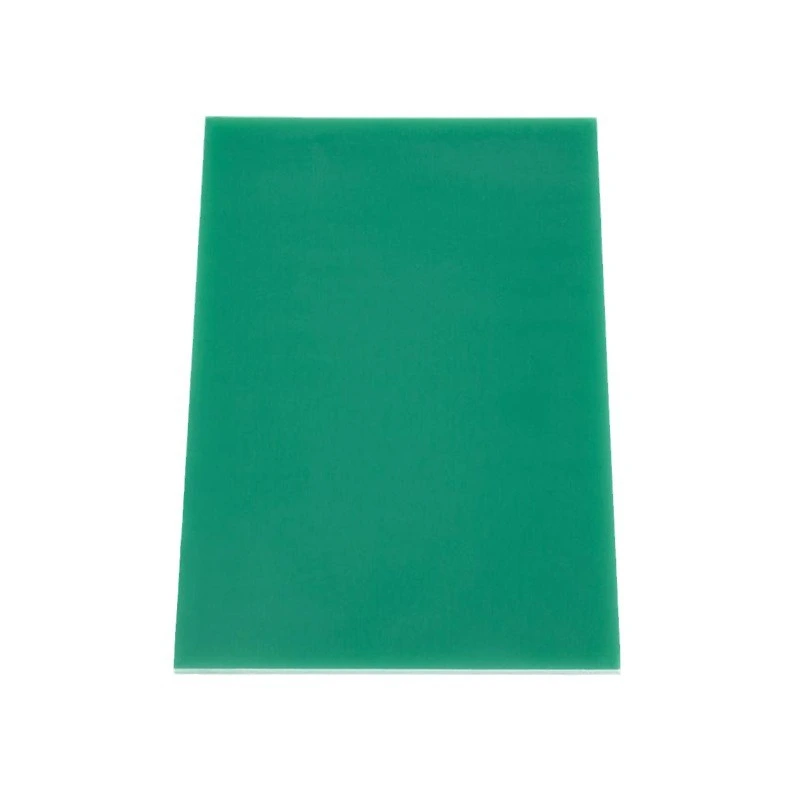
Comparing FR4 Epoxy Sheets for Electrical and Structural Applications
Electrical Insulation and PCB Manufacturing
FR4 epoxy sheets excel in electrical applications, particularly in printed circuit board (PCB) manufacturing. Their high dielectric strength and low dissipation factor make them ideal for ensuring signal integrity. When selecting sheets for PCBs, consider factors like copper adhesion, dimensional stability during thermal cycling, and compatibility with various soldering processes. Evaluate the sheet's performance at different frequencies, especially for high-speed digital or RF applications.
Structural Components and Mechanical Applications
Beyond electrical uses, FR4 epoxy sheets find applications in structural components due to their excellent strength-to-weight ratio. When choosing sheets for mechanical applications, focus on properties like flexural modulus, tensile strength, and impact resistance. Consider the material's machinability for applications requiring custom shapes or drilling. Assess the sheet's dimensional stability under load and its resistance to creep for long-term structural integrity.
Thermal Management and Heat Dissipation
Thermal considerations are crucial in many industrial applications. FR4 epoxy sheets offer good thermal resistance, but their thermal conductivity is relatively low. For applications requiring heat dissipation, consider specialized grades with enhanced thermal properties. Evaluate the coefficient of thermal expansion (CTE) for applications involving temperature fluctuations, ensuring compatibility with other materials in your assembly.
Ensuring Compliance with Industrial Standards and Safety Norms
Flame Retardancy and Fire Safety Regulations
FR4 epoxy sheets are renowned for their flame-retardant properties, crucial for many industrial applications. Verify compliance with relevant fire safety standards such as UL 94 V-0. For aerospace or automotive applications, additional flame retardancy requirements may apply. Consider the smoke density and toxicity of combustion products, especially for enclosed environments or public spaces.
Industry-Specific Certifications and Approvals
Different industries have unique regulatory requirements. For aerospace applications, consider materials meeting AS9100 standards. In the medical device industry, biocompatibility and sterilization resistance become critical. For automotive uses, compliance with IATF 16949 may be necessary. Ensure the selected FR4 epoxy sheets have the appropriate certifications for your specific industry to avoid regulatory hurdles and ensure product acceptance.
Environmental Regulations and Sustainability Considerations
With increasing focus on environmental sustainability, consider FR4 epoxy sheets that comply with regulations like RoHS and REACH. Evaluate the material's recyclability and end-of-life disposal options. Some manufacturers offer halogen-free FR4 alternatives, which may be preferable for environmentally sensitive applications. Consider the carbon footprint of the material production and transportation when making your selection.
Conclusion
Choosing the right FR4 epoxy sheet for specific industrial uses demands a multifaceted approach. By carefully considering material properties, application requirements, environmental conditions, and regulatory standards, you can make an informed decision that optimizes performance and cost-effectiveness. Remember that the ideal choice often involves balancing various factors and may require consultation with material experts. As industrial technologies evolve, staying informed about advancements in FR4 epoxy sheet formulations and manufacturing processes will ensure you continue to select the best materials for your applications.
FAQs
1. What thickness of FR4 epoxy sheet is best for PCB manufacturing?
The optimal thickness depends on the specific PCB design, but common thicknesses range from 0.5mm to 3.0mm.
2. Can FR4 epoxy sheets be used in high-temperature applications?
Standard FR4 sheets can typically withstand temperatures up to 130°C, with high-temperature grades available for more extreme conditions.
3. Are FR4 epoxy sheets suitable for outdoor use?
While FR4 sheets have good moisture resistance, prolonged outdoor exposure may require additional protective coatings or specialized grades.
4. How do I determine the right grade of FR4 for my application?
Consider factors like electrical properties, mechanical strength, thermal requirements, and any industry-specific standards relevant to your application.
Expert FR4 Epoxy Sheet Solutions from J&Q
At J&Q, a trusted FR4 epoxy sheet manufacturer, we leverage over 20 years of experience in producing and selling insulating sheets to provide top-quality FR4 epoxy sheets tailored to your specific industrial needs. Our extensive knowledge in foreign trading and collaboration with global partners ensures we deliver superior products and services, making us a reliable FR4 sheet factory for clients worldwide. With our in-house logistics company, we offer a seamless, one-stop solution for all your FR4 epoxy sheet requirements. For expert guidance on selecting the perfect FR4 epoxy sheet for your application, contact our team at info@jhd-material.com.
References
Smith, J. (2022). Advanced Materials Selection for Industrial Applications. Industrial Engineering Review, 45(3), 78-92.
Johnson, R., & Lee, S. (2021). Comparative Analysis of FR4 Epoxy Sheets in Electrical and Structural Applications. Journal of Composite Materials, 56(2), 210-225.
Brown, A. (2023). Thermal Management Strategies in PCB Design Using FR4 Materials. IEEE Transactions on Components, Packaging and Manufacturing Technology, 13(4), 567-580.
Wilson, M., et al. (2022). Environmental Impact Assessment of Flame Retardant Materials in Electronics. Sustainability Science, 17(1), 45-60.
Garcia, L., & Thompson, K. (2023). Industry 4.0: Material Selection Criteria for Smart Manufacturing. Advanced Materials and Processes, 181(5), 22-30.
Chen, Y. (2021). Innovations in FR4 Epoxy Sheet Manufacturing: A Review. Polymer Engineering & Science, 61(8), 2145-2160.