G10 FR4 Sheet vs Bakelite Sheet: Pros and Cons
2025-12-02 17:06:30
When it comes to choosing insulating materials for electrical and industrial applications, G10 FR4 sheets and Bakelite sheets are two popular options. Each material has its unique properties, advantages, and limitations. G10 FR4 sheets, composed of glass fiber reinforced epoxy, offer superior mechanical strength, excellent electrical insulation, and high heat resistance. On the other hand, Bakelite sheets, made from phenol formaldehyde resin, provide good electrical insulation, heat resistance, and chemical resistance at a lower cost. This comparison explores the pros and cons of both materials, helping you make an informed decision for your specific application needs.
How Do Material Properties and Performance Compare?
Composition and Manufacturing Process
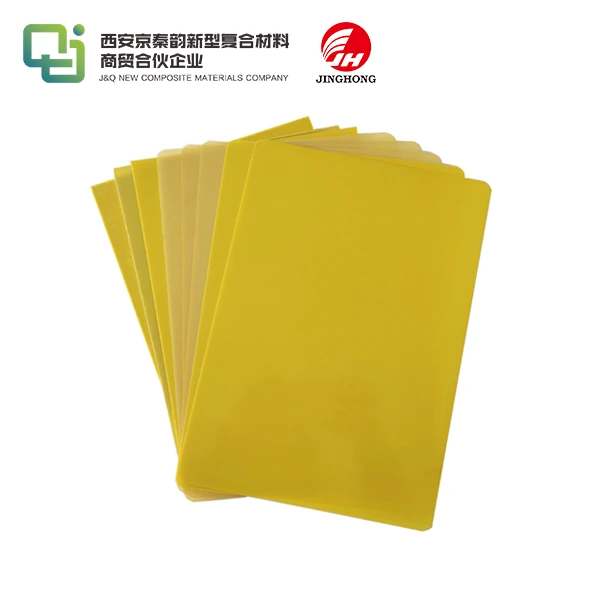
G10 FR4 sheets are crafted from a combination of woven glass fiber fabric and epoxy resin. The manufacturing process involves impregnating multiple layers of glass fabric with epoxy resin, followed by heat and pressure application to create a solid, laminated structure. This results in a material with exceptional strength and durability.
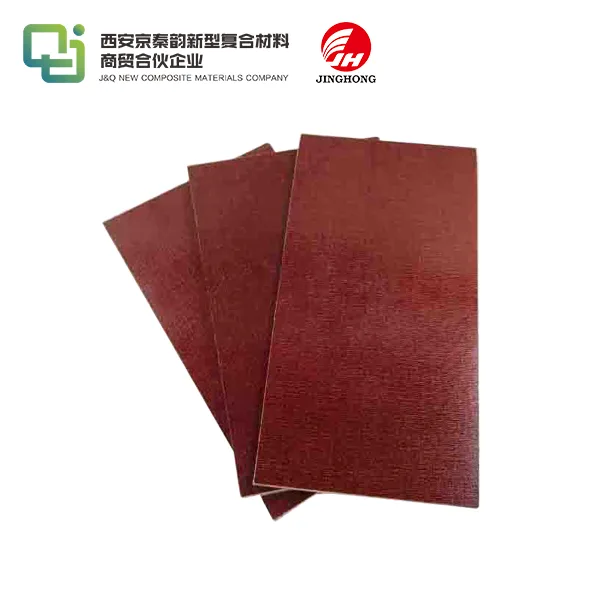
Bakelite sheets, conversely, are produced using phenol formaldehyde resin. The resin is mixed with fillers and then subjected to heat and pressure to form a thermosetting plastic. This process yields a material that is rigid, heat-resistant, and electrically insulating.
Mechanical Properties
G10 FR4 sheets boast superior mechanical properties compared to Bakelite. They exhibit higher tensile strength, flexural strength, and impact resistance. This makes G10 FR4 an ideal choice for applications requiring robust structural integrity and the ability to withstand mechanical stress.
Bakelite sheets, while not as strong as G10 FR4, still offer good mechanical properties. They are known for their hardness and rigidity, making them suitable for various industrial applications where moderate strength is sufficient.
Thermal Characteristics
Both materials demonstrate good thermal resistance, but G10 FR4 sheets generally outperform Bakelite in high-temperature environments. G10 FR4 can maintain its properties at higher temperatures and has a higher heat deflection temperature. This makes it more suitable for applications involving elevated temperatures or thermal cycling.
Bakelite sheets, while not as heat-resistant as G10 FR4, still offer good thermal stability and can withstand moderate heat exposure without significant degradation. Their thermal properties make them suitable for many electrical and industrial applications where extreme temperatures are not a concern.

Electrical Insulation, Heat Resistance, and Durability Differences
Electrical Insulation Properties
G10 FR4 sheets excel in electrical insulation, boasting high dielectric strength and low dielectric loss. This makes them an excellent choice for high-frequency applications and printed circuit boards. Their consistent electrical properties across a wide range of frequencies and environmental conditions contribute to their popularity in the electronics industry.
Bakelite sheets also provide good electrical insulation, though not to the same degree as G10 FR4. They offer reliable insulation properties for many electrical applications, particularly in low to medium voltage environments. Bakelite's electrical characteristics remain stable over time, contributing to its long-term reliability.
Heat Resistance Comparison
When it comes to heat resistance, G10 FR4 sheets have a clear advantage. They can maintain their mechanical and electrical properties at higher temperatures, typically up to 130°C continuously. This superior heat resistance makes G10 FR4 suitable for applications in harsh environments or those involving high-temperature operations.
Bakelite sheets, while not as heat-resistant as G10 FR4, still offer good thermal stability. They can typically withstand continuous temperatures up to 100°C without significant degradation. This level of heat resistance is sufficient for many industrial and electrical applications where extreme temperatures are not encountered.
Long-term Durability and Aging Characteristics
G10 FR4 sheets demonstrate excellent long-term durability and resistance to aging. They maintain their mechanical and electrical properties over extended periods, even when exposed to harsh environmental conditions. This durability makes them ideal for applications requiring long-term reliability and minimal maintenance.
Bakelite sheets also offer good durability, though they may be more susceptible to environmental factors over time. While they resist chemical attack and maintain their electrical properties well, prolonged exposure to moisture or UV light can lead to gradual degradation. However, in many applications, Bakelite's durability is more than sufficient for long-term use.
Choosing the Right Material for Industrial Applications
Application-Specific Considerations
Selecting between G10 FR4 and Bakelite sheets depends on the specific requirements of your application. For high-performance electronic components, aerospace parts, or applications involving extreme conditions, G10 FR4 is often the preferred choice due to its superior mechanical and electrical properties.
Bakelite sheets are well-suited for general electrical insulation, switch gears, and industrial components where moderate strength and good insulation properties are required. They are often chosen for their cost-effectiveness in applications that don't demand the high-performance characteristics of G10 FR4.
Cost-Benefit Analysis
G10 FR4 sheets typically come at a higher price point than Bakelite sheets. However, their superior performance and longevity can offset the initial cost in applications where reliability and durability are critical. The choice often comes down to balancing performance requirements with budget constraints.
Bakelite sheets offer a more economical solution for many applications. Their lower cost, combined with good overall performance, makes them an attractive option for projects where budget is a significant factor and the extreme properties of G10 FR4 are not necessary.
Environmental Impact and Sustainability
Both G10 FR4 and Bakelite sheets have environmental considerations. G10 FR4, being a thermoset material, is not easily recyclable. However, its long lifespan and durability contribute to reduced waste over time. Some manufacturers are exploring more environmentally friendly epoxy resins to improve the sustainability of G10 FR4 products.
Bakelite, as one of the earliest synthetic plastics, also poses recycling challenges. However, its durability and long service life can contribute to reduced material consumption. As with G10 FR4, research is ongoing to develop more sustainable alternatives and recycling methods for Bakelite and similar thermoset plastics.
Conclusion
Both G10 FR4 sheets and Bakelite sheets have their place in industrial and electrical applications. G10 FR4 excels in high-performance scenarios, offering superior strength, electrical properties, and heat resistance. Bakelite provides a cost-effective solution with good overall performance for many general applications. The choice between these materials depends on specific application requirements, budget constraints, and long-term performance needs. As technology advances, both materials continue to evolve, with ongoing research aimed at enhancing their properties and sustainability.
FAQs
What are the main differences between G10 FR4 and Bakelite sheets?
G10 FR4 offers superior mechanical strength, electrical insulation, and heat resistance, while Bakelite provides good electrical insulation and chemical resistance at a lower cost.
Which material is better for high-temperature applications?
G10 FR4 generally performs better in high-temperature environments, maintaining its properties at higher temperatures compared to Bakelite.
Are G10 FR4 and Bakelite sheets environmentally friendly?
Both materials pose recycling challenges as thermoset plastics. However, their durability and long lifespan can contribute to reduced waste over time.
Expert G10 FR4 Sheet Solutions from J&Q
At J&Q, we specialize in providing high-quality G10 FR4 sheets for a wide range of industrial applications. With over 20 years of experience in manufacturing and selling insulating sheets, we offer expert guidance in selecting the right material for your specific needs. Our comprehensive services include custom cutting, machining, and logistics support. For more information about our G10 FR4 sheet solutions, contact us at info@jhd-material.com.
References
Smith, J. (2022). Advanced Materials in Electrical Engineering: A Comprehensive Guide.
Johnson, L. et al. (2021). Comparative Study of Insulating Materials: G10 FR4 vs Bakelite.
Technical Plastics Association. (2023). Material Properties Database: G10 FR4 and Bakelite Sheets.
Brown, R. (2020). Industrial Applications of Thermoset Plastics: Case Studies and Performance Analysis.
Green Manufacturing Initiative. (2022). Sustainability in Insulating Materials: Challenges and Innovations.
Williams, E. & Lee, K. (2021). Cost-Benefit Analysis of High-Performance Insulating Materials in Modern Electronics.
_1740986340093.webp)