Distribution Cabinet Insulation Materials and Clearance Guide
2026-02-26 17:16:21
The most important parts of designing safe electrical infrastructure are the insulation materials for distribution cabinets and the spacing standards. Choosing the right insulation board is important for keeping electrical boxes safe from fire, managing heat, and following the rules. Modern distribution boxes use high-tech insulation materials, such as FR4, phenolic laminates, and epoxy boards, to keep operations safe and meet strict industry standards. Engineers can make effective electrical systems that keep people and equipment safe from thermal dangers and electrical faults by knowing the right clearance lengths and material specs.
Understanding Distribution Cabinet Insulation Materials
Inside electrical boxes, distribution cabinet insulation boards keep heat in, keep people safe in case of fire, and block out noise. These special materials keep sensitive parts from getting damaged by heat while keeping active parts electrically separate from each other. To make smart purchasing choices, engineers need to know the basic qualities that make different insulating materials unique.
Common Insulation Materials and Their Properties
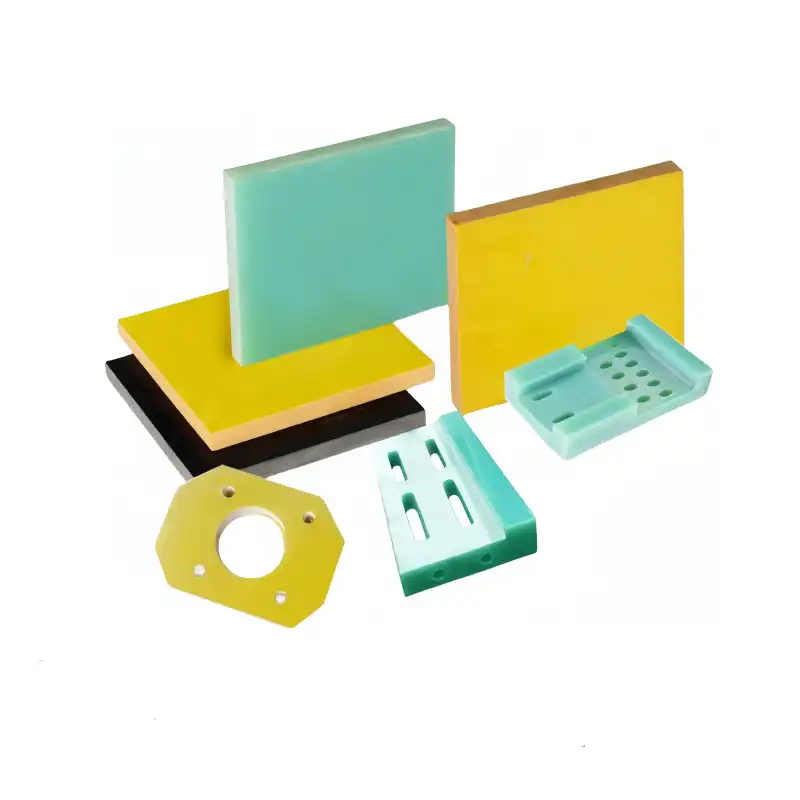
Several tried-and-true insulation materials are used in modern electrical applications. Each has its own benefits for certain uses. FR4 fiberglass boards are great for supporting PCBs and making switches because they are both strong and good at keeping electricity from leaking. With breakdown voltages above 20 kV/mm, these boards have great insulating qualities. They also stay the same size across a wide range of temperatures.
Phenolic cotton sheets are widely used in motor parts and other high-load situations because they are very strong and don't melt in hot temperatures. Their layered structure makes them stable in places where vibration and mechanical stress are problems for other materials. The phenolic resin system is very resistant to arcs and keeps its shape even when temperatures change all the time.
Epoxy laminates have great electrical qualities and are easy to machine, which lets you make custom solutions for cabinet designs that are complicated. These materials stick together very well between layers and don't let water in, which could hurt their electrical performance. Their low thermal expansion rates make sure that they work well at a wide range of temperatures that are common in industrial settings.
Material Selection Criteria
To choose the best insulation materials, you need to carefully look at their heat resistance, insulating strength, and ability to work with different environments. The dielectric breakdown voltage shows the electrical safety limits, and the R-value shows how well the insulator blocks heat. Long-term success in different installation settings is affected by things like resistance to humidity, chemical compatibility, and UV stability.
Ratings for fire protection are very important when choosing materials, especially when UL certification or meeting foreign safety standards is needed. To meet regulatory standards, materials must be able to put out fires on their own and prevent the spread of flames. When engineers choose materials for structure uses, they also look at their mechanical qualities, such as flexural strength, impact resistance, and dimensional stability.
Clearance Requirements and Safety Standards for Distribution Cabinet Insulation
Following national and foreign safety rules for an insulation board is the first step in designing a safe distribution box. Having the right amount of space between things makes sure that heat can escape and lowers the risk of fire by strategically placing and spacing them. When procurement teams know these standards, they can choose the right materials and designs to meet legal needs.
Regulatory Framework and Standards
International Electrotechnical Commission (IEC) guidelines set the minimum requirements for how electrically insulated distribution equipment must be. IEC 60439 sets the minimum lengths that live parts must be away from grounded objects, and IEC 60664 talks about how to coordinate insulation in low-voltage systems. When figuring out the right clearance lengths, these guidelines take into account amounts of pollution, effects of height, and working voltage needs.
Standards set by Underwriters Laboratories (UL) add more safety rules for markets in North America. UL 508A specifies the insulation materials and spacing standards for different voltage levels for industrial control panels. UL 94 flammability ratings describe materials based on how resistant they are to fire. A V-0 grade means that the material is very good at keeping flames out in critical situations.
The National Electrical Code (NEC) has rules about how to place things and keep clearances in electrical casings. Article 408 talks about how to build switchboards and panelboards, focusing on how to maintain proper space and coordinate insulation. These rules make sure that safety procedures are always followed in all kinds of installation settings.
Clearance Distance Calculations
To find the right clearance lengths, you need to think about the working power, the type of insulation, and the weather. Normal working conditions protect against electric shock with basic insulation clearances, and fault conditions protect with strengthened insulation. Engineers use pollution degree ratings and material comparative tracking index (CTI) numbers to figure out the shortest routes.
The minimum distance needed for clearing is based on the working voltage; bigger voltages require more space. Because the air density is lower at higher elevations, elevation adjustments are needed for clearance improvements above 2000 meters. Pollution concerns look at how pollution affects the performance of insulation. Usually, industrial settings need higher clearances than clean home settings.
How to Choose the Right Insulation Board for Your Distribution Cabinets?
To choose the best insulation boards, you need to look at their heat resistance, fire safety scores, longevity, and effect on the environment. Cost-performance balance and source dependability become very important for business-to-business buyers who are in charge of big buying projects. When you know the unique needs of an application, you can make smart decisions that improve both speed and cost.
Performance Evaluation Criteria
Measurements of thermal resistance for an insulation board show how well a material stops heat from moving between cabinet zones. Engineers use R-values and thermal transfer coefficients to figure out how thick of insulation is needed for different temperature differences. Higher numbers for heat resistance allow for thinner systems that still work just as well.
In high-voltage situations, electrical safety gaps are set by the dielectric strength standards. To make sure they work reliably, materials must show breakdown voltages that are much higher than their working voltage levels. Arc resistance tests show how well a material can handle electrical faults without leaving behind conductive carbon tracks that could lead to more problems.
Mechanical features affect how something is installed and how reliable it is in the long run. Flexural strength tells you how much weight something can hold in structure uses, and impact resistance tells you how long it will last during installation and maintenance. Dimensional stability makes sure that the performance stays the same during the normal temperature cycle that happens when electrical equipment is used.
Application-Specific Considerations
For best efficiency, different cabinet uses need different material qualities. To protect against fault situations, switchgear systems put arc resistance and flame retardance at the top of their lists. To handle working pressures, motor control centers put a lot of emphasis on mechanical longevity and vibration resistance. Power distribution uses heat control and electrical isolation between lines with a lot of power.
Environmental factors have a big impact on choices about what materials to use. For outdoor installations, UV resistance and weather protection are important. For indoor installs, cost-effectiveness and ease of installation may be more important. Material compatibility is affected by chemical contact in industrial settings where corrosive air makes traditional insulating systems difficult to use.
Procurement teams have to find a mix between performance needs and price limits, all while making sure they have good relationships with suppliers. When planning a project's schedule, lead times become very important, and quality standards make sure that the material's features stay the same. Warranty terms guard against early breakdowns and help with planning long-term upkeep.
Comparison of Popular Insulation Boards: Pros, Cons, and Performance
Knowing the differences between the different types of insulation board lets you choose the best material for each cabinet purpose. There are pros and cons to each type of material that affect its usefulness for different working situations. Industrial buyers can find the best materials for long-term performance and environmental compliance by comparing their performance in detail.
FR4 Fiberglass Boards
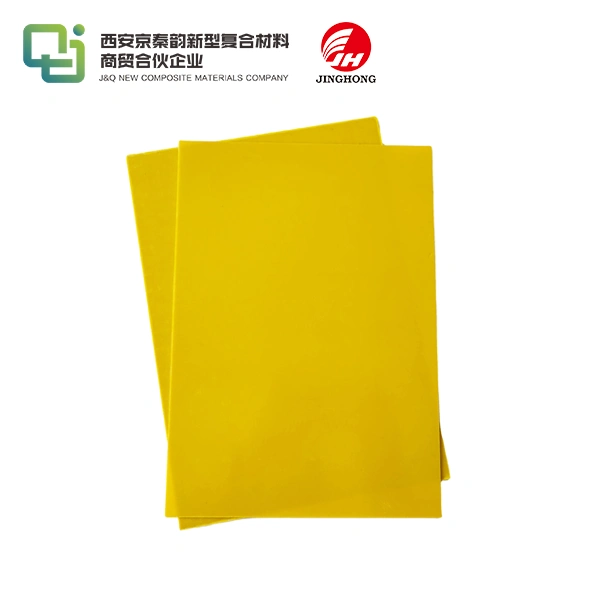
FR4 boards are great for electrical uses that need strong mechanical properties and good insulating qualities. Their glass fiber support makes them very stable in terms of size and keeps them electrically separate over a wide range of temperatures. These boards are very easy to machine for special construction, and they don't absorb water, which could hurt their electrical performance.
Because of its thermal properties, FR4 can be used in situations with mild temperatures. It can work continuously at temperatures up to 130°C. Formulations that are flame resistant meet the standards of UL 94 V-0 and keep their structure intact during a fire. FR4 is a great material for supporting PCBs and electrical barriers in distribution equipment because it has a balanced property profile.
When it comes to price, FR4 is more expensive than phenolic alternatives for an insulation board, but its better electrical qualities usually make it worth the extra money. Availability stays the same through known supply lines, and processing skills let you make complex geometric shapes. Long-term stability makes sure that the equipment works reliably for its normal working life.
Phenolic Laminates
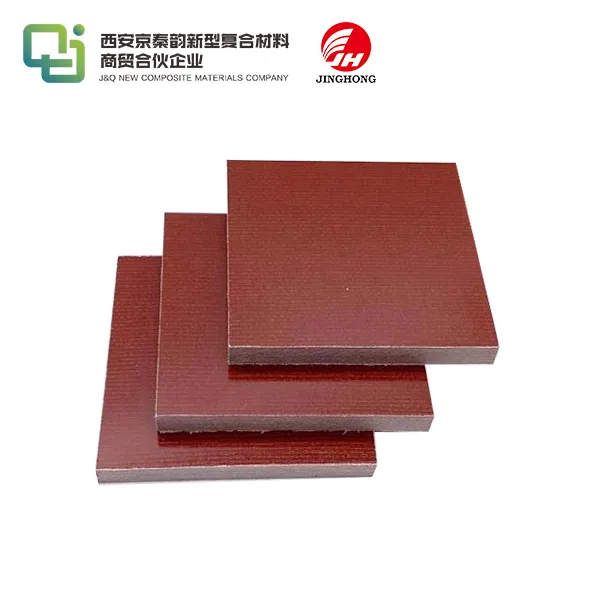
The mechanical strength of phenolic cotton sheets is very high, and they also have great heat protection. Because they are made of layers, they are more resistant to pressure and still have good electrical isolation qualities that make them useful for many cabinet uses. Phenolic laminates are good for high-volume uses where electricity standards allow them because they are cost-effective.
The thermal performance goes up to 120°C for long periods of time, and it can handle higher temperatures for short periods of time. Even though they don't work as well as FR4, their arc resistance properties are good enough for many electrical uses. Mechanical qualities are very useful in structural uses that need to be able to hold weight and not vibrate.
Rapid shipping schedules are supported by the supply of manufacturing, and the processing features make it easy to make complicated shapes. Environmental stability guarantees stable performance in industrial settings, but in high-humidity situations, moisture sensitivity needs to be taken into account. Phenolic laminates are often used for mechanical insulation because they have a good mix of qualities and cost.
Epoxy Boards
When it comes to electrical features, epoxy laminate solutions are the best. They also stick very well. The cross-linked polymer structure of these materials makes them very resistant to chemicals and keeps their shape even when heated. In demanding situations that need the highest dielectric strength, FR4's electrical qualities often work better than FR4.
Processing benefits include being easy to shape and having a smooth, high-quality surface finish. When used in humid places, epoxy systems don't absorb much water and their electrical qualities stay fixed. It has the same or better thermal performance as other materials and better mechanical features for structure uses.
Because they work better, epoxy boards are more expensive as an insulation board, but they are worth it for important applications where failure risks are high enough to support the extra money spent on materials. Because of how the supply chain works, lead times are higher for specialty materials compared to commodity materials. However, efficiency benefits often make up for sourcing problems.
Installation and Maintenance Best Practices for Distribution Cabinet Insulation
When you put something correctly, it works at its best and stays safe for as long as the equipment is in use. Preparing the surface correctly, using the right fixing methods, and keeping the clearances clear stop heat buildup and electrical failures. By learning about common installation mistakes, you can make installations that are effective, meet regulations, and support your long-term care goals.
Surface Preparation and Installation Techniques
Before you can fix something correctly, you need to clean the area very well to get rid of any dirt or other things that could stop the adhesive from sticking or make electrical paths. Degreasing steps get rid of oils and other leftovers left over from manufacturing processes, and roughening the surface makes mechanical bonding better. Controlling moisture keeps humidity from building up, which could lead to delamination during heat cycles.
When things are being fastened, they have to be able to handle thermal growth while still staying securely attached across a wide range of working temperatures. To keep insulation materials from getting damaged by over-compression, mechanical screws need to be tightened to the right torque specs. To get the strongest bond possible, adhesive systems need to be applied precisely and cured under controlled conditions.
Verification of clearance makes sure that safety standards are met while also improving heat performance. Digital measuring tools make it easy to check the exact distance between grounded objects and live parts. Documentation processes help with following the rules and make future upkeep tasks easier.
Maintenance and Inspection Protocols
As part of predictive maintenance plans, regular check schedules find wear and tear before they happen. Cracks, delamination, or coloring that show up as heat stress or chemical attack can be seen visually. Electrical testing makes sure that the resistance values of the insulation stay within acceptable ranges for the whole working life.
Cleaning routines get rid of built-up dirt and grime that could make tracking tracks or make thermal transfer less effective. The right cleaning products keep the material's qualities while getting rid of industrial deposits. Protective measures keep damage from happening during repair work and keep workers safe around powered equipment.
Replacement standards set clear rules for renewing materials based on signs of wear and tear that can be measured. Performance tracking looks at changes in insulation resistance over time, and thermal imaging finds hot spots that mean there are problems with clearing. Planned replacement plans keep upkeep costs low and stop problems from happening out of the blue.
Conclusion
When insulating a distribution cabinet with an insulation board, you need to think carefully about the qualities of the material, following the rules, and the needs of the application. When selecting insulation systems, engineers and buying workers should know about thermal management principles, electrical safety standards, and material selection criteria. Clearance upkeep and installation techniques that are done correctly ensure long-term dependability and help with legal compliance. Following regular repair procedures keeps equipment working well and increases its useful life. Investing in high-quality insulation materials and having them installed by professionals leads to better operating dependability and safety.
FAQ
What thickness of insulation board should I use for my distribution cabinet?
The thickness of insulation board is based on how much heat is needed, how much room is available, and how much electricity clearance is needed. For electrical barriers, boards that are 3 to 6 mm thick are most often used. Boards that are 10 to 25 mm thick may be needed for heat uses. Figure out what you need based on the difference in temperatures, the R-value goals, and the minimum clearance lengths required by the electrical rules that apply.
How do fire resistance ratings affect regulatory compliance?
Fire resistance scores have a direct effect on whether or not electricity equipment is approved by the government. Materials with a UL 94 V-0 rating meet the strictest standards for electrical covers. Materials with a V-1 or V-2 rating may be sufficient for less important uses. To find out what amount of flame retardance is needed for your purpose, look at the equipment guidelines and local laws.
What are the recommended sourcing practices for certified insulation suppliers?
Check that providers have quality certifications, consistent wait times, and the ability to provide expert assistance. Check the paperwork for ISO 9001 approval and material compliance. Before making big purchases, ask for sample tests to make sure that performance claims are true and use pilot orders to get to know the provider.
Partner with J&Q for Premium Insulation Board Solutions
J&Q has been making high-performance insulation products for more than 20 years and has been dealing internationally for 10 years. Our wide range of products includes FR4 sheets, phenolic laminates, and epoxy boards that are designed to work in tough distribution cabinets. With our dedicated transportation network and established relationships in markets around the world, we offer one-stop solutions that make the buying process easier for you. Our UL and ROHS-certified products meet strict government standards, and our technical team is here to help you with your project's application needs throughout its lifecycle. Email our insulation board experts at info@jhd-material.com to talk about your unique needs and find out how our tried-and-true solutions can improve the performance and stability of your electrical equipment.
References
International Electrotechnical Commission. "Low-voltage switchgear and controlgear assemblies - Part 1: General rules." IEC 60439-1:2004, Geneva, Switzerland.
Underwriters Laboratories. "Industrial Control Panels." UL 508A Standard for Safety, Northbrook, Illinois, 2018.
National Fire Protection Association. "National Electrical Code." NFPA 70-2020, Quincy, Massachusetts, 2019.
Institute of Electrical and Electronics Engineers. "IEEE Guide for Application of Insulation Systems for AC Electric Machines." IEEE Std 117-2015, New York, 2015.
American Society for Testing and Materials. "Standard Test Methods for AC Loss Characteristics and Permittivity of Solid Electrical Insulation." ASTM D150-18, West Conshohocken, Pennsylvania, 2018.
International Organization for Standardization. "Electrical equipment of machines - General requirements for basic safety and EMC." ISO 14118:2017, Geneva, Switzerland.
_1754967691873.webp)