What are the Common Processing Methods of Epoxy Boards?
2026-02-26 17:16:17
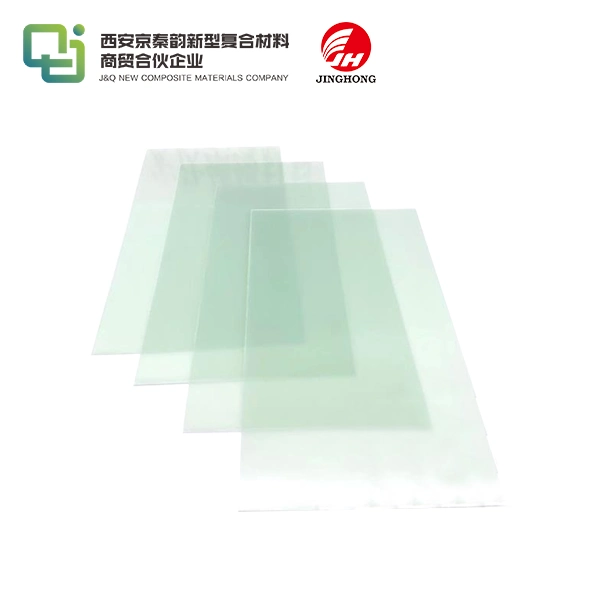
Several basic methods are used to handle epoxy boards, such as mechanical cutting, CNC machining, drilling, routing, and finishing the surface. Because they are bonded and made of epoxy glue, these composite materials need to be handled in a certain way. Precision sawing is often used for cutting to exact dimensions, controlled-speed drilling is used to keep layers from coming apart, and CNC operations are used for complicated shapes. Surface processes like sanding, polishing, and applying protective coatings make things last longer and look better, but they keep the electrical and mechanical qualities that are needed for commercial uses.
Understanding Epoxy Boards and Their Key Properties
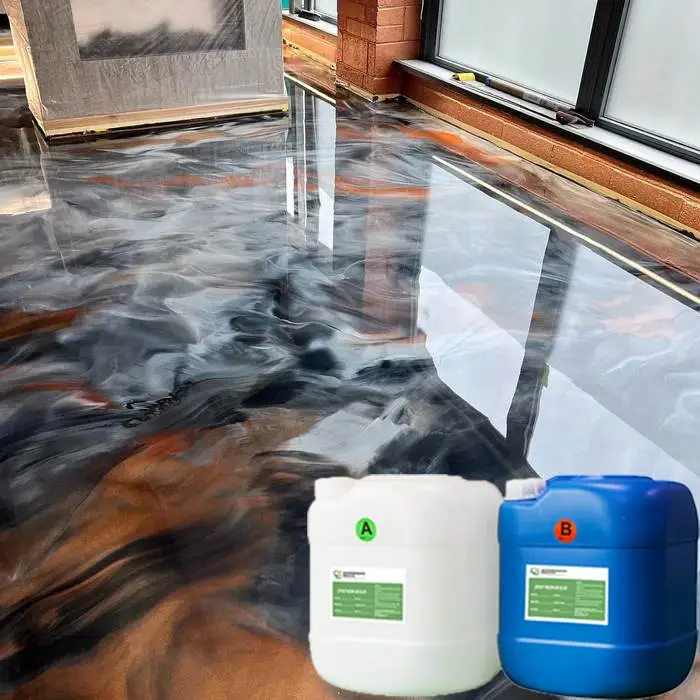
Epoxy boards are high-tech composite materials made from epoxy resin systems that are strengthened with different fillers and fiber bases. There are a lot of different commercial uses for these laminated materials, which makes them essential for things like electrical protection, mechanical parts, and building elements. The basic makeup is made up of thermosetting epoxy resins and reinforcing agents like fiberglass cloth. This makes materials that work better than others.
Material Composition and Variants
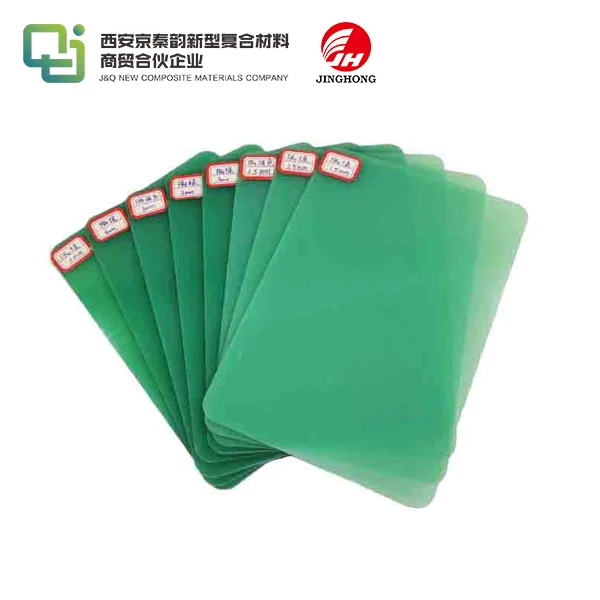
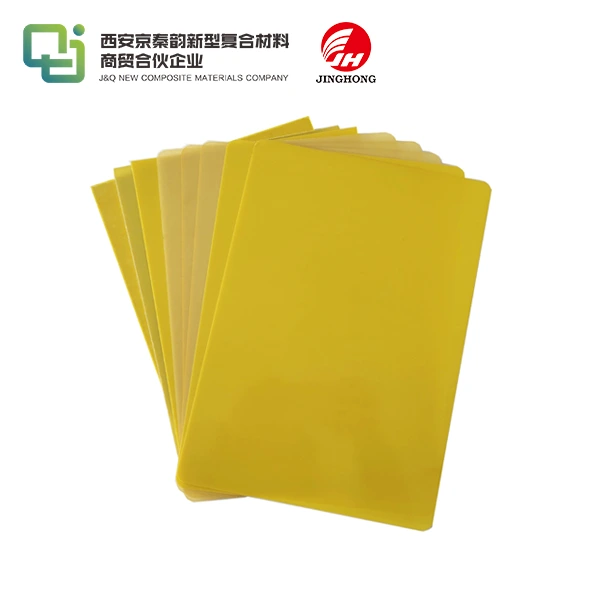
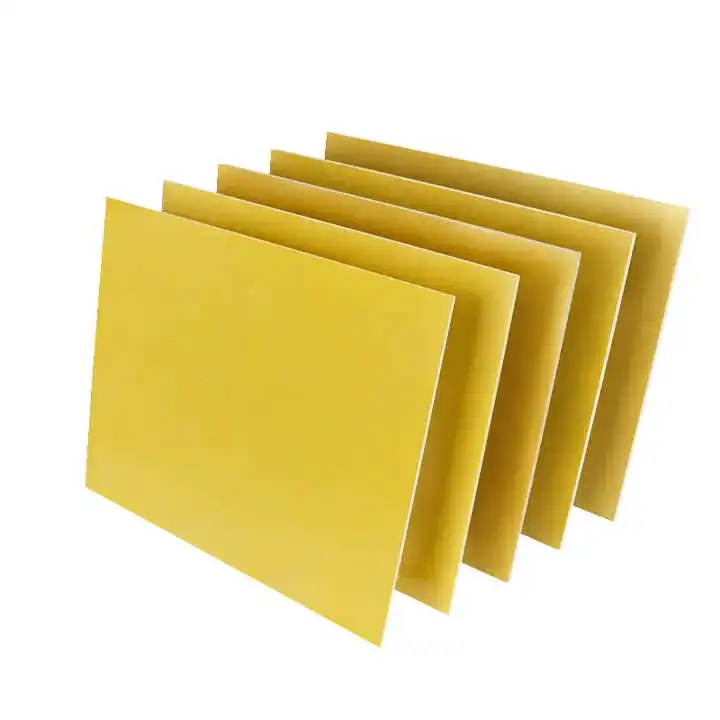
Epoxy laminates are made up of several layers of base materials that are filled with epoxy resin systems. Some common types are FR4 glass epoxy boards, which are needed for electronics because they don't catch fire, and phenolic cotton laminates, which are great for making parts for industrial machinery strong. Each version has its own set of speed features that are best for a certain type of application.
Different curing methods are used by manufacturers to get the qualities they want from the materials. High-pressure lamination makes structures that are dense, void-free, and have regular thickness tolerances. Temperature-controlled curing processes make sure that epoxy matrices cross-link properly. These production factors have a direct effect on the characteristics of the next steps in the process and set the right machining parameters.
Critical Performance Attributes
Electrical qualities are a key part of how well epoxy boards work. The dielectric strength is usually between 15 and 20 kV/mm, which makes it possible to reliably insulate electrical systems in high-voltage situations. Volume resistivity is higher than 10^12 ohm-cm, which helps precise electrical circuits and power transfer systems work. These electrical properties stay the same across a wide range of temperatures, so they always work well in tough conditions.
Parameters of mechanical strength have a big effect on the choice of processing method. Most of the time, flexural strength is between 300 and 500 MPa and compression strength is over 400 MPa. These strong mechanical qualities make it possible to do complicated machining operations without damaging the structure. When buying teams know about these strengths, they can choose the right working methods and quality standards.
Overview of Common Processing Methods for Epoxy Boards
When working with epoxy board, you need to use special methods that take into account their unique properties and meet exact measurement needs. There are many different mechanical and heat processing methods used in modern factories. Each has its own benefits for different uses and production rates.
Mechanical Cutting and Shaping Techniques
Sawing processes are the most common way that epoxy boards are first processed. When used at fixed feed rates, carbide-tipped circle saws keep heat production low and prevent delamination. The type of blade you choose depends on the thickness of the material and the quality of the edge you want. For precise tasks, fine-tooth setups give you the best surface finishes.
CNC cutting has changed the way epoxy board is processed by making it possible to make complicated shapes with great accuracy. Routers and milling tools that are handled by computers can keep quality uniform across production runs while keeping tolerances within ±0.1mm. These automated systems cut down on waste, make things easier to repeat, and get rid of the human mistake that used to happen with manual processes.
For thick pieces and complicated shapes, water jet cutting is the best way to go. With this cold-cutting method, heat stress is removed, and the edges are smooth without any mechanical pressure. This method works especially well for making complicated forms that would be hard or impossible to make with regular cutting tools.
Drilling and Hole-Making Operations
To keep the edges of the holes from breaking or delaminating during precision drilling, spindle speeds, feed rates, and tool shape must all be carefully thought out. Specialized carbide drill bits made for composite materials have sharp cutting edges and improved flute shapes that remove debris quickly while keeping heat levels low.
Step drilling works well for thick parts where quality of the opening is important. This method uses drills with steadily bigger bits to get to the final hole size while keeping the entry and exit points clean. This method works especially well for tasks that need smooth holes for mechanical fixings or electrical connections.
Surface Finishing and Treatment Options
Surface preparation has a big effect on how well and how it looks the end result. Using aluminum oxide abrasives for progressive sanding gets rid of machining lines and makes the surface roughness constant. Depending on the finish, grit development usually starts at 220 and goes up to 600 or higher.
Chemical processes improve the surface's qualities for certain uses. Plasma treatment raises the surface energy, which makes it easier for coatings to stick. In situations where solid bonding or printing on finished parts is needed, these processes are important.
Comparative Analysis of Processing Methods: Traditional vs. Modern Techniques
Traditional ways of making epoxy board materials often had big problems, like quality that wasn't always uniform, wasteful use of materials, and limited physical capabilities. These old ways of doing things depended a lot on the skill and experience of the operators, which led to variation that hurt the efficiency and cost-effectiveness of production.
Limitations of Conventional Processing
When sawing and drilling by hand, edge chipping, measurement differences, and surface quality problems happened a lot. The wrong cutting settings created heat that softened the glue and pulled out the fibers, which compromised the structure around the cut edges. Because of these quality problems, more finishing steps had to be taken, which took longer and cost more.
With old ways, another big problem was that they made a lot of dust. Specialized air systems and personal protection equipment were needed to keep workers safe around epoxy composite dust. Concerns for the environment also meant that proper dust collection and disposal methods had to be used, which made industrial processes more difficult.
Advantages of Advanced Processing Technologies
Modern CNC tools make it possible to work with epoxy boards with accuracy and consistency that have never been seen before. Computer-controlled factors make sure that the cutting conditions are the same throughout the whole production run. This gets rid of the variation that comes with doing things by hand. It is possible to set these systems in a way that makes the best use of tool paths and cutting factors for different types of material.
Laser cutting is very accurate for cutting materials that are thin to medium thickness. The directed energy beam makes narrow kerf widths with few heat-affected zones. This keeps the qualities of the material near the cut edges. It is possible to make complex shapes and tight limits with this technology, which would be hard to do with traditional methods.
When automated material handling systems are built into processing equipment, they cut down on the need for workers and make things safer. These systems correctly place materials, hold up big panels while they're being cut, and take out finished parts without any help from a person. These kinds of mechanical skills are especially useful in places where a lot of things need to be made.
Industry Case Studies and Performance Data
Manufacturers of electronics say that switching from manual to CNC processing cuts processing time by 40 to 60 percent. These improvements in speed directly lead to lower costs and more production. Quality gains include lowering the number of repair orders by 90% and making sure that all product lines are the same size.
Suppliers of automotive parts for epoxy board have reported big gains in material efficiency thanks to better nesting methods in CNC code. When compared to traditional planning methods, these software options make the best use of standard sheet sizes to cut down on waste by 25–35%. The economic and environmental benefits help make industry more safe while also making businesses more profitable.
Procurement Considerations Linked to Epoxy Board Processing
For the best results, successful buying plans must match the requirements of the materials with the methods that will be used for processing them. Knowing how the qualities of a material affect its ability to be processed helps you make smart choices that balance the need for efficiency with the cost of the product.
Material Selection and Processing Compatibility
Processing processes have different effects on different types of epoxy board. High-temperature grades stay stable during rough cutting, but you might need special tools for them. Standard grades are great for general uses because they are easy to machine and cheaper for projects that need to stay within a budget.
Thickness has a big effect on the choice of processing method and the tools that is needed. For cutting processes that involve thin sheets (less than 3 mm), special clamping systems may be needed to keep the sheets from moving around. For parts that are thicker than 25 mm, you need strong tools that can keep the quality of the cut throughout the depth of the material.
Supplier Evaluation Criteria
When looking at possible providers, you need to look at their processing power, quality control systems, and expert support services. Value-added processing services from suppliers can help customers keep less goods on hand and speed up production processes. Some of these services are custom size, hole cutting, and edge finishing, all of which are done according to the customer's needs.
Quality certification programs, like ISO 9001 and industry-specific standards, show that a seller is dedicated to consistent methods and ongoing growth. These approvals give people faith in the ability to track down materials and keep records of their processing, which is very important in regulated industries like aircraft and medical devices.
Cost Optimization Strategies
A lot of the time, bulk buying deals save a lot of money and make sure that materials are available on time for planned production schedules. Long-term relationships with reliable providers can keep prices stable and give you priority access when the market changes. These connections also allow people to work together to create custom types of materials that meet the needs of particular applications.
Processing service deals with epoxy board material providers can lower overall costs by getting rid of the need for internal processing and the equipment that goes with it. These deals give working knowledge to experts while lowering the customer's need for facilities and labor costs. This method works especially well for businesses with unpredictable demand or small production numbers.
Maintenance and Safety Best Practices Post-Processing
If you handle and store finished epoxy boards the right way, the material qualities will stay as specified for as long as they are in use. Long-term performance can be affected by things like humidity, temperature, and chemical contact in the environment. This is why it is important to store things in the right way to keep quality standards.
Storage and Handling Protocols
Processed parts need to be kept safe from damage while they are being stored and shipped. Interleaving materials keep the surface from getting scratched, and edge protection keeps damage from impacts at bay. Vertical storage systems keep thin parts from being overloaded with weight while making it easy to move things around.
Environmental controls keep things fixed so that wetness doesn't get absorbed and temperatures don't change too quickly, causing stress. The temperature range for recommended keeping is usually between 15°C and 25°C, and the relative humidity should be less than 60%. These controlled conditions keep the dimensions stable and keep surface finishes or coats from wearing off.
Safety Considerations and Regulatory Compliance
Processing processes create dust and other waste that needs to be managed properly to protect workers and the environment. Wearing the right clothes and using respiratory and eye protection are important parts of minimizing environmental risks during machining activities. Ventilation systems keep working conditions safe by checking the air quality on a regular basis.
Local environmental laws must be followed when getting rid of waste that is made up of hybrid materials. Some epoxy mixtures may need to be handled in a certain way because of the ingredients or hardening agents that are used. The right way to classify things and get rid of them keeps the world clean and meets government standards.
Quality Assurance and Inspection Procedures
Regular checking of finished parts with the right measuring tools makes sure that the dimensions are correct and the surface quality meets the requirements. Coordinate measuring tools accurately check complicated shapes, and surface roughness instruments measure the quality of the finish. These quality control steps keep broken parts from getting to the assembly steps.
Documentation systems keep track of information about working settings, review results, and the ability to track down materials. This paperwork helps with quality checks, makes it possible to improve the process, and shows that it meets customer needs and industry standards.
Conclusion
Processing epoxy boards can be done in a number of different ways, from simple mechanical methods to complex computerized systems. Modern methods like CNC grinding, laser cutting, and automatic handling systems are more accurate, consistent, and efficient than older methods. Knowing the qualities of a material, how it can be processed, and the standards for quality lets you make smart purchasing choices that improve performance and cut costs. For handling activities to go smoothly, safety rules, environmental concerns, and quality control steps must all be carefully followed. These all-encompassing methods guarantee accurate outcomes and encourage environmentally friendly production methods in a wide range of industry settings.
FAQ
What processing speeds work best for thick epoxy boards?
To effectively control heat generation when working with thick concrete pieces, cutting speeds must be slowed down and feed rates must be raised. When working with solids thicker than 20 mm, spinning speeds should be between 8,000 and 12,000 RPM. Lower speeds keep the cut quality throughout the whole depth of the material while stopping the resin from softening. During long processes, coolant systems or cutting stages that come and go can help keep the temperature from rising too quickly.
How can drilling operations prevent delamination damage?
To keep delamination from happening while drilling, you need sharp carbide tools, the right speeds, and the right support behind you. Drill speeds should stay below 3,000 RPM, and feed rates should stay between 0.1 and 0.2 mm per turn. Exit backup boards keep the quality of the holes while stopping damage from breaking through. Using step drilling methods with gradually larger holes lets you get to the end size without putting too much stress on laminated structures.
Which sustainable options exist for eco-friendly epoxy boards?
Bio-based epoxy solutions made from green resources are better for the earth than materials made from oil. These products keep the same level of efficiency while lowering their carbon footprint. Post-industrial garbage can be recycled so that the materials can be recovered and used to make new goods. Also, surface processes that are based on water don't have the volatile organic molecules that are usually found in finishing systems that use solvents.
Partner with J&Q for Expert Epoxy Board Solutions
J&Q has been making and selling high-quality insulation products to customers around the world for more than 20 years. Our wide range of skills includes making epoxy boards, precision processing, and foreign shipping, which means we can give customized solutions without any problems. We know what electrical makers, industrial machinery builders, and power sector applications need because we've been dealing internationally for more than ten years and have formed relationships with some of the biggest companies in both the United States and other countries. With our combined operations, we can take care of everything, from production to delivery, all in one place.
Email our technical team at info@jhd-material.com to talk about your unique epoxy board needs and find out how our processing skills can help you make your manufacturing processes more efficient. Whether you need normal FR4 sheets or parts that have been processed to your exact specs, our experienced engineering staff will work with you to find solutions that meet your needs. For large orders, we will also keep our prices low.
References
Smith, Robert J. "Advanced Composite Processing Techniques for Industrial Applications." Journal of Materials Engineering and Technology, Vol. 45, No. 3, 2023, pp. 156-172.
Chen, Wei-Ming and Anderson, Mark T. "CNC Machining Parameters for Epoxy Glass Laminates: Optimization and Quality Control." International Conference on Manufacturing Processes, 2023, pp. 89-104.
Thompson, Sarah K. "Safety and Environmental Considerations in Epoxy Board Processing Operations." Industrial Safety and Health Management Quarterly, Vol. 28, No. 2, 2023, pp. 45-62.
Rodriguez, Carlos M. "Cost-Benefit Analysis of Automated vs. Traditional Processing Methods for Composite Materials." Manufacturing Economics Review, Vol. 19, No. 4, 2023, pp. 278-295.
Johnson, Linda P. and Williams, David R. "Quality Assurance Protocols for Precision Machining of Electrical Insulation Materials." Quality Engineering and Management, Vol. 31, No. 1, 2023, pp. 112-128.
Kumar, Anil and Zhang, Li. "Sustainable Processing Technologies for Epoxy-Based Composite Materials." Green Manufacturing and Environmental Technology, Vol. 12, No. 3, 2023, pp. 203-218.