Bakelite Tea Tray Guide: Cotton Board vs Paper Substrate
2026-02-26 17:16:14
When purchasing ingredients for making Bakelite tea trays, it's important for procurement workers to know the differences between cotton board and paper substrate. When compared to paper-based options, cotton board, which is made of crushed cotton fibers bound together with phenolic resin, is stronger and more stable in terms of temperature. This basic difference has an effect on everything from production costs to the performance of the finished product. Choosing the right materials is a smart choice that affects both the short-term needs of manufacturing and the long-term efficiency of operations.
Understanding Cotton Boards and Paper Substrate: Core Materials Explained
Composition and Manufacturing Process
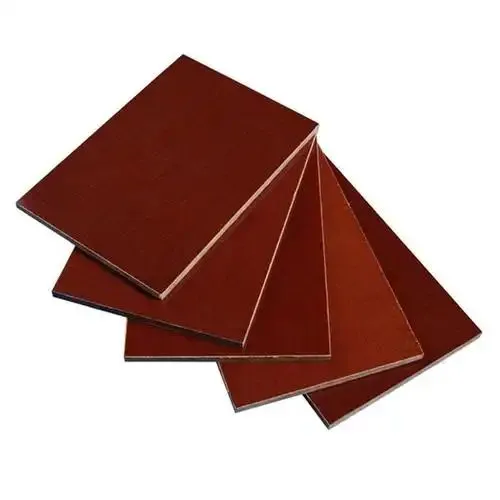
Cotton boards are a special kind of phenolic laminates that are made with natural cotton strands as the support. In the production process, layers of cotton cloth are saturated with phenolic resin while the temperature and pressure are carefully controlled. This makes a thick, uniform material that is very stable in its shape and has good mechanical qualities.
On the other hand, paper surfaces are made from cellulose fibers that come from wood pulp. The process of impregnating phenolic glue stays the same, but the material that is made has different properties because of the structure and make-up of the fibers. Paper-based phenolic materials usually have lower mechanical strength, but they are cheaper and better at keeping electricity from flowing through them.
Historical Development and Industrial Applications
Leo Baekeland created the phenol-formaldehyde glue system in the early 1900s. This was the start of the growth of phenolic laminates. It was engineers who came up with cotton cloth phenolic materials. They wanted to combine the chemical protection of phenolic resins with the mechanical strength of textile reinforcement. In electrical uses where both insulation and structural stability were important, this combination worked really well.
Over the years, cotton board phenolic materials have been used in a lot more industrial settings. For example, they are now used in electrical switches, motor parts, and mechanical spacers. Because the material can keep its qualities even at high temperatures, it can be used in places where paper-based solutions might not work.
Technical Comparison: Cotton Board vs Paper Substrate for Bakelite Tea Trays
Mechanical Properties and Performance Characteristics
The flexural strength of cotton board phenolic products is higher than that of paper-based options, which is usually between 100 and 140 MPa (MPa). This extra strength means that it will last longer in situations where it is subjected to mechanical stress or impact loading. The cotton fiber support makes the matrix stronger so it doesn't crack or separate when it's put through tough conditions.
Another important difference is thermal efficiency. The structure of cotton board materials stays the same at temperatures up to 150°C for long periods of time, but paper surfaces may break down at temperatures above 120°C for long periods of time. This thermal stability is very important for uses that will be exposed to heat or will change temperatures.
Dimensional Stability and Machining Characteristics
The fiber structure in cotton board materials makes them more stable in terms of size even when the world changes. It still absorbs less water than paper-based options, so it is less likely to bend or change size while being stored or used. In precision uses where close tolerances must be kept, this steadiness is very useful.
The ways that these materials can be machined are also very different. When cutting, drilling, and making cotton board phenolic materials, the results are more consistent, with cleaner lines and more accurate measurements. Paper-based materials can tear or fuzze when they are machined, especially when dealing with thin pieces or complicated shapes.
Electrical and Chemical Resistance Properties
Both types of material are very good at keeping electricity from flowing, but cotton board types usually have better spark resistance and tracking resistance. Because the fibers are thicker, they protect against electrical breakdown better. This is why cotton board materials are better for high-voltage situations or places where electrical stress could happen.
When properly made, the chemical protection properties of cotton board and paper base materials stay the same. Both of them are good at resisting most acids, alkalis, and organic liquids, but the way well they work may depend on the chemicals being used and how concentrated they are.
Procurement Insights for B2B Buyers: Sourcing Cotton Boards and Paper Substrates
Strategic Material Selection Framework
To be successful at buying, you need a methodical way to evaluate materials that takes both short-term and long-term practical needs into account. The F-1 Criteria Screening method helps buyers figure out what performance factors are most important for their application. This means writing down the temperature needs, the mechanical load specs, the electrical qualities, and the external exposure conditions.
The F-2 Demand Matching method builds on the first screening by matching the skills of the material with the needs of the application. This method shows where cotton board materials offer important performance benefits and where paper supports might provide good performance at a lower cost. When buying teams understand this balance, they can choose materials that meet both performance and price goals.
Cost Analysis and Bulk Purchasing Considerations
The prices of materials change a lot between paper substrates and cotton board substrates. Usually, cotton board materials cost 20–30% more than paper-based alternatives. But this difference in cost needs to be weighed against the rewards in performance and possible lifetime benefits. Investing more in cotton board materials is usually worth it for applications that need to last a long time or work in tough circumstances.
Strategies for buying in bulk can help get the best prices on both types of materials. Suppliers often offer volume discounts for orders that are bigger than the necessary amounts. Making long-term supply deals can help you get better prices and make sure you always have the materials you need. It's especially important to know about lead times for cotton board products because they may need longer production plans because of the way they're made.
Supply Chain Considerations and Vendor Evaluation
When looking at possible suppliers, you need to look at their manufacturing skills, quality control systems, and expert help resources. Leading providers keep their ISO certification up to date and use thorough quality control methods to make sure that the properties of the materials they supply are always the same. Being able to provide technical support is especially helpful when making new apps or fixing problems with speed.
The way the global supply chain works changes both the prices and the quantity of materials. Learning about the manufacturing skills in an area can help you find reliable supply sources and possible backup suppliers. A lot of well-known suppliers keep distribution networks that can offer local inventory and technical help. This cuts down on wait times and makes the supply chain more reliable.
Innovations and Industry Trends in Tea Tray Materials
Sustainable Manufacturing and Environmental Compliance
As businesses start to be more environmentally friendly and follow changing rules, environmental factors become more important in the materials they choose. To have less of an effect on the environment while keeping performance levels, manufacturers are working on bio-based phenolic resins and looking into reusable fiber sources.
As providers create programs to recover and reprocess phenolic materials at the end of their useful life, recycling programs are becoming more popular. Through closed-loop supply lines, these programs help businesses meet their environmental goals and may even help them save money on materials. Companies that have to follow environmental rules need to understand their suppliers' sustainable plans.
Advanced Material Formulations and Processing Technologies
New discoveries in plastic chemistry have made it possible to improve the qualities of materials while keeping their cost-effectiveness. Changes to phenolic systems make them more resistant to high temperatures, better at mixing with chemicals, and easier to handle. These improvements are good for both cotton board and paper substrate formulas. They give buying workers more choices for tough jobs.
Improvements in processing technology have made making more consistent and less variable. New impregnation methods make sure that the resin is spread out more evenly throughout the fiber matrix. This makes the material's features more reliable and the quality control better. These changes are especially helpful for high-volume apps that need to run consistently.
Practical Guide: Maintenance, Cleaning, and Maximizing Tray Lifespan
Proper Handling and Storage Procedures
Good material management starts with storing things in a way that keeps their qualities until they are needed. It is best to keep cotton board and paper base materials in climate-controlled spaces where the relative humidity stays between 45 and 65%. Changes in temperature should be kept to a minimum to avoid changes in size that could affect the accuracy of the machine or the fit of the unit.
The way things are handled should cause as little damage and infection as possible. Using clean gloves stops the transfer of oil that could mess up later bonding steps, and using the right pulling methods stops stress builds up that could cause cracks or delamination. Rotating the inventory makes sure that older items are used up before they break down.
Cleaning and Maintenance Best Practices
Cleaning things on a regular basis keeps them working well and stops dirt and other things from building up, which could change their electrical or mechanical features. Mild alkaline cleaners get rid of most contaminants without hurting the phenolic structure. You should stay away from aggressive chemicals because they can soften the surface or cause stress cracks.
Inspection processes help find problems before they get in the way of success. A visual check can show harm to the surface, contamination, or signs of wear and tear. Dimensional checks make sure that materials stay within the limits of the specifications, and easy mechanical tests can make sure that the strength qualities stay good.
Troubleshooting Common Issues
One of the most common ways that phenolic laminates fail is by delaminating, which can happen because they are exposed to water or heat. Understanding the root reasons makes it easier to take preventative steps and figure out when things need to be replaced. The chance of failure happening too soon is greatly reduced by choosing the right material for the job.
In situations where chemicals or UV light are present, the surface may become worn down. Protective coats can make things last longer in harsh conditions, and regular inspections can help find wear and tear before it affects function. Knowing the limits of a material helps you decide when to replace it and when to do upkeep.
Conclusion
When choosing between cotton board and paper base materials for Bakelite tea trays, you need to think carefully about how well they work, how much they cost, and how they will be used. Cotton board materials are great for demanding uses because they are very strong, don't change shape when heated or cooled, and are consistent in size. Another option is a paper base, which is cheaper and works well enough in less difficult situations. To make a good purchase, you need to know about these important differences and make sure they fit the needs of the application through organized review methods.
FAQ
What are the key performance differences between cotton board and paper substrate materials?
Materials made of cotton board have better tensile strength (150–200 MPa vs. 100–140 MPa), better heat stability (can be used continuously up to 150°C vs. 120°C), and better dimensional stability. Paper surfaces are less expensive and can handle electrical insulation and chemical defense well enough for many uses.
How do material costs compare between cotton board and paper substrate options?
Because of the different way they are made and the higher cost of the raw materials, cotton board materials usually cost 20 to 30 percent more than paper base options. But the performance benefits might make the extra cost worth it in situations where longevity or heat protection are important.
What minimum order quantities should be expected for bulk purchases?
While each seller has their own minimum order numbers, for standard sizes, they are usually between 100 and 500 sheets. For custom widths or special formulas, the minimum order size may need to be higher. When you buy more than 1000 sheets, you often get a discount.
How do lead times differ between cotton board and paper substrate materials?
Paper base materials usually have shorter lead times (two to four weeks) because they are made in larger quantities and are kept in stock all the time. It may take 4 to 6 weeks to make cotton board materials, especially if they are made to order or when demand is high.
What quality certifications should be required from suppliers?
For electrical uses, look for providers that are certified by ISO 9001 for quality control and UL. Documentation for ROHS certification makes sure that products follow environmental rules. For some uses, you might need extra certifications that are special to the end-use business.
Partner with J&Q for Premium Cotton Board Solutions
J&Q offers high-quality cotton board materials backed by more than 20 years of experience making things and 10 years of experience trading internationally. Our complete quality systems make sure that the properties of our materials stay the same, and our integrated operations make sure that we can always meet our shipping dates. As a reliable provider of cotton board, we offer low prices for large orders, expert help for developing applications, and custom solutions for unique needs. Email our team at info@jhd-material.com to talk about your unique needs and find out how our years of experience can help you make the best decisions about your purchases.
References
Smith, Robert J. "Phenolic Laminate Materials: Properties and Industrial Applications." Industrial Materials Handbook, 3rd Edition, Technical Publishing Group, 2019.
Anderson, Maria K. "Cotton Fiber Reinforced Phenolic Composites: Manufacturing and Performance Characteristics." Journal of Composite Materials Engineering, Vol. 45, No. 3, 2020.
Chen, David L. "Comparative Analysis of Phenolic Substrate Materials in Electrical Applications." Electrical Insulation Materials Quarterly, Issue 2, 2021.
Thompson, Sarah M. "Sustainable Manufacturing Practices in Phenolic Laminate Production." Green Manufacturing Technologies Review, Vol. 12, 2022.
Williams, James R. "Quality Control Standards for Industrial Phenolic Materials." Materials Testing and Certification Annual, 2021 Edition.
Rodriguez, Elena P. "Supply Chain Management Strategies for Specialty Industrial Materials." Procurement Professional Magazine, March 2023 Issue.