Insulation Boards in Power Battery Module Safety Design
2026-02-25 17:09:01
Insulation boards are very important in the safety design of power battery modules because they keep electricity from getting to other parts of the module and keep the temperature from rising too high, which stops catastrophic failures. These special materials make walls between battery cells that stop thermal runaway and keep the cells at the right temperature for operation. Modern battery modules need advanced insulation board technologies to meet strict safety standards and work reliably in a wide range of situations. This makes them essential for companies that need strong energy storage options.
Understanding Insulation Boards in Power Battery Modules
Insulation boards are the most important part of battery cell safety engineering. They protect against both temperature and electrical problems and have many different functions. These parts do two things: they keep electrical short circuits from happening between cells that are next to each other and they control how heat moves around the battery pack. By strategically placing insulation materials, thermal barriers are made that stop possible runaway events and keep the structure's stability in harsh circumstances.
Essential Functions in Battery Safety Systems
It's important to have advanced thermal control options for battery modules because they work in harsh circumstances. Insulation boards are great at controlling the temperature of a space by controlling the flow of heat and stopping dangerous temperature spikes. These materials keep their protective qualities even at very high and very low temperatures. This means that batteries will work the same way whether they are in the cold or the desert.
Insulation boards have the ability to keep proper voltage levels between battery parts and avoid arc formation. This safety is especially important during charging processes, when the electrical stress is at its highest. Modern insulation materials have great dielectric strength, able to handle thousands of volts while keeping small shapes that make the best use of space.
Material Categories and Performance Characteristics
Different types of insulation boards are used in modern battery uses; each one is designed to meet specific performance needs. Phenolic cotton sheets are very strong and stable in size, which makes them perfect for use as structural elements in battery cases. These materials don't change shape when they're under pressure, and their insulation features stay the same over long periods of time.
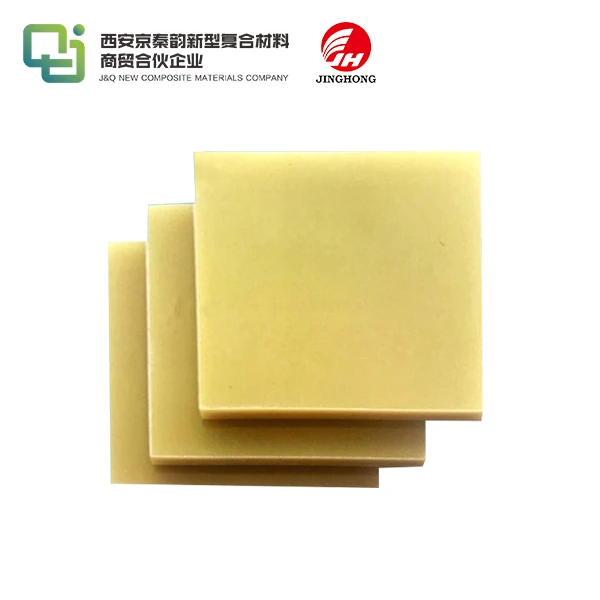
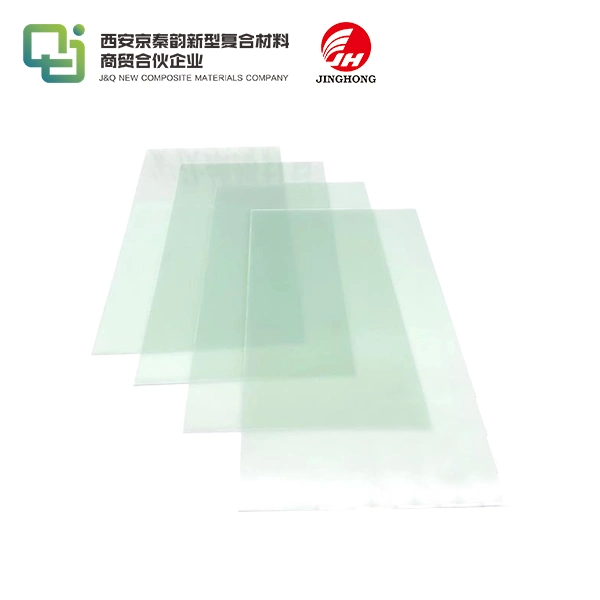
FR4 epoxy boards are very resistant to flames and are also very easy to machine, which lets makers make parts that are precisely made and fit the requirements. The structure that is reinforced with glass has great strength-to-weight ratios and stable electrical qualities. When you need complicated shapes or built-in mounting features, these boards are the best choice.
Ceramic fiber boards are cutting edge options for high-temperature situations because they can handle temperatures above 1000°C and still have low thermal transfer. In high-performance battery systems, where regular biological materials would break down quickly, these special materials are important.
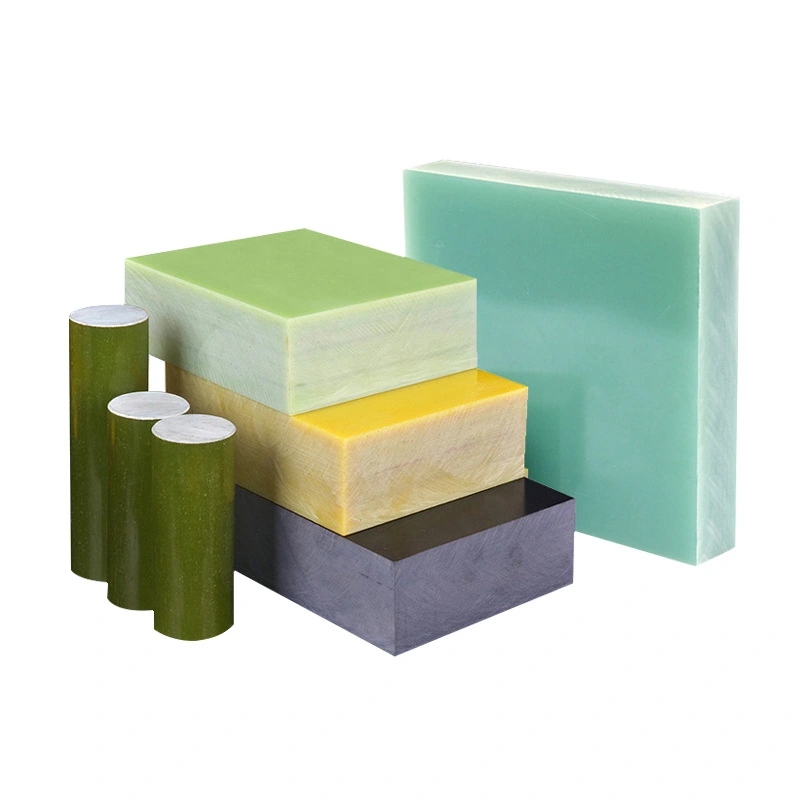
Critical Properties and Types of Insulation Boards for Battery Modules
The R-value number for an insulation board gives a standard way to measure heat resistance, which helps engineers figure out how thick of insulation they need for different uses. Higher R-values mean better heat protection, which lets profiles be smaller while still leaving enough room for error. This connection is very important for small cell designs where room limits the thickness of the material.
Thermal Performance and Fire Resistance
The R-value number gives a standard way to measure heat resistance, which helps engineers figure out how thick of insulation they need for different uses. Higher R-values mean better heat protection, which lets profiles be smaller while still leaving enough room for error. This connection is very important for small cell designs where room limits the thickness of the material.
The fire protection of insulation materials determines how they react to temperature changes inside battery cells. Materials that are UL-certified go through strict testing procedures that mimic how things would fail in the real world. These tests check how fast flames spread, how much smoke they make, and how strong the structure is when it's on fire. Materials that meet UL94 V-0 grades have self-extinguishing qualities that stop fires from spreading.
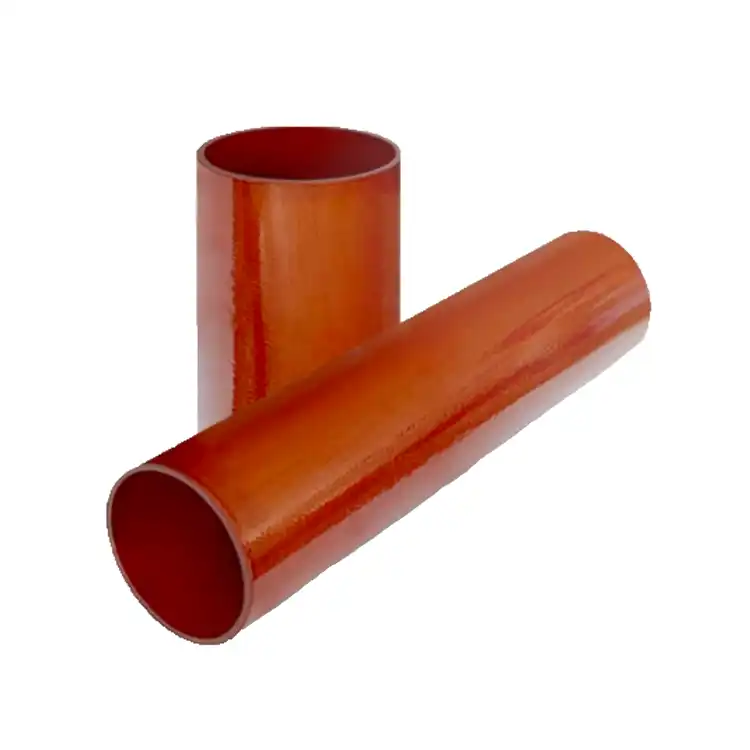
Bakelite sheets are great for uses that need to protect against both electricity and fire. The thermoset plastic structure stays stable in size even at high temperatures and keeps electricity from flowing through it. These materials don't break down chemically when they come in contact with battery fluids, and they keep their features over long service cycles.
Mechanical Strength and Processing Characteristics
Ratings for compressive strength show how well shielding materials work when they are put under mechanical stress in battery systems. High-strength materials keep their width even when they are compressed, which means they can protect against heat for the whole life of the battery. In car uses, where vibration and impact forces can weaken materials, this trait becomes very important.
CNC machinability makes it possible to make complicated insulating parts with very tight tolerances for size. Materials that are great for machining make it possible to make unique forms at a low cost while keeping the quality high. This feature makes it possible to make fast prototypes and small batches for specific uses.
Chemical resistance keeps shielding materials from breaking down when they come in contact with battery fluids or cleaning solvents that are used in the manufacturing process. When introduced to lithium-based electrolytes, compatible materials keep their qualities, which keeps them from breaking down too soon or putting safety at risk.
Installation and Integration of Insulation Boards in Power Battery Modules
When installed correctly, insulation boards provide the most safety benefits for the entire duration of a battery cell. Surface preparation is a key part of getting insulation materials and battery parts to stick together reliably. Surfaces that are clean, dry, and free of contaminants are best for bonding and won't come apart when heated and cooled.
Best Practices for Optimal Performance
When choosing an adhesive for insulation board, it's important to make sure that the joining agents and both base materials are chemically compatible. Adhesives that are thermally conductive can help heat escape while keeping electrical connections safe, making mixed thermal management options possible. These special bonding agents harden at room temperature, which keeps sensitive battery parts from getting damaged by heat during assembly.
Gap control methods stop thermal bridging, which could make insulation less effective. Consistent space between parts makes sure that the heat resistance is the same across all insulator barriers. With precision cutting tools, you can make lines that are smooth and fit perfectly against neighboring surfaces. This gets rid of any air gaps that could make thermal protection less effective.
Through thermal imaging and electrical testing methods, quality control procedures make sure that the work was done right. These checks find any possible installation flaws before the final assembly. This stops problems in the field that could put battery safety at risk. Troubleshooting and efforts to make things better all the time are helped by writing down the startup settings.
Integration with Battery Management Systems
Sensors built into modern battery units keep an eye on temperature differences that happen between insulation walls. This information helps improve methods for managing heat and gives early warnings of possible heat events. Insulation materials need to be able to fit where sensors are placed without losing their ability to protect.
Phase-change materials that soak up extra heat during thermal events are used in smart insulation systems. These advanced composites keep temperatures stable by absorbing latent heat. This gives them extra safety gaps in case of abnormal working conditions. To get the best placement and amount of materials, careful temperature modeling is needed for the assembly.
Real-life case studies from top electric car makers show how incorporating the right insulation can lower the risks of heat spreading. Tesla's battery pack designs use several insulation layers with various thermal qualities. This creates graduated thermal protection that keeps the general pack integrity while containing thermal events. Similar methods work well in a number of different energy uses.
How to Choose the Right Insulation Board for Your Power Battery Module?
To choose the right materials, you need to carefully look at their safety certifications, performance requirements, and the supplier's abilities. UL certification makes sure that materials meet set safety standards for use in electrical applications, and ISO certifications make sure that quality control systems are always the same. With these qualifications, you can be sure that the material will work well in tough circumstances.
Certification Requirements and Quality Standards
RoHS compliance for insulation board makes sure that materials don't have any harmful chemicals that could hurt people or the environment when they are made or thrown away. As concerns about environment play a bigger role in buying choices, this certification becomes more important. Manufacturers need to make sure that the compliance paperwork covers all of the material's parts and tools for handling.
Cost-performance analysis compares the costs of materials to their expected useful life and safety benefits. Costs are often justified by longer service times and less upkeep needs with higher-performance materials. The total cost of ownership should take into account the possible legal fees that come with safety problems.
In addition to the properties of the materials, other things that are looked at when judging a supplier are their production skills, quality processes, and how reliable their delivery is. Supply chain risks are lower when you buy from providers that have been around for a while and have a good track record. Technical support helps choose the best materials and apply them in the best way.
Supplier Partnerships and Customization Options
Samples are available so that materials can be tested and confirmed before big orders are placed. Comprehensive testing programs make sure that the materials work with certain cell types and under certain situations. This validation method lowers the risks of execution and improves the choice of materials.
Customization lets you meet the specific needs of each application by changing formulas or using different processing methods. Custom thickness choices provide the best heat protection while taking up the least amount of room. Cutting services that are specialized can make complicated forms that fit perfectly with designs for battery modules.
Delivery flexibility works with different production plans and ways of managing goods. Reliable sellers keep enough stock on hand and offer faster delivery choices for those who need them right away. Just-in-time delivery cuts down on stocking costs and makes sure that materials are available when they are needed.
Future Trends and Innovations in Insulation Boards for Battery Safety
Advanced material methods are always changing to keep up with the performance needs of next-generation battery systems. Adding nanomaterials improves control over thermal conductivity while keeping the great electrical insulation qualities. Because of these changes, insulation shapes can be smaller without lowering safety standards.
Emerging Technologies and Smart Materials
Aerogel-enhanced insulation boards are very light and don't conduct heat at all, which makes them perfect for improving the energy efficiency of battery packs. These advanced composites have temperature conductivities that are close to those of static air, and they can withstand dynamic stress without losing their structural integrity. As the cost of making these high-end products goes down, they become more practical for large-scale uses.
Adding phase-change materials gives you dynamic thermal control tools that change instantly when the temperature does. During thermal events, these smart materials soak up extra heat. During normal operation, they release the energy they've saved. The self-regulating behavior makes things safer without the need for active control systems.
Recycling insulation materials takes care of environmental issues related to old electronics while still meeting performance standards needed for battery safety uses. Bio-based plastics made from renewable resources work just as well as standard materials but are better for the environment. These environmentally friendly options help companies with their recycling efforts without lowering safety standards.
Environmental Compliance and Sustainability
Green manufacturing methods keep quality standards high while reducing the damage that materials make to the earth. Using methods of making that don't use solvents gets rid of volatile organic compound pollution and lowers the risks for workers. These methods that care about the environment are in line with growing government rules and business responsibility programs.
Insulation materials that can be recycled and used again after they've been used are made with circular economy concepts in mind. Mechanical recycling methods get useful materials back while lowering the amount of trash that needs to be thrown away. Chemical recycling technologies break down complicated polymers into building blocks that can be used to make new insulating goods.
Life cycle review methods look at the full effect on the world from getting the raw materials to throwing them away at the end. These thorough studies find ways to improve things and help people make smart decisions about which materials to use. Calculating a material's carbon footprint helps to measure how much better material choices help the world.
Conclusion
Insulation boards are very important for the safety design of power battery modules because they protect against heat and electricity, which keeps breakdowns from being too bad. When choosing a material, it's important to think about its thermal qualities, fire protection, mechanical strength, and certification needs. Using the right fitting methods and working with the right suppliers will ensure that batteries work at their best for their entire lives. New technologies offer better abilities while also solving worries about the environment. Understanding the unique needs of the application and working with experienced suppliers who offer full technical help are key to a successful implementation.
FAQ
What are the most important properties to consider when selecting insulation boards for battery modules?
The most important qualities for battery insulation are its ability to transfer heat, its fire resistance grade, its dielectric strength, and its mechanical stability. The UL94 V-0 fire grade makes sure that the fire will go out on its own, and the low thermal conductivity stops heat from moving around without being wanted. When the dielectric strength is above 15 kV/mm, it's enough to keep electricity from flowing through most battery uses.
How do I determine the required thickness for insulation boards in my battery design?
How thick something is is based on how much thermal protection it needs, how much room it has, and safety gaps. Thermal modeling software helps find the best thickness by calculating the fastest rate of heat generation and the highest temperature rise that is allowed. For most household uses, a thickness of 2 to 5 mm is enough to protect them, but industrial systems may need a thickness of 10 mm or more.
What certifications should I look for when purchasing insulation boards for battery applications?
UL approval for electrical parts, RoHS compliance for safety around the environment, and ISO 9001 certification for quality management are all necessary. Sometimes, extra certifications like IEC 60950 for IT tools or UN 38.3 for transportation safety may be needed, based on the situation.
Partner with J&Q for Superior Insulation Board Solutions
J&Q sells high-quality insulation boards that are designed to keep power batteries safe. These boards combine improved thermal protection with reliable electrical separation. We have been making insulation materials for over twenty years, so you can be sure that the quality and efficiency will always be the same. Email our expert team at info@jhd-material.com to talk about your unique needs and get suggestions that are tailored to them. As a reliable manufacturer of insulation boards, we offer full support from choosing the materials to putting them in place. Our integrated operations make shipping around the world easy.
References
International Electrotechnical Commission. Safety Requirements for Secondary Lithium Cells and Batteries for Use in Industrial Applications. IEC 62619:2017.
Zhang, L., Wang, M., & Chen, K. Thermal Management Materials for High-Energy Battery Systems: Performance Analysis and Selection Criteria. Journal of Power Sources, 2023.
National Fire Protection Association. Standard for Electrical Safety in the Workplace. NFPA 70E:2021.
Liu, H., Zhang, Y., & Thompson, R. Advanced Insulation Technologies for Next-Generation Battery Safety Systems. Energy Storage Materials Review, 2022.
Underwriters Laboratories. Standard for Safety of Insulation Coordination Including Clearances and Creepage Distances for Electrical Equipment. UL 840:2020.
Battery Safety Council. Best Practices for Thermal Management in Lithium-Ion Battery Systems: Design Guidelines and Material Selection. Technical Report BSC-2023-01.