
What Machine is Used to Cut Epoxy Boards?
2026-02-25 17:08:58
Cutting epoxy boards needs special tools that are made to work with the unique qualities of these composite materials. CNC routers, diamond blade saws, waterjet cutters, and laser cutting tools are some of the most popular machines used. Each has different benefits that depend on the needs of your program. CNC routers are very accurate for cutting complicated forms, and diamond blade saws make clean, quick cuts for a range of sizes. The choice relies on things like the width of the material, the level of accuracy needed, the amount of production, and the budget.
Understanding Epoxy Boards and Their Cutting Challenges
As a result of their long longevity, chemical resistance, and structural stability, epoxy boards are high-tech composite materials that have changed many industries. These designed materials are used in a lot of different ways, like in electrical insulation systems, PCB boards, motor parts, and protective panels, all of which need to be reliable.
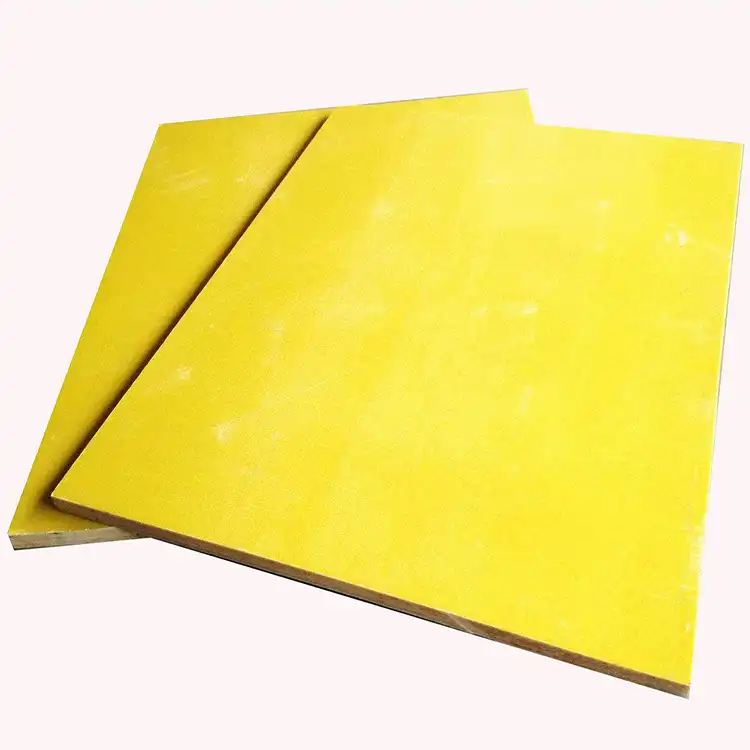
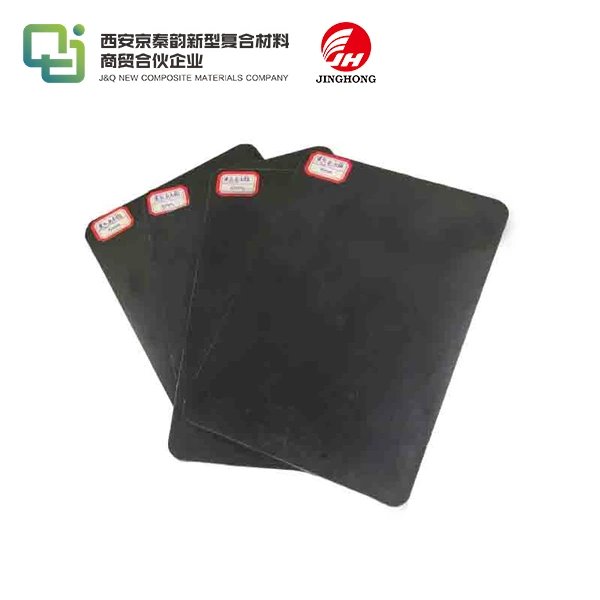
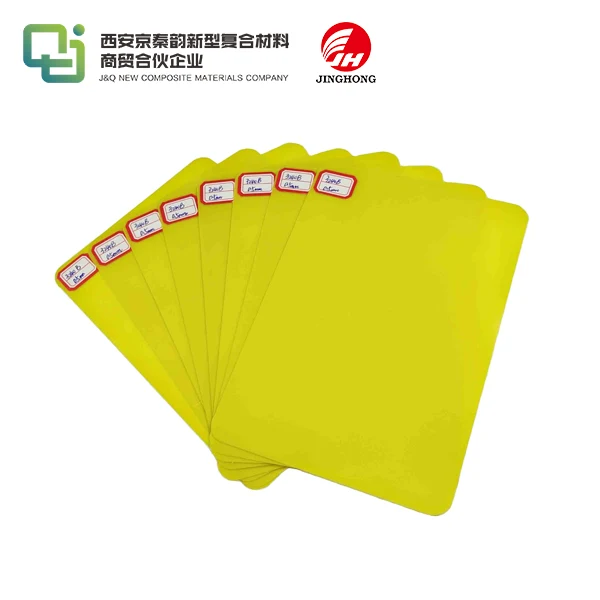
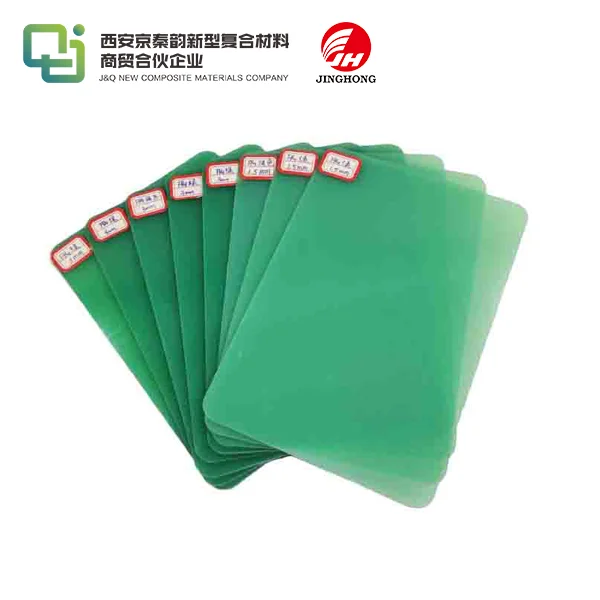
Polyester cloth or paper surfaces that are saturated with thermosetting epoxy resins make up the basic structure of epoxy resin boards. This mix makes materials with high dielectric strength, usually between 14 and 20 kV/mm, which makes them perfect for electrical uses. The temperature at which the material turns into glass is usually higher than 130°C. This makes it stable under conditions of high thermal stress that would break down lesser materials.
Precise layering methods are used in manufacturing processes, where multiple base layers are compressed under controlled temperature and pressure. This means that the density can be anywhere from 1.7 to 2.1 g/cm³, based on the grade and the purpose of the concrete. FR4 grades are common because they don't catch fire, G10 grades are common for industrial uses, and 3240 epoxy boards are common for high-temperature areas.
Epoxy resins that have hardened naturally are very difficult to machine because they are so brittle. Unlike softer materials that bend when cut, epoxy boards tend to break along stress lines that are hard to predict. This can lead to edge chipping, layer separation, or total failure of the material. As the thickness of the material goes above 10mm, these failure modes become more obvious.
Taking temperature into account adds another level of difficulty to the cutting process. Too much heat during cutting can soften the epoxy matrix in some places, which can result in a rough surface finish and wrong measurements. The glass fiber reinforcement and epoxy matrix have different coefficients of heat expansion. This creates internal pressures that can show up as microcracks if the wrong cutting methods are used.
Machines Commonly Used to Cut Epoxy Boards
To choose the right cutting equipment, you need to know how the different technologies affect the properties of epoxy board. Modern factories use a variety of cutting methods, each one best suited to the needs of the production and quality standards.
It has become clear that CNC turning is the best way to cut epoxy laminates precisely in high-volume industrial settings. These computers-controlled tools use carbide or diamond-coated cutting bits that work at speeds between 18,000 and 24,000 RPM to make clean cuts with little heat production.
The best thing about CNC systems for epoxy board is that they can be programmed to make complicated shapes that are the same from one production run to the next. Modern CNC routers have dust collection systems that collect the small bits that are made when the wood is cut. This helps keep the workplace safe and cuts down on material loss. Tool path optimization software makes sure that the right amount of material is used while keeping limits close, usually within ±0.1mm.
Automatic tool changes are common in modern CNC machines that let processes run in order without any help from a person. This feature is especially useful when making parts that need to be cut at different levels or with different profiles. Vision systems built in let you check the quality in real time, and they can automatically change the cutting settings based on changes in the material or the way the tools are worn down.
When it comes to cutting epoxy board of different thicknesses, diamond blade technology is the most flexible. Industrial diamond bits are joined to steel cores in these special blades using either sintered metal or resin bond matrices. Different types of bonds are used depending on the cutting needs and the stiffness of the material.
When speed and efficiency are more important than complicated shapes, circular diamond saws are the best tool for cutting in a straight line. Diamond blade systems that are fixed on a table give you great control for precise work, especially when cutting smaller parts or samples. The cooling systems built into these machines keep the blades from getting damaged by heat and make them last a lot longer than blades used in traditional cutting methods.
Diamond blade systems that are cooled by water cut more slowly but create better results on the surface with less post-processing needed. The constant cooling keeps heat from building up, which could otherwise lead to problems with epoxy cracking or delamination. Diamond grit size, concentration levels, and bond strength that are matched to specific epoxy board grades are some of the things that are used to choose a blade.
When cutting thick epoxy boards where thermal effects must be totally removed, high-pressure waterjet devices are the only way to go. Operating pressures generally range from 60,000 to 90,000 PSI, and abrasive bits (usually garnet) are added to make cutting through composite materials more efficient.
The cold cutting process that is built into waterjet technology stops any heat-affected zones that might damage the properties of the material near the cut edges. This is very important for precise electronic uses that need the cutting process to not change the electrical qualities or the stability of the dimensions. Waterjet devices can cut through materials up to 150 mm thick and keep the quality of the edges the same as when they are finely ground.
Because specialty epoxy boards are pretty expensive, programming freedom lets you use complicated nesting designs that get the most out of the material. Because the tools don't wear out, there are no worries about measurement drift during long production runs. This makes waterjet cutting perfect for important jobs where quality must be maintained.
How to Choose the Best Cutting Machine for Your Epoxy Board Needs?
When choosing a strategic machine, you need to carefully look at a lot of different things that affect both the cutting performance right away and the long-term operating efficiency. To get the best return on equipment purchases, engineering managers and procurement workers need to carefully consider these factors.
When freedom is more important than speed for epoxy board, manual or semi-automatic cutting methods are usually better for making prototypes or custom items in small quantities. CNC cutters with smaller work areas are very flexible and don't cost too much, making them great for R&D projects. Being able to quickly change the cutting lines makes it possible for design changes that happen a lot during the product development process.
For settings with a lot of production, you need automatic systems that can run all the time with little help from a person. When used in factories, CNC machines that can automatically load and unload parts can work on hundreds of parts per shift while still meeting quality standards. Using statistical process control systems together makes sure that quality problems are found quickly, before they affect a lot of finished things.
Due to their propensity to shake during cutting operations, thin epoxy boards under 3 mm thick present special challenges. High-speed CNC machines with air hold-down systems hold the work securely while reducing material distortion. Vacuum table systems spread the gripping forces evenly across the surface of the object. This stops stress from building up in one place, which could lead to breaking.
For parts that are thicker than 25 mm, you need cutting systems that are strong and rigid enough to keep their accuracy throughout the whole cutting depth. Heavy-duty waterjet systems work best in these situations because they cut accurately no matter how thick the material is. Since there are no cutting forces, there are no worries about the part moving or the attachment not being strong enough, which can happen with other cutting methods.
A full cost study must include the initial investment in tools, ongoing running costs, and secondary costs like problems with quality or delays in production. CNC cutter systems usually have lower starting costs, but they need to have their spindles maintained on a regular basis and cost money for tools. Diamond blade systems are very cost-effective for cutting in a straight line, but they can't handle complex shapes like CNC systems can.
Due to the need to maintain a high-pressure pump and the use of abrasives, waterjet cutting has higher running costs. But because the edges are so good, extra finishing steps are often not needed, which lowers the overall cost of processing. Different cutting methods require very different amounts of work. For example, fully automatic systems need very little human care compared to manual cutting methods.
Best Practices for Cutting Epoxy Boards Safely and Efficiently
By following the right cutting procedures, you can be sure of consistent quality results and safe working circumstances. These methods were created by combining a lot of experience in the field with science research on how composite materials are cut.
Cleaning the surface well is the first step in properly preparing the material. This gets rid of any contaminants that might affect the quality of the cut or cause the tool to wear out faster than expected. Isopropyl alcohol cleans well without leaving behind residues that could get in the way of the next steps in the process. A visual review of the material should find any flaws that can be seen, such as holes, delamination, or surface irregularities that might affect how well it cuts.
Fixturing plans need to find a mix between keeping work safe and making it easy to cut. Vacuum clamps are good for flat parts, but they need extra support to keep the material from deflecting when cutting. Mechanical clamps hold things securely, but they need to be placed so that they don't get in the way of tool tracks. Sacrifice backings keep exit chips from chipping and keep machine tables from touching cutting tools by mistake.
Spindle speeds need to be carefully adjusted based on the type of material and the shape of the cutting tool. Too fast of speeds can make heat that can soften epoxy, and too slow of speeds could lead to a bad finish on the surface or more tool wear. Feed rates and spinning speeds need to be matched so that the right chip loads are maintained. This lets the material be removed efficiently without overworking the cutting edge.
Both output and quality are affected by the depth of the cut. Shallow cuts use less force and heat, but you have to make more than one pass to finish thick parts. Deep cuts make things more efficient, but they can cause thin materials to bend too much or smaller cutting tools to become overloaded. For complicated shapes, progressive cutting techniques often strike the best balance between speed and quality.
Using cooling systems for epoxy board is necessary to keep cutting tools working well and keep the quality of the workpieces. Mist coolant systems cool things down well while using as little fluid as possible and needing as little cleanup as possible. For heavy cutting tasks, flood coolant systems work better because they can cool better, but they need full chip management systems to keep the work area clean.
There should be both in-process tracking and final inspection processes in dimensional verification routines. Coordinate measure tools give you a full picture of the dimensions, but they might not work well in places where a lot of things need to be made. Portable measure tools are very useful for checking important dimensions on the spot during production runs.
When specific finish standards are needed for important uses, surface quality assessment includes both visual inspection and quantitative roughness measurement. Edge quality is especially important in electrical uses where rough or sharp edges could cause the electricity to break down at high voltages. To find minor layer separations that might not be obvious at first glance, delamination inspection needs to be carefully looked at in the right lighting circumstances.
Partner with Trusted Epoxy Board Suppliers and Cutting Equipment Providers
For epoxy board processing businesses to be successful, they need to build trusting relationships with suppliers who know the technical needs and quality standards of current industry uses. These partnerships are more than just a way to get materials. They also include technical help, the ability to make changes, and quick service that keeps production going smoothly.
When you work with certified providers, you can be sure that the quality of the materials you get will always meet foreign standards like UL, ROHS, and IEC. These approvals give people faith that the materials will work well in tough situations where failure could put people in danger or cost a lot of money. Quality management systems that meet ISO 9001 standards show that a company is dedicated to always getting better and making customers happy.
As supply chain rules get stricter in many businesses, being able to track materials becomes more and more important. Leading providers keep a lot of records that show where the raw materials come from, how they are processed, and when the finished product is delivered. This paperwork is very helpful when regulatory compliance checks need specific information on where a material came from or when quality investigations need to find product lots that might be affected.
Progressive providers offer combined solutions that include providing materials as well as advice on choosing cutting equipment, tools, and ways to improve the process. This all-around method makes it easier to add new cutting powers while also making sure that materials and processing equipment work well together. Technical support services help fix problems with cutting, make sure that settings are set up correctly for new uses, and train people who work in production.
Customization lets suppliers make materials that fit the needs of a specific application, instead of making buyers change their designs to fit standard goods that are on the market. Custom thickness standards, special surface treatments, and non-standard measurements can make production much more efficient while cutting down on waste. Sample programs let you try out new materials or ways of cutting before making big decisions about buying them all.
Conclusion
To choose the right cutting machine for epoxy boards, you need to carefully think about the features of the material, the production needs, and the quality standards. When it comes to complex shapes, CNC cutters are very flexible, while diamond blade saws are great for making straight cuts. When heat effects need to be avoided, waterjet systems work great, and laser cutting can be used for specific tasks even though some materials are too sensitive. To be successful, you need to make sure that the machine's powers match the needs of the production while also following the right cutting procedures to keep quality high and workers safe.
FAQ
What type of saw blade works best for cutting epoxy boards?
When cutting epoxy boards, the best results come from using diamond-coated blades that are made for composite materials. Standard wood-cutting blades aren't hard enough to keep their cutting edges sharp, and they often chip or delaminate too much. It takes less work to clean up the sides of diamond blades after they're used, and they keep cutting well for longer.
Can regular woodworking tools cut epoxy resin boards effectively?
When cutting epoxy board, most regular woodworker tools won't work because the material is too hard and rough. When cutting fiberglass-reinforced concrete, regular steel blades get dull quickly, so the cuts aren't very good and the blades need to be replaced often. When cutting epoxy, you need to use different methods than when cutting wood because epoxy is very fragile.
How thick can waterjet systems cut epoxy boards?
Professional waterjet cutters can cut epoxy boards that are up to 150 mm thick while keeping the edges in great shape across the whole length. When cutting big pieces, the cold cutting method keeps them from getting damaged by heat, which could happen with other methods. Cutting speed slows down as the material gets thicker, but quality stays the same no matter how thick the material is.
What safety precautions are necessary when cutting epoxy materials?
Proper airflow systems are needed to get rid of the floating particles that are made when cutting. Protecting your lungs from fine composite dust and your eyes from moving particles is called respiratory protection. When using high-speed cutting tools for long amounts of time, hearing protection is needed.
How often should cutting tools be replaced or maintained?
How often you need to change a tool depends on how much it cuts, how hard the material is, and how it is being used. Diamond blades should be inspected every 40 to 50 hours of cutting and replaced if there are signs of wear or if the quality of the cuts is getting worse. Depending on the cutting settings and how rough the material is, CNC router bits may need to be replaced more often.
Contact J&Q for Professional Epoxy Board Solutions
With over 20 years of experience making things and a lot of technical knowledge, J&Q is ready to help you with your epoxy board cutting needs. Our skilled staff offers one-on-one consultations to help you choose the best cutting options for your unique production needs and quality standards. We have reasonable prices on high-quality epoxy board materials and offer expert help to make sure that cutting processes go smoothly. Get in touch with us at info@jhd-material.com to talk about your needs and find out how our unified approach as a top epoxy board provider can simplify your purchases and boost your business's efficiency.
References
Smith, Robert A. "Composite Material Machining: Principles and Applications." Industrial Manufacturing Technology Review, 2023.
Johnson, Michael K. "Diamond Tool Technology for Advanced Composite Cutting." Precision Manufacturing Journal, 2022.
Williams, Sarah L. "Waterjet Cutting of Fiber-Reinforced Plastics: Process Optimization and Quality Control." Manufacturing Engineering Quarterly, 2023.
Chen, David P. "CNC Routing Techniques for Electrical Insulation Materials." Electronic Manufacturing Technology, 2022.
Thompson, Jennifer R. "Safety Protocols in Composite Material Processing." Industrial Safety and Health Management, 2023.
Anderson, Mark T. "Economic Analysis of Cutting Technologies for Industrial Laminates." Production Economics Review, 2022.
 拷贝_1764314565411.jpg)
_1764832732545.jpg)
