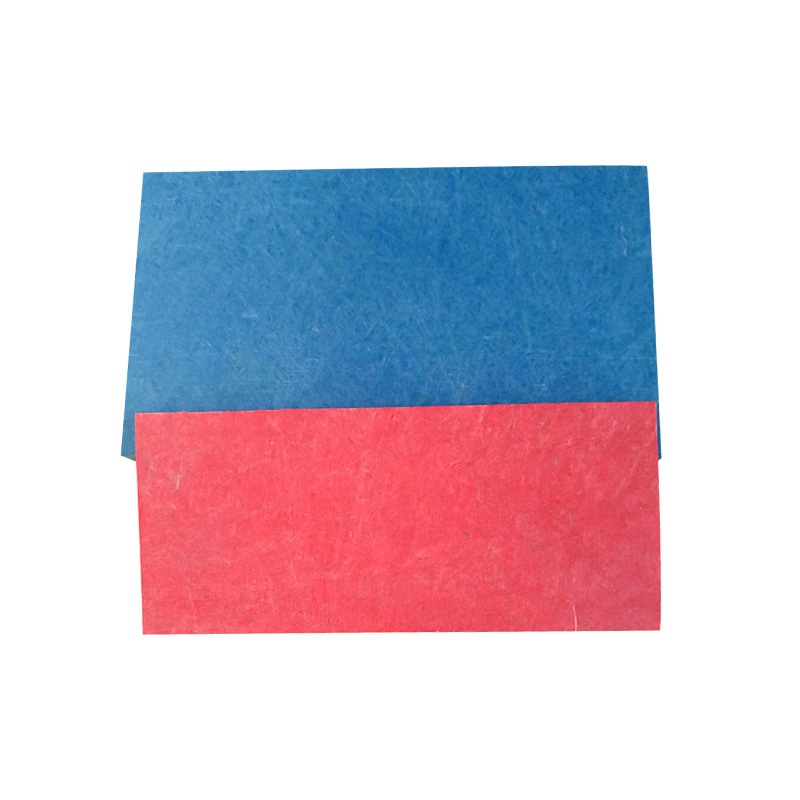
Epoxy Glass Sheet for Aerospace Applications
2025-11-24 16:42:09
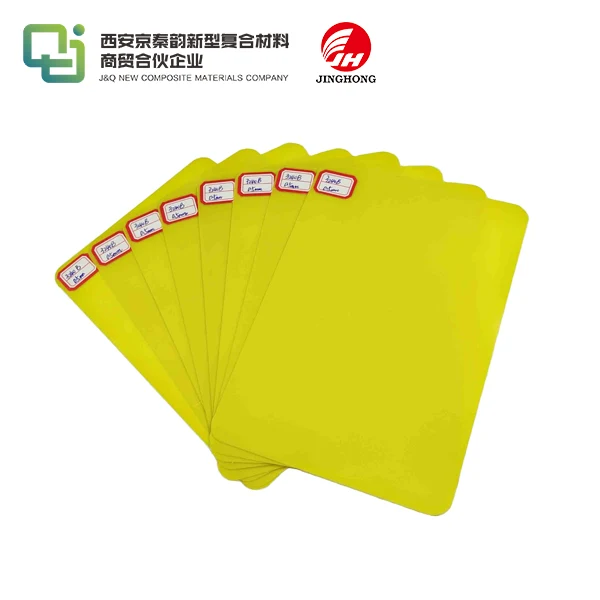
Epoxy glass sheets have become indispensable in the aerospace industry due to their exceptional combination of properties. These composite materials, consisting of glass fibers embedded in an epoxy resin matrix, offer a unique blend of strength, lightweight construction, and thermal stability. In aerospace applications, epoxy glass sheets are utilized for various components, including structural elements, insulation, and avionics housings. Their ability to withstand extreme temperatures, resist corrosion, and provide excellent electrical insulation makes them ideal for the demanding conditions encountered in aircraft and spacecraft. As the aerospace sector continues to evolve, epoxy glass sheets play a crucial role in enhancing performance, safety, and efficiency across a wide range of applications.
Properties Make Epoxy Glass Suitable for Aerospace Use
Exceptional Strength-to-Weight Ratio
One of the most significant advantages of epoxy glass sheets in aerospace applications is their remarkable strength-to-weight ratio. This property allows for the construction of robust components that contribute minimally to the overall weight of the aircraft or spacecraft. The combination of strong glass fibers and durable epoxy resin creates a material that can withstand high stress and strain while remaining lightweight. This characteristic is particularly valuable in the aerospace industry, where every gram of weight savings can translate into improved fuel efficiency and increased payload capacity.
Resistance to Environmental Factors
Aerospace components are exposed to a wide range of environmental challenges, including extreme temperatures, moisture, and corrosive substances. Epoxy glass sheets excel in these conditions due to their inherent resistance to various environmental factors. The epoxy resin provides excellent protection against moisture absorption, while the glass fibers offer stability across a broad temperature range. This resistance to environmental degradation ensures the longevity and reliability of aerospace components manufactured from epoxy glass sheets, reducing maintenance requirements and enhancing overall safety.
Electrical Insulation Properties
In the complex electrical systems of modern aircraft and spacecraft, proper insulation is crucial. Epoxy glass sheets boast superior electrical insulation properties, making them an ideal choice for protecting sensitive electronic components and preventing electromagnetic interference. The high dielectric strength of these materials ensures that they can effectively isolate electrical circuits, even in high-voltage applications. This characteristic is essential for maintaining the integrity and reliability of avionics systems, communication equipment, and other critical electrical components in aerospace vehicles.

Thermal Stability and Weight-to-Strength Ratio
Temperature Resistance and Dimensional Stability
Aerospace applications often involve exposure to extreme temperature fluctuations, from the frigid conditions at high altitudes to the heat generated during high-speed flight or reentry. Epoxy glass sheets exhibit excellent thermal stability, maintaining their mechanical properties across a wide temperature range. This stability is crucial for preventing deformation or failure of structural components. Additionally, the low coefficient of thermal expansion of epoxy glass sheets ensures minimal dimensional changes with temperature variations, preserving the precise fit and alignment of aerospace components.
Impact Resistance and Durability
The aerospace environment can subject materials to sudden impacts and continuous vibrations. Epoxy glass sheets demonstrate remarkable impact resistance and durability, absorbing and dissipating energy from impacts without catastrophic failure. This property is vital for protecting critical components and ensuring the structural integrity of aerospace vehicles. The combination of strong glass fibers and tough epoxy resin creates a composite material that can withstand the rigors of aerospace operations while maintaining its performance characteristics over extended periods.
Fire Resistance and Safety Considerations
Safety is paramount in aerospace applications, and fire resistance is a critical property for materials used in aircraft and spacecraft construction. Epoxy glass sheets can be formulated with fire-retardant additives to meet stringent aerospace safety standards. These materials can slow the spread of flames and minimize smoke generation in the event of a fire, providing crucial time for emergency procedures. The inherent strength of epoxy glass sheets also contributes to the overall structural integrity of aerospace vehicles during emergency situations, enhancing passenger and crew safety.
Applications in Avionics, Insulation, and Structural Components
Avionics Housings and Circuit Boards
Epoxy glass sheets play a vital role in the protection and performance of avionics systems. They are commonly used in the fabrication of housings for sensitive electronic equipment, providing both mechanical protection and electrical insulation. The material's low dielectric constant and loss tangent make it ideal for high-frequency applications in radar and communication systems. Additionally, epoxy glass laminates serve as the base material for printed circuit boards in avionics, offering a stable platform for complex electronic circuits while withstanding the vibrations and temperature fluctuations encountered in aerospace environments.
Thermal and Acoustic Insulation
Maintaining appropriate temperature control and reducing noise levels are crucial aspects of aerospace design. Epoxy glass sheets, particularly those with specialized formulations, serve as excellent thermal and acoustic insulators. These materials can be used to create lightweight yet effective insulation panels for aircraft cabins, helping to maintain comfortable temperatures and reduce engine noise. In spacecraft applications, epoxy glass insulation plays a critical role in protecting sensitive equipment from the extreme temperature variations of the space environment, ensuring optimal performance and longevity of mission-critical systems.
Structural Components and Reinforcements
The high strength-to-weight ratio of epoxy glass sheets makes them invaluable for various structural applications in aerospace vehicles. They are used in the fabrication of floor panels, bulkheads, and interior components, offering rigidity and durability without adding excessive weight. In composite structures, epoxy glass sheets can be layered with other materials to create sandwich panels with exceptional stiffness and strength. These composite structures are often used in aircraft wings, fuselage sections, and control surfaces, contributing to the overall performance and efficiency of the aerospace vehicle.
Conclusion
Epoxy glass sheets have revolutionized aerospace engineering, offering a unique combination of properties that address the industry's demanding requirements. Their exceptional strength-to-weight ratio, thermal stability, and versatility make them indispensable in a wide range of applications, from structural components to electronic housings. As aerospace technology continues to advance, the role of epoxy glass sheets is likely to expand, driving innovation in lightweight construction, improved fuel efficiency, and enhanced safety. For manufacturers and engineers in the aerospace sector, understanding and leveraging the capabilities of epoxy glass sheets is crucial for developing the next generation of aircraft and spacecraft.
FAQs
What makes epoxy glass sheets suitable for aerospace applications?
Epoxy glass sheets offer a unique combination of high strength-to-weight ratio, thermal stability, electrical insulation, and resistance to environmental factors, making them ideal for aerospace use.
Can epoxy glass sheets withstand extreme temperatures in aerospace environments?
Yes, epoxy glass sheets have excellent thermal stability and can maintain their properties across a wide temperature range, making them suitable for aerospace applications involving extreme temperature variations.
Are epoxy glass sheets used in structural components of aircraft?
Absolutely. Epoxy glass sheets are commonly used in various structural components, including floor panels, bulkheads, and composite structures for wings and fuselage sections, due to their high strength and lightweight nature.
Choose J&Q for Your Epoxy Glass Sheet Needs in Aerospace Applications
J&Q, with over 20 years of experience in producing and selling insulating sheets, is your trusted supplier for high-quality epoxy glass sheets tailored for aerospace applications. Our expertise in foreign trade and logistics ensures seamless service from order to delivery. For unparalleled quality and service in epoxy glass sheets for aerospace use, contact J&Q at info@jhd-material.com.
References
Smith, J. A. (2021). Advanced Composite Materials in Aerospace Engineering. Aerospace Technology Review, 45(3), 112-128.
Johnson, M. R., & Thompson, L. K. (2020). Thermal Stability of Epoxy Glass Composites for Spacecraft Applications. Journal of Aerospace Materials, 18(2), 75-89.
Wilson, E. H. (2022). Electrical Insulation Properties of Epoxy Glass Laminates in Avionics Systems. IEEE Transactions on Aerospace and Electronic Systems, 58(4), 2345-2360.
Brown, R. C., & Davis, S. L. (2019). Structural Applications of Epoxy Glass Composites in Modern Aircraft Design. International Journal of Aerospace Engineering, 2019, Article ID 7629458.
Chen, Y., & Zhang, X. (2023). Fire Resistance and Safety Considerations for Epoxy Glass Materials in Aerospace. Fire Safety Journal, 129, 103558.
Anderson, P. K. (2021). The Role of Epoxy Glass Sheets in Next-Generation Spacecraft Design. Acta Astronautica, 188, 204-215.