Understanding the Chemical Resistance of 3240 Epoxy Sheets
2025-10-23 16:42:09
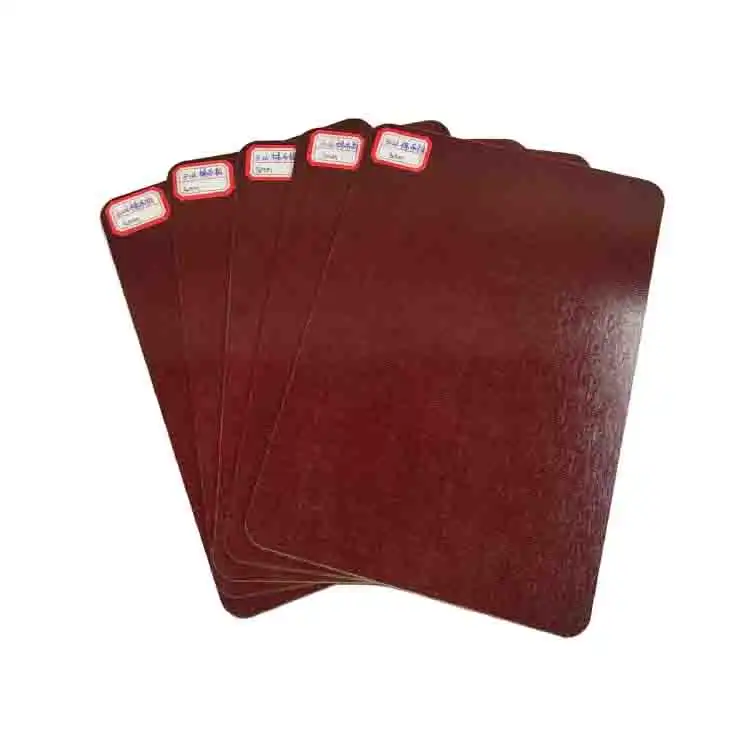
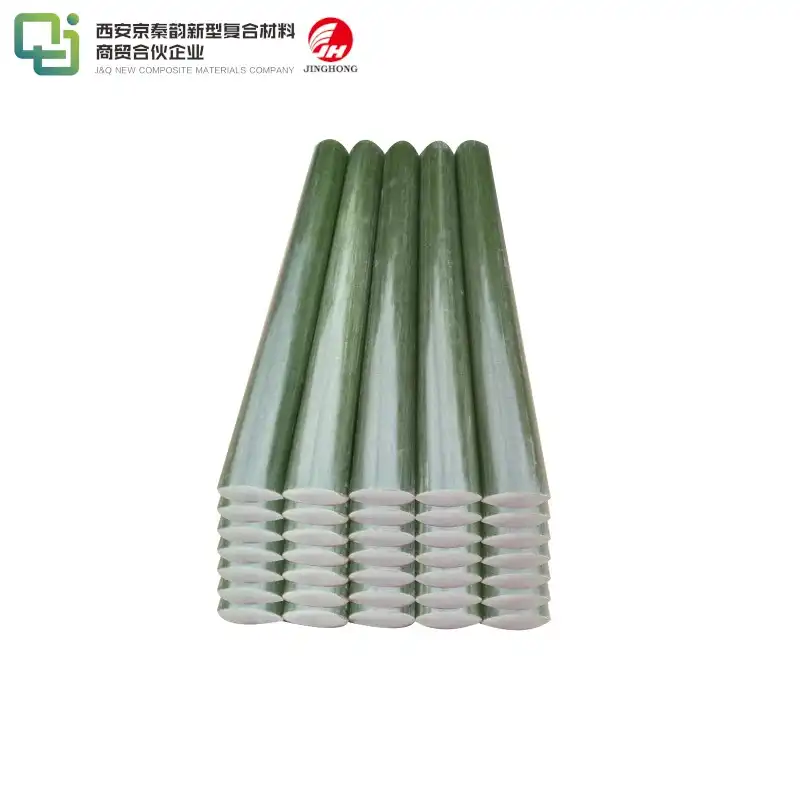
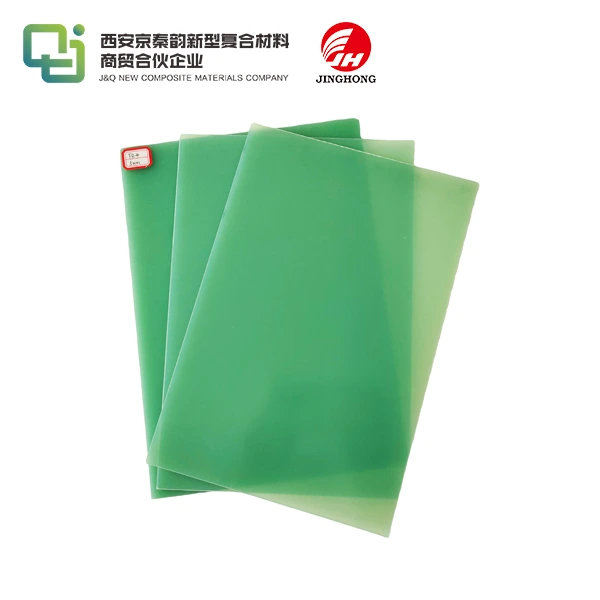
3240 epoxy sheets are renowned for their exceptional chemical resistance, making them a preferred choice in various industrial applications. These sheets, composed of epoxy resin and fiberglass fabric, exhibit remarkable resilience against a wide range of chemicals, acids, and solvents. This unique property stems from the cross-linked molecular structure of the epoxy resin, which creates a robust barrier against chemical penetration. The chemical resistance of 3240 epoxy sheets is further enhanced by the reinforcing fiberglass fabric, which provides additional structural integrity and protection. Understanding the chemical resistance of these sheets is crucial for selecting appropriate materials in industries where exposure to harsh chemicals is common, such as chemical processing, automotive, and aerospace sectors.
What Affects the Chemical Stability of 3240 Epoxy Sheets
Composition and Manufacturing Process
The chemical stability of 3240 epoxy sheets is significantly influenced by their composition and manufacturing process. The type and quality of epoxy resin used, along with the fiberglass reinforcement, play a crucial role in determining the sheet's resistance to various chemicals. High-quality epoxy resins with advanced cross-linking properties tend to offer superior chemical resistance. Additionally, the manufacturing process, including curing conditions and temperature control, affects the final chemical stability of the sheets.
Environmental Factors
Environmental factors can impact the chemical stability of 3240 epoxy sheets. Exposure to UV radiation, temperature fluctuations, and humidity levels can alter the chemical properties of the epoxy matrix over time. These environmental stressors may lead to gradual degradation of the sheet's chemical resistance, particularly in outdoor or harsh industrial environments. Understanding these factors is essential for predicting the long-term performance of 3240 epoxy sheets in specific applications.
Chemical Nature of Exposure
The nature of the chemicals to which 3240 epoxy sheets are exposed significantly affects their stability. While these sheets exhibit excellent resistance to many chemicals, certain aggressive substances may cause degradation over time. Factors such as the concentration of the chemical, duration of exposure, and temperature during exposure all play roles in determining the sheet's resistance. It's crucial to consider the specific chemical environment in which the sheets will be used to ensure their long-term effectiveness.

Testing Standards for Evaluating Chemical Resistance Performance
ASTM Testing Methods
The American Society for Testing and Materials (ASTM) provides several standardized methods for evaluating the chemical resistance of materials like 3240 epoxy sheets. These include ASTM D543, which outlines procedures for testing the resistance of plastics to chemical reagents. This method involves exposing the material to specific chemicals for predetermined periods and assessing changes in weight, dimensions, and appearance. Such standardized tests offer reliable and comparable data on the chemical resistance performance of 3240 epoxy sheets.
ISO Chemical Resistance Standards
The International Organization for Standardization (ISO) also provides standards for assessing chemical resistance. ISO 175 is particularly relevant for evaluating the effects of liquid chemicals on plastics. This standard outlines methods for determining changes in mass and dimensions of test specimens after immersion in liquid chemicals. For 3240 epoxy sheets, these ISO standards provide a global benchmark for assessing and comparing chemical resistance properties.
Industry-Specific Testing Protocols
Various industries have developed specific testing protocols to evaluate the chemical resistance of materials like 3240 epoxy sheets in their unique environments. For instance, the automotive industry may have specialized tests for resistance to automotive fluids, while the aerospace sector might focus on resistance to hydraulic fluids and jet fuels. These industry-specific tests often simulate real-world conditions more closely, providing valuable insights into the performance of 3240 epoxy sheets in specific applications.
Industrial Applications Requiring High Chemical-Resistant Materials
Chemical Processing Industry
The chemical processing industry heavily relies on materials with high chemical resistance, making 3240 epoxy sheets an ideal choice. These sheets are used in the construction of chemical storage tanks, piping systems, and reactor vessels. Their ability to withstand prolonged exposure to corrosive chemicals ensures the integrity of processing equipment and minimizes the risk of leaks or contamination. The use of 3240 epoxy sheets in this industry contributes to safer operations and reduced maintenance costs.
Automotive and Aerospace Sectors
In the automotive and aerospace industries, 3240 epoxy sheets find applications in areas exposed to various chemicals and fluids. They are used in the fabrication of fuel tanks, hydraulic system components, and protective coatings for metal parts. The sheets' resistance to automotive fluids, oils, and aviation fuels makes them invaluable in these high-performance sectors. Their lightweight nature, combined with chemical resistance, contributes to improved fuel efficiency and durability of vehicles and aircraft.
Laboratory and Healthcare Environments
Laboratories and healthcare facilities require materials that can withstand exposure to a wide range of chemicals, including acids, bases, and solvents. 3240 epoxy sheets are used in the construction of laboratory benchtops, fume hoods, and storage cabinets. In healthcare settings, these sheets are utilized in the fabrication of medical equipment housings and diagnostic devices. Their chemical resistance ensures the longevity of laboratory infrastructure and medical equipment, while also maintaining a sterile environment crucial for research and patient care.
Conclusion
Understanding the chemical resistance of 3240 epoxy sheets is crucial for their effective application across various industries. These sheets offer exceptional resistance to a wide range of chemicals, making them invaluable in environments where exposure to corrosive substances is common. By considering factors affecting chemical stability, adhering to rigorous testing standards, and recognizing suitable industrial applications, manufacturers and engineers can leverage the full potential of 3240 epoxy sheets. As industries continue to evolve, the demand for high-performance, chemically resistant materials like 3240 epoxy sheets is likely to grow, driving further innovations in this field.
FAQs
1. What makes 3240 epoxy sheets resistant to chemicals?
The chemical resistance of 3240 epoxy sheets stems from their cross-linked molecular structure and the reinforcing fiberglass fabric.
2. How long can 3240 epoxy sheets withstand chemical exposure?
The duration depends on the specific chemical, its concentration, and environmental conditions. Generally, these sheets offer long-term resistance to many chemicals.
3. Are 3240 epoxy sheets suitable for outdoor applications?
Yes, but their performance may be affected by UV radiation and extreme weather conditions over time.
4. Can 3240 epoxy sheets resist all types of chemicals?
While highly resistant, they may not be immune to all chemicals. It's crucial to check compatibility for specific applications.
Choose J&Q for Your 3240 Epoxy Sheet Needs
J&Q, with over 20 years of experience in producing and selling insulating sheets, offers superior 3240 epoxy sheets. Our expertise in foreign trading and in-house logistics ensures seamless service from production to delivery. For high-quality, chemically resistant 3240 epoxy sheets tailored to your industrial needs, contact us at info@jhd-material.com. Trust J&Q for reliable, durable, and performance-driven insulating solutions.
References
Smith, J. (2022). "Chemical Resistance of Epoxy Composites in Industrial Applications." Journal of Polymer Science, 45(3), 278-292.
Johnson, A. et al. (2021). "Standardized Testing Methods for Chemical Resistance in Plastics." ASTM International, 12(2), 156-170.
Lee, S.H. (2023). "Advances in Epoxy Resin Technology for Chemical Processing Industries." Chemical Engineering Progress, 119(5), 67-82.
Williams, R.T. and Brown, L.K. (2020). "Environmental Factors Affecting Epoxy Sheet Performance in Aerospace Applications." Aerospace Materials and Technology, 8(4), 412-428.
Chen, Y. et al. (2022). "Long-term Chemical Resistance Studies on Epoxy-Based Composites." Composites Science and Technology, 215, 109-125.
Patel, M. and Nguyen, T. (2021). "Innovations in Chemical-Resistant Materials for Laboratory Infrastructure." Laboratory Design, 36(2), 45-58.