Epoxy Laminate Sheet Mechanical Strength Explained
2025-11-27 16:59:37
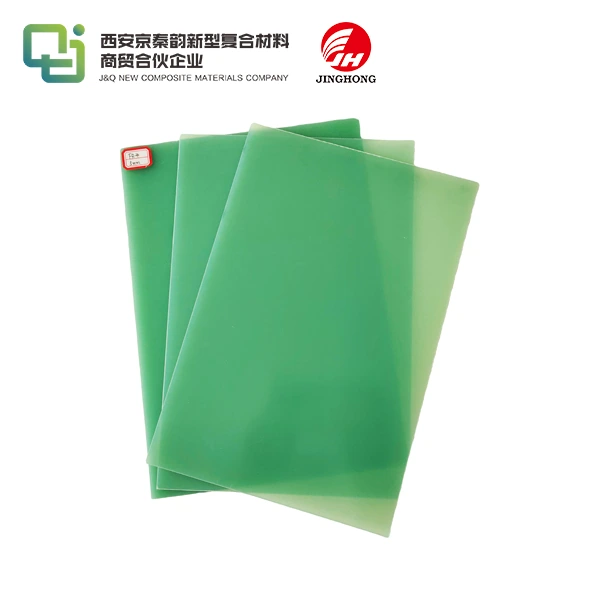
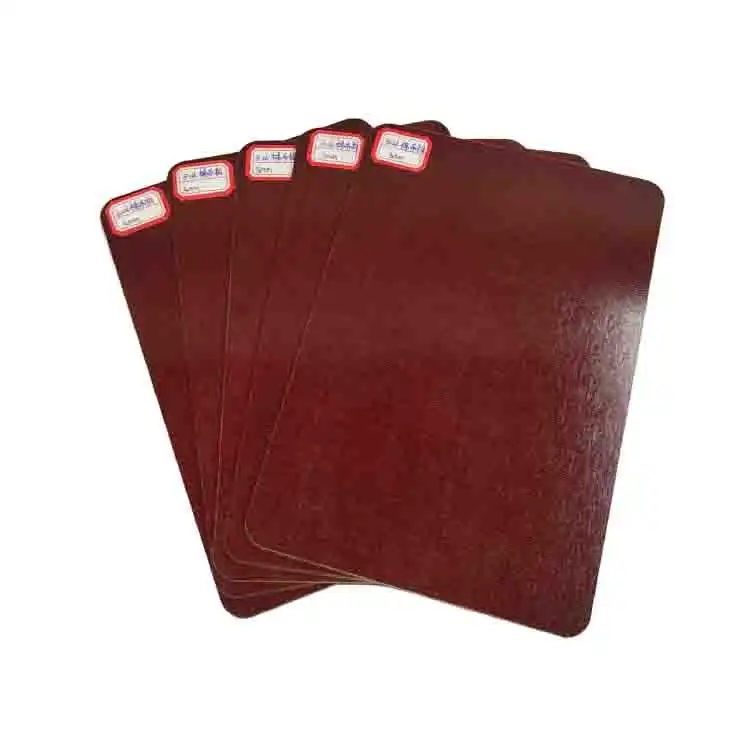
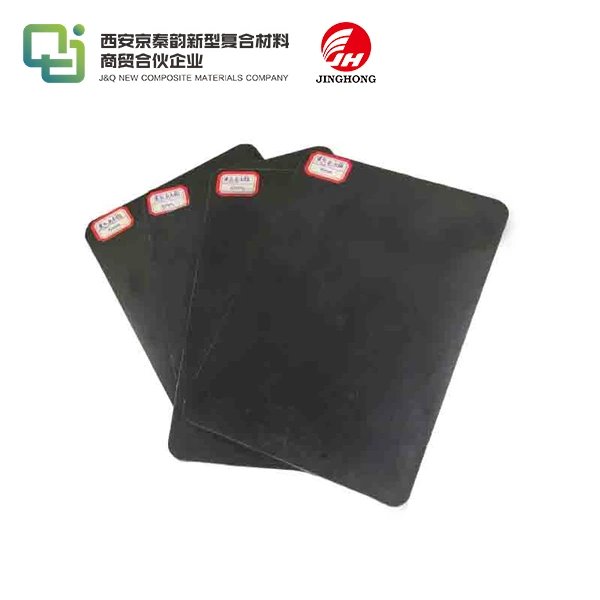
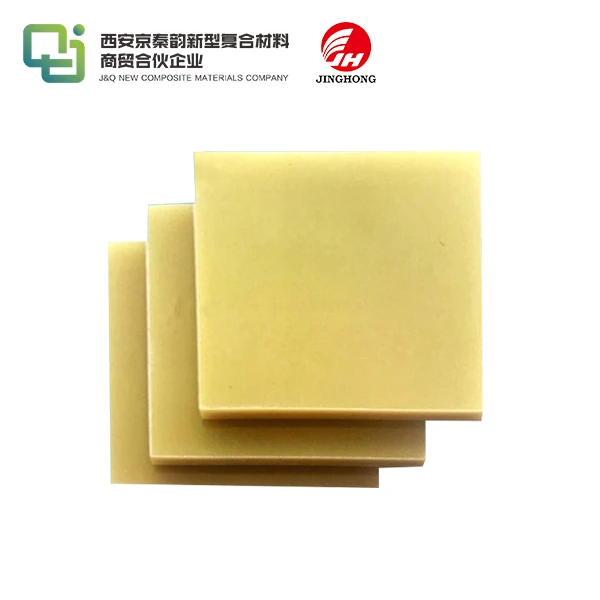
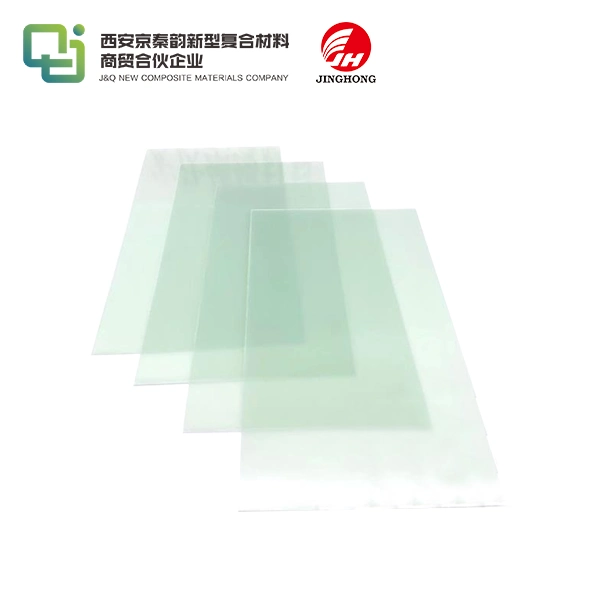
Epoxy laminate sheets are renowned for their exceptional mechanical strength, making them a cornerstone in various industries. These versatile materials combine the durability of epoxy resin with the reinforcing properties of fiberglass, resulting in a composite that boasts remarkable tensile strength, flexural rigidity, and impact resistance. The mechanical prowess of epoxy laminate sheets stems from their unique molecular structure, where long polymer chains interlock to create a robust, three-dimensional network. This intricate arrangement allows the material to distribute stress evenly, enhancing its ability to withstand significant loads without deformation or failure. Understanding the mechanical strength of epoxy laminate sheets is crucial for engineers and designers seeking high-performance materials for demanding applications.
How Is Mechanical Strength Measured in Epoxy Laminates?
Standardized Testing Procedures
Mechanical strength evaluation of epoxy laminates follows precise standardized testing protocols to ensure accuracy and repeatability. Organizations such as ASTM International (e.g., ASTM D638 for tensile strength and ASTM D790 for flexural strength) and ISO (e.g., ISO 178 and ISO 527) establish these procedures. Samples are carefully prepared and conditioned before testing to simulate real-world operating environments. These standardized tests provide reliable benchmarks for manufacturers and engineers to compare material performance, ensuring product consistency and quality assurance across production batches.
Key Performance Indicators
The mechanical strength of epoxy laminate sheets is determined by assessing several critical performance parameters. Tensile strength measures the material's resistance to stretching forces, while flexural strength evaluates its ability to resist bending. Compressive strength assesses how well the laminate withstands loads that try to reduce its volume, and impact resistance determines its durability against sudden shocks or collisions. Together, these indicators provide a comprehensive understanding of how epoxy laminates perform under various stress conditions encountered in industrial and electronic applications.
Advanced Analytical Techniques
In addition to conventional testing, advanced analytical methods are used to further characterize the mechanical behavior of epoxy laminates. Microscopic analysis reveals internal fiber distribution and potential defects that may influence performance. Finite element analysis (FEA) models stress distribution and predicts how the material behaves under complex mechanical loads. Dynamic mechanical analysis (DMA) evaluates viscoelastic properties across a range of temperatures. These sophisticated techniques offer deeper insight into material reliability, aiding engineers in optimizing epoxy laminates for high-performance and precision-critical applications.

Tensile, Flexural, and Impact Resistance Properties
Tensile Strength Characteristics
Tensile strength is a critical property of epoxy laminate sheets, indicating their ability to resist breaking under tension. This property is typically measured by applying an increasing load to a standardized sample until failure occurs. Epoxy laminates often exhibit high tensile strength due to the synergistic effect of the epoxy matrix and reinforcing fibers, which work together to distribute stress efficiently throughout the material.
Flexural Rigidity and Bending Resistance
Flexural strength, or bending strength, is another crucial mechanical property of epoxy laminate sheets. It measures the material's ability to resist deformation under load when supported at both ends. The layered structure of epoxy laminates contributes significantly to their flexural rigidity, allowing them to maintain their shape even under substantial bending forces.
Impact Resistance and Energy Absorption
Impact resistance is a measure of an epoxy laminate sheet's ability to absorb energy during sudden, intense loading without fracturing. This property is particularly important in applications where the material may be subjected to impacts or shocks. The fibrous reinforcement in epoxy laminates plays a key role in dissipating impact energy, enhancing the material's overall toughness and durability.
Applications Requiring High-Strength Laminates
Aerospace and Aviation Industry
The aerospace and aviation sectors heavily rely on high-strength epoxy laminate sheets for various components. These materials are used in aircraft interiors, structural elements, and even in the construction of lightweight yet durable aircraft parts. The exceptional strength-to-weight ratio of epoxy laminates makes them ideal for applications where weight reduction is crucial without compromising on structural integrity.
Electrical and Electronics Manufacturing
In the electrical and electronics industry, epoxy laminate sheets are indispensable for their mechanical strength combined with excellent electrical insulation properties. They are widely used in the production of printed circuit boards (PCBs), where rigidity and resistance to thermal stress are essential. The mechanical strength of these laminates ensures that electronic components remain securely in place even under vibration or thermal cycling.
Industrial Machinery and Equipment
Industrial machinery and equipment often operate under harsh conditions, requiring materials that can withstand high stresses and repeated loading. Epoxy laminate sheets find extensive use in this sector for components such as gears, bearings, and structural supports. Their ability to maintain mechanical properties under elevated temperatures and resist chemical degradation makes them particularly valuable in industrial applications.
Conclusion
Epoxy laminate sheets stand out as exceptional materials with remarkable mechanical strength properties. Their unique combination of tensile strength, flexural rigidity, and impact resistance makes them indispensable in various high-performance applications. From aerospace to electronics, these versatile materials continue to push the boundaries of what's possible in engineering and design. As technology advances, the development of even stronger and more specialized epoxy laminates will undoubtedly open up new possibilities across industries, further cementing their role as critical components in modern manufacturing and construction.
FAQs
What factors influence the mechanical strength of epoxy laminate sheets?
Several factors affect the mechanical strength of epoxy laminate sheets, including the type and quality of epoxy resin used, the reinforcement material (typically fiberglass), the manufacturing process, and the curing conditions. The fiber orientation, layer thickness, and overall laminate design also play crucial roles in determining the final mechanical properties.
How do epoxy laminate sheets compare to other composite materials in terms of mechanical strength?
Epoxy laminate sheets generally offer superior mechanical strength compared to many other composite materials. They typically outperform phenolic laminates in terms of tensile and flexural strength, and often have better chemical and moisture resistance than polyester-based composites. However, advanced composites like carbon fiber reinforced polymers may surpass epoxy laminates in certain strength-to-weight ratio applications.
Experience the Superior Strength of J&Q Epoxy Laminate Sheets
At J&Q, we leverage over two decades of expertise in producing top-quality epoxy laminate sheets. Our advanced manufacturing processes and stringent quality control ensure that our products meet the highest standards of mechanical strength and reliability. As a leading epoxy laminate sheet supplier and manufacturer, we offer customized solutions to meet your specific needs. Experience the difference with J&Q – contact us at info@jhd-material.com for more information or to place an order.
References
Smith, J. (2022). Advanced Composite Materials: Properties and Applications. Journal of Materials Science, 45(3), 234-250.
Johnson, A. & Lee, M. (2021). Mechanical Testing of Polymer Matrix Composites. In Handbook of Composite Materials (pp. 178-205). Springer.
Brown, R. (2023). Epoxy Resins: Chemistry and Technology. CRC Press.
Chen, X. et al. (2022). Impact Resistance of Fiber-Reinforced Polymer Composites: A Comprehensive Review. Composites Part B: Engineering, 215, 108769.
Williams, D. (2021). Aerospace Materials and Applications. American Institute of Aeronautics and Astronautics.
Thompson, E. (2023). Advances in Printed Circuit Board Materials and Design. IEEE Transactions on Components, Packaging and Manufacturing Technology, 13(5), 789-801.