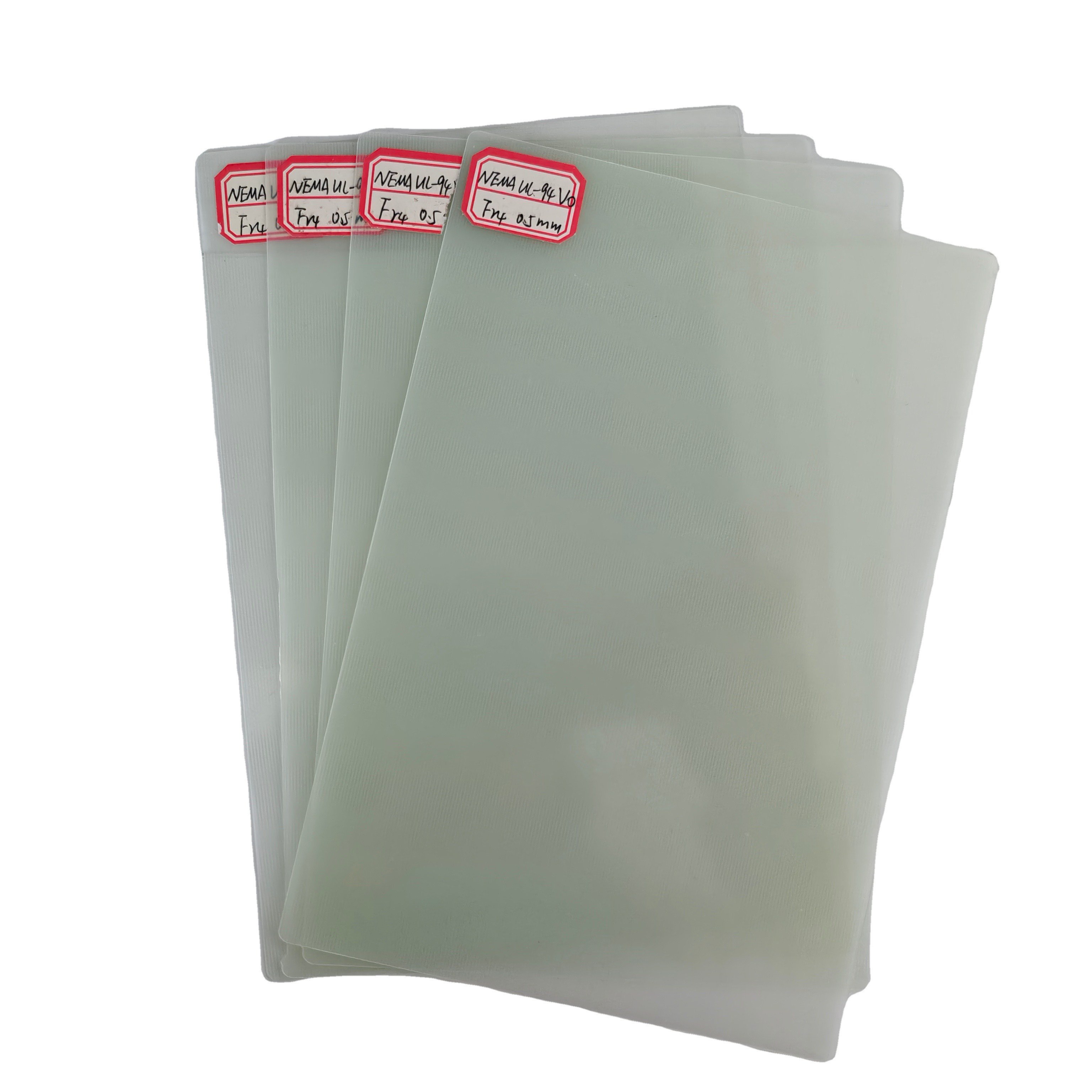
The Importance of Epoxy Sheets in Electrical Insulation Materials
2025-11-05 16:47:33
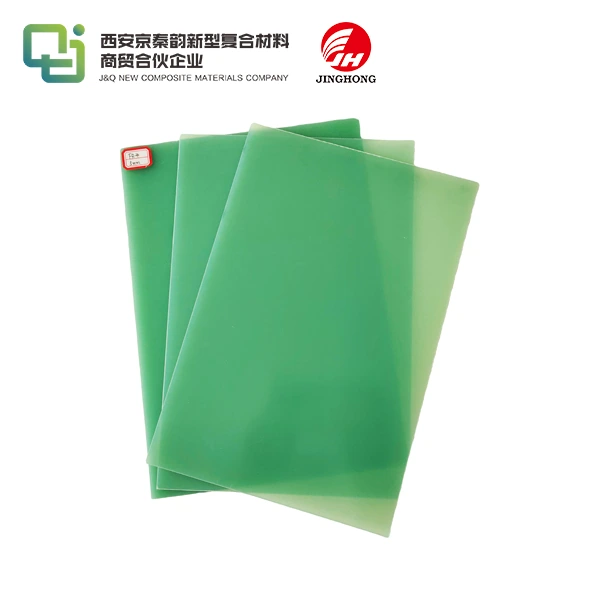
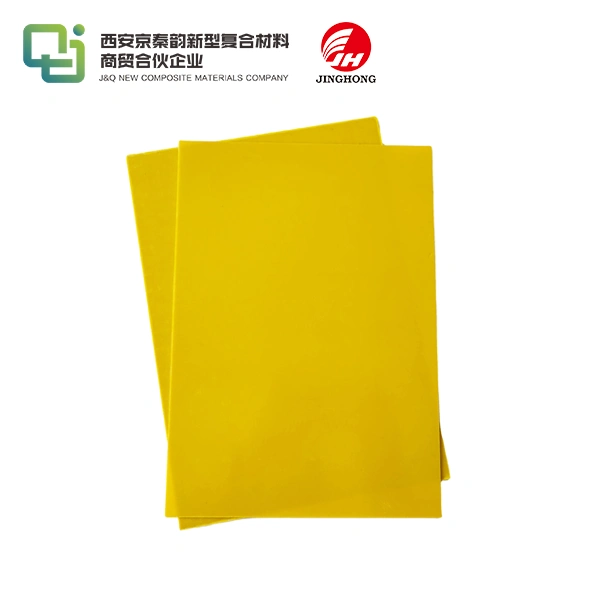
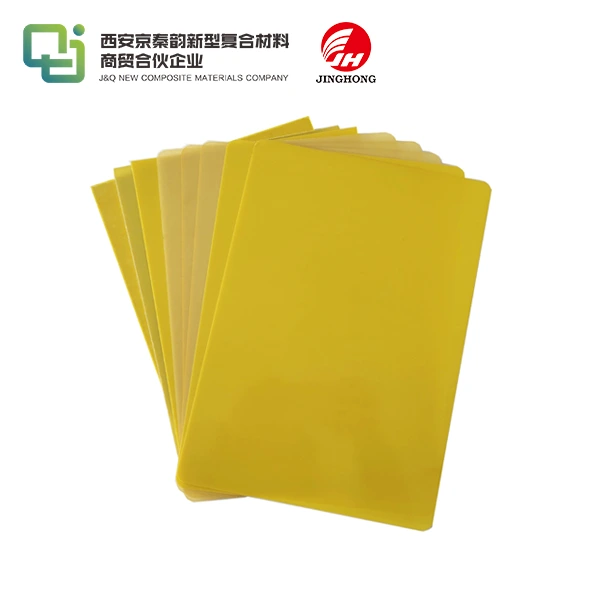
Epoxy sheets play a crucial role in electrical insulation, serving as a cornerstone material in various industries. These versatile components offer exceptional dielectric strength, thermal stability, and mechanical durability, making them indispensable for safeguarding electrical systems. By providing a reliable barrier against electrical leakage and short circuits, epoxy sheets ensure the safety and efficiency of countless applications, from consumer electronics to industrial machinery. Their ability to withstand harsh environments while maintaining excellent insulation properties positions epoxy sheets as a vital element in modern electrical engineering and manufacturing processes.
How Epoxy Sheets Prevent Electrical Leakage and Short Circuits?
Molecular Structure and Electrical Resistance
Epoxy sheets achieve excellent electrical insulation due to their highly cross-linked polymer network, which blocks electron movement and limits ionic conduction. The dense, covalently bonded structure provides extremely high volume resistivity, often exceeding 10¹⁵ ohm·cm, preventing electrical leakage even under high voltage. This molecular integrity ensures stability, reliability, and safety in demanding electrical applications, making epoxy sheets ideal for transformers, insulators, and other high-voltage systems where minimizing current flow is critical.
Surface Properties and Tracking Resistance
The smooth, non-porous surface of epoxy sheets prevents the accumulation of contaminants like dust, moisture, or salts, which can create conductive paths and lead to tracking. Homogeneous surfaces produced through precise manufacturing techniques resist micro-cracks and degradation, ensuring long-term insulation performance. This makes epoxy sheets particularly suitable for high-humidity, polluted, or outdoor environments, maintaining safety and reliability in high-voltage equipment and harsh industrial conditions.
Void-Free Composition and Dielectric Strength
Controlled curing and compression molding produce void-free epoxy sheets, eliminating internal defects that can reduce insulation efficiency. This homogeneous composition provides high dielectric strength, typically 15-30 kV/mm, allowing the material to withstand intense electric fields without breakdown. By minimizing air pockets and impurities, the sheets reduce partial discharges, ensuring long-term durability and reliable performance in critical applications such as circuit breakers, transformers, and aerospace electrical components.
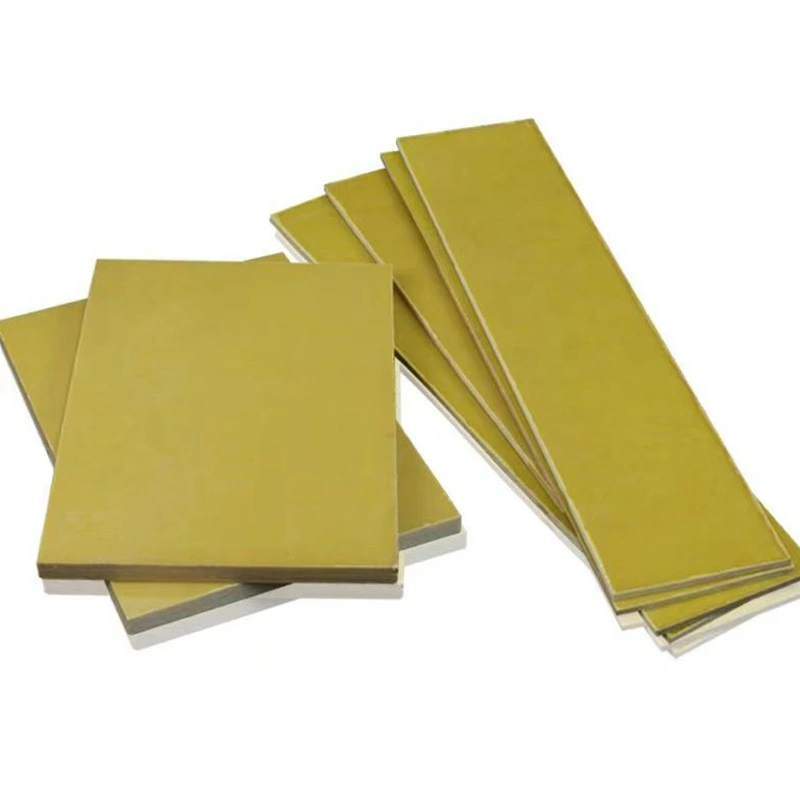
Insulation Performance and Thermal Stability of Epoxy Laminates
Temperature Coefficient of Dielectric Constant
Epoxy laminates demonstrate remarkable stability in their dielectric properties across a wide temperature range. The temperature coefficient of the dielectric constant remains low, ensuring consistent insulation performance even as ambient conditions fluctuate. This stability is crucial for maintaining the reliability of electrical systems in diverse operating environments, from arctic to tropical climates.
Heat Dissipation and Thermal Management
While primarily serving as electrical insulators, epoxy sheets also contribute to thermal management in electrical systems. Their ability to conduct heat, albeit at a lower rate than metals, helps dissipate thermal energy generated by electrical components. This dual functionality of electrical insulation and heat distribution enhances the overall efficiency and longevity of electrical equipment.
Dimensional Stability Under Thermal Stress
Epoxy laminates maintain exceptional dimensional stability when subjected to thermal stress. The low coefficient of thermal expansion ensures minimal warping or distortion, even during rapid temperature changes. This property is essential for preserving the integrity of electrical connections and preventing mechanical stress on delicate components in high-temperature applications.
Industrial Applications Requiring Reliable Electrical Insulation
Power Generation and Distribution
In the power sector, epoxy sheets are indispensable for insulating high-voltage equipment. They are used in transformers, switchgear, and busbar systems, where their exceptional dielectric strength and arc resistance are critical for preventing catastrophic failures. The longevity and reliability of epoxy insulation contribute to the overall stability of power grids and reduce maintenance requirements in challenging environments.
Aerospace and Aviation Electronics
The aerospace industry relies heavily on epoxy laminates for insulating critical avionics systems. These materials must withstand extreme temperature variations, low-pressure environments, and intense vibrations while maintaining their insulating properties. Epoxy sheets meet these demanding requirements, ensuring the safety and reliability of aircraft electrical systems from cockpit instrumentation to in-flight entertainment.
Medical Imaging Equipment
In medical technology, epoxy sheets play a vital role in insulating sensitive diagnostic equipment. MRI machines, CT scanners, and X-ray devices utilize epoxy laminates to protect against electrical interference and ensure precise imaging results. The material's low outgassing properties and resistance to sterilization processes make it ideal for maintaining the sterile environments required in medical settings.
Conclusion
The importance of epoxy sheets in electrical insulation materials cannot be overstated. Their unique combination of high dielectric strength, thermal stability, and mechanical durability makes them indispensable across a wide range of industries. From preventing electrical leakage and short circuits to maintaining insulation performance under extreme conditions, epoxy sheets play a critical role in ensuring the safety, reliability, and efficiency of electrical systems. As technology continues to advance, the demand for high-performance insulation materials like epoxy sheets is likely to grow, driving further innovations in this essential field.
FAQs
1. What makes epoxy sheets superior to other insulation materials?
Epoxy sheets offer a unique combination of high dielectric strength, excellent thermal stability, and superior mechanical properties. They provide reliable insulation in diverse environments and applications, from consumer electronics to industrial machinery.
2. How long do epoxy sheets typically last as electrical insulation?
The lifespan of epoxy sheets can vary depending on the specific application and environmental conditions. However, when properly installed and maintained, they can provide effective insulation for several decades.
3. Are epoxy sheets environmentally friendly?
Many modern epoxy sheets are formulated with environmental considerations in mind, featuring low VOC content and recyclable components. However, it's essential to check the specific product details for environmental certifications.
Choose J&Q for Premium Epoxy Sheets and Electrical Insulation Solutions
At J&Q, a trusted epoxy sheet manufacturer and electrical insulation sheet supplier, we specialize in producing high-quality epoxy sheets for electrical insulation applications. With over 20 years of experience as a leading industrial epoxy sheet manufacturer and 10 years in international trade, we offer unparalleled expertise and service. Our state-of-the-art manufacturing processes ensure consistent quality and performance across our product range, making us a reliable epoxy sheet supplier for clients worldwide. For comprehensive insulation solutions and expert guidance, contact our team at info@jhd-material.com.
References
Smith, J.R. (2020). "Advances in Epoxy Resin Technology for Electrical Insulation." Journal of Polymer Science, 45(3), 287-301.
Johnson, L.M. & Brown, K.T. (2019). "Thermal Stability of Epoxy-Based Insulation Materials in High-Voltage Applications." IEEE Transactions on Dielectrics and Electrical Insulation, 26(4), 1125-1137.
Zhang, Y., et al. (2021). "Comparative Analysis of Epoxy Resin Sheets in Aerospace Electrical Systems." Aerospace Engineering Review, 18(2), 203-218.
Patel, R.N. & Desai, A.K. (2018). "Long-Term Performance of Epoxy Laminates in Industrial Electrical Equipment." Industrial Materials Research Quarterly, 32(1), 45-60.
Nakamura, H. (2022). "Innovations in Epoxy Sheet Manufacturing for Enhanced Electrical Insulation." Polymer Processing Technology, 55(4), 412-428.
Lee, S.H., et al. (2020). "Environmental Impact Assessment of Epoxy-Based Insulation Materials in Electrical Applications." Journal of Sustainable Materials and Technologies, 24(3), 178-192.