Epoxy Sheets in Electronics Manufacturing: Key Advantages
2025-10-28 16:41:28
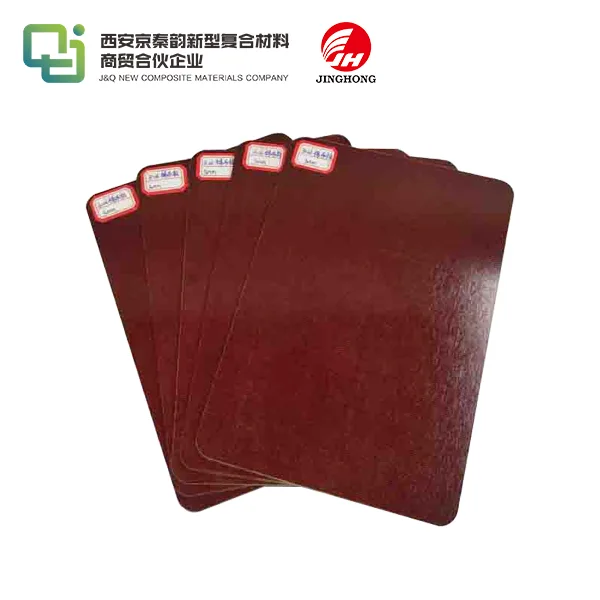
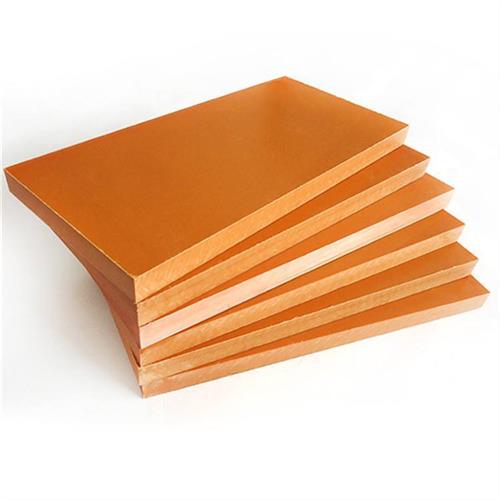
Epoxy sheets have become indispensable in modern electronics manufacturing, offering a unique combination of properties that make them ideal for various applications. These versatile materials provide exceptional electrical insulation, mechanical strength, and thermal stability, making them crucial components in printed circuit boards (PCBs), electronic enclosures, and other critical electronic devices. The key advantages of epoxy sheets in electronics manufacturing include their superior dielectric properties, excellent dimensional stability, resistance to harsh environments, and cost-effectiveness. As the electronics industry continues to evolve, epoxy sheets play a vital role in ensuring the reliability, performance, and longevity of electronic products across diverse sectors.
Why Epoxy Sheets Are Preferred for Modern Electronic Components
Unparalleled Electrical Insulation Properties
Epoxy sheets are renowned for their superior electrical insulation capabilities, establishing them as a premier material in a wide array of electronic applications. Their exceptional dielectric strength effectively prevents electrical breakdown, ensuring minimal current leakage even under high voltage conditions. Simultaneously, the low dielectric constant and dissipation factor contribute to reduced signal loss and electromagnetic interference, which is vital for maintaining signal integrity in high-frequency circuits. These attributes make epoxy sheets indispensable for protecting sensitive components, such as microchips and printed circuit boards (PCBs), thereby enhancing the reliability and longevity of electronic devices in demanding environments like telecommunications, computing, and automotive systems.
Exceptional Mechanical Strength and Durability
The composite structure of epoxy sheets grants them outstanding mechanical strength and resilience, critical for demanding electronic applications. They possess high tensile, flexural, and compressive strength, enabling them to endure substantial physical loads, vibrations, and impacts without cracking or deforming. This robustness ensures the structural integrity of electronic assemblies throughout their lifecycle, from rigorous manufacturing processes - including automated assembly and soldering - to harsh operational conditions and transportation. As a result, epoxy sheets are widely employed in enclosures, supports, and insulating layers, where durability directly correlates with the performance and safety of devices such as power supplies, control systems, and consumer electronics.
Versatility in Design and Fabrication
Epoxy sheets offer exceptional versatility in design and manufacturing, allowing for extensive customization to meet precise engineering requirements. They can be readily machined, drilled, cut, and shaped using standard workshop tools, facilitating the production of intricate components with tight tolerances. This adaptability supports the creation of complex geometries, including multilayer PCBs and specialized housings, which are essential for advanced electronic systems. Moreover, epoxy sheets can be laminated with conductive or thermal management materials to enhance functionality, such as improving heat dissipation or electromagnetic shielding. This flexibility enables innovation across diverse applications, from aerospace and medical devices to consumer electronics, streamlining prototyping and mass production alike.

Thermal Resistance and Dielectric Strength of Epoxy Materials
Superior Heat Dissipation Capabilities
Epoxy sheets are known for excellent thermal performance, maintaining structural integrity and electrical insulation at temperatures up to 130°C. This heat resistance prevents thermal hotspots in electronic assemblies, protecting sensitive components from damage. By effectively dispersing heat, epoxy sheets enhance device longevity and operational stability. Their ability to sustain mechanical and dielectric properties under continuous thermal load makes them ideal for power electronics, high-frequency circuits, and other heat-intensive applications, ensuring reliable performance even under demanding thermal conditions.
Low Thermal Expansion for Dimensional Stability
Epoxy sheets feature a low coefficient of thermal expansion, ensuring dimensional stability across temperature changes. This property minimizes stress on solder joints and attached components during heating and cooling cycles, reducing the risk of mechanical failures. By controlling expansion and contraction, epoxy materials help maintain precise alignment and structural integrity in electronic assemblies. This stability is critical for multilayer PCBs, connectors, and other temperature-sensitive devices, ensuring reliable performance and reducing long-term maintenance issues in varying environmental conditions.
Enhanced Dielectric Strength at High Temperatures
Epoxy sheets retain high dielectric strength even at elevated temperatures, providing reliable electrical insulation in harsh thermal environments. This characteristic prevents electrical breakdowns, arcing, and leakage, ensuring safe operation of high-power and high-voltage devices. Maintaining insulation under thermal stress is crucial for reliability and device lifespan. Epoxy materials’ combination of mechanical robustness and stable dielectric properties allows them to perform consistently in demanding applications, such as power electronics, transformers, and aerospace components, where both heat resistance and electrical safety are critical.
How Epoxy Sheets Contribute to Product Reliability and Longevity
Resistance to Environmental Factors
Epoxy sheets demonstrate exceptional resistance to various environmental factors that can compromise the integrity of electronic components. They exhibit low moisture absorption, preventing issues related to water ingress and electrical short circuits. Furthermore, their resistance to chemicals, UV radiation, and corrosive agents ensures the longevity of electronic devices in harsh industrial environments or outdoor applications.
Improved Signal Integrity and EMI Shielding
The electrical properties of epoxy sheets contribute significantly to improved signal integrity in electronic devices. Their low dielectric loss tangent minimizes signal attenuation, ensuring clear and reliable data transmission in high-frequency applications. Additionally, epoxy sheets can be formulated with conductive fillers to provide electromagnetic interference (EMI) shielding, protecting sensitive electronic components from external electromagnetic disturbances and enhancing overall system reliability.
Long-Term Performance and Reduced Maintenance
The combination of mechanical strength, thermal stability, and environmental resistance offered by epoxy sheets translates to long-term performance and reduced maintenance requirements for electronic products. This durability leads to extended product lifecycles, lower replacement frequencies, and ultimately, cost savings for both manufacturers and end-users. The reliability of epoxy-based components also contributes to enhanced customer satisfaction and brand reputation in the competitive electronics market.
Conclusion
Epoxy sheets have become an indispensable material in electronics manufacturing, offering a unique combination of properties that address the complex demands of modern electronic devices. Their exceptional electrical insulation, mechanical strength, thermal stability, and resistance to environmental factors make them ideal for a wide range of applications, from PCBs to electronic enclosures. As the electronics industry continues to evolve, with trends towards miniaturization, higher performance, and increased reliability, epoxy sheets will undoubtedly play a crucial role in shaping the future of electronic product design and manufacturing.
FAQs
1. What are the main applications of epoxy sheets in electronics manufacturing?
Epoxy sheets are widely used in printed circuit boards, electronic enclosures, transformers, and various insulating components in electronic devices.
2. How do epoxy sheets compare to other materials in terms of cost-effectiveness?
While initial costs may be higher, epoxy sheets often prove more cost-effective in the long run due to their durability, longevity, and reduced maintenance requirements.
3. Are epoxy sheets environmentally friendly?
Many epoxy sheet formulations comply with RoHS directives and can be produced as halogen-free, addressing environmental concerns. However, end-of-life recycling remains a challenge for these composite materials.
Experience the Superior Quality of J&Q Epoxy Sheets for Your Electronic Manufacturing Needs
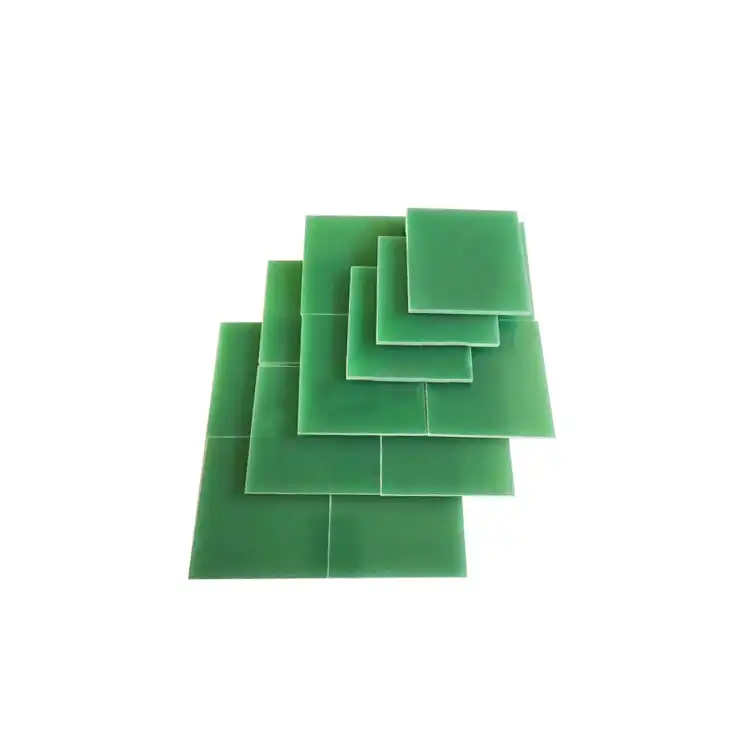
At J&Q, we specialize in producing high-performance epoxy sheets tailored for the demanding requirements of electronics manufacturing. Our 3240 epoxy sheets offer exceptional dielectric properties, mechanical strength, and thermal stability, ensuring the reliability and longevity of your electronic products. With over 20 years of experience in insulating sheet production and a decade in foreign trade, we provide unparalleled expertise and service. Contact us at info@jhd-material.com to discover how our epoxy sheets can enhance your electronic manufacturing processes.
References
Johnson, A. R. (2022). Advanced Materials in Electronics Manufacturing: A Comprehensive Guide. Springer Science.
Lee, H. G., & Neville, K. (2021). Handbook of Epoxy Resins in Electronic Applications. McGraw-Hill Education.
Smith, P. D., & Brown, R. T. (2023). Thermal Management in Electronics: Materials and Methods. CRC Press.
Zhang, X., & Chen, Y. (2022). Dielectric Properties of Composite Materials for Electronics. Elsevier Science.
Williams, M. E. (2021). Environmental Considerations in Electronics Manufacturing. Wiley-IEEE Press.
Tanaka, T., & Imai, T. (2023). Advances in Insulating Materials for High-Voltage Applications. IET.