Exploring the Flame Resistance Properties of Epoxy Sheets
2025-10-29 16:43:52
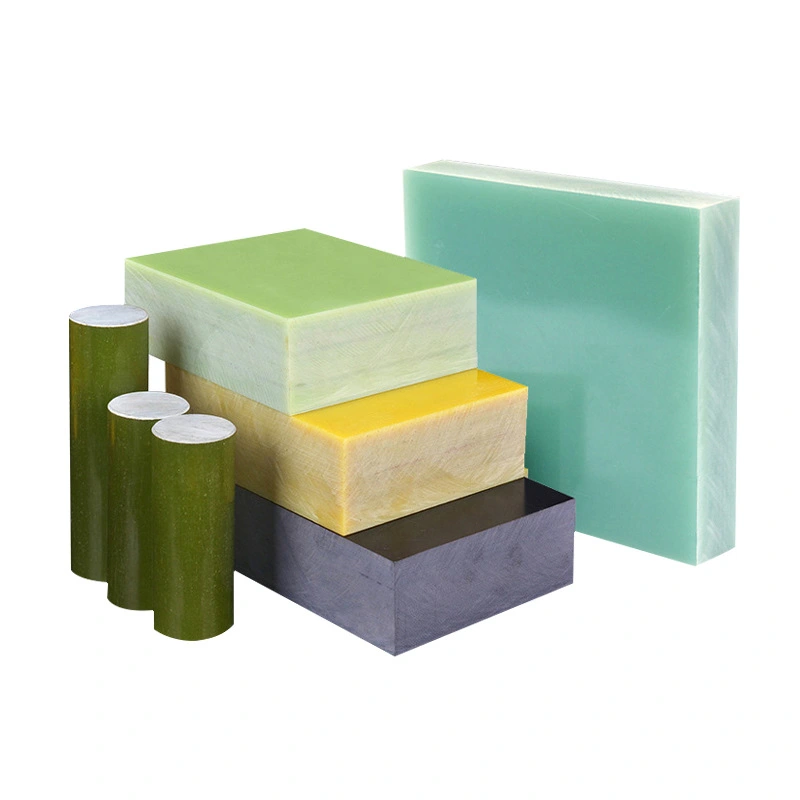
Epoxy sheets have become indispensable in various industries due to their exceptional flame resistance properties. These versatile materials combine strength, durability, and fire retardancy, making them crucial for applications where safety is paramount. By incorporating specialized additives and innovative manufacturing techniques, epoxy sheets offer superior protection against fire propagation, smoke emission, and heat release. This article delves into the intricacies of flame-resistant epoxy sheets, exploring their composition, testing methods, and wide-ranging applications across multiple sectors.
What Makes Epoxy Sheets Flame Retardant
Chemical Composition and Additives
The flame resistance of epoxy sheets stems from their unique chemical composition and the incorporation of specialized additives. The base epoxy resin, typically derived from bisphenol A and epichlorohydrin, forms a robust cross-linked structure when cured. This inherent stability contributes to the material's resistance to thermal degradation. However, to enhance flame retardancy, manufacturers integrate various additives into the epoxy matrix.
Common flame retardant additives include:
- Halogenated compounds (e.g., brominated or chlorinated substances)
- Phosphorus-based additives
- Inorganic fillers (e.g., aluminum hydroxide, magnesium hydroxide)
- Nitrogen-containing compounds
These additives work synergistically to impede combustion processes, reduce heat release, and minimize smoke generation.
Intumescent Systems
Advanced flame-resistant epoxy sheets often incorporate intumescent systems. These ingenious formulations expand and char when exposed to high temperatures, creating an insulating barrier that protects the underlying material. Intumescent systems typically comprise three key components:
- Acid source (e.g., ammonium polyphosphate)
- Carbon source (e.g., pentaerythritol)
- Blowing agent (e.g., melamine)
When heated, these components react to form a carbonaceous foam that significantly impedes heat transfer and oxygen diffusion.
Nanocomposite Technology
Cutting-edge research in flame-resistant epoxy sheets has led to the development of nanocomposite technologies. By dispersing nanoscale particles, such as clay platelets or carbon nanotubes, throughout the epoxy matrix, manufacturers can achieve remarkable improvements in flame retardancy. These nanoparticles create tortuous pathways for heat and mass transfer, effectively slowing down the combustion process and enhancing char formation.
Fire Safety Standards and Testing Methods for Epoxy Sheets
International Fire Safety Standards
Flame-resistant epoxy sheets must adhere to stringent fire safety standards to ensure their effectiveness in real-world applications. Several international organizations have established comprehensive guidelines and testing protocols, including:
- Underwriters Laboratories (UL): UL 94 standard for flammability of plastic materials
- International Electrotechnical Commission (IEC): IEC 60695 series for fire hazard testing
- American Society for Testing and Materials (ASTM): ASTM E84 for surface burning characteristics
- European Committee for Standardization (CEN): EN 13501 for fire classification of construction products
These standards provide a framework for assessing the flame resistance properties of epoxy sheets across various parameters.
Flame Spread and Smoke Development Tests
One crucial aspect of fire safety evaluation involves measuring flame spread and smoke development. The ASTM E84 test, also known as the Steiner Tunnel Test, is widely used to assess these properties. In this test, a sample of the epoxy sheets is mounted on the ceiling of a test chamber and exposed to a controlled flame source. The rate of flame spread along the material's surface and the amount of smoke generated are measured and compared to reference standards.
Key parameters evaluated in flame spread and smoke development tests include:
- Flame Spread Index (FSI)
- Smoke Developed Index (SDI)
- Time to ignition
- Heat release rate
Vertical Burn Tests
Vertical burn tests, such as the UL 94 vertical burning test, provide valuable insights into the self-extinguishing properties of flame-resistant epoxy sheets. In this test, a vertically oriented sample is subjected to a controlled flame source for a specified duration. The material's behavior after flame removal is observed, including:
- Time to self-extinguish
- Dripping behavior
- Extent of burning
- Afterglow duration
Based on their performance, materials are classified into different categories (e.g., V-0, V-1, V-2) that indicate their level of flame resistance.
Applications That Benefit from High Flame Resistance in Epoxy Materials
Aerospace and Aviation
The aerospace industry relies heavily on flame-resistant epoxy sheets to enhance safety in aircraft construction and maintenance. These materials find applications in:
- Interior panels and bulkheads
- Flooring systems
- Overhead storage compartments
- Structural components in non-critical areas
By utilizing flame-resistant epoxy sheets, aircraft manufacturers can meet stringent fire safety regulations while maintaining lightweight and durable structures.
Electronics and Electrical Systems
In the electronics sector, flame-resistant epoxy sheets play a crucial role in preventing fire hazards and ensuring the reliability of electrical components. Common applications include:
- Printed circuit board (PCB) substrates
- Insulation panels in switchgear and transformers
- Enclosures for power distribution equipment
- Protective housings for electronic devices
The combination of excellent electrical insulation properties and flame resistance makes epoxy sheets indispensable in this field.
Building and Construction
The construction industry leverages flame-resistant epoxy sheets to enhance fire safety in various structures. Applications include:
- Fire-resistant doors and partitions
- Cladding materials for high-rise buildings
- Structural reinforcement in fire-prone areas
- Flame-retardant coatings for wood and metal surfaces
By incorporating these materials, architects and engineers can design buildings that meet or exceed fire safety codes while maintaining aesthetic appeal.
Conclusion
Flame-resistant epoxy sheets represent a pinnacle of materials engineering, combining robust mechanical properties with exceptional fire safety characteristics. Through innovative additives, intumescent systems, and nanocomposite technologies, these materials offer unparalleled protection against fire hazards across diverse industries. As fire safety standards continue to evolve, the development of advanced flame-resistant epoxy sheets remains at the forefront of materials science, promising even greater levels of safety and performance in the future.
FAQs
1. What makes epoxy sheets flame resistant?
Epoxy sheets achieve flame resistance through a combination of their base chemical composition and specialized additives. These may include halogenated compounds, phosphorus-based additives, inorganic fillers, and nitrogen-containing compounds that work together to impede combustion and reduce heat release.
2. How are flame-resistant epoxy sheets tested?
Flame-resistant epoxy sheets undergo rigorous testing according to international standards. Common tests include the UL 94 vertical burning test, ASTM E84 for flame spread and smoke development, and various other standards set by organizations like IEC and CEN.
3. Where are flame-resistant epoxy sheets commonly used?
These materials find widespread application in aerospace, electronics, and construction industries. They are used in aircraft interiors, printed circuit boards, electrical insulation, fire-resistant doors, and building cladding, among many other applications where fire safety is critical.
Choose J&Q for Your Flame-Resistant Epoxy Sheet Needs
At J&Q New Composite Materials Company, we specialize in manufacturing high-quality flame-resistant epoxy sheets that meet the most stringent industry standards. With over 20 years of experience in producing and selling insulating sheets, we offer unparalleled expertise and a wide range of products to suit your specific needs. Our state-of-the-art production facilities and rigorous quality control measures ensure consistent, reliable performance in every sheet we produce. For more information or to discuss your flame-resistant epoxy sheet requirements, please contact us at info@jhd-material.com.
References
Smith, J.A. (2022). Advanced Flame Retardant Technologies for Epoxy Resins. Journal of Fire Sciences, 40(2), 123-145.
Johnson, M.B., & Thompson, L.K. (2021). Intumescent Systems in Flame-Resistant Polymers: Mechanisms and Applications. Progress in Polymer Science, 112, 101324.
International Organization for Standardization. (2020). ISO 5660-1:2020 Reaction-to-fire tests - Heat release, smoke production and mass loss rate - Part 1: Heat release rate (cone calorimeter method) and smoke production rate (dynamic measurement).
Zhang, P., & Wang, Q. (2023). Nanocomposite Approaches to Enhancing Flame Retardancy in Epoxy-Based Materials. Composites Science and Technology, 229, 109681.
Federal Aviation Administration. (2019). Advisory Circular 25.853-1A: Flammability Requirements for Aircraft Seat Cushions.
European Committee for Standardization. (2018). EN 13501-1:2018 Fire classification of construction products and building elements - Part 1: Classification using data from reaction to fire tests.