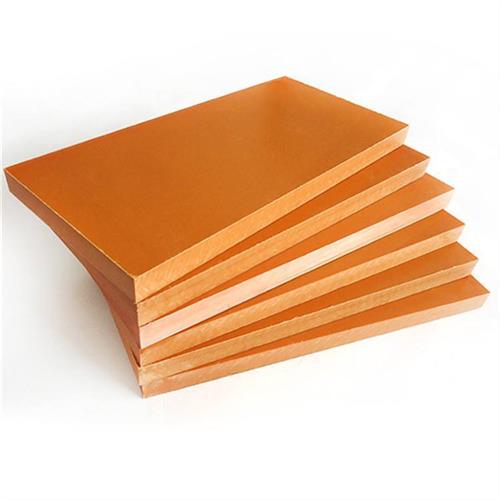
Exploring the Industrial Applications of FR4 Epoxy Sheets
2025-10-30 13:54:55
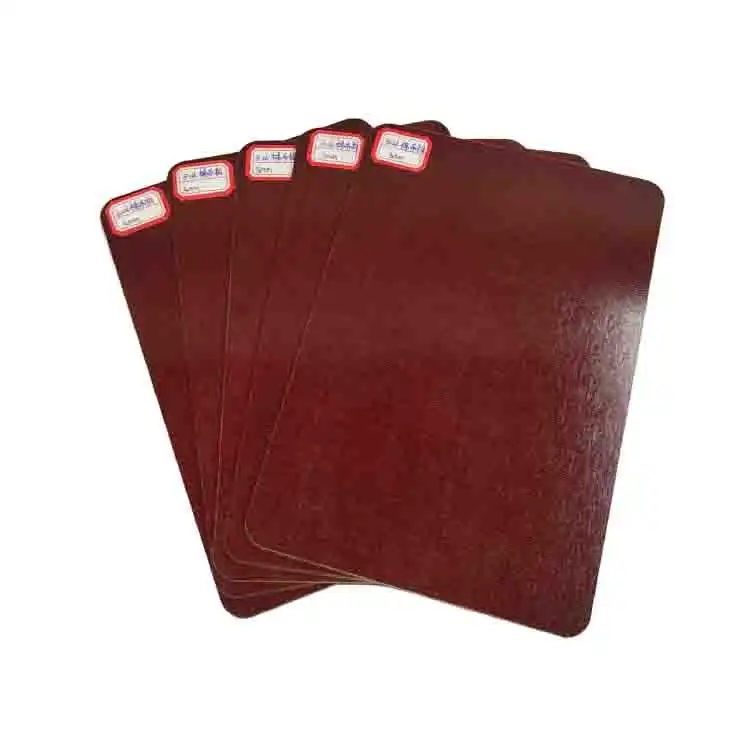
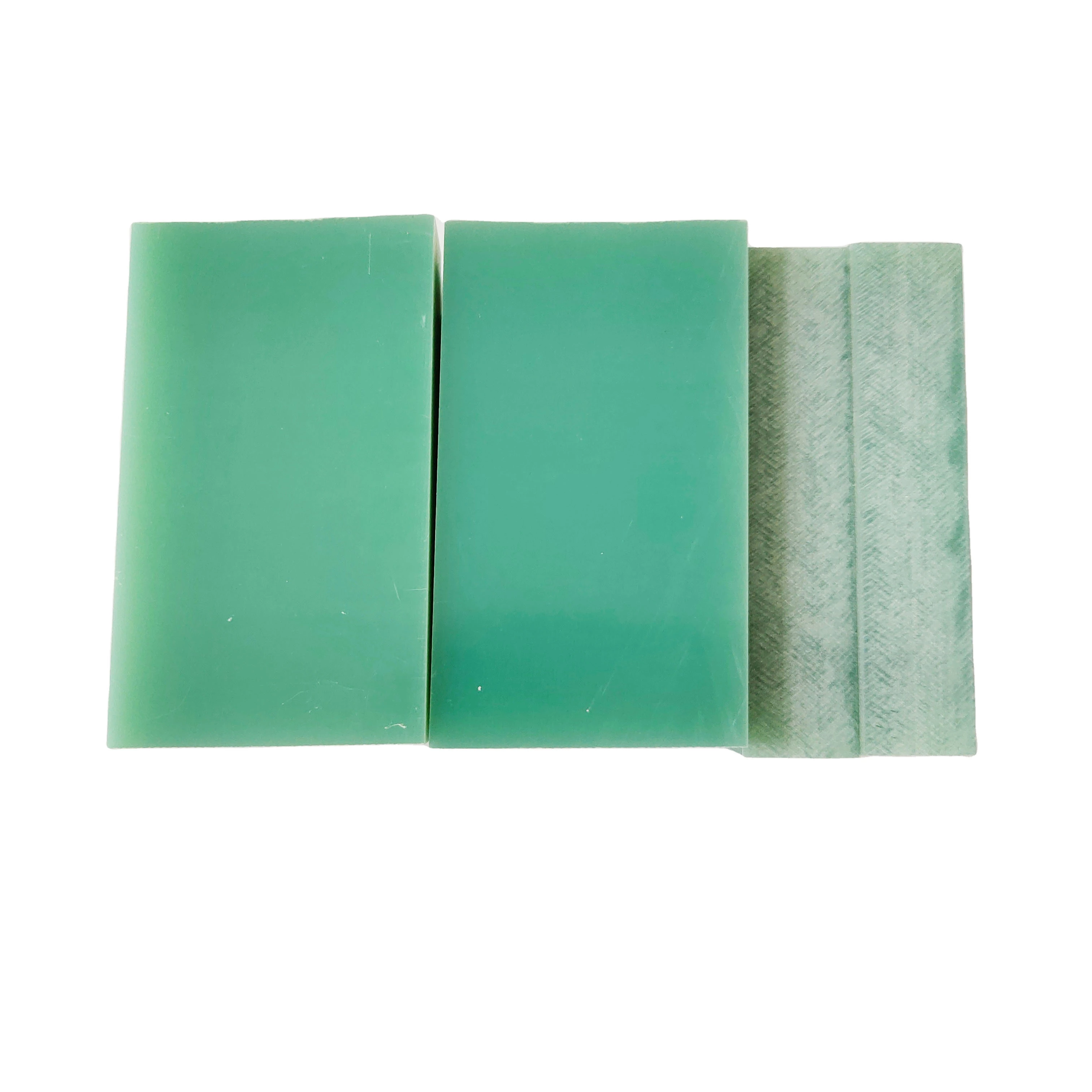
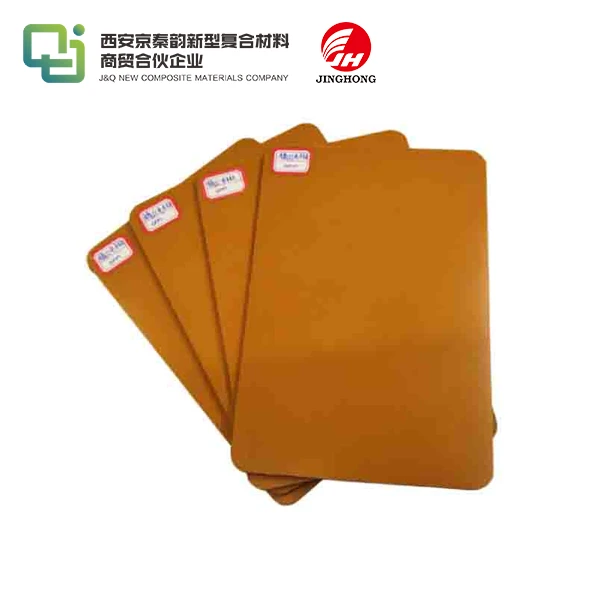
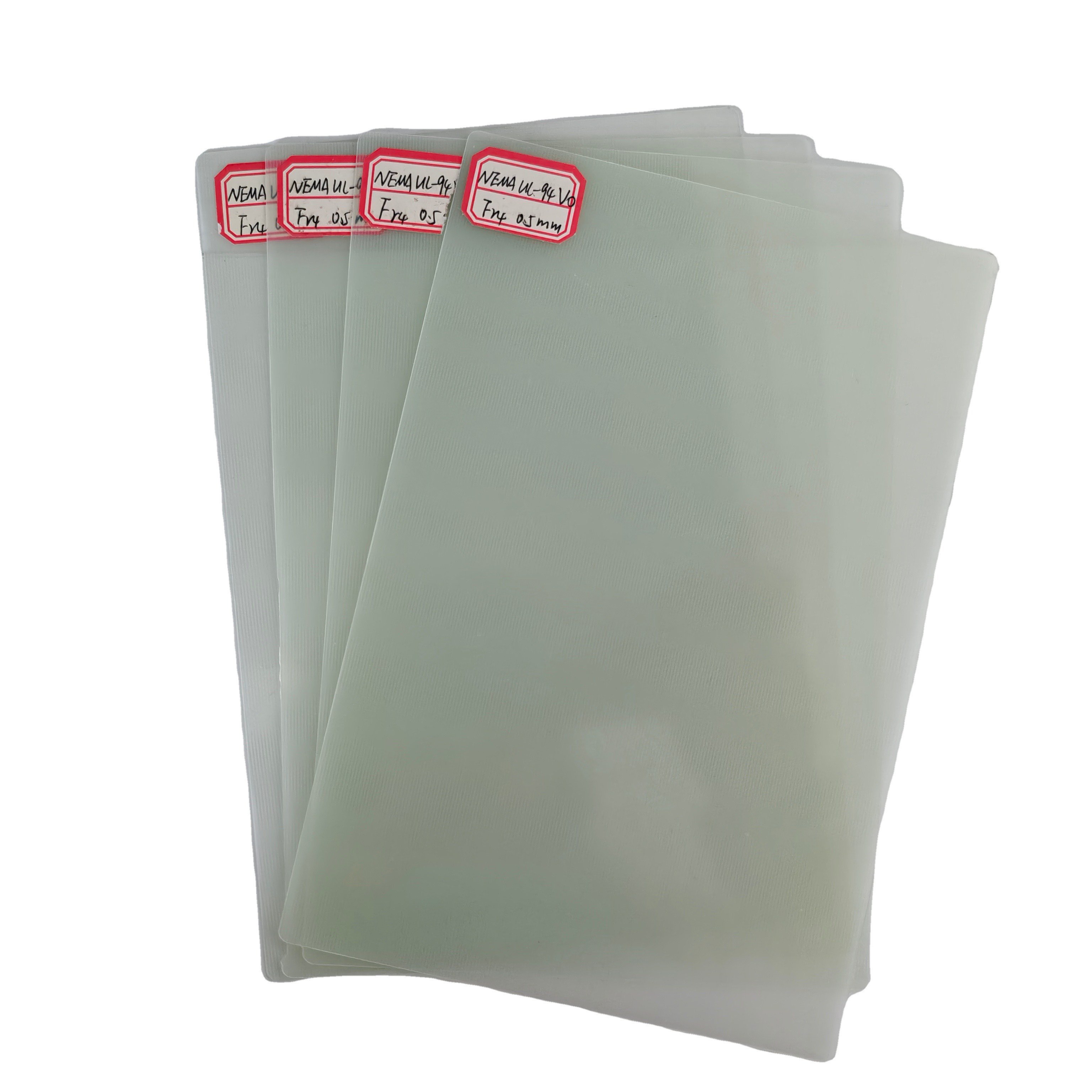
Composite materials, specifically FR4 epoxy sheets, which consist of woven fiberglass cloth impregnated with flame-retardant epoxy resin, offer a unique combination of electrical insulation, mechanical strength, and thermal stability. Renowned for their reliability and versatility, these materials are widely used across industries - from printed circuit boards (PCBs) in electronics to structural and insulation components in aerospace, defense, and automotive sectors. This article delves into the industrial applications of FR4 epoxy sheets, examining their key properties, advantages, and the innovative ways they are being utilized to meet modern engineering challenges.
Where Are FR4 Epoxy Sheets Commonly Used in Industry
Electronics and Telecommunications
The electronics industry stands as the most dominant consumer of FR4 epoxy sheets, where these materials fundamentally serve as the core substrate for printed circuit boards (PCBs). They offer a stable, rigid, and insulating foundation that securely supports electronic components and interconnections. Owing to their superior dielectric properties, minimal signal loss, and impressive dimensional stability, FR4 is exceptionally well-suited for high-frequency and high-speed applications. This makes it an indispensable material in the manufacturing of advanced telecommunications infrastructure, such as network routers and signal transmission devices, as well as in computer hardware like motherboards and consumer electronics including smartphones and tablets. Its reliability and electrical insulation ensure consistent performance across a wide range of operating conditions.
Aerospace and Defense
Within the aerospace sector, FR4 epoxy sheets are extensively utilized in critical systems including avionics, radar apparatus, and satellite modules. The combination of their lightweight characteristics, high mechanical strength, and inherent flame-retardant qualities makes them ideal for applications where safety and performance cannot be compromised. For instance, FR4-based composites are integrated into aircraft interior panels, flight control systems, and structural elements that demand durability without adding significant weight. Similarly, the defense industry relies on FR4 for robust military communication devices, encrypted guidance systems, and surveillance equipment. Its ability to endure harsh environmental conditions—such as extreme temperatures, vibrations, and moisture—ensures operational reliability in both airborne and ground-based defense applications.
Automotive Manufacturing
As modern vehicles evolve to incorporate more electronic systems, FR4 epoxy sheets have become essential in automotive electronics manufacturing. They are widely used in engine control units (ECUs), infotainment consoles, sensors, and advanced driver-assistance systems (ADAS) that enable features like adaptive cruise control and collision avoidance. The material’s resilience under high temperatures—common in engine compartments—and its capacity to withstand constant mechanical vibrations during vehicle operation make it particularly valuable in this demanding setting. Furthermore, FR4’s electrical insulation and structural integrity help ensure the long-term reliability and safety of electronic components, thereby supporting the automotive industry’s shift toward electric and autonomous vehicles.

Advantages of FR4 Sheets in Electrical and Mechanical Engineering
Superior Electrical Properties
FR4 epoxy sheets are highly valued for their exceptional electrical insulation capabilities, which are characterized by high dielectric strength and a low dielectric constant. These properties are crucial for preventing electrical current leakage and minimizing signal loss or crosstalk in complex, high-density circuit boards. The material's low dissipation factor further ensures signal integrity in high-frequency applications. Additionally, its low moisture absorption rate plays a key role in maintaining these insulating properties, thereby enhancing the long-term reliability and performance stability of electronic assemblies even when operating in humid or varying environmental conditions. This combination of traits makes FR4 a fundamental and reliable choice for a vast range of electronic devices.
Mechanical Robustness
The inherent mechanical strength of FR4 epoxy sheets is derived from the synergistic combination of woven fiberglass reinforcement and the tough epoxy resin binder. This composite structure grants the material remarkable flexural and tensile strength, enabling it to resist bending, cracking, and permanent deformation under physical loads. This rigidity is vital for supporting heavy components on printed circuit boards (PCBs) and withstanding mechanical stresses encountered during manufacturing, assembly, and everyday operation, including shock and vibration. Such durability ensures the structural integrity and longevity of the electronic assembly, significantly reducing the risk of mechanical failure in demanding applications from industrial machinery to consumer electronics.
Thermal Performance
FR4 epoxy sheets demonstrate excellent thermal stability, reliably maintaining their electrical and mechanical properties across a wide temperature range, typically from below freezing to over 130°C. This thermal resilience is paramount in applications where heat generation and dissipation are critical concerns, such as in power supplies and high-performance computing hardware. Furthermore, the material possesses a relatively low coefficient of thermal expansion (CTE). This means it expands and contracts very little with temperature fluctuations, which is essential for maintaining dimensional stability and preventing issues like delamination or broken solder joints under thermal cycling stress, thereby ensuring consistent performance.
Future Trends in Industrial Use of FR4 Epoxy Materials
Advancements in High-Frequency Applications
With the rise of 5G, IoT, and high-speed computing, FR4 epoxy sheets are being optimized for high-frequency performance. New formulations focus on lower dielectric constants and dissipation factors, reducing signal loss and crosstalk. These improvements make FR4 suitable for millimeter-wave circuits, high-speed PCBs, and next-generation communication devices, ensuring reliable signal integrity and minimal electromagnetic interference in demanding electronic applications.
Sustainability and Environmental Considerations
The FR4 industry is increasingly prioritizing eco-friendly production and lifecycle management. Halogen-free flame retardants, bio-based epoxy resins, and non-toxic curing agents are being explored to reduce environmental impact. Additionally, recycling and reuse of FR4 waste are under development, promoting circular economy practices and enabling manufacturers to deliver high-performance materials while meeting stringent environmental regulations and sustainability goals.
Integration with Advanced Manufacturing Techniques
FR4 epoxy sheets are being adapted for advanced manufacturing, including additive manufacturing and 3D printing. This allows for the creation of complex, customized structures with embedded circuitry and integrated components. Such innovations enable rapid prototyping, reduced assembly complexity, and new design flexibility, opening opportunities in aerospace, medical devices, and high-performance electronics where traditional fabrication methods are limited.
Conclusion
FR4 epoxy sheets have proven to be a versatile and invaluable material across numerous industrial applications. Their unique combination of electrical, mechanical, and thermal properties continues to drive innovation in electronics, aerospace, automotive, and beyond. As technology advances, FR4 materials are evolving to meet new challenges, from high-frequency applications to environmental sustainability. The future of FR4 epoxy sheets in industry looks promising, with ongoing research and development aimed at expanding their capabilities and applications even further.
FAQs
1. What does FR4 stand for in FR4 epoxy sheets?
FR4 stands for "Flame Retardant 4," indicating the material's fire-resistant properties.
2. Can FR4 epoxy sheets be recycled?
While challenging, research is ongoing to develop effective recycling methods for FR4 materials.
3. What is the typical thickness of FR4 sheets used in PCBs?
Common thicknesses range from 0.2mm to 3.2mm, with 1.6mm being a standard choice for many applications.
Choose J&Q for Your FR4 Epoxy Sheet Needs
J&Q, with over 20 years of experience in producing and selling insulating sheets, is your trusted partner for high-quality FR4 epoxy sheets. Our global reach and dedicated foreign trading team ensure seamless service worldwide. As a manufacturer with our own logistics company, we offer a comprehensive one-stop solution for all your FR4 needs. Experience the J&Q difference in quality, reliability, and customer service. For more information about our FR4 epoxy sheet products, contact us at info@jhd-material.com.
References
Smith, J. (2021). "Advanced Applications of FR4 in Modern Electronics." Journal of Materials Science and Engineering, 45(3), 256-270.
Johnson, R. et al. (2020). "Thermal Management Solutions Using FR4 Composites." IEEE Transactions on Components, Packaging and Manufacturing Technology, 10(6), 1015-1028.
Zhang, L. (2022). "Environmental Impact Assessment of FR4 Materials in the Electronics Industry." Sustainability, 14(8), 4567.
Brown, A. (2019). "FR4 in Aerospace: Challenges and Opportunities." Aerospace Materials and Technology, 7(2), 89-104.
Lee, S. and Park, K. (2023). "High-Frequency Performance of Modified FR4 Substrates for 5G Applications." IEEE Microwave and Wireless Components Letters, 33(4), 401-403.
Garcia, M. et al. (2022). "Recycling Strategies for FR4 Composite Materials: A Review." Waste Management & Research, 40(5), 521-535.