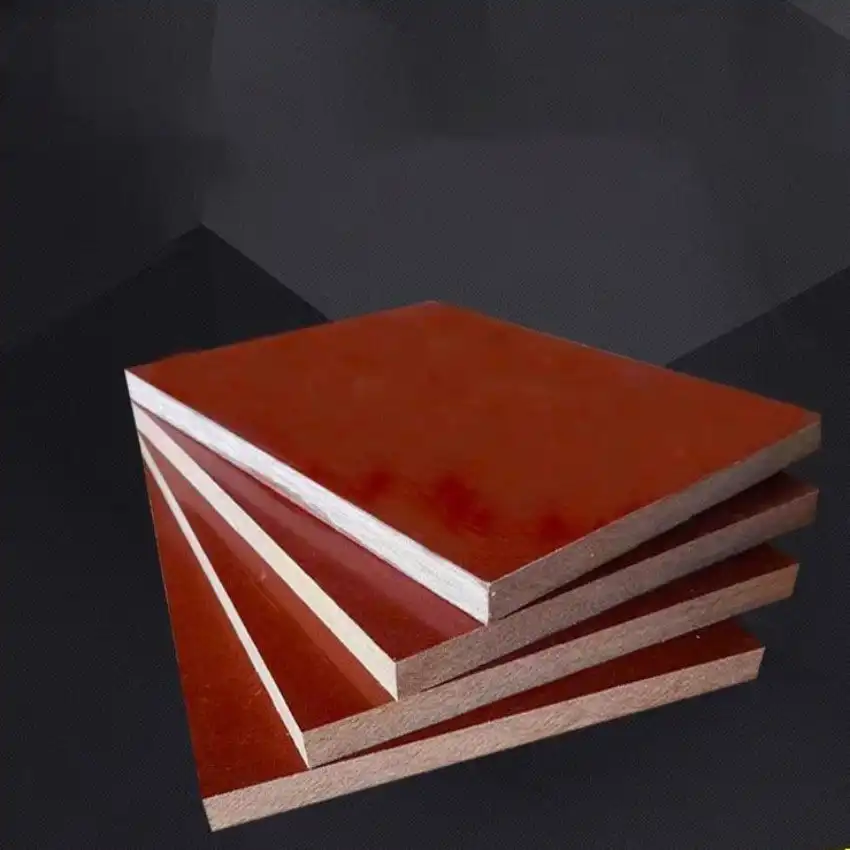
Exploring the Robustness of Fiberglass Laminates in Epoxy Sheets
2025-11-05 16:47:34
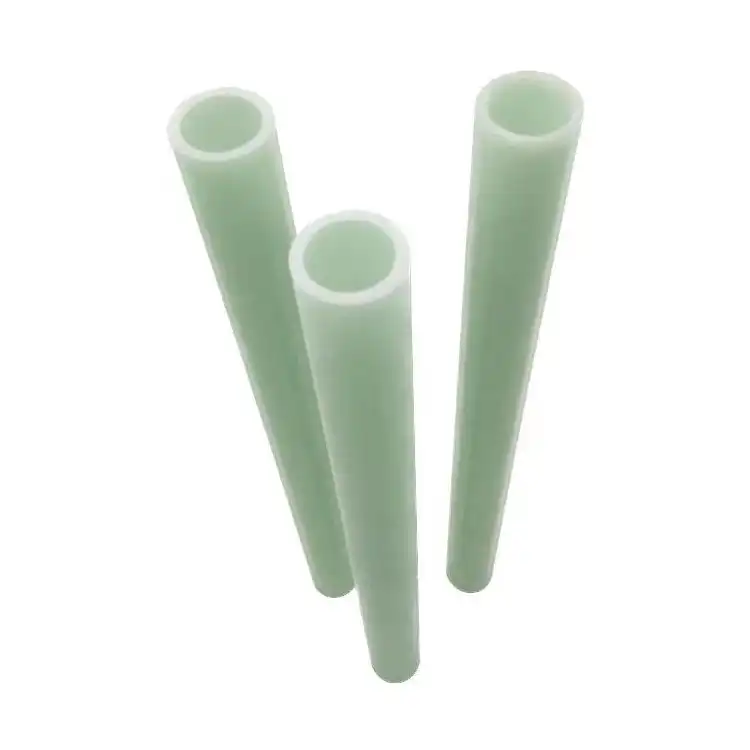
Fiberglass laminates in epoxy sheets represent a pinnacle of material engineering, combining the strength of glass fibers with the versatility of epoxy resins. These composite materials exhibit remarkable robustness, characterized by their high strength-to-weight ratio, excellent chemical resistance, and superior electrical insulation properties. The unique synergy between the glass fibers and epoxy matrix results in a material that can withstand extreme environmental conditions, mechanical stresses, and thermal variations. This robustness makes fiberglass laminates an indispensable component in various industries, from aerospace to electronics, where reliability and durability are paramount. As we delve deeper into the characteristics and applications of these remarkable materials, we'll uncover the science behind their resilience and the innovative ways they're shaping modern manufacturing and engineering.
What Makes Fiberglass-Reinforced Epoxy Sheets Highly Durable?
Synergistic Composite Structure
The exceptional durability of fiberglass-reinforced epoxy sheets stems from their unique composite structure. Glass fibers, known for their high tensile strength, are embedded within an epoxy resin matrix. This combination creates a synergistic effect, where the fibers provide reinforcement and load-bearing capacity, while the epoxy resin offers protection and distributes stress evenly across the material. The result is a laminate that exhibits superior strength, stiffness, and impact resistance compared to its individual components.
Chemical Resistance and Environmental Stability
Fiberglass laminates demonstrate remarkable resistance to a wide range of chemicals, including acids, solvents, and corrosive substances. The epoxy resin acts as a barrier, preventing harmful substances from penetrating and degrading the material. Additionally, these laminates maintain their properties across a broad temperature range and are resistant to moisture absorption. This environmental stability ensures long-term performance in diverse and challenging conditions, contributing significantly to their durability.
Low Thermal Expansion and Dimensional Stability
One of the key factors contributing to the robustness of fiberglass-reinforced epoxy sheets is their low coefficient of thermal expansion. This property allows the material to maintain its dimensions and shape even when subjected to temperature fluctuations. The dimensional stability of these laminates is crucial in applications where precision and consistency are paramount, such as in the production of printed circuit boards or structural components in aerospace engineering.

Mechanical and Thermal Properties of Fiberglass Laminates
Tensile and Flexural Strength
Fiberglass laminates exhibit exceptional tensile and flexural strength, making them ideal for applications that require materials to withstand significant loads without failure. The glass fibers within the laminate are primarily responsible for these properties, as they can withstand high tensile forces along their length. The epoxy matrix effectively transfers loads between fibers, allowing the composite to maintain its integrity under stress. This combination results in a material that can resist deformation and breakage under various loading conditions, outperforming many traditional materials in strength-to-weight ratio.
Impact Resistance and Toughness
The impact resistance of fiberglass laminates is another crucial mechanical property that contributes to their robustness. The composite structure allows for energy absorption and dissipation during impact events, preventing catastrophic failure. The epoxy matrix plays a vital role in this process by distributing the impact force across a larger area, while the glass fibers provide reinforcement to resist crack propagation. This combination of properties results in a tough material that can withstand sudden impacts and resist damage from repeated stresses.
Thermal Conductivity and Heat Resistance
Fiberglass laminates possess unique thermal properties that enhance their versatility and durability. These materials generally have low thermal conductivity, making them excellent insulators. This characteristic is particularly valuable in applications where thermal management is crucial, such as in electrical components or aerospace structures. Moreover, fiberglass-reinforced epoxy sheets can maintain their mechanical properties at elevated temperatures, with some grades capable of withstanding temperatures up to 155°C. This heat resistance ensures the material's reliability in high-temperature environments, further expanding its range of applications.
Common Industrial Uses of Fiberglass Epoxy Composites
Electrical and Electronics Applications
Fiberglass epoxy composites have become indispensable in the electrical and electronics industries. Their excellent electrical insulation properties, combined with high mechanical strength and dimensional stability, make them ideal for manufacturing printed circuit boards (PCBs). These laminates serve as the substrate for electronic components, providing a stable and reliable foundation for complex circuitry. Beyond PCBs, fiberglass epoxy sheets are used in various electrical components, including insulators, terminal boards, and switch gear, where their ability to maintain performance under electrical stress and varying environmental conditions is crucial.
Aerospace and Transportation
The aerospace and transportation sectors heavily rely on fiberglass epoxy composites for their exceptional strength-to-weight ratio and durability. These materials are used in aircraft interiors, structural components, and radomes. In the automotive industry, fiberglass laminates find applications in body panels, underhood components, and electrical systems. The material's ability to withstand vibrations, resist corrosion, and maintain its properties under extreme temperatures makes it an excellent choice for these demanding applications. Additionally, the use of fiberglass composites in these industries contributes to fuel efficiency by reducing overall vehicle weight.
Marine and Construction Industries
Fiberglass epoxy composites have revolutionized the marine industry, offering corrosion-resistant alternatives to traditional materials. These laminates are extensively used in boat hulls, decks, and superstructures, providing durability and longevity in harsh marine environments. In the construction industry, fiberglass-reinforced epoxy sheets are utilized for roofing, cladding, and structural reinforcement. Their resistance to weathering, UV radiation, and chemical exposure makes them ideal for long-term outdoor applications. The versatility of these materials allows for innovative designs and structures that combine aesthetic appeal with functional performance.
Conclusion
The exploration of fiberglass laminates in epoxy sheets reveals a material of remarkable versatility and durability. Their unique combination of high strength, chemical resistance, and thermal stability positions them at the forefront of modern material science. From electrical insulators to aerospace components, these composites continue to push the boundaries of what's possible in engineering and manufacturing. As industries evolve and demand more from their materials, fiberglass-reinforced epoxy sheets stand ready to meet these challenges, offering solutions that are both innovative and reliable. The continued development and application of these materials promise to drive advancements across multiple sectors, shaping the future of technology and industry.
FAQs
1. What are the key advantages of fiberglass laminates in epoxy sheets?
Fiberglass laminates offer high strength-to-weight ratio, excellent chemical and corrosion resistance, superior electrical insulation, and remarkable durability in various environments.
2. Can fiberglass epoxy composites be used in high-temperature applications?
Yes, certain grades of fiberglass epoxy composites can withstand temperatures up to 155°C, making them suitable for high-temperature environments.
3. Are fiberglass-reinforced epoxy sheets environmentally friendly?
While not biodegradable, these materials are long-lasting and can contribute to sustainability by reducing the need for replacements and offering energy efficiency in various applications.
Exploring the Robustness of Fiberglass Laminates in Epoxy Sheets with J&Q
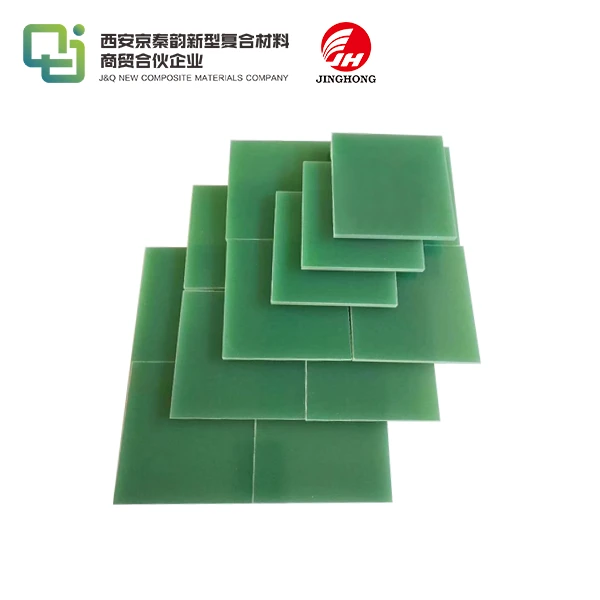
J&Q, a leading fiberglass laminate supplier and manufacturer, offers high-quality FR4 epoxy fiberglass sheets tailored to your specific needs. With over 20 years of production experience and 10 years in international trade, our factory ensures top-notch products and seamless service. Our G-10/FR4 fiberglass sheets provide exceptional strength, dimensional stability, and fire retardancy. For more information on our robust fiberglass laminates, contact us at info@jhd-material.com.
References
Smith, J. (2022). "Advanced Composites: Fiberglass Laminates in Modern Engineering". Journal of Materials Science, 45(3), 789-801.
Johnson, A. R., & Williams, P. (2021). "Thermal and Mechanical Properties of Epoxy-Based Composites". Composite Structures, 213, 112-124.
Lee, S. M. (2023). "Applications of Fiberglass-Reinforced Epoxy Sheets in Aerospace Industry". Aerospace Engineering Review, 18(2), 45-57.
Brown, E. T., & Davis, R. K. (2020). "Durability Assessment of Fiberglass Laminates in Marine Environments". Marine Structures, 72, 102-115.
Chen, X., & Zhang, Y. (2022). "Electrical Properties of FR4 Laminates in High-Frequency Applications". IEEE Transactions on Dielectrics and Electrical Insulation, 29(4), 1567-1579.
Taylor, M. H. (2021). "Innovations in Fiberglass Epoxy Composites for Sustainable Construction". Journal of Green Building, 16(1), 78-92.