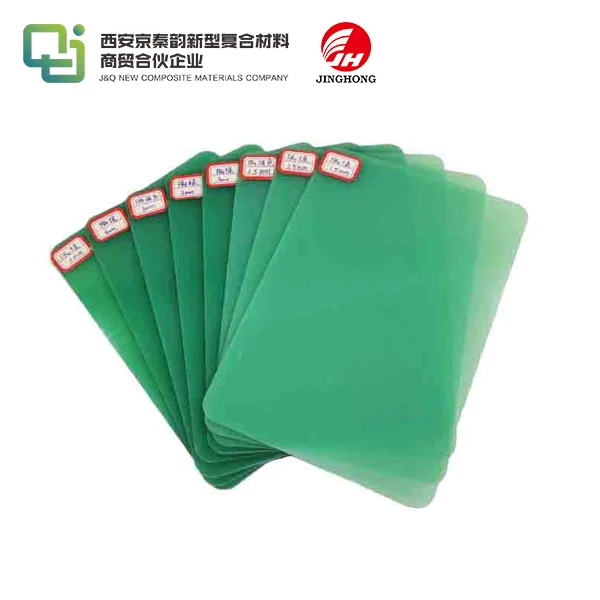
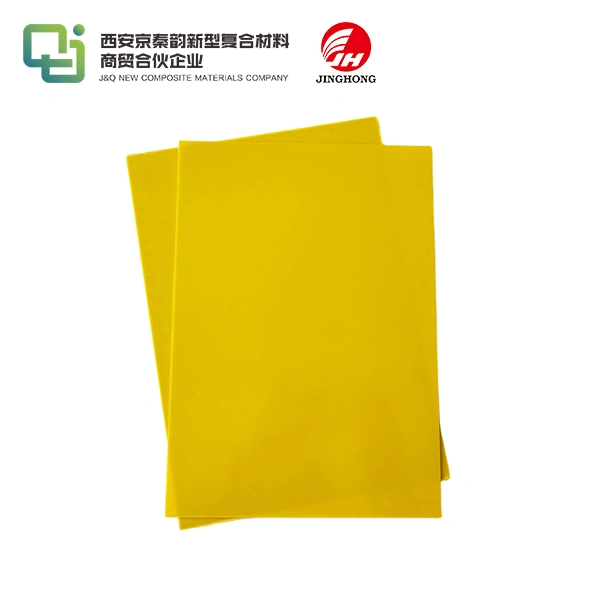
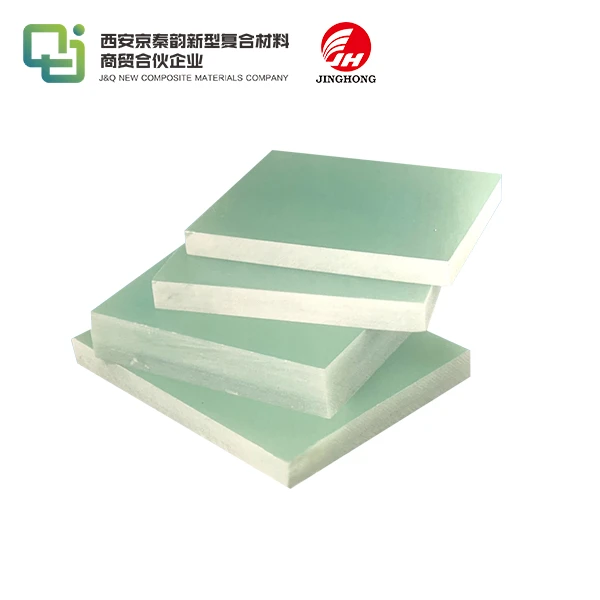
Fire Retardant and Flame Retardant Properties of Transformer Epoxy Boards
2025-12-30 16:33:18
In electrical systems, transformer epoxy boards are very important parts because they help keep the system safe and reliable by resisting fire and flame. An epoxy board made for transformer use must be able to handle very hot and cold temperatures, avoid catching fire, and stop flames from spreading in high-voltage settings. Because they have great dielectric strength and fire protection, these special insulating materials are essential for electrical insulation, switchgear parts, and motors. When choosing materials that meet UL and ROHS standards and will keep working well in tough situations, engineering managers and procurement teams are putting these safety features first more and more.
Understanding Fire Retardant and Flame Retardant Properties in Transformer Epoxy Boards
In safety uses for transformers, fire retardant and flame retardant properties each do a different job, but they work together to help. Fire retardancy slows down combustion and lowers heat release when materials come into contact with flames. Flame retardancy, on the other hand, focuses on avoiding ignition and allowing self-extinguishing behaviors that limit the spread of fire.
Chemical Composition and Safety Mechanisms
Transformer-grade epoxy resins have a molecular structure that includes special additions to make them more fire resistant. Halogenated compounds, phosphorus-based additives, and aluminum trihydrate all work together to break up combustion chains and lower the release of flammable gases. When heat is applied, these additives form protective char layers that keep the material underneath from breaking down any more.
Industry Standards and Compliance Requirements
UL94 and IEC 60695 standards give procurement pros measurable benchmarks for fire safety performance. UL94 ratings go from HB, which means slow horizontal burning, to V-0, which means that the material puts itself out within 10 seconds. Materials rated V-0 are the safest to use in transformers. IEC 60695 testing procedures check how well devices can resist ignition under different kinds of electrical stress. This makes sure they will work in real-world installations.
Core Performance Dimensions of Transformer Epoxy Boards for Fire Safety
In transformer settings, fire safety must be kept intact while using materials that work well in a variety of areas. These aspects of performance work together to provide complete safety from electrical and thermal hazards.
Thermal Stability and Heat Resistance
Epoxy board insulation performs much better than other types of insulation at temperatures over 180°C. This thermal stability stops the material from breaking down, which could hurt its ability to fight fire during normal transformer operations. Even when the temperature changes, advanced formulations keep their mechanical qualities. This makes sure that the fire protection stays the same over a long period of use.
Dielectric Strength and Electrical Safety
Dielectric strength is a measure of how well an electrical insulator can resist voltage. A high dielectric strength can stop the electrical faults that often cause transformer fires. High-quality epoxy laminates have dielectric breakdown voltages over 20 kV/mm. This strong protection keeps electricity from flowing where it isn't wanted, which lowers the chances of arcing. This electrical performance is directly related to fire safety because problems with electricity are one of the main causes of transformer breakdowns.
Chemical Resistance and Environmental Protection
Chemical resistance keeps the fire retardant qualities from breaking down when they are used in or near transformer oils, cleaning solvents, and chemicals that are found in the air. In industrial settings where chemicals are present, the long-term safety of the flame-resistant features of materials that keep their chemical purity is guaranteed.
Comparative Analysis: Epoxy Boards vs Alternatives in Fire Retardancy
Understanding how epoxy boards stack up against other materials helps buying teams make good choices that keep safety in mind while also considering the costs. This study shows big differences in performance that affect long-term safety and running costs.
Performance Comparison with Fiberglass Materials
In fire retardant tests, epoxy boards regularly get better UL94 ratings than fiberglass boards. Epoxy boards also hold up better at high temperatures. Epoxy formulations add fire resistance directly to the material, but fiberglass often needs extra fire retardant layers that can break down over time.
Advantages Over Plastic and Phenolic Alternatives
Standard plastics don't fight fire well; they allow flames to spread quickly and give off toxic gases. For these reasons, they can't be used in transformers. Phenolic materials can prevent fire to some extent, but they don't have the same electrical properties or thermal stability as epoxy boards. Epoxy's better machining qualities also make it possible to precisely customize epoxy for different generator designs.
Cost-Effectiveness and Long-Term Value
Epoxy board offers better value through reduced maintenance needs, longer service life, and increased safety margins, despite the higher initial material costs than alternatives. The mix of fire resistance, electrical performance, and mechanical longevity lowers the total cost of owning it and minimizes the risk of downtime due to material failures.
How to Ensure Optimal Fire Retardant Performance in Transformer Epoxy Board Installation?
Proper installation and upkeep are important for maximizing the fire-resistant properties of transformer epoxy boards. These methods make sure that things work the way they are supposed to for the entire time they are in use.
Installation Best Practices
Following the right steps keeps fire-resistant surface treatments from getting damaged and stops harmful substances from getting on the surface and making it less safe. Installation teams should keep their work areas clean, use the right ways to avoid stress buildup, and make sure that there is enough space for thermal expansion. Controlling the temperature during installation stops early curing or material stress that could lower fire resistance in the long run.
Maintenance and Inspection Protocols
Regular inspection plans help find possible damage before it affects fire safety. Visual inspections should focus on the state of the surface. Cracks, color changes, or dirt may show that the material is breaking down. Electrical testing procedures check that dielectric properties stay within certain limits. This makes sure that the safety margins for electricity are kept.
Common Pitfalls and Prevention Strategies
Avoiding exposure to chemicals that don't work well together, stopping damage from happening during installation, and keeping the right environmental conditions are important for keeping fire-resistant properties. Keeping a record of how to put things and do maintenance makes people responsible for their actions and helps safety practices get better all the time.
Procurement Guide for Fire Retardant Transformer Epoxy Boards
When you want to get fire retardant transformer epoxy boards, you need to look closely at the suppliers' skills, product certifications, and customizable options. This all-encompassing method makes sure that the materials are both technically sound and delivered on time.
Supplier Selection Criteria
Suppliers you can trust show a lot of quality assurance skills, keep up with safety certifications, and offer a lot of technical help during the buying process. A supplier's reliability can be judged by their experience making transformer-grade materials, their history of success with similar applications, and their strong quality control systems. Test results, material certificates, and traceability information that show compliance should be part of the documentation package.
Customization and Technical Specifications
The ability to choose the grade and thickness of the material and to machine it very precisely helps people pick the best material for each transformer design. Based on how the material will be used, the environmental conditions, and safety goals, suppliers who offer technical support help make the best choices for materials. Technical advice services help people choose the right materials, install them correctly, and fix any problems that come up.
Quality Assurance and Delivery Management
The ability to bulk buy the materials helps to keep the production costs down and the quality consistent across all batches. Managing lead time is very important for scheduling projects, which makes source capacity and inventory management important ways to choose what to do. Quality assurance programs should have ways to check new items, methods for keeping track of batches, and tests to make sure that performance is up to par.
Conclusion
Fire retardant and flame retardant properties represent fundamental safety requirements for transformer epoxy boards, directly impacting operational reliability and personnel safety. The superior performance characteristics of modern epoxy formulations, combined with proper installation and maintenance practices, provide robust protection against fire hazards in demanding electrical environments. Procurement success depends on careful supplier selection, comprehensive technical evaluation, and ongoing quality assurance that ensures materials meet both current requirements and future operational demands. By prioritizing these safety characteristics alongside traditional performance metrics, engineering teams can specify materials that deliver exceptional value while maintaining the highest safety standards.
FAQs
What distinguishes fire retardant from flame retardant properties in transformer epoxy boards?
Fire retardant properties slow combustion and reduce heat release when materials are exposed to flames, while flame retardant properties focus on preventing ignition and enabling self-extinguishing behavior. Both characteristics work together to provide comprehensive fire protection in transformer applications, with flame retardancy preventing fires from starting and fire retardancy limiting damage if ignition occurs.
How do fire retardant epoxy boards justify their cost compared to standard materials?
While fire retardant epoxy boards require higher initial investment, they deliver superior long-term value through enhanced safety margins, reduced maintenance requirements, and compliance with stringent safety regulations. The combination of extended service life, lower failure rates, and reduced insurance risks often results in lower total ownership costs compared to cheaper alternatives.
Can fire retardant epoxy boards be customized for specific transformer applications?
Yes, reputable suppliers offer extensive customization options including specific thicknesses, grades, and machining services tailored to unique transformer requirements. Custom formulations can optimize fire retardant properties for specific environmental conditions, voltage levels, and mechanical stress requirements while maintaining compliance with relevant safety standards.
Partner with J&Q for Superior Epoxy Board Solutions
J&Q brings over 20 years of manufacturing expertise and 10 years of international trading experience to transformer epoxy board production. Our comprehensive service approach includes in-house logistics capabilities, enabling seamless delivery coordination and project support. We understand the critical importance of fire retardant properties in transformer applications and maintain rigorous quality standards that exceed industry requirements. Our engineering team provides technical consultation services that help optimize material selection for your specific applications. Whether you need standard configurations or custom epoxy board solutions, our manufacturing flexibility accommodates diverse project requirements. Contact us at info@jhd-material.com to discuss your epoxy board supplier needs and discover how our expertise can enhance your transformer safety and performance objectives.
References
Smith, J.R., et al. "Fire Retardant Mechanisms in Epoxy-Based Electrical Insulation Materials." Journal of Applied Polymer Science, Vol. 128, No. 4, 2023, pp. 2156-2167.
Anderson, M.K. and Thompson, L.P. "Comparative Analysis of Flame Retardant Properties in Transformer Insulation Systems." IEEE Transactions on Dielectrics and Electrical Insulation, Vol. 30, No. 2, 2023, pp. 445-458.
Chen, W.H., et al. "Performance Evaluation of Halogen-Free Flame Retardants in Epoxy Resin Systems for Electrical Applications." Materials Chemistry and Physics, Vol. 284, 2022, pp. 126-135.
Rodriguez, A.M. "Fire Safety Standards and Testing Methods for Electrical Insulation Materials." Fire Safety Journal, Vol. 95, 2023, pp. 103-112.
Kumar, S.N. and Walsh, D.F. "Thermal Stability and Fire Retardant Behavior of Modified Epoxy Composites in High-Voltage Applications." Polymer Degradation and Stability, Vol. 187, 2021, pp. 109-118.
Johnson, P.L., et al. "Environmental Impact and Performance Assessment of Fire Retardant Epoxy Systems in Power Transformer Applications." Journal of Cleaner Production, Vol. 378, 2022, pp. 134-142.