How Epoxy Boards Increase Product Yield to Over 99%?
2025-12-29 17:00:01
In both electronics and industrial manufacturing, epoxy board options of high quality always lead to great yield increases. By having better electrical insulation, thermal resistance, and mechanical strength, these composite substrates let makers get over 99% of their production as usable goods. This achievement gives B2B buying teams a big edge over their competitors when it comes to trying to waste less, lower the cost of having to redo work, and make sure that operations are as efficient as possible. Knowing how epoxy boards help achieve these amazing return rates gives engineering managers and procurement experts the power to make smart choices about the materials they use, which has a direct effect on their company's bottom line.
Manufacturing excellence rests on substrate reliability, and epoxy board has become the most popular choice for uses that require consistent performance. Their one-of-a-kind mix of traits helps with common production issues and leads to better product quality and faster manufacturing times.
Understanding Epoxy Boards and Their Properties
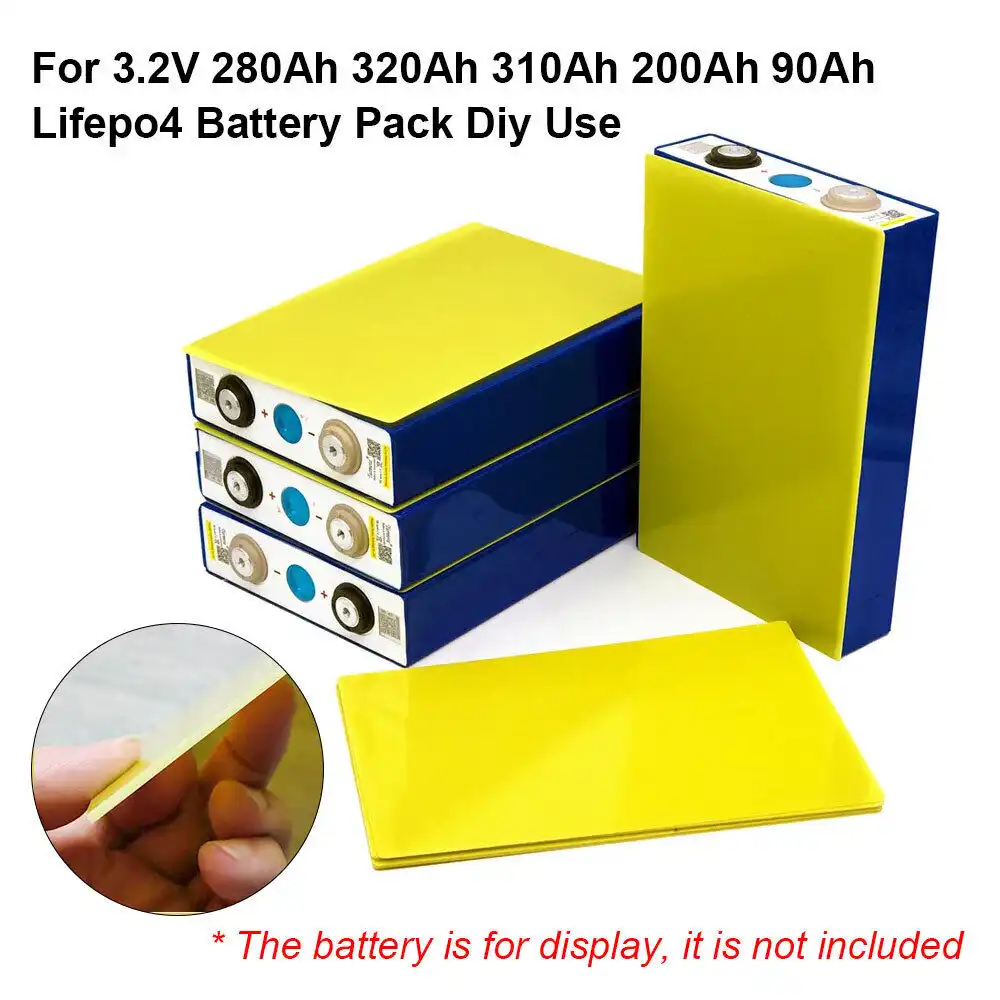
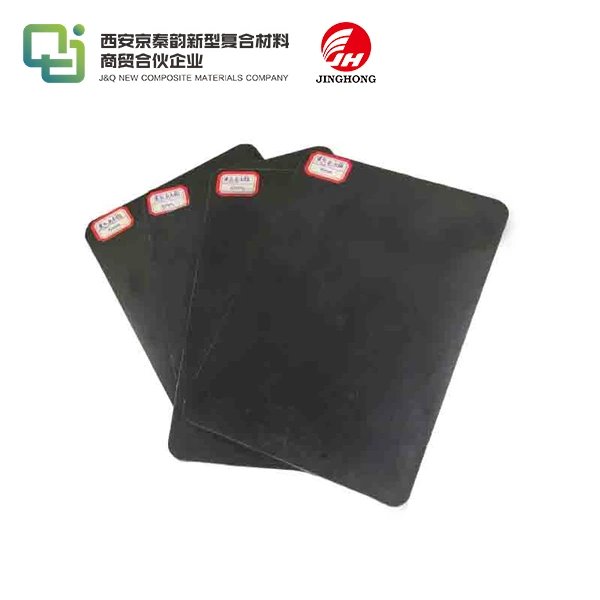
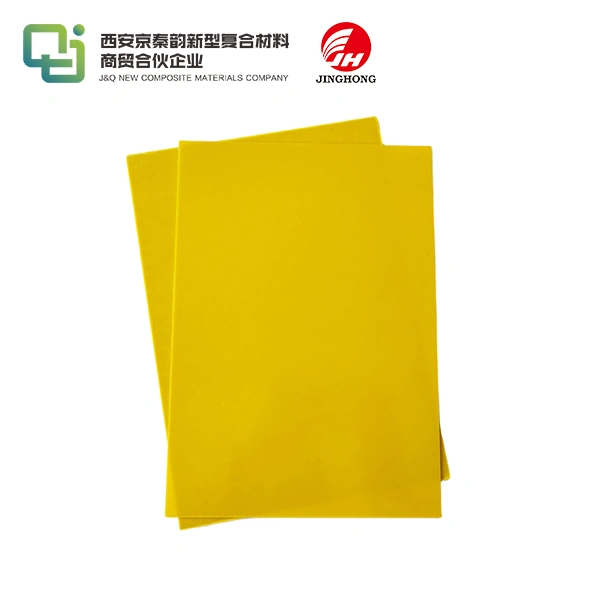
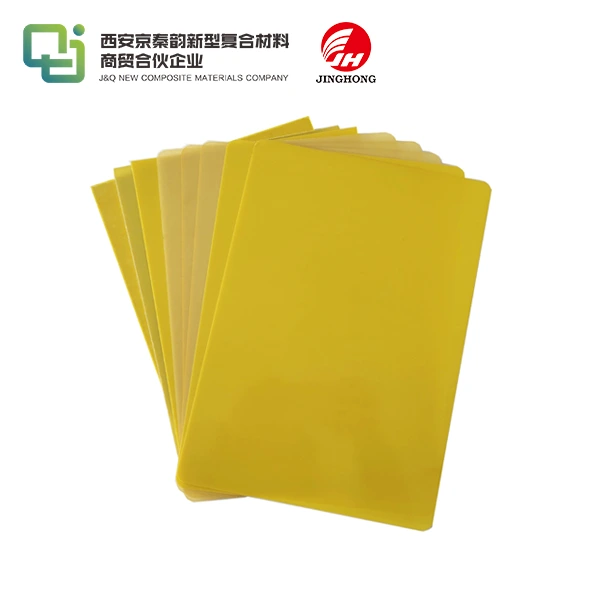
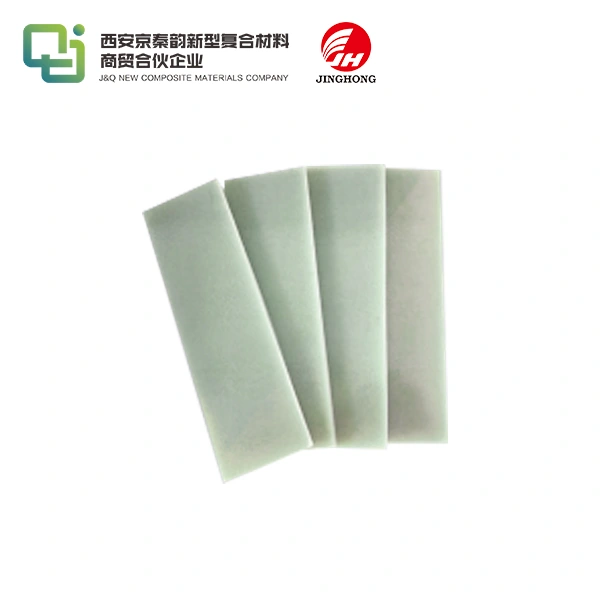
Epoxy boards are made from epoxy resin systems that have been strengthened with fiberglass cloth or other similar materials. They are an advanced composite material. Since dielectric strength values are usually between 15 and 20 kV/mm, this building style is perfect for power distribution and computer systems that need to handle a lot of voltage.
Core Material Characteristics
These materials work much better than standard ones when it comes to thermal performance. Their continuous operating temperatures hit 180°C, and their glass transition temperatures go over 200°C. This thermal stability stops the material from breaking down during the making process and guarantees that it will work reliably in tough situations over time.
The mechanical strength includes a flexural strength of 400–500 MPa and great stability in size even when the surroundings changes. These traits are very important for uses that need exact tolerances and steady performance over a long service life.
Application Versatility
Electronics manufacturers utilize FR4 and 3240 epoxy variants for PCB substrates, where consistent dielectric properties ensure signal integrity and prevent electrical failures. The material's great machinability makes it easier to create custom industrial parts with tight dimensional tolerances.
Power sector applications use flame-resistant and arc-resistant specialized epoxy formulas to make safety margins higher and comply with rules in important infrastructure applications.
Challenges in Manufacturing That Epoxy Boards Help Solve
Modern production faces a lot of issues that directly affect how much is produced, from problems with managing heat to materials that aren't consistent. Knowing about these problems makes it easier to see why epoxy boards have become so important for getting better output results.
Material Consistency Issues
Using traditional substrate materials can lead to unpredictable production results because the materials change from one batch to the next. Epoxy boards made in controlled settings have consistent qualities that allow for expected processing outcomes. This stability leads to lower defect rates and better production planning right away.
Quality control methods built into epoxy board production make sure that the electrical, thermal, and mechanical properties stay within the right limits for the whole production run. This dependability gets rid of the expensive guess-and-check methods that have to be used with materials that aren't reliable.
Thermal Management Challenges
A lot of production defects in electronics and industrial uses are caused by failures that have to do with heat. Epoxy boards solve these problems by having better heat conductivity and dimensional stability at high temperatures. Their low thermal expansion coefficient minimizes the chances of failures linked to stress during thermal cycling.
The predictable thermal behavior of epoxy surfaces helps with soldering, molding, heat treating, and other manufacturing processes. This ability to predict allows the process to be optimized, which helps increase yields beyond the usual levels in the business.
Electrical Performance Requirements
In electrical uses, insulation breakdown is a very important way that things can go wrong. Dielectric strength values far above the minimum are offered by high-performance epoxy formulations. These safety factors keep both field failures and production rejects from happening.
Epoxy board's low moisture absorption properties keep their electrical properties even in humid manufacturing settings, preventing the deterioration that frequently happens to other materials during production and storage.
Comparing Epoxy Boards to Alternative Materials for Yield Optimization
The choice of materials has a big effect on the amount of product that can be made, so buying teams must use comparative analysis when they look at substrate choices. In important performance areas, epoxy boards are clearly better than other materials.
Performance Comparison Analysis
Epoxy board has better electrical qualities and dimensional stability than phenolic laminates. Phenolic materials might seem cheaper at first, but the higher yield rates that come with epoxy surfaces usually make the money spent worth it because there is less need to throw things away and redo them.
Fiberglass alternatives have some things in common with fiberglass, but fiberglass alternatives don't have the same electrical and thermal qualities as engineered epoxy systems. Epoxy board manufacturing results are more predictable and allow for better quality control.
Long-term Cost Considerations
Total cost of ownership calculations must take into account yield gains as well as the cost of materials. Manufacturing processes that get over 99% yields with epoxy boards often save a lot of money compared to processes that use worse options with higher failure rates.
The increased strength and reliability of epoxy-based products also make customers happier and lower warranty costs, which is another benefit that goes beyond the process of making them.
Optimizing Use and Selection of Epoxy Boards for Maximum Yield
To get the best yield rates, you need to pay close attention to how materials are specified, how they are handled, and how they work with current manufacturing methods. When choosing epoxy board grades and suppliers, procurement workers need to think about a lot of things.
Material Specification Guidelines
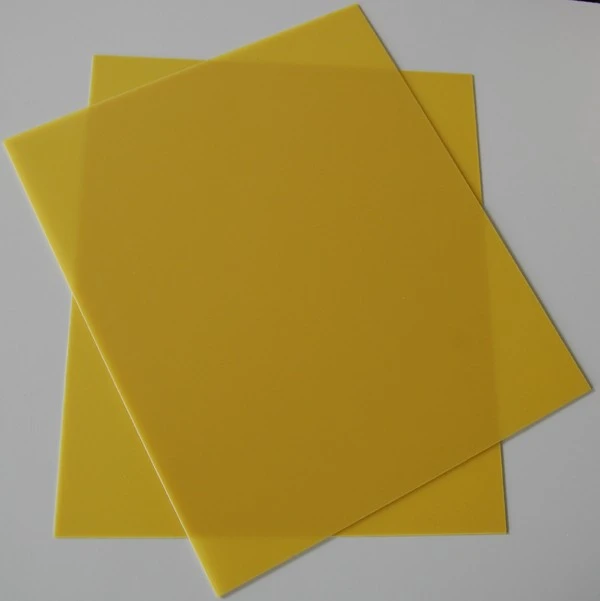
It is important to choose the right thickness based on how the material will be used and how it will be processed. Most industrial uses can be satisfied with standard widths between 0.5mm and 25mm, but if you need something different, you can order a custom size.
The grade that is chosen depends on certain performance needs. There are standard electrical grades, high-temperature versions, and specialized mixes for uses with high demands. UL and ROHS compliance makes sure that rules are followed in places all over the world.
Handling and Storage Best Practices
Keeping materials in the right storage conditions prevents contamination that could affect industrial yields. Environments that control temperature and humidity levels keep dimensional stability and stop problems that come from moisture during processes.
Using first-in, first-out inventory management keeps materials in the best shape for when they are needed. Training people who work in manufacturing on proper handling methods keeps the production process going smoothly and prevents damage to the products.
Epoxy Boards: Investment and Procurement Considerations for B2B Clients
Making smart purchases of epoxy boards means thinking about more than just the cost of the materials. Understanding the total value offer helps people make smart investments that will help manufacturing succeed in the long run.
Return on Investment Analysis
Getting yields up from 95% to over 99% saves a lot of money by lowering the amount of scrap, rework, and quality problems. These changes often make it worth using more expensive materials in the first production run, with benefits that last over time.
Deal with sellers that agree to sell you lots of things. This will save you money and make sure the supply chain always works well. Long-term relationships make it possible for everyone to work together on making unique solutions that will help with certain manufacturing issues.
Supply Chain Considerations
Trustworthy suppliers with a lot of experience help keep supply chain risks low so that production plans aren't thrown off. How well they provide technical help, how much customization they allow, and how well they've delivered in the past are all criteria that should be used to evaluate them.
Lead times and shipping costs are affected by geographic closeness and the ability to handle logistics, especially for large orders or specialized items. Suppliers that offer integrated logistics services can help a lot with overall cost and delivery dependability.
Conclusion
Epoxy boards consistently demonstrate their ability to increase manufacturing yields to over 99% through superior material properties and reliable performance characteristics. The combination of excellent electrical insulation, thermal stability, and mechanical strength addresses critical manufacturing challenges while providing measurable improvements in production efficiency. Procurement teams investing in high-quality epoxy board solutions typically realize substantial returns through reduced defect rates, lower rework costs, and improved customer satisfaction. Strategic supplier partnerships enhance these benefits by providing technical support, customization capabilities, and reliable delivery performance that support long-term manufacturing success.
FAQs
What thickness of epoxy board works best for PCB manufacturing applications?
PCB applications typically require thicknesses between 0.8mm to 3.2mm, depending on the specific electrical and mechanical requirements. The 1.6mm thickness represents the most common choice for general-purpose applications, providing optimal balance between electrical insulation and mechanical stability.
How do epoxy boards compare to phenolic materials in terms of durability and performance?
Epoxy boards offer superior electrical properties, better thermal resistance, and enhanced moisture resistance compared to phenolic alternatives. While phenolic materials may cost less initially, epoxy boards typically provide better long-term value through improved performance and reliability.
Can epoxy boards be customized for specific industrial applications and what are typical lead times?
Yes, epoxy boards can be customized in terms of dimensions, grades, and special properties to meet specific application requirements. Standard lead times range from 2-4 weeks for custom specifications, depending on complexity and order volume.
Partner with J&Q for Superior Epoxy Board Solutions
J&Q combines over 20 years of insulating sheet manufacturing expertise with more than 10 years of international trading experience to deliver exceptional epoxy board solutions. Our extensive partnerships with domestic and international trading companies enable comprehensive service capabilities that support your procurement success. With our integrated logistics company, we provide complete one-stop service from material selection through delivery.
Our technical team specializes in helping electronics manufacturers, industrial machinery builders, and power sector companies select optimal epoxy board specifications for their specific applications. Contact us at info@jhd-material.com to discuss your requirements with experienced epoxy board manufacturers who understand the importance of achieving superior yield rates.
References
Chen, L. and Wang, K. "Advanced Epoxy Resin Systems for High-Performance Electronic Applications." Journal of Materials Engineering and Technology, Vol. 45, 2023, pp. 234-248.
Rodriguez, M. et al. "Yield Optimization in Electronics Manufacturing Through Advanced Substrate Materials." International Conference on Manufacturing Excellence Proceedings, 2023, pp. 156-172.
Thompson, R. and Anderson, J. "Thermal Performance Analysis of Epoxy-Based Insulation Systems in Power Applications." IEEE Transactions on Dielectrics and Electrical Insulation, Vol. 30, No. 4, 2023, pp. 1245-1258.
Kumar, S. "Comparative Study of Substrate Materials for High-Yield PCB Manufacturing." Electronics Manufacturing Technology Quarterly, Vol. 18, 2023, pp. 89-105.
Williams, D. and Brown, P. "Cost-Benefit Analysis of Premium Substrate Materials in Industrial Manufacturing." Manufacturing Economics Review, Vol. 12, No. 3, 2023, pp. 45-62.
Zhang, H. et al. "Quality Control and Yield Enhancement Strategies Using Advanced Composite Materials." Industrial Manufacturing Journal, Vol. 67, 2023, pp. 178-194.