FR4 Sheet for Aerospace Electronics: Key Considerations
2025-11-21 17:16:37
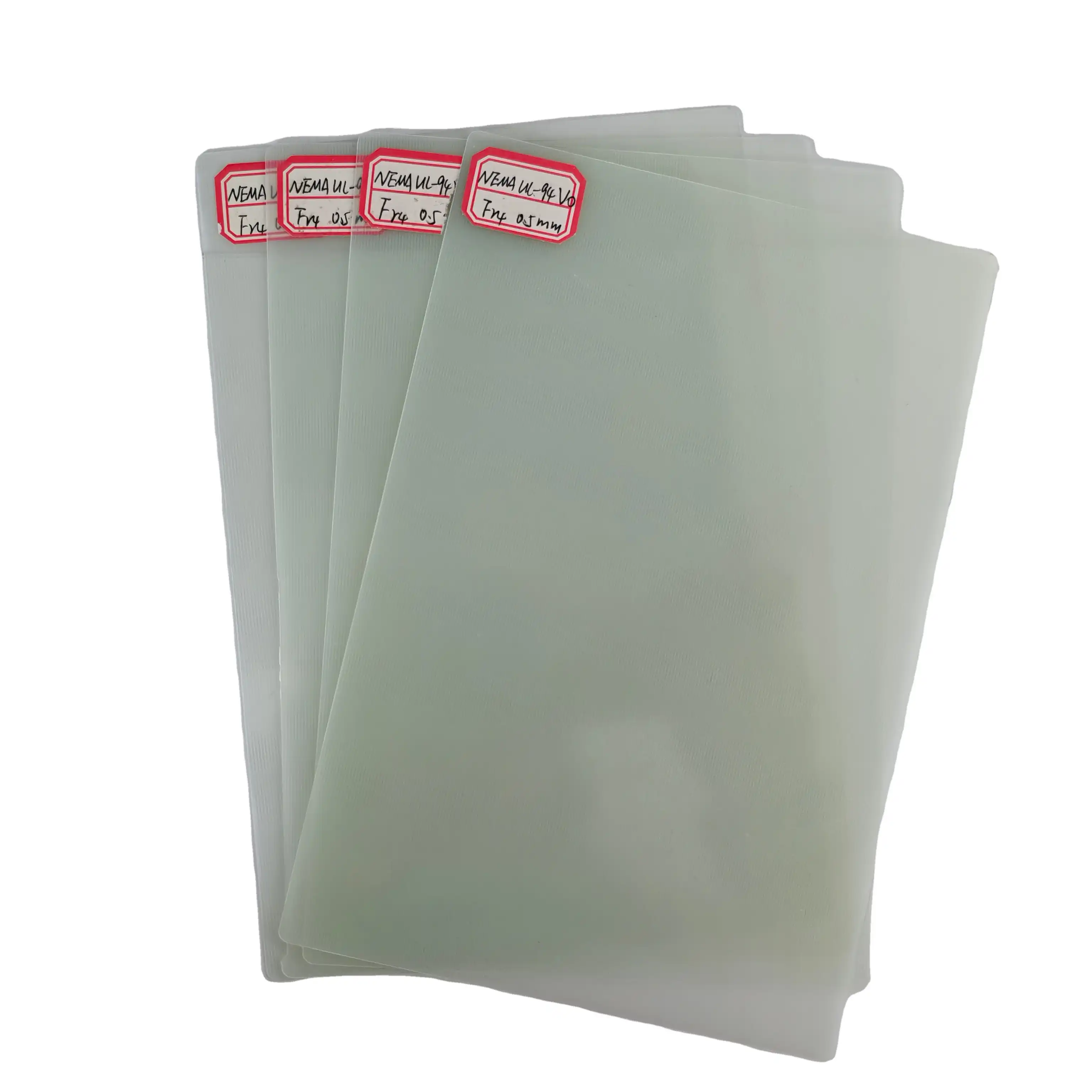
FR4 sheets play a crucial role in aerospace electronics, offering a unique combination of properties that make them ideal for the demanding requirements of avionics and spacecraft systems. When considering FR4 for aerospace applications, key factors include its excellent electrical insulation, thermal stability, mechanical strength, and flame-retardant characteristics. These properties ensure reliable performance in extreme conditions, from high-altitude flights to space missions. Additionally, FR4's lightweight nature contributes to fuel efficiency and payload capacity, while its durability withstands the rigors of aerospace environments. Understanding these considerations is essential for engineers and manufacturers in the aerospace industry to make informed decisions about material selection for critical electronic components.
What Makes FR4 Suitable for Aerospace Circuit Boards?
Exceptional Electrical Properties
FR4's electrical properties make it an excellent choice for aerospace circuit boards. Its high dielectric strength ensures effective insulation between conductive layers, preventing short circuits and maintaining signal integrity. The material's low dielectric constant contributes to reduced signal loss and improved high-frequency performance, critical for aerospace communication systems. Furthermore, FR4's consistent electrical characteristics across a wide temperature range ensure reliable operation in varying atmospheric conditions.
Thermal Stability and Flame Retardance
Aerospace electronics often operate in extreme temperature environments. FR4 sheet's thermal stability allows it to maintain its structural and electrical properties across a broad temperature spectrum, from the frigid conditions of high altitudes to the heat generated by electronic components. The flame-retardant nature of FR4, as indicated by the "FR" in its name, is particularly crucial in aerospace applications where fire safety is paramount. This inherent flame resistance helps prevent the spread of fire in the event of an electrical malfunction, enhancing overall system safety.
Mechanical Strength and Dimensional Stability
The mechanical robustness of FR4 is vital in aerospace applications where vibration, shock, and mechanical stress are common. Its high flexural strength and impact resistance help protect delicate electronic components from damage during flight operations and landings. Additionally, FR4's dimensional stability ensures that circuit boards maintain their shape and size under varying environmental conditions, preserving the integrity of electrical connections and preventing warping or delamination that could lead to system failures.
Thermal Cycling, Weight Reduction, and Reliability Factors
Resistance to Thermal Cycling
Aerospace electronics are subjected to frequent and extreme temperature fluctuations. FR4's ability to withstand thermal cycling without significant degradation is crucial for long-term reliability. The material's low coefficient of thermal expansion (CTE) helps minimize stress on solder joints and component connections during temperature changes. This resistance to thermal fatigue ensures that aerospace circuit boards maintain their integrity and performance over numerous flight cycles and extended operational lifespans.
Weight Optimization Strategies
In aerospace applications, every gram counts. FR4 sheets contribute to weight reduction efforts through their relatively low density compared to alternative materials. Engineers can further optimize weight by utilizing advanced FR4 formulations with lower specific gravity or by implementing design strategies such as selective via filling and controlled depth drilling. These techniques allow for the creation of lighter circuit boards without compromising structural integrity or electrical performance, ultimately contributing to improved fuel efficiency and increased payload capacity in aerospace vehicles.
Enhanced Reliability Through Material Selection
Reliability is paramount in aerospace electronics, where component failure can have catastrophic consequences. FR4's consistent performance characteristics and proven track record in harsh environments make it a reliable choice for aerospace circuit boards. The material's resistance to moisture absorption helps prevent issues like conductive anodic filament (CAF) growth, which can lead to short circuits. Additionally, FR4's compatibility with a wide range of surface finishes and plating processes allows for enhanced protection against environmental factors, further improving the long-term reliability of aerospace electronic systems.
Certification Standards and Industry Requirements
Aerospace-Specific Material Certifications
FR4 sheets used in aerospace applications must meet stringent certification standards. These include compliance with specifications such as IPC-4101, which defines the requirements for base materials used in rigid and multilayer printed boards. Aerospace-grade FR4 often requires additional certifications like UL 94 V-0 for flame retardancy and may need to meet specific outgassing requirements for space applications. Manufacturers must ensure that their FR4 materials are certified to the appropriate aerospace standards, including those set by organizations like NASA, ESA, and military agencies for specialized applications.
Environmental and Performance Testing
Rigorous testing is essential to validate FR4's suitability for aerospace use. Environmental testing includes exposure to extreme temperatures, humidity, and pressure conditions that simulate various flight scenarios. Performance testing evaluates the material's electrical properties under these conditions, assessing factors like signal integrity, impedance control, and insulation resistance. Mechanical testing, including vibration and shock tests, ensures that FR4-based circuit boards can withstand the physical stresses of aerospace environments. These comprehensive testing regimes are critical for qualifying FR4 materials for use in aerospace electronics.
Traceability and Quality Control
The aerospace industry demands complete traceability of materials used in critical systems. FR4 manufacturers must implement robust quality control measures and maintain detailed documentation of material properties, production processes, and batch information. This traceability is essential for identifying and addressing any potential issues that may arise during the lifecycle of aerospace electronic systems. Additionally, aerospace manufacturers often require suppliers to adhere to quality management systems like AS9100, which builds upon ISO 9001 standards with additional requirements specific to the aviation, space, and defense industries.
Conclusion
FR4 sheets have proven to be an indispensable material in aerospace electronics, offering a balanced combination of electrical, thermal, and mechanical properties crucial for the demanding environments of aviation and space exploration. The key considerations discussed, from electrical performance to certification requirements, underscore the complexity of material selection in this high-stakes industry. As aerospace technology continues to advance, the ongoing development and refinement of FR4 formulations will play a vital role in meeting the ever-increasing demands for lighter, more reliable, and higher-performing electronic systems in aircraft and spacecraft.
FAQs
What makes FR4 sheets suitable for aerospace applications?
FR4 sheets are ideal for aerospace due to their excellent electrical insulation, thermal stability, mechanical strength, and flame-retardant properties. They can withstand extreme conditions while providing reliable performance.
How does FR4 contribute to weight reduction in aerospace electronics?
FR4 has a relatively low density compared to alternative materials. Engineers can further optimize weight through advanced formulations and design strategies like selective via filling and controlled depth drilling.
What certifications are required for FR4 used in aerospace electronics?
FR4 for aerospace applications must meet standards like IPC-4101 and UL 94 V-0 for flame retardancy. Additional certifications may be required by organizations like NASA, ESA, and military agencies for specialized applications.
Choose J&Q for Your Aerospace FR4 Sheet Needs
J&Q, with over 20 years of experience in producing and selling insulating sheets, is your trusted supplier for aerospace-grade FR4 sheets. Our expertise in foreign trading and logistics ensures seamless service and delivery worldwide. For high-quality FR4 sheets that meet rigorous aerospace standards, contact J&Q at info@jhd-material.com. Let us support your aerospace electronics projects with our premium materials and unparalleled industry knowledge.
References
Aerospace Materials Handbook: Advanced Composites for Aircraft and Spacecraft Applications
IPC-4101: Specification for Base Materials for Rigid and Multilayer Printed Boards
NASA Technical Standard: Outgassing Specifications for Materials and Hardware for Spacecraft Applications
Journal of Aerospace Engineering: Thermal Cycling Effects on FR4-based Printed Circuit Boards
Aerospace Industry Association: Guidelines for Material Selection in Avionics Systems
ESA (European Space Agency) Materials and Processes Technology Board: Handbook for Space Product Assurance